What to Look for in Luxury Real Estate Photography for NYC and New Jersey Listings
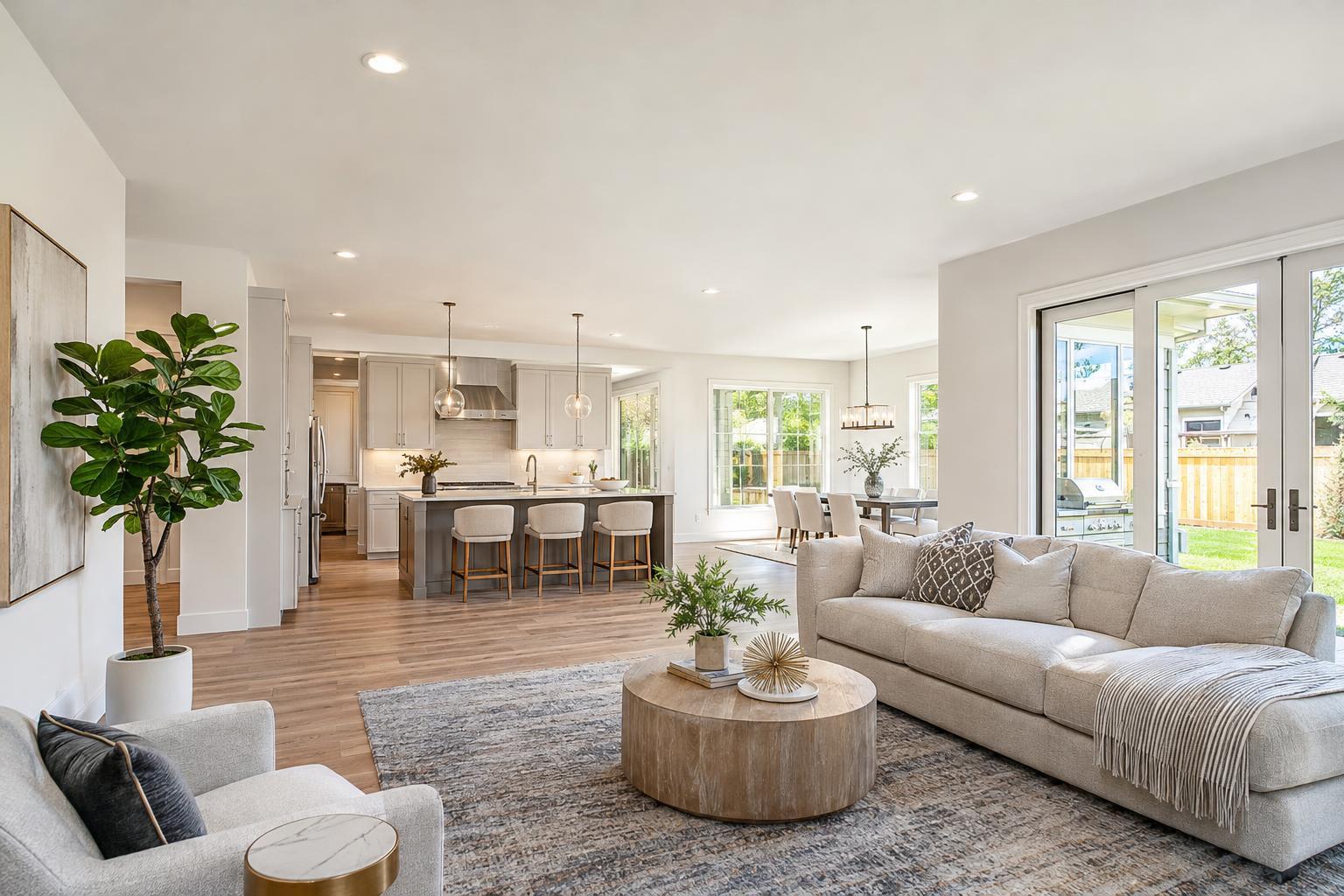
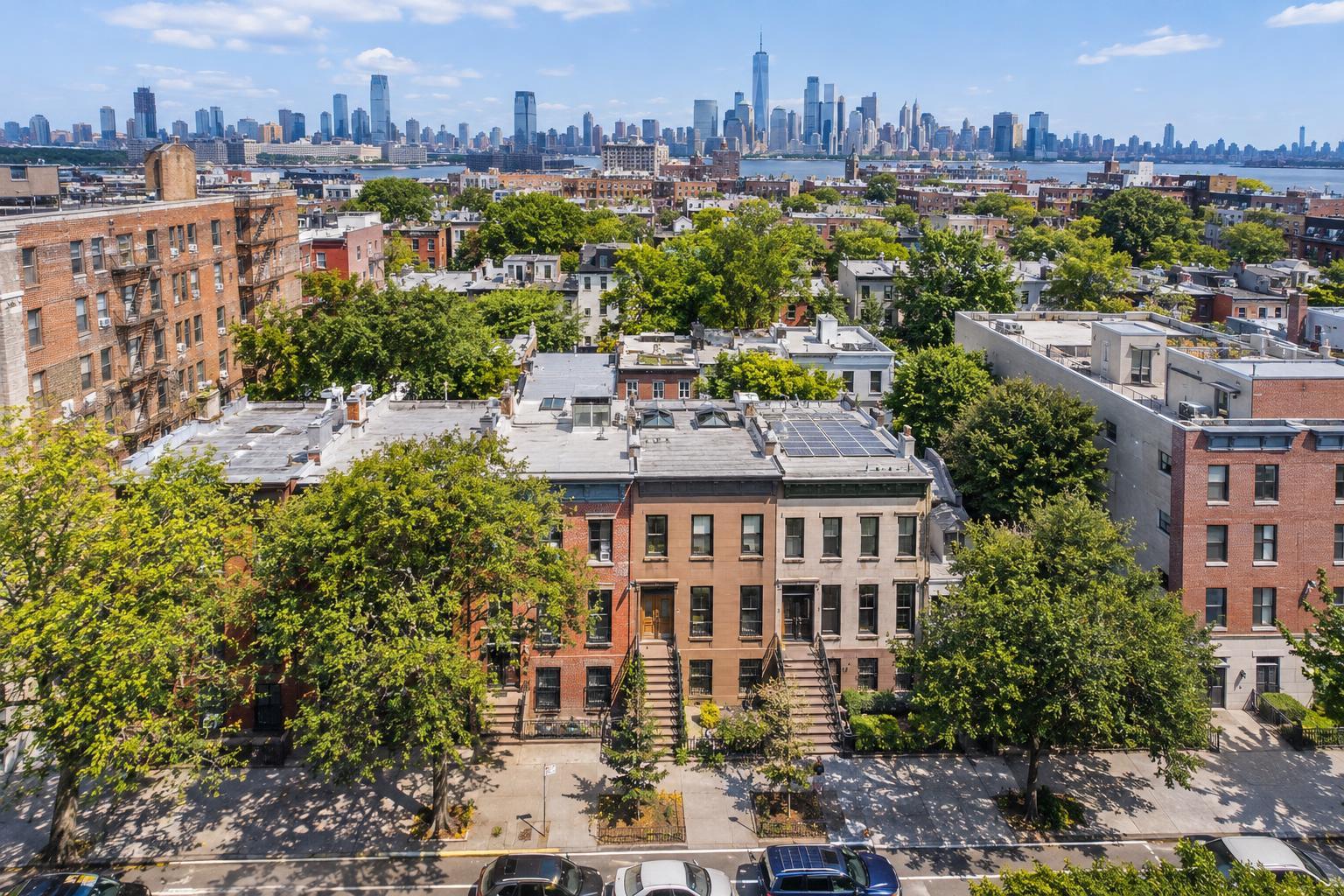
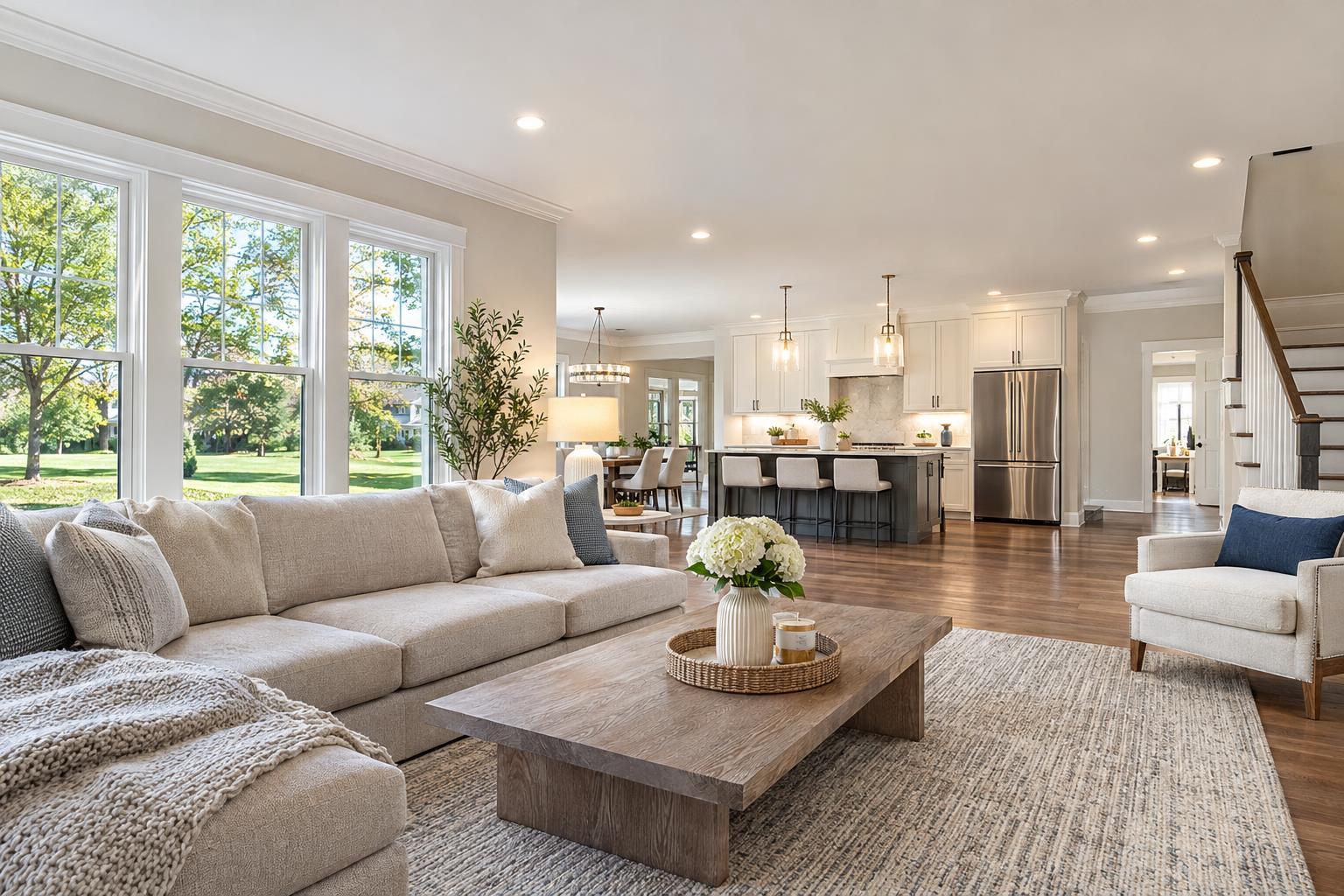
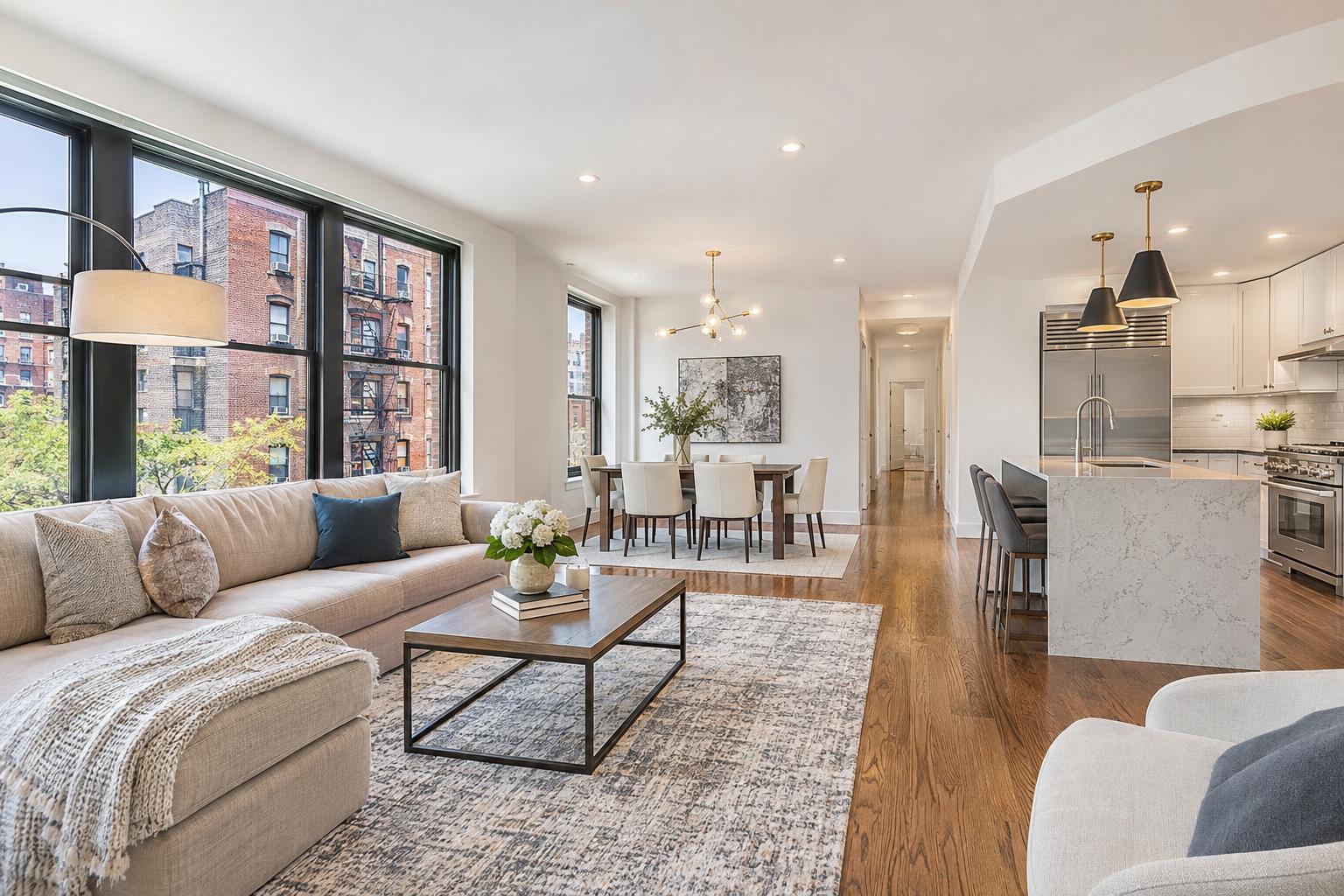
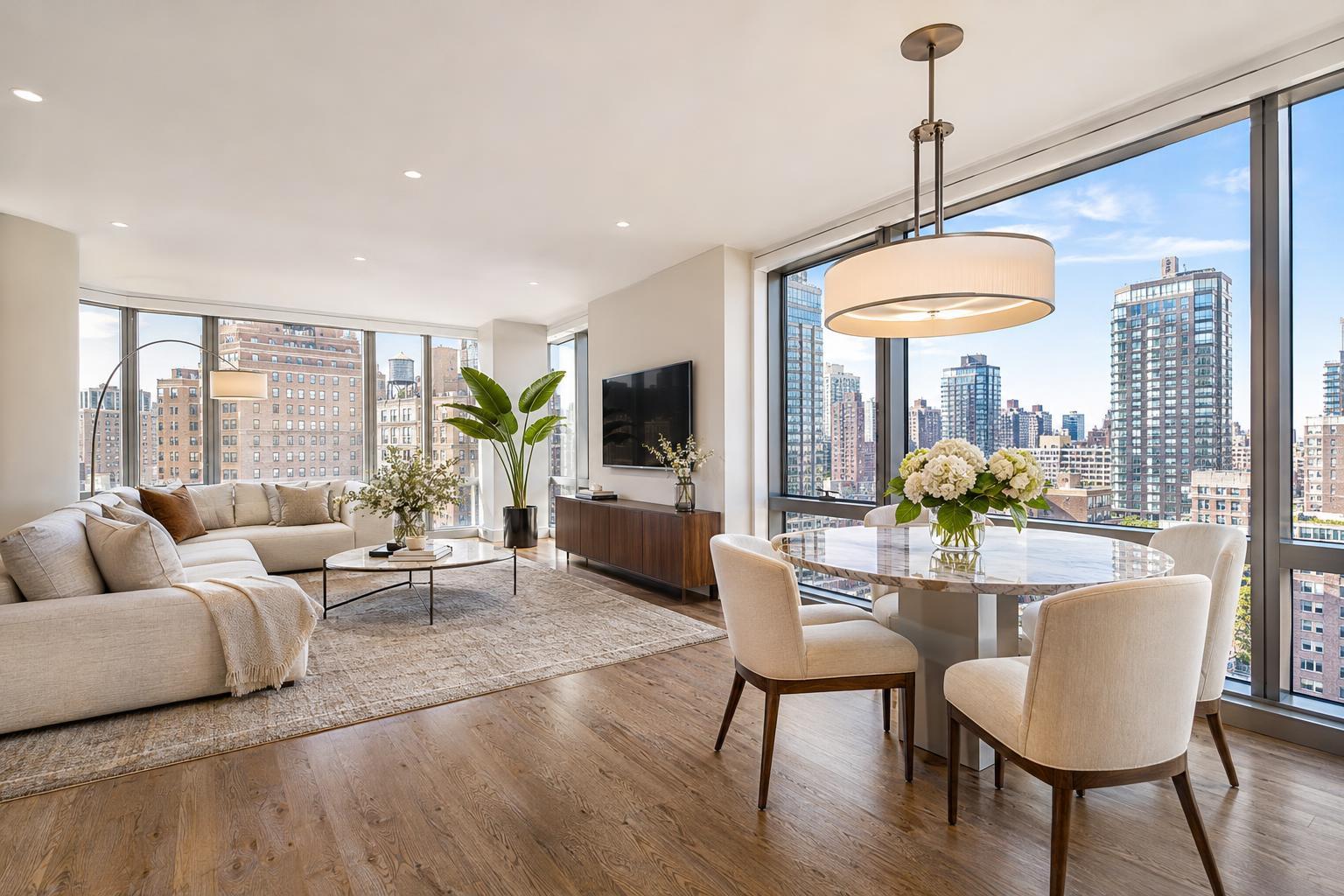
Luxury real estate photography captures a spacious, elegantly furnished living and dining area with floor-to-ceiling windows offering stunning city views.

What to Look for in Luxury Real Estate Photography for NYC and New Jersey Listings
Luxury real estate photography in NYC and New Jersey is far more than taking a set of attractive images. For agents, brokers, developers, and property owners, the right photography provides a window into a property’s true character—helping potential buyers understand scale, flow, unique features, and overall atmosphere before ever stepping through the front door. If you’re preparing a high-end listing, spotting the difference between routine photos and true luxury real estate photography can transform your marketing results.
Beyond More Photos: Why Thoughtful Approach Matters
While standard real estate photos focus on quick documentation, high-end property photography takes a more considered approach. The point isn't simply to show every room, but to answer subtle questions about how a home feels and functions:
- How does natural light shift through a Manhattan apartment’s living space?
- Can viewers see both the striking interior and the skyline, garden, or waterfront beyond the windows?
- Does a Brooklyn brownstone’s original millwork, parlor, or staircase truly stand out?
- Do images of a New Jersey estate convey the real scale of a grand foyer or outdoor entertaining area, without exaggeration?
A luxury property’s strongest features—custom finishes, dramatic views, or one-of-a-kind design elements—are best showcased with images that feel honest yet aspirational. The image set should flow intuitively, presenting the home’s story in a way that’s engaging and credible, not scattered or redundant.
Composition: The Difference Is in the Framing
One of the quickest giveaways of premium real estate photography is composition. A seasoned luxury real estate photographer never leaves visual emphasis to chance. The architecture, special materials, and connections between spaces all demand a thoughtful approach.
For example:
- Manhattan pre-war apartments may require compositions that highlight tall windows, classic moldings, or the sweep between formal and casual areas.
- Brooklyn brownstones often shine when their depth, woodwork, or seamless connection between parlor and garden are the focus.
- Larger New Jersey properties benefit from images that clarify the relationship between indoor and outdoor living, the breadth of social spaces, and the quality of finishes over mere square footage.
Key traits of strong composition include:
- Keeping vertical lines straight so rooms don’t feel warped
- Choosing camera positions that add presence without artificial exaggeration
- Keeping rooms visually calm—using negative space to avoid clutter
- Making intentional choices in what to frame and what to leave out
Care is especially important with wide-angle lenses, which are useful for showing room size but can easily distort proportions of both the architecture and the furnishings. Luxury buyers, in particular, expect images to feel both generous and believable.
Lighting: Balancing Natural Views and Interior Atmosphere
Many NYC and New Jersey luxury listings revolve around the views—Central Park, skylines, tree-studded streets, water, or landscaped grounds. But high-end photography recognizes that preserving both the exterior view and the interior’s mood is essential. If windows are blown out entirely, a major feature is lost. But overly dark interiors can also feel uninviting.
Effective luxury real estate photography strikes a balance. It ensures that important exterior details are visible wherever possible, without sacrificing the appeal of the interior space. Daylight, evening glow, and even subtle changes in weather or time of day can all play a role in capturing each room at its best.
In practice, this balanced approach is critical for:
- High-rise condos with panoramic views
- Homes with large windows or glass doors looking onto special scenery
- Waterfront properties or estates with extensive outdoor amenities
- Any listing where light, comfort, and the sense of “place” are a selling point
A knowledgeable photographer will also know when to give the exterior view center stage, and when to let the architecture or interior decor take priority.
Color: Trustworthy Editing for Premium Materials
Luxury finishes—stone, marble, wood, custom paint—are quick to betray sloppy editing. Over-processing can turn white walls strange colors, make wood look unnatural, or wash out carefully chosen details. Excellent property photography keeps colors accurate and consistent, room to room, especially for neutral palettes and natural materials.
Professional editing polishes minor flaws and unifies the series without overdramatizing. Consistency across every image reassures viewers that what they see online will match the real thing.
Smart agents, brokers, and owners will always check samples of a luxury real estate photographer’s work, reviewing how they handle:
- White and pale wall colors under different lighting
- Wood, stone, tile, and metal details
- Evening versus daylight scenes
- Artwork and colored decor accents
Details: Enhancing, Not Distracting
High-end real estate often features custom craftsmanship—sculptural lighting, built-ins, bespoke tile, artful hardware, or unique outdoor spaces. Detailed shots are useful for providing context and supporting the larger story, not replacing wide-angle compositions that reveal the home’s layout.
The best property photo galleries select a handful of meaningful details—such as a signature staircase, the veining on a marble island, or restored wood moldings—and use them to anchor a listing’s visual narrative. Overloading the gallery with ornaments or every minor finish, on the other hand, risks making the experience repetitive.
The Crucial Role of Preparation
Even the most skilled photographer can’t create stunning images if rooms are crowded, unfinished, or visually chaotic. Preparation is about removing distractions so the architecture, design, and light can have their intended effect.
Before a luxury photo shoot, consider:
- Clearing personal and everyday items from surfaces
- Removing magnets, mail, and clutter from refrigerators and counters
- Tidying cords, pet items, and visible cleaning supplies
- Opening window coverings where views and daylight matter
- Replacing burned-out light bulbs and matching light temperatures
- Straightening furniture and simplifying surfaces
- Making beds neatly and minimizing visible toiletries
- Ensuring outdoor areas and patios are clear and staged
Styling adjustments can also make a difference. For instance, a sparsely furnished room may need a few pieces added to explain its scale, while crowded spaces usually benefit from simplification. The goal is always a clear, honest representation of each room’s layout and use.
For a practical overview of how to prepare your NYC or NJ listing, you can refer to RealtaSnap’s real estate photography prep guide.
Timing and Logistics: Scheduling for the Best Result
In New York City, logistics matter—building rules, elevator schedules, access restrictions, and service entrances can shape the flow of a shoot. Large New Jersey homes may have multiple buildings, expansive exteriors, or features that are best captured at certain times of day.
Good communication about property access, preparation, and time-of-day needs gives the photographer room to work deliberately. For some spaces, golden hour or twilight images will be especially desirable, while others benefit from even, natural daylight.
Let your photographer know about:
- Building check-in rules and certificate requirements (if any)
- Elevator access, move-in restrictions, or lobby policies
- Whether the property is occupied, staged, or vacant
- Any areas that aren’t ready or are under construction
- Specific outdoor or view-dependent features that deserve priority
- Spaces that look best in morning, afternoon, or evening light
- Availability of roof decks, terraces, garages, or amenities that should be included
Consistency and Cohesion: Evaluating a Full Gallery
The mark of a skilled luxury real estate photographer is a gallery that feels intentional from the first image to the last. Look for:
- Clean architectural lines, especially around windows, cabinetry, and built-ins
- Balanced images where both interiors and views are treated thoughtfully
- Consistent color and lighting throughout the set
- A logical sequence that introduces the home naturally, without excess repetition
- The ability to capture both tight urban apartments and sprawling estates with equal professionalism
Depending on the marketing plan, you may also want to supplement photos with a floor plan or 3D tour. These tools help communicate layout but should complement, not replace, a polished presentation of the home’s best qualities.
Adapting to Property Types: Local Expertise Matters
No two NYC or New Jersey listings present the same visual challenges. A narrow Manhattan condo, a historic brownstone, a Jersey City loft, or a suburban estate in the Garden State each demand different choices in composition, timing, and storytelling. A great photographer recognizes when the focus should be on craftsmanship, panoramic views, neighborhood lifestyle, or the sweep of a well-designed floor plan.
Agents and owners who value accuracy and polish should select a photographer who truly understands the region’s architecture and buyer expectations, never pushing every listing into a rigid template.
If you’re preparing to market a high-end property in NYC or New Jersey, RealtaSnap offers clean, accurate, and listing-focused media specifically for these markets. For more details or to explore available services and booking, visit RealtaSnap’s home page.
FAQ
Question: What separates luxury real estate photography from regular listing photography?
Answer: Luxury photography focuses on honest composition, accurate color, architectural clarity, and careful lighting balance. The intent is to reveal a property’s true character and value, not just fill a listing with photos.
Question: How should I prepare my property before a luxury photo shoot?
Answer: Prioritize removing clutter, personal items, and visual distractions from each space. Double-check lighting, surfaces, and outdoor areas. Consider a walkthrough with your photographer to identify anything that could detract from the architecture or finishes.
Question: Do I need just photos, or should I consider video and 3D tours for my luxury listing?
Answer: Photography is usually the foundation of any high-end property listing. Video and 3D tours (such as Matterport) can add movement and spatial understanding, especially for larger or uniquely laid out homes. The best choice depends on the property and how you want buyers to experience it.
Ready to showcase your NYC or New Jersey property? Learn more and schedule online at www.RealtaSnap.com.