How Drone Photography Is Transforming Real Estate Marketing in NYC
Drone photography captures an aerial view of NYC, showcasing the skyline and Central Park surrounded by tall buildings.

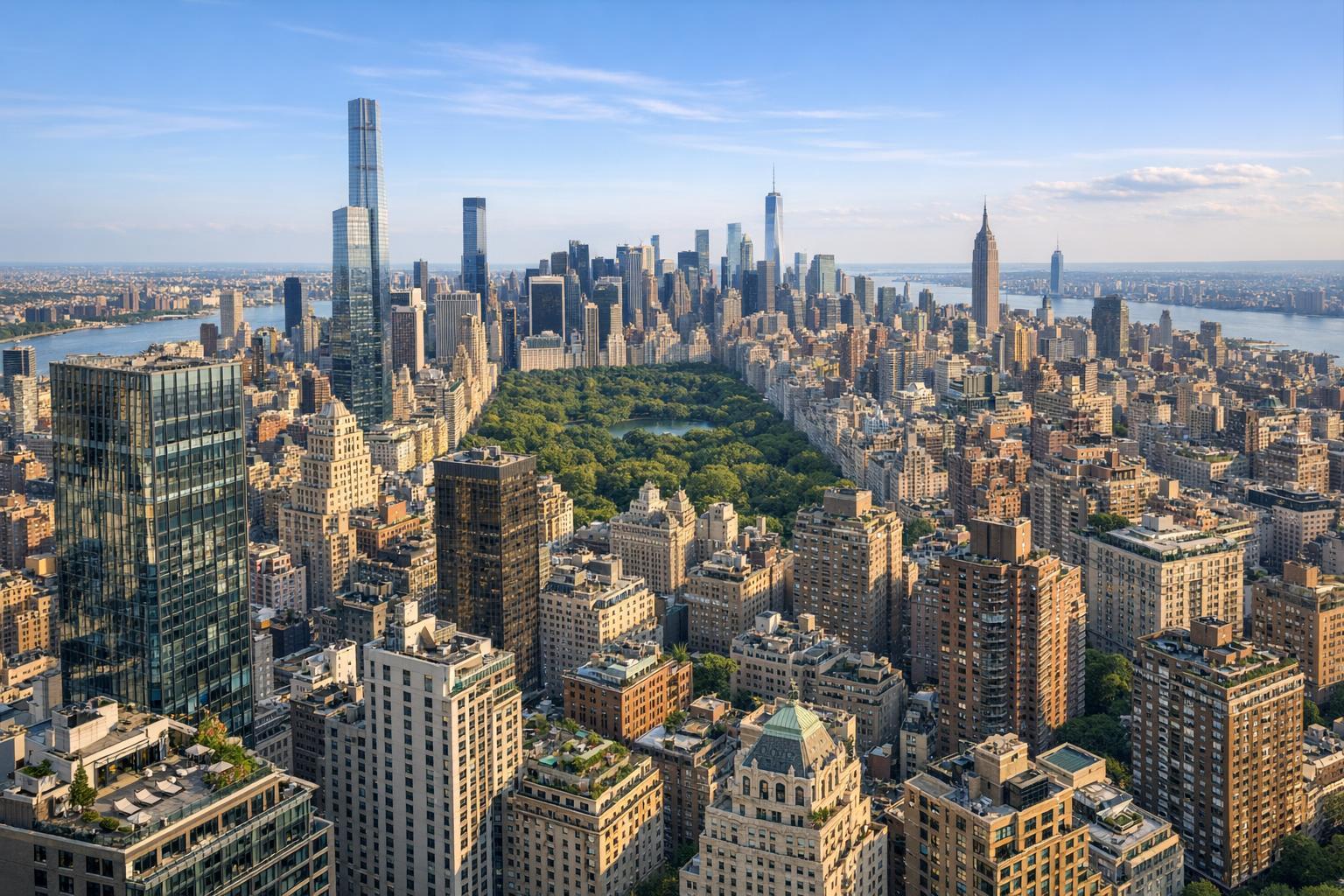
How Drone Photography Is Transforming Real Estate Marketing in NYC
Drone photography in NYC is quickly becoming a must-have asset for real estate professionals who want their listings to stand out. With New York City’s dramatic skyline, riverfronts, historic avenues, and dense neighborhoods, traditional interior shots only tell part of the story. The aerial perspective provided by drone photos and video reveals details, context, and wow factor that are impossible to capture from the ground.
By harnessing the power of drone media, agents and sellers give buyers a broader, more accurate sense of what a property truly offers—from outdoor amenities and building scale to proximity to prized city features. In a market as visually dynamic as NYC, drones don’t just create a “nice to have” hero image; they shape the narrative in ways that drive interest and engagement.
The Unique Impact of Aerial Imagery on NYC Listings
Standard listing photos—showcasing interiors, finishes, and room layouts—remain a staple of real estate marketing. However, these images rarely capture a property’s setting or its connection to the city beyond four walls. That’s where aerial photography excels.
Elevated visuals can highlight:
- Spacious roof decks, landscaped gardens, pools, and driveways
- The building’s architecture and its position on the block
- Distances to parks, waterfronts, and iconic city landmarks
- The relationship between a home and neighboring structures
- Private courtyards and outdoor entertaining spaces
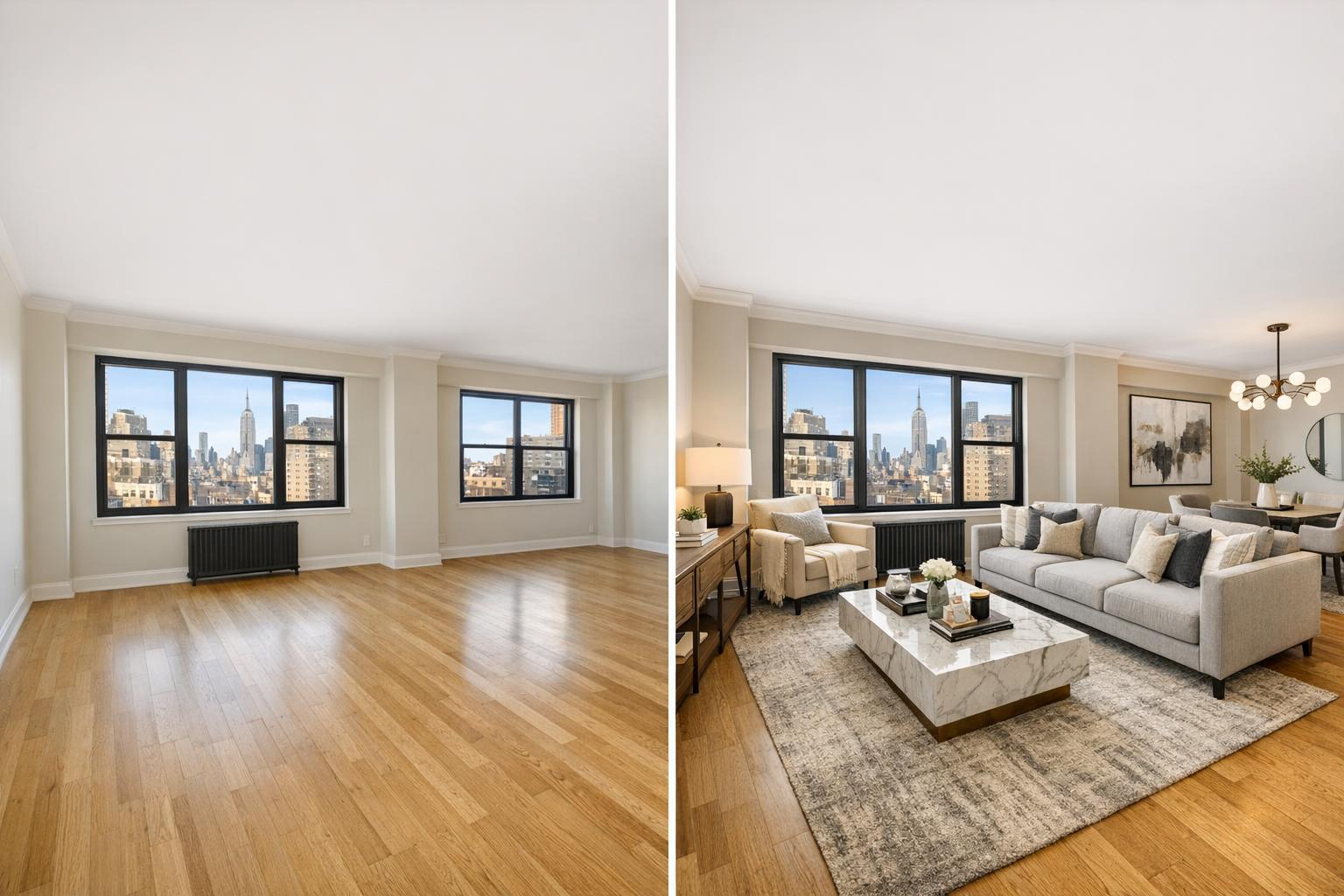
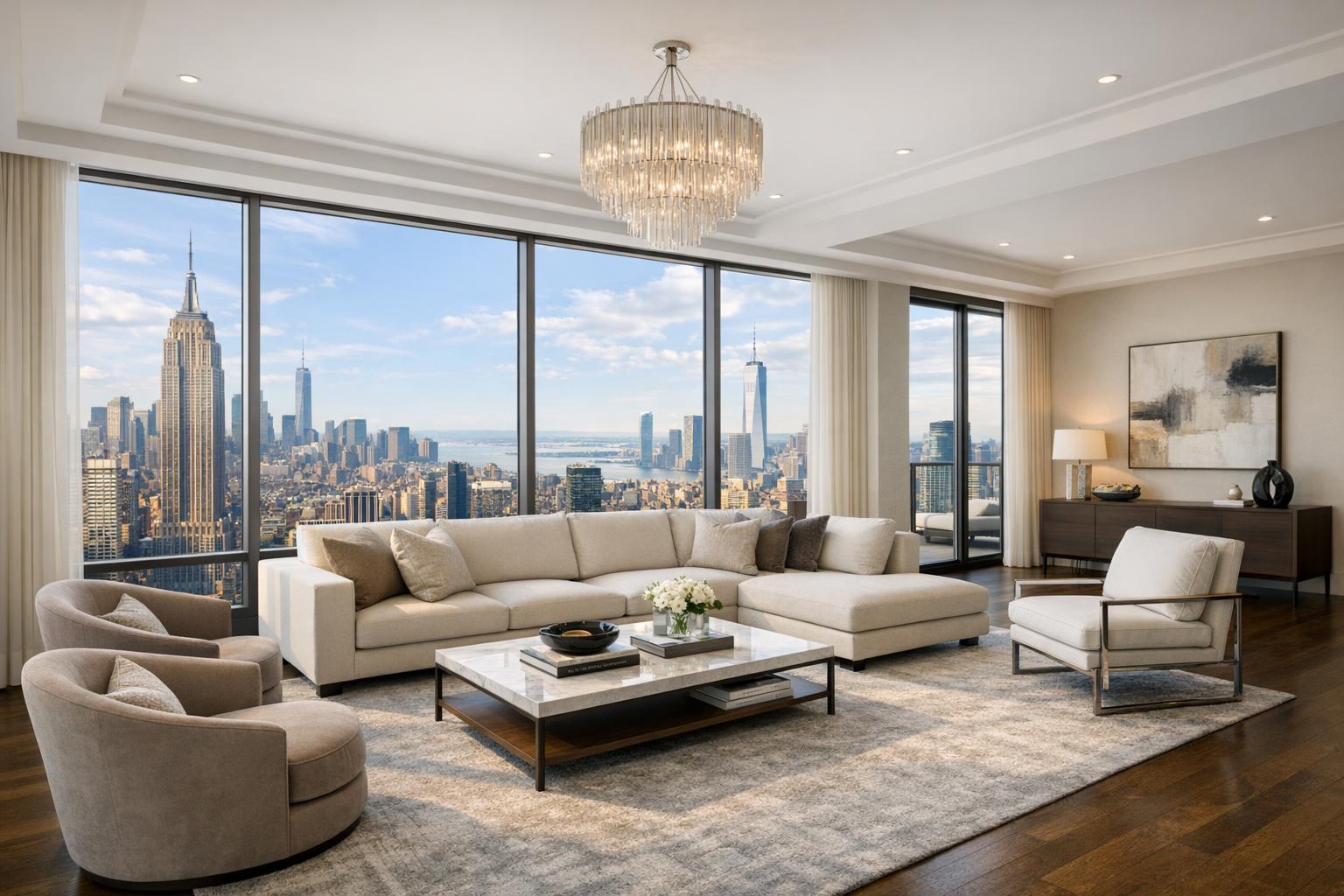
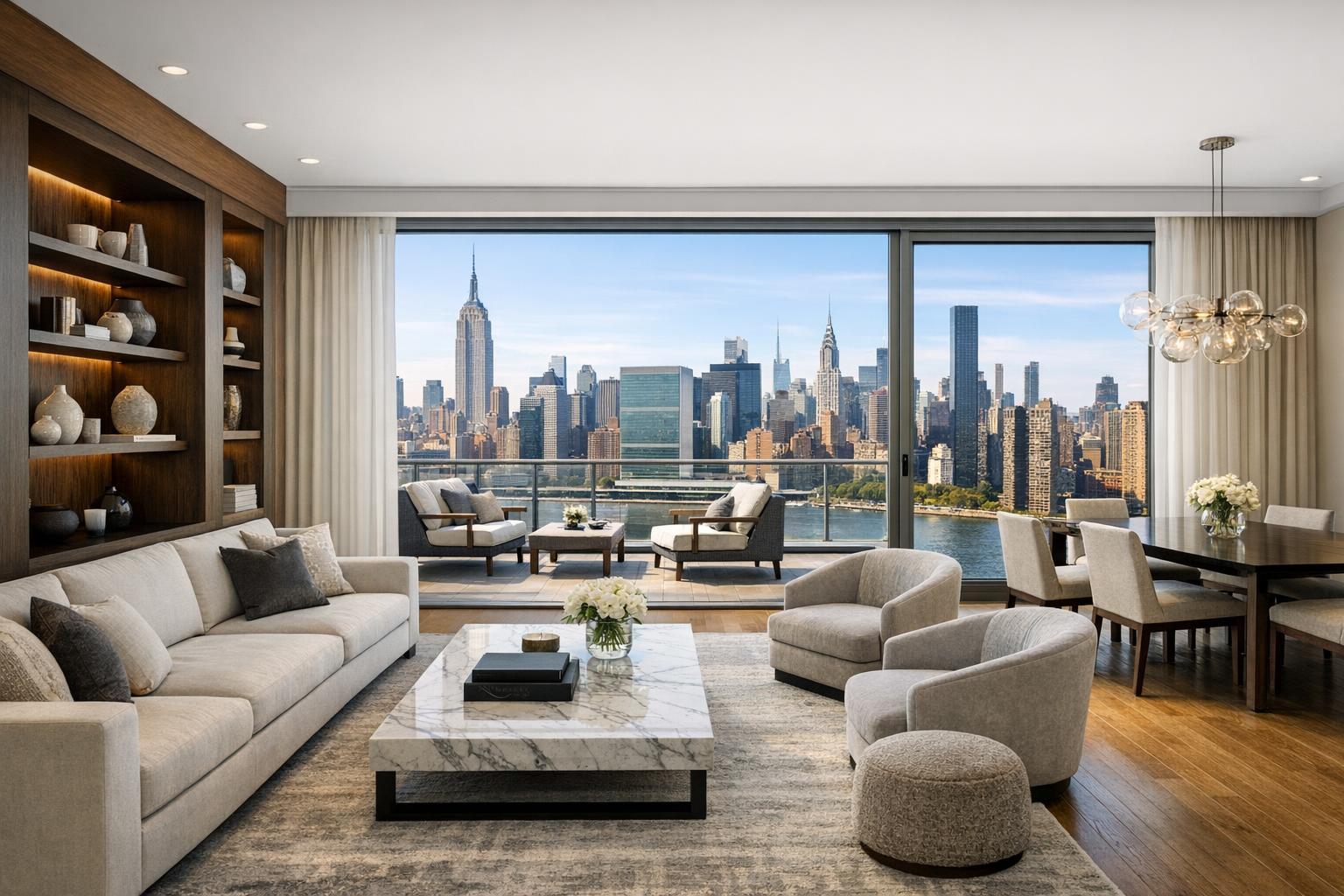
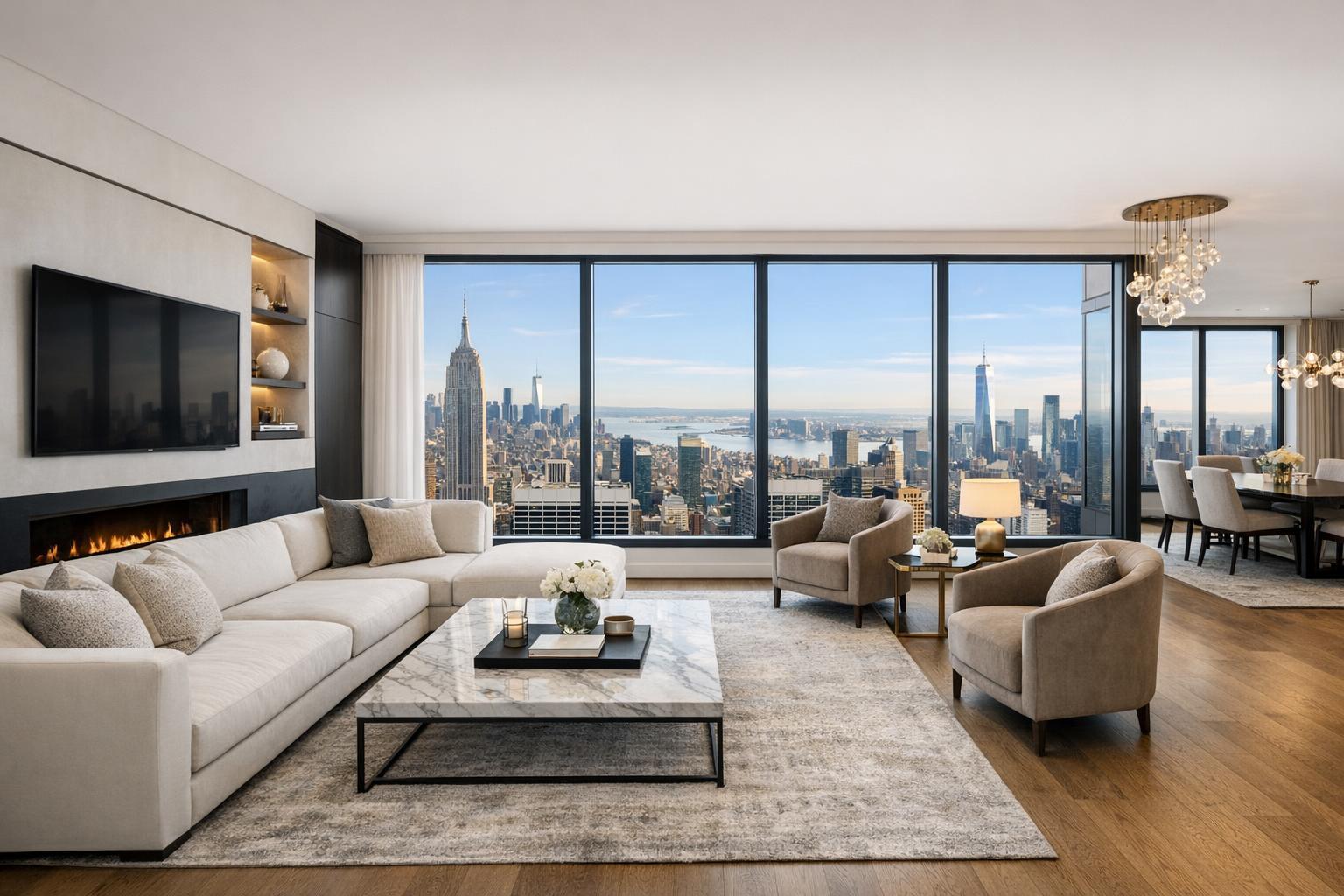
A photo from street level tells you a penthouse has a terrace; a drone image shows you how that terrace frames the Manhattan skyline. An exterior shot may highlight curb appeal, but an aerial view could reveal a lush backyard retreat tucked behind the home or a unique proximity to Central Park. These details can be decisive for buyers hungry for both lifestyle and location.
Rather than replacing classic real estate photography, drone media works best as an enriching layer—one that effectively bridges the gap between interior features and neighborhood context.
What Drones Capture That No Other Tool Can
Thoughtful drone footage doesn’t just float above a property for the sake of novelty. It’s most compelling when planned around genuine selling points.
Demonstrating Scale and Layout
For homes with generous outdoor areas, irregular lot shapes, or multiple structures, aerial photography is the only practical way to communicate layout. This includes:
- Corner lots and properties with detached garages or long driveways
- Commercial spaces with parking zones or loading docks
- Estates with pools, patios, or sports courts
- New Jersey homes on sizable lots, where relationship to the land matters
- Urban rooftops, terraces, and hidden green spaces
Whether clarifying acreage in Brooklyn or showing how a courtyard opens onto a bustling NYC street, drone imagery makes it easier for prospective buyers to grasp spatial relationships they would miss otherwise.
Telling the Location Story—Visually
Location remains central to every real estate pitch, but claims in text only go so far. With a drone, agents can visually present how close a home is to the Hudson River, a city park, a leafy avenue, or the lights of midtown. A well-executed aerial video also allows a slow reveal: moving from city street, past a landscaped entry, and up to the home itself. This dynamic perspective creates a sense of arrival that a single photo cannot.
Showcasing Architectural Details
NYC is a city of fascinating rooftops, ornate cornices, terrace gardens, and historic facades. Some angles and intricate design features are only visible from above or at an oblique angle in the air. Drones are invaluable for new developments, luxury condos, classic brownstones, or historic landmarks where the exterior is every bit as important as the inside.
Which Properties Benefit Most From Drone Media?
Not every listing needs a bird’s-eye view. For compact apartments with minimal exterior space, traditional photography, floor plans, or 3D tours might be more effective. However, drone media is especially compelling for properties with one or more of these standout traits:
- Private roof decks, terraces, or expansive balconies
- Backyards, gated entries, or garden courtyards
- Waterfront, park-adjacent, or skyline-facing addresses
- Architectural distinction or notable building exteriors
- Homes with substantial grounds or dramatic approaches
- Mixed-use, commercial, or multi-family properties with exterior amenities
A good rule for agents: if the exterior or location sets your property apart, a drone can help buyers see and appreciate that difference before they ever schedule a tour.
Photo or Video? Selecting the Right Aerial Format
Both aerial stills and drone video play unique roles in marketing.
- Aerial photos are ideal for listing galleries, print materials, and social media. They serve as strong hero images and blend seamlessly into other marketing collateral.
- Drone video introduces movement, helping buyers visualize the approach to a home, the transition from cityscape into private space, or a dramatic outdoor feature in context.
Combining interior and aerial video unlocks the most immersive narrative. For example, a property film might open with sweeping drone shots, then guide viewers inside. With RealtaSnap, agents can customize the blend—selecting photo, video, or both depending on what suits the property best.
Best Practices: Preparing Your Property for a Drone Shoot
Aerial photography is about presenting your property in its best light, literally and figuratively. Preparation is key. Before the drone arrives, take these steps:
- Remove trash bins, hoses, construction materials, and any clutter from outdoor areas
- Arrange outdoor furniture with intention and make sure spaces are tidy
- Move vehicles out of exterior shots or park them thoughtfully
- Clean roof decks, terraces, and balconies
- Prune landscaping and sweep patios and walkways
- Coordinate building, roof, or site access with anyone responsible (owners, tenants, management, doormen)
- Share any site restrictions, roof access instructions, and priority features with your photographer in advance
In dense urban NYC neighborhoods, providing roof access can improve both safety and shot variety, making the most of a limited launch space.
Legal and Logistical Considerations for Drone Flights in NYC
Flying drones commercially in New York City is challenging, requiring careful planning. Drone photography is subject to FAA Part 107 regulations, as well as city-specific restrictions, airspace classifications, access conditions, and pilot judgment regarding safety.
Not every property can be flown: various factors—like proximity to airports, skyscrapers, weather, dense pedestrian zones, or special local permits—can make flights impractical. RealtaSnap does not handle permit applications beyond FAA requirements. If your shoot requires special municipal or NYPD permits, clients must arrange these separately.
Open, early communication helps determine feasibility. Share addresses, site access info, and any limitations before scheduling. Every flight’s approval and safety assessment happens on a case-by-case basis.
For more on what’s possible, see RealtaSnap’s drone photography and videography services.
How Much Drone Services Cost With RealtaSnap
RealtaSnap offers several straightforward options for aerial real estate media in NYC and New Jersey:
- 10 HDR drone photos (with blue-sky replacement as needed): $209
- 1-minute final drone video in 4K: $229
- Combined 10 HDR photos plus a 1-minute final 4K video: $299
Pricing covers expertly captured and edited media, and booking is simple—just 24 hours’ notice is required, subject to real-time calendar availability.
Booking Drone Photography: What to Expect
Booking a drone photo or video session is quick and hassle-free:
- Begin at RealtaSnap’s online ordering platform
- Enter your property address and access notes
- Select the drone media service(s) you need
- Add any relevant order notes, choose your date/time from the live calendar, and pay online to confirm
All pricing is upfront. If your property could benefit from a broader marketing package, drone imagery pairs beautifully with professional real estate photography for a full-coverage approach.
Tips for Using Aerial Media Authentically
The best drone media elevates a listing’s story—and doesn’t overwhelm it. Use aerial content sparingly when it adds clear value. Most listings will shine with one or two strong drone images showcasing outdoor space, context, or special features. Save the full gallery for interior and lifestyle photos.
Balance is everything; let the drone footage establish setting and scale, then let conventional photography fill in the rest.
Ready to Show Your Listing From a New Angle?
Drone photography is reshaping the way New York City’s real estate is seen and sold. By providing a bigger picture, literally and figuratively, aerial media draws buyers in and gives listings a competitive edge. With smart planning, preparation, and the right provider, you can transform how buyers connect with your property—before they ever set foot inside.
Learn more or book your aerial session at www.RealtaSnap.com.
FAQ
Question: Can I use drone photography for any property in NYC?
Answer: Not always. Flights depend on FAA rules, local restrictions, site access, airspace considerations, and safety. Some locations simply aren’t flyable, even with permitting. It’s important to check feasibility early in the process.
Question: What steps should I take before my drone shoot?
Answer: Focus on decluttering and tidying all visible outdoor spaces, arrange furniture, remove vehicles and trash bins, and coordinate access with management or tenants. Providing clear roof access can open up more possibilities for compelling drone images.
Question: Should I order drone photos, a drone video, or both for my listing?
Answer: Photos are perfect for listing galleries and marketing materials, while video brings movement and context—especially for properties with impressive outdoor features or architectural distinction. For many, a combination of both provides the most complete story.