Why Professional Real Estate Photography in NYC Sets Your Listings Apart
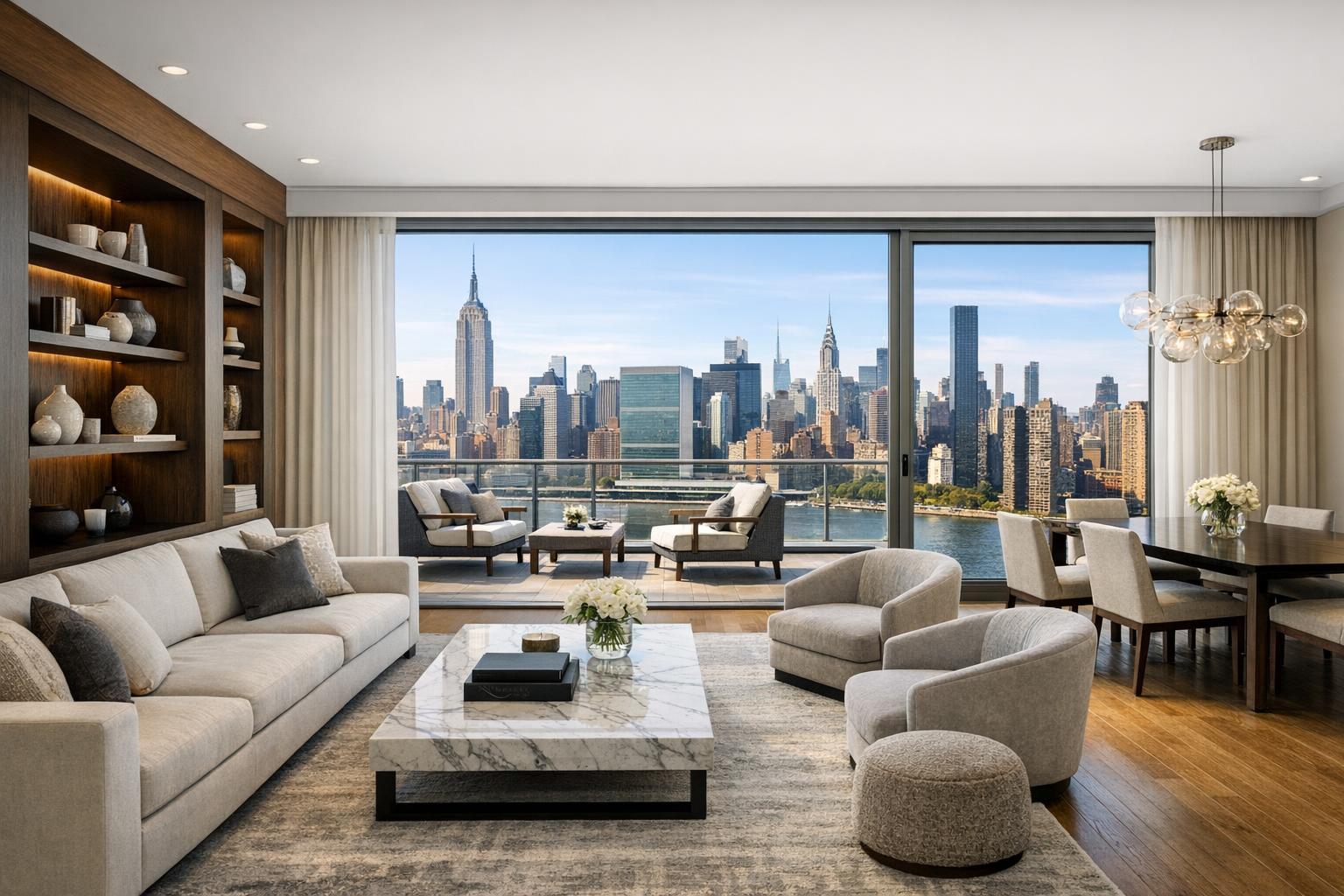
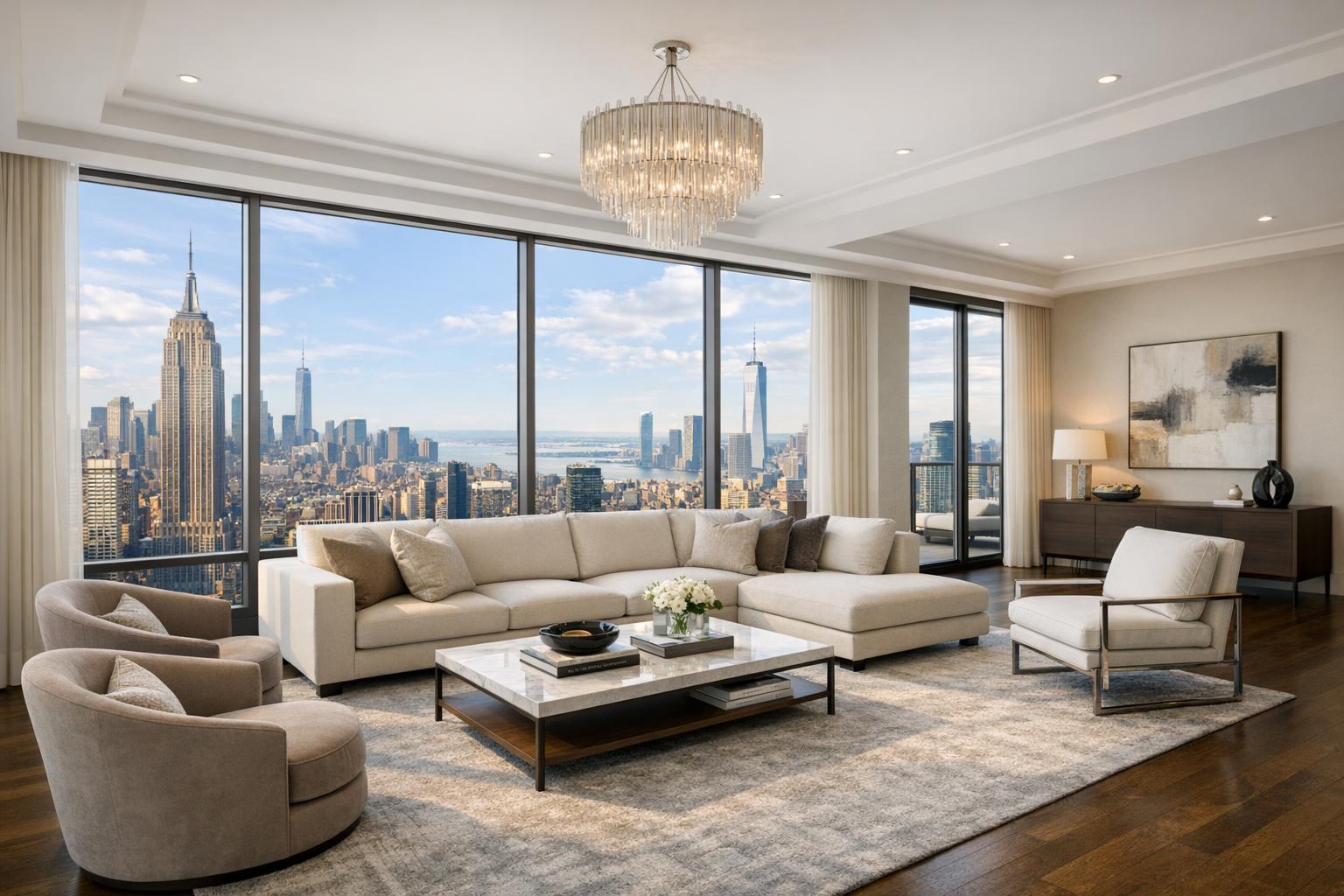
A luxurious New York City living room showcases real estate photography with panoramic skyline views, featuring elegant furnishings and a stunning chandelier.

Why Professional Real Estate Photography in NYC Sets Your Listings Apart
In a city as visually rich and competitive as New York, real estate photography in NYC isn’t just about making a listing look good—it’s about making it truly unforgettable. Most buyers won’t ever set foot through the front door unless the images on their screen ignite their interest first. Whether you’re selling a cozy co-op, a high-rise condo, a heritage brownstone, or a sleek new development, quality photography shapes the story you tell and can mean the difference between a quick showing and a stale listing.
First Impressions Begin Online
Nearly all NYC buyers start their journey online, scrolling through a fast-moving stream of listings. In those first few seconds, your photos need to offer clarity—what’s the light like, how is the space arranged, and can viewers start imagining their own life unfolding in these rooms? It’s not enough for a photo to just show a room; it has to reveal what makes the space special. Is there a striking view? Unique molding? Clever built-in storage? Professional real estate photography captures those distinctions and answers critical buyer questions almost instantly.
More Than Documentation: Why Expertise Matters
Photography for real estate in New York is about capturing more than square footage. It takes an experienced eye to balance the drama of city light through tall windows, the intimacy of a tucked-away bedroom, or the grandeur of a modern terrace. Expert photographers don’t just rely on equipment—they bring deliberate composition and technical skill to every shot.
Light and Mood
Lighting in NYC homes is often unpredictable—one unit might be bathed in southern sun, while another faces neighboring towers or an internal courtyard. Seasoned professionals use advanced methods like HDR (high dynamic range) techniques to harmonize indoor and outdoor light, retaining the texture of brick, the shimmer of parquet, and the true color palette of each room. But high-end editing isn’t about trickery: a good image is always honest about a home’s scale and condition.
Framing Space and Flow
Listing images should be easy for buyers to read. A smartly composed photo not only shows where a room begins and ends, but also how private and public spaces connect. For example, capturing a kitchen’s relationship to the living area or showing both entry and window exposure in a small studio helps buyers quickly orient themselves. Overuse of wide angles can be misleading; professionals use perspective judiciously to show what’s there, not inflate it.
Editing That Respects Reality
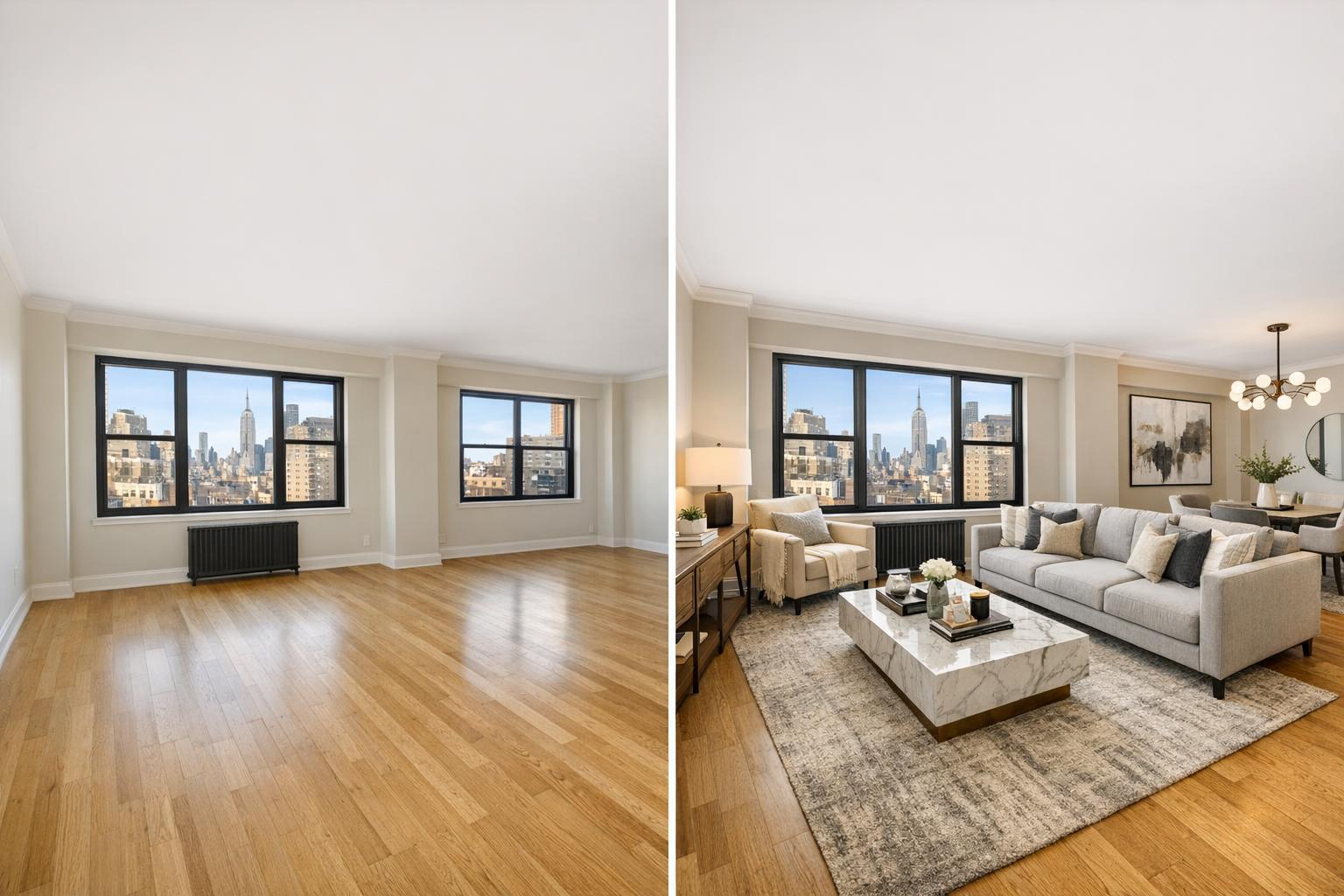
The finishing touches matter. Expert editors reduce distractions, correct exposure, and align architectural lines for a polished but authentic presentation. In vacant spaces, virtual staging can add clarity—helping buyers see how a blank canvas might be transformed. Virtual furniture should always match the space’s personality and only be added once a room is truly empty or decluttered.
Elevating Luxury Listings
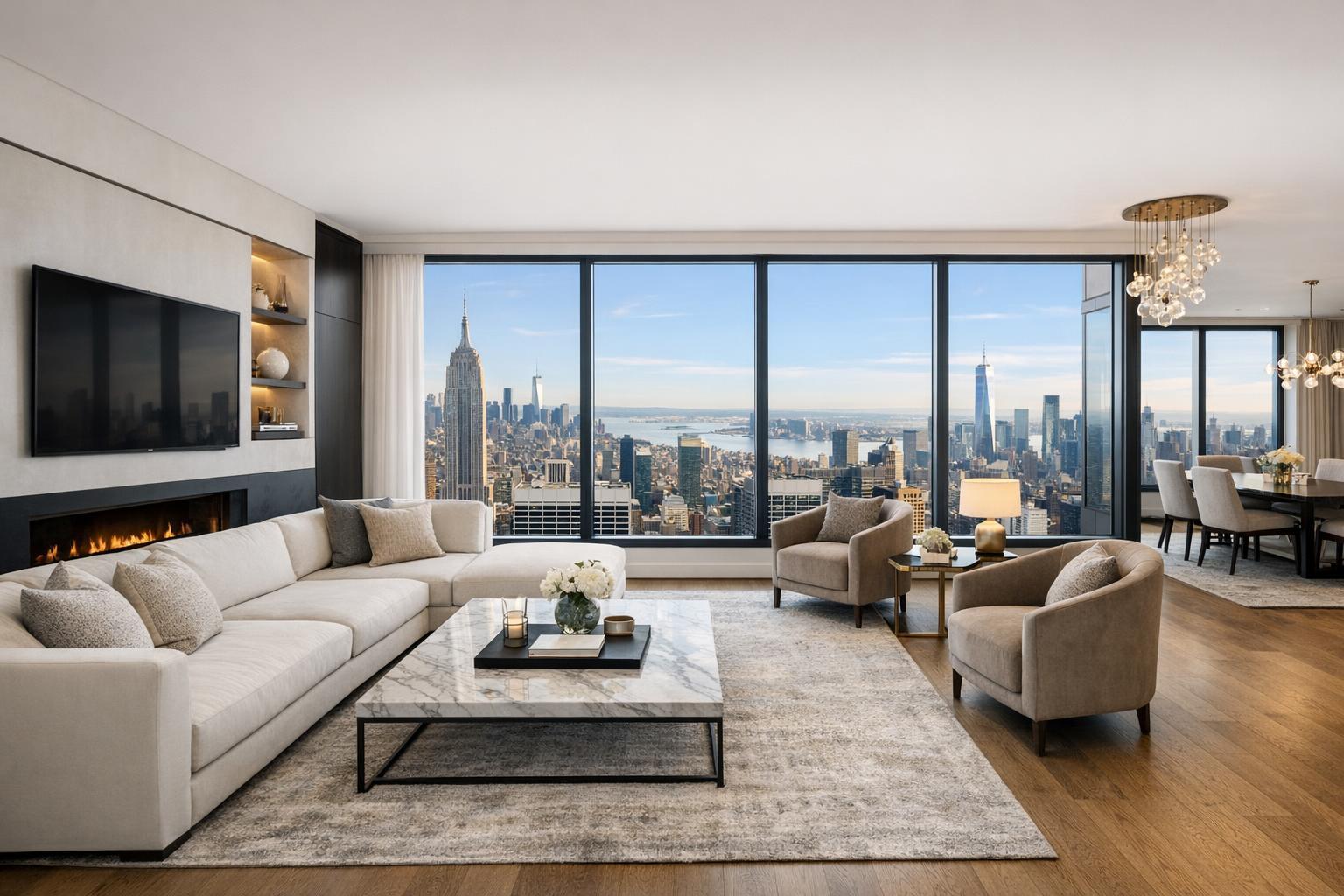
Luxury real estate photography involves restraint and focus, not just dramatic visuals or extreme close-ups. The value in a luxury home might lie in stately prewar fixtures, artisanal tile, soaring ceilings, or access to private outdoor views. Crowded galleries packed with details can overwhelm; a series of sweeping, informative images allows buyers to understand space and appreciate important features without losing context.
Here’s what elevates top-tier listings:
- Hero shots that set the tone for main living spaces
- Clean overviews of kitchens, bedrooms, and bathrooms with finish details
- Tasteful close-ups of unique architectural elements or standout materials
- Outdoor and amenity images when relevant to the buyer experience
- An intuitive order that mirrors the logic of a real-life walk-through
Effective luxury photography builds desire without disguising a property’s authentic identity.
Matching Media Coverage to the Property
Not every home needs dozens of images. A well-composed gallery for a one-bedroom on the Upper East Side might only require photos of the entry, main living zone, kitchen, bedroom, and bathroom. In contrast, a townhouse or new development needs broader coverage: exteriors, multiple floors, amenity spaces, and outdoor retreats.
Before scheduling a shoot, consider:
- What will matter most to potential buyers?
- Are there unique storage solutions or architectural features to highlight?
- Would an amenity, such as a rooftop or gym, add relevant context?
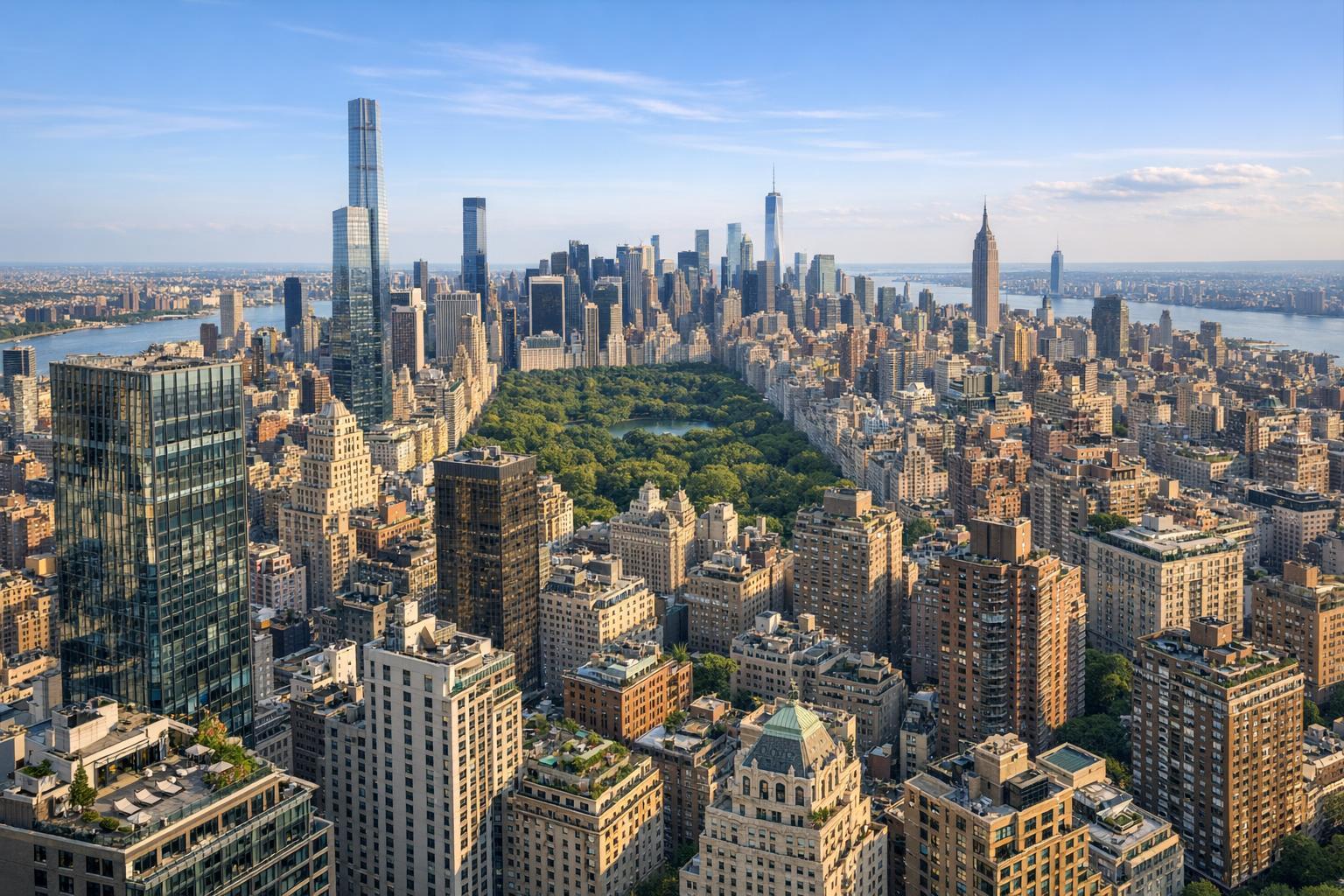
If your property has an unusual layout or significant outdoor space, complementing your photo gallery with an advanced floor plan or 3D virtual tour helps buyers grasp flow and proportion. Drone photography can add impactful visual context for select homes, though it’s subject to urban airspace, safety, and access rules.
Preparing for a Successful Shoot
Photography produces the best results when a property is photo-ready. Before your appointment, ensure spaces are clean, clear, and staged to show their potential. Here’s a quick checklist:
- Hide personal items, excess cords, pet accessories, and countertop clutter.
- Straighten bedding, cushions, and chairs; replace burnt-out bulbs.
- Let in daylight by adjusting blinds or curtains.
- Move vehicles if exteriors are on the shot list.
- Provide building or amenity access details in advance.
- Inform the photographer of hidden features like motorized shades or custom storage.
If certain rooms are off-limits, decide ahead of time; last-minute changes can slow down the process and compromise the result. For more preparation tips, visit the RealtaSnap photography preparation guide.
Choosing a Real Estate Photographer: What to Ask
Not all photographers are created equal—or specialize in real estate and architectural imagery. As you compare portfolios, look for consistency across different property types and lighting conditions. Ask these practical questions before booking:
- Is real estate the primary focus of their work?
- Do they use advanced photographic and editing techniques suited to architectural interiors?
- How many images are included, and does the package fit your property’s needs?
- Are virtual staging, floor plans, or drone photos available if required?
- Who handles on-site logistics and building permissions?
- Can they adapt to special requests or unique elements of your listing?
A strong provider, like RealtaSnap, will make the process seamless while giving you the flexibility to craft the right media mix for your goals.
RealtaSnap: Flexible, Local Expertise
Serving all five NYC boroughs and New Jersey statewide, RealtaSnap offers a range of professional property photography packages, starting at $149 for 10 images and scaling up to comprehensive 50-photo sets. That means you can choose just the coverage you need—nothing more, nothing less. Add-ons like virtual staging, twilight photography, and clutter removal let you tailor every listing to its audience.
Booking is simple and transparent. You can schedule a shoot, enter the address and access info, select your services, and lock in your slot with as little as 24 hours’ notice using the online RealtaSnap real estate photography in NYC portal.
Give Buyers a Clearer Look
Astute sellers and agents know: great photos won’t sell a home single-handedly, but they do give your listing a fair—and often critical—advantage. In a market where decisions happen in moments, authentic, high-impact imagery helps buyers see the best of what’s offered and invest further attention in your property.
To get started customizing your own photo strategy, visit www.RealtaSnap.com.
FAQ
Question: How many photos should I include in my NYC listing?
Answer: The ideal number varies by size, layout, and features. A small studio might need only a concise set of 10 to 15 well-chosen images, while larger homes and amenity-rich condos often benefit from 30 to 50 photos. Prioritize images that help buyers understand the property, rather than repeating similar angles.
Question: Is virtual staging appropriate for all empty listings?
Answer: Virtual staging can be helpful, but it works best when the room is cleaned out or professionally decluttered first. Don’t add virtual furniture over existing items—make sure buyers can still appreciate the actual space.
Question: Can all NYC properties have drone photography?
Answer: Not always. Drone flights in New York City depend on airspace permissions, building access, weather, and pilot discretion. While aerial shots can add valuable context for some listings, not every property will qualify under local or FAA rules.