How Real Estate Photography in NYC Elevates Property Listings and Sells Homes Faster
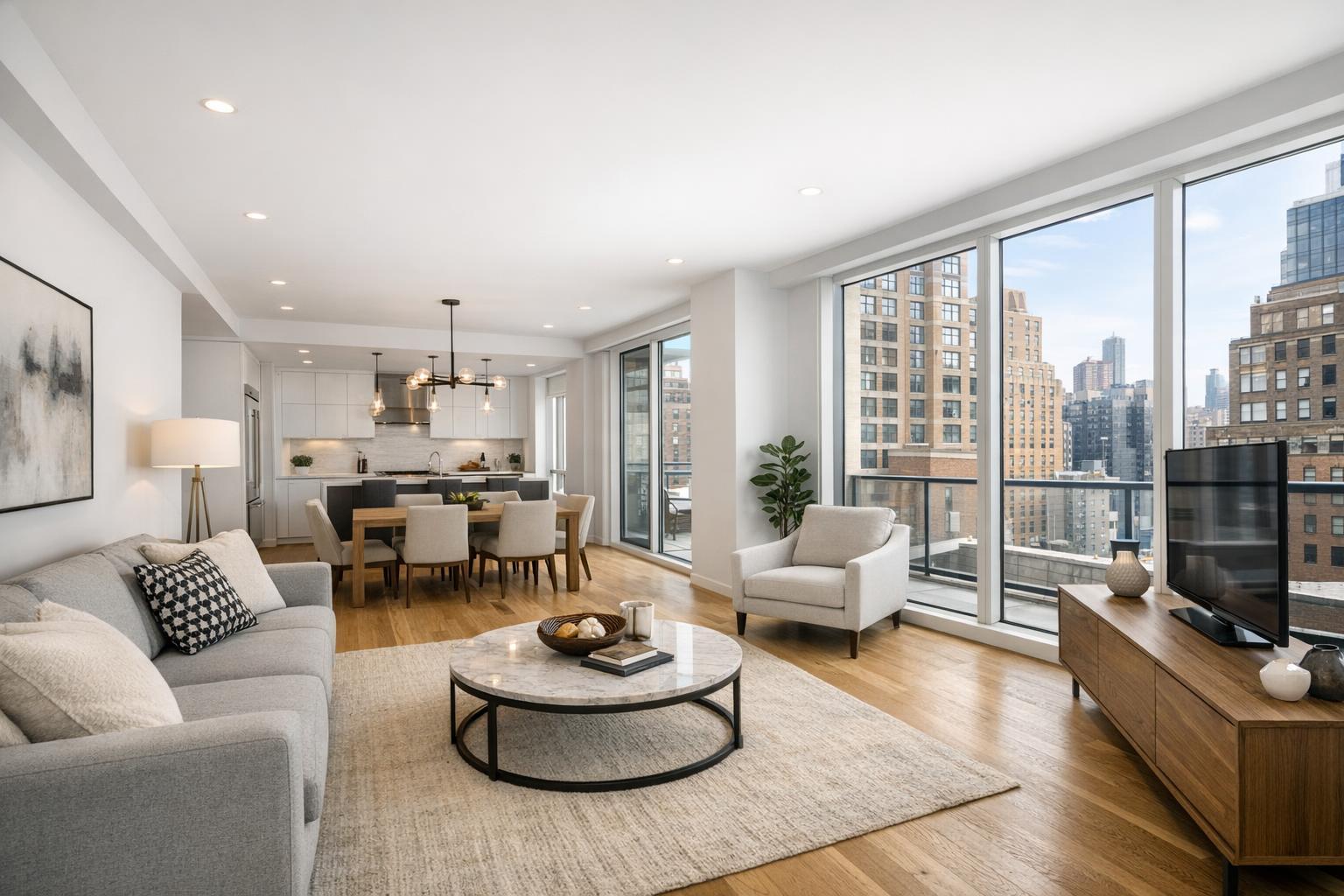
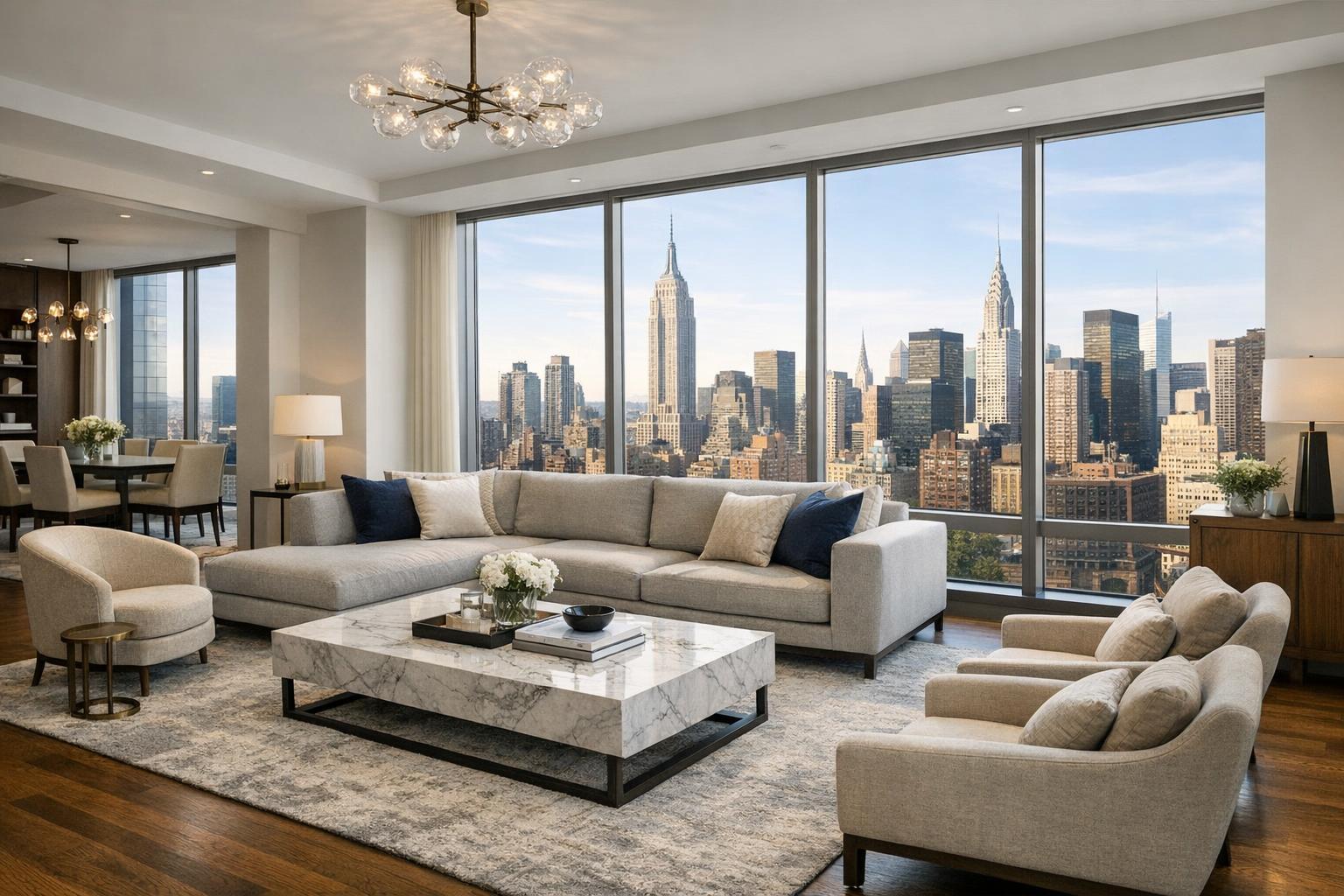
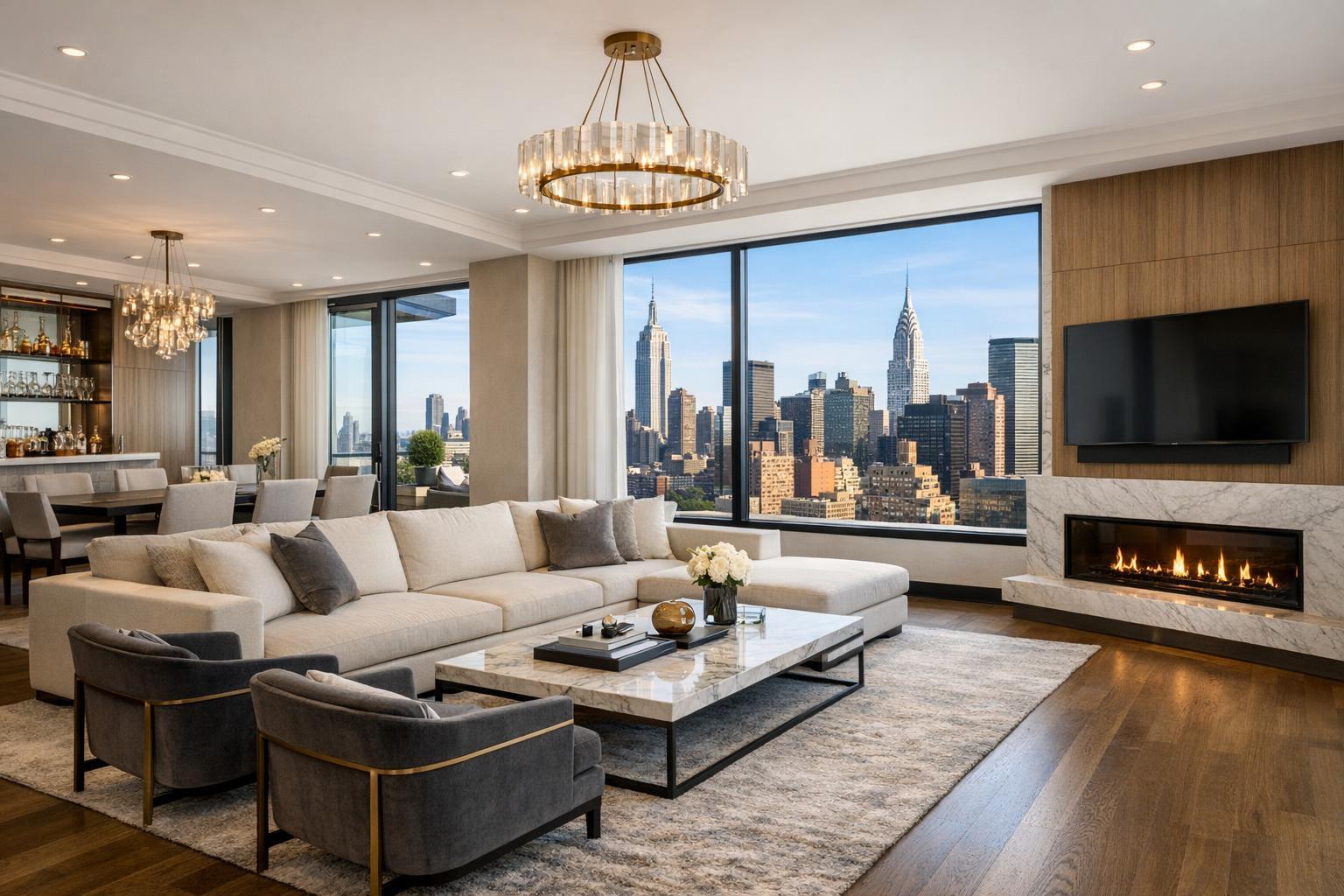
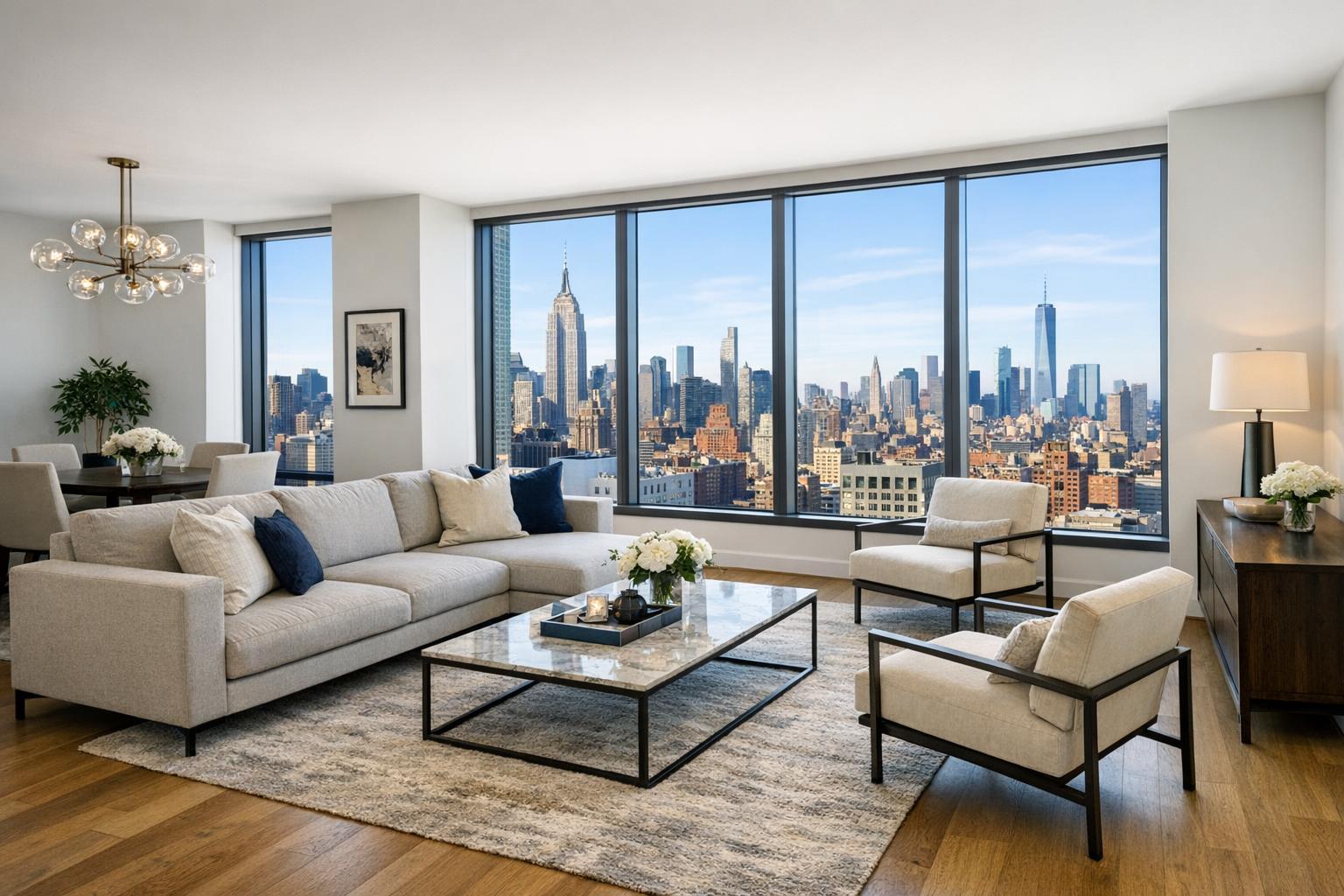
Real estate photography in NYC showcases a luxurious living room with panoramic views of the city skyline through large floor-to-ceiling windows.

How Real Estate Photography in NYC Elevates Listings and Moves Properties Faster
Real estate photography in NYC is more than just taking pictures for a listing. In a market where buyers sift through dozens—even hundreds—of options on their phones before ever scheduling a tour, a property’s photos are often its only shot at making a memorable first impression. Done well, professional real estate media helps both agents and sellers cut through the noise, spotlighting the strengths and unique character of every space.
The NYC Edge: Why Listing Photos Matter Here
New York City real estate is a world unto itself. Each listing might be anything from a cozy studio in a prewar building to a gleaming high-rise condo, a classic Brooklyn brownstone, or a newly renovated loft. Buyers don’t have time to study every pixel. They want clarity fast: What’s the light like? How’s the layout? What makes this place worth seeing?
The right photography package gives viewers real answers:
- Does the living space feel bright, open, or intimate?
- How do rooms connect?
- Are there standout features or views?
- What kind of storage, outdoor space, and architectural details are on offer?
Instead of airbrushed illusions, effective property photography in NYC delivers a clear and honest look—helping prospective buyers quickly decide if the home fits their needs, and allowing serious interest to rise to the top.
How Pro Photography Moves a Listing Forward
Whether you’re an agent, seller, or developer, quality images are foundational to strong property marketing. But more than just looking good, great photos make the whole process faster and smoother for everyone involved.
Lighting the Way
NYC interiors routinely swing from flooded daylight to windowless shadows in the same shot. Pro photographers address this by using techniques like HDR (High Dynamic Range) capture, which balances highlights and shadows. The end result? Details stay visible, windows aren’t blown out, and finishes feel true to life—instead of digitally “flat.”
Lines and Layout That Make Sense
It’s not just about brightness. New York’s eclectic mix of tight bedrooms, grand living rooms, and architectural detail demands careful attention to composition. Crooked walls and odd angles can make a space feel off-balance. A skilled photographer keeps vertical lines true and uses perspectives that naturally guide viewers through the layout, particularly in tight quarters and narrow hallways.
Photo Sets That Tell a Story
A random assortment of room shots doesn’t help buyers get a sense of flow. Effective property photography follows a logical and engaging sequence—starting with wide, inviting spaces, then moving through the kitchen, bedrooms, bathrooms, and details that make the property memorable, such as exposed brick, original woodwork, or a private terrace. Each shot builds a clear, honest narrative, never relying on misleading edits.
Unique Challenges of NYC Listings
Photographing homes in New York comes with quirks and constraints that suburban or rural properties rarely face. Access can involve multiple keys, elevators, strict building rules, or two-minute load-in windows. Bedrooms and baths might be genuinely small. Outdoor space is precious, and residents may be present during the shoot.
Here are a few NYC-specific tips to maximize your listing photos:
- Optimize Small Spaces: Clear floor areas, tidy up surfaces, and remove anything that blocks walkways. Thoughtful furniture arrangement and camera placement can make even compact rooms appear welcoming and functional—without exaggerating their size.
- Showcase Views and Light: A city skyline, garden outlook, or charming street scene is a major selling point, but it’s important to balance exposure so interiors remain vibrant and views are visible (not just blank white windows).
- Prep for Occupied Homes: Declutter kitchens and baths, stow pet supplies, make beds, hide personal items, and open window coverings where it’s appropriate. The goal is not magazine perfection, but giving buyers a clear view of the space itself.
- Communicate Special Instructions: Make sure your agent or photographer has clear access details, elevator codes, and knows about any priority areas to shoot first.
For more prep guidance, visit RealtaSnap’s photo prep guide.
Beyond Photos: When to Add More Real Estate Media
Most listings will start with photography, but extra media can sometimes provide added value—especially for large, unusual, or premium properties.
- Video Walkthroughs: These spotlight room-to-room flow and bring listings to life in a way photos alone can’t. In NYC, this can mean showing how a foyer opens into the living space, or how multi-level townhouses connect.
- Floor Plans: In a market obsessed with square footage, an accurate floor plan helps buyers understand bedrooms counts, how rooms relate, and where that coveted home office might be carved out. Plans must be made on-site; old PDFs or rough drawings aren’t a substitute.
- 3D Virtual Tours: For out-of-town buyers or busy locals, interactive Matterport-style tours allow for independent virtual exploration, supporting fully informed first showings.
- Virtual Staging: When a space is vacant, virtual staging (added digitally) can help show layout potential and increase appeal. For lived-in homes, clutter removal or physical staging is needed before virtual solutions are applied.
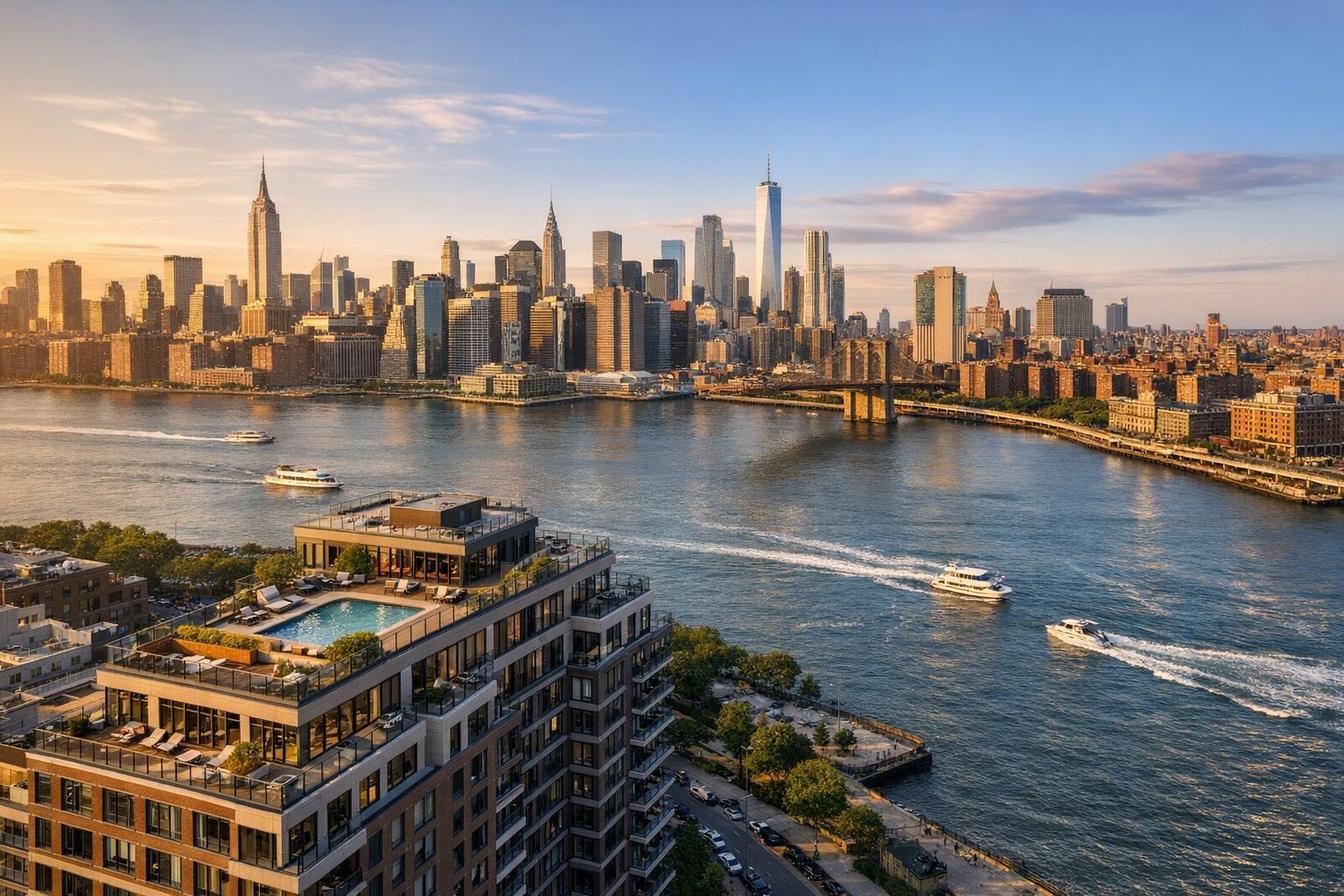
- Drone Photography: Aerial images can spotlight a building’s context, nearby parks, or water views if the location and airspace allow. NYC’s dense environment and aviation rules mean drone flights are handled case by case.
How to Choose a Real Estate Photography Partner
Not all media providers deliver the same quality or experience. When comparing options, look for:
- Work samples showing consistent lighting, true color, and straight lines
- Experience with NYC’s varied properties—apartments, condos, brownstones, and commercial spaces
- Transparent packages and clear deliverables
- Availability of add-ons like 3D tours, video, floor plans, and virtual staging
- Clear prep instructions and communication for building access and custom requests
It’s worth a conversation before booking to clarify exactly what’s included and how they’ll handle your property’s quirks. The right fit should also respect boundaries: photography should show the property honestly, and never digitally invent renovations or create misleading impressions.
RealtaSnap: A Reliable NYC and NJ Photography Service
For agents, property managers, and owners seeking trustworthy, professional photography in New York or New Jersey, RealtaSnap offers a range of HDR photo packages tailored by property size and marketing goals. Choose between 10 and 50-image options, all captured on-site to deliver clear, inviting, market-ready photos.
When your listing needs more, RealtaSnap also provides video, advanced floor plans, Matterport 3D tours, AI virtual staging (for empty rooms), clutter removal, and drone media when appropriate. Every service is planned for real-world properties and NYC-specific challenges, not just ideal conditions.
Ready to book? You can schedule online quickly and securely at www.RealtaSnap.com/schedule.
A Clearer First Impression in a Crowded Market
Great photography doesn’t guarantee faster sales, but it definitely helps your listing grab and hold buyer attention in one of the world’s most competitive real estate markets. By making every image count, agents and sellers empower buyers to make confident, informed decisions—often speeding up the sales process and setting everyone up for a better experience.
If you’re planning a new listing in NYC or New Jersey and want your property to stand out for all the right reasons, explore your options with RealtaSnap’s NYC real estate photography service.
FAQ
Question: How many listing photos does an NYC property really need?
Answer: It depends on the property’s size and layout. Smaller apartments often need 10 to 20 photos, while larger homes or those with unique features might benefit from 30 or more. Aim for complete, non-repetitive coverage that tells the property’s story without redundant shots.
Question: What should homeowners do before a photographer arrives?
Answer: Tidy up clutter, clear surfaces, hide personal and pet items, make beds, and open blinds if comfortable doing so. The cleaner the space, the more effective the photography—helping buyers see the home’s true potential.
Question: Can I get a floor plan from old architectural drawings or past listings?
Answer: For accuracy, professional floor plans require an on-site visit to capture real measurements. Old PDFs and previous listing photos might help as references, but they can’t replace proper physical capture on the day of the shoot.
For more tips, full booking, and real-world examples of polished real estate media, visit www.RealtaSnap.com.