How to Choose a Brooklyn Real Estate Photographer for Your Next Listing
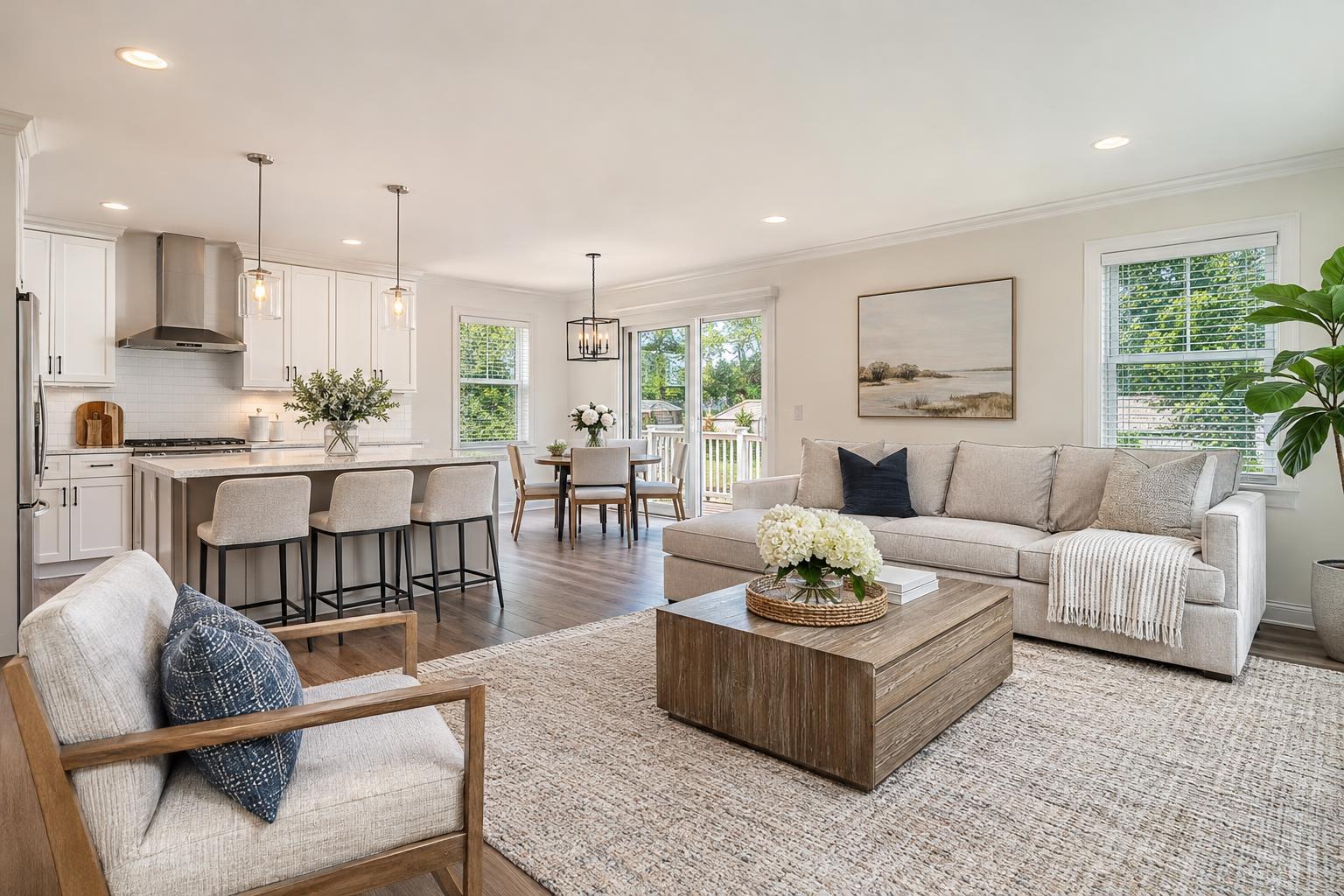
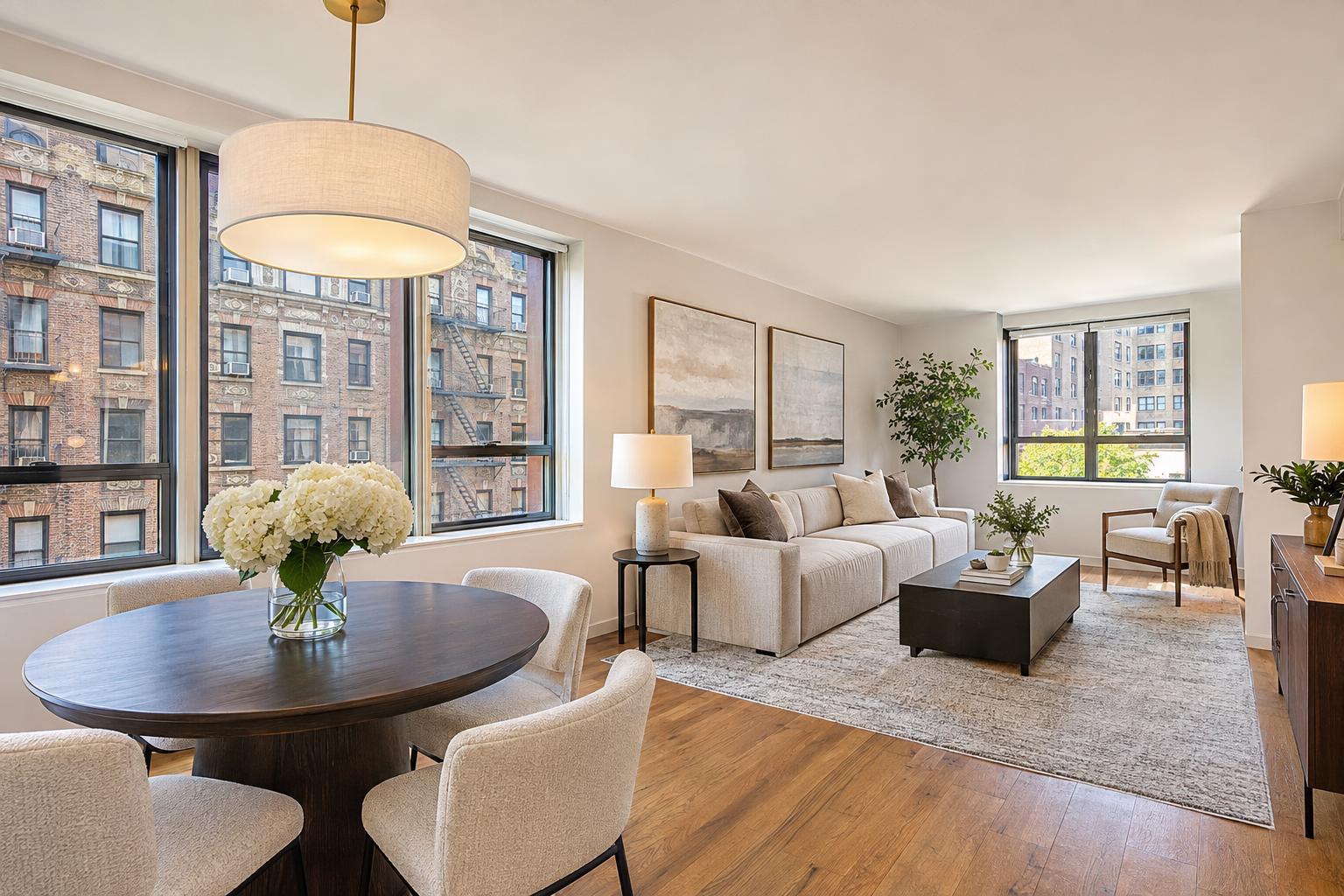
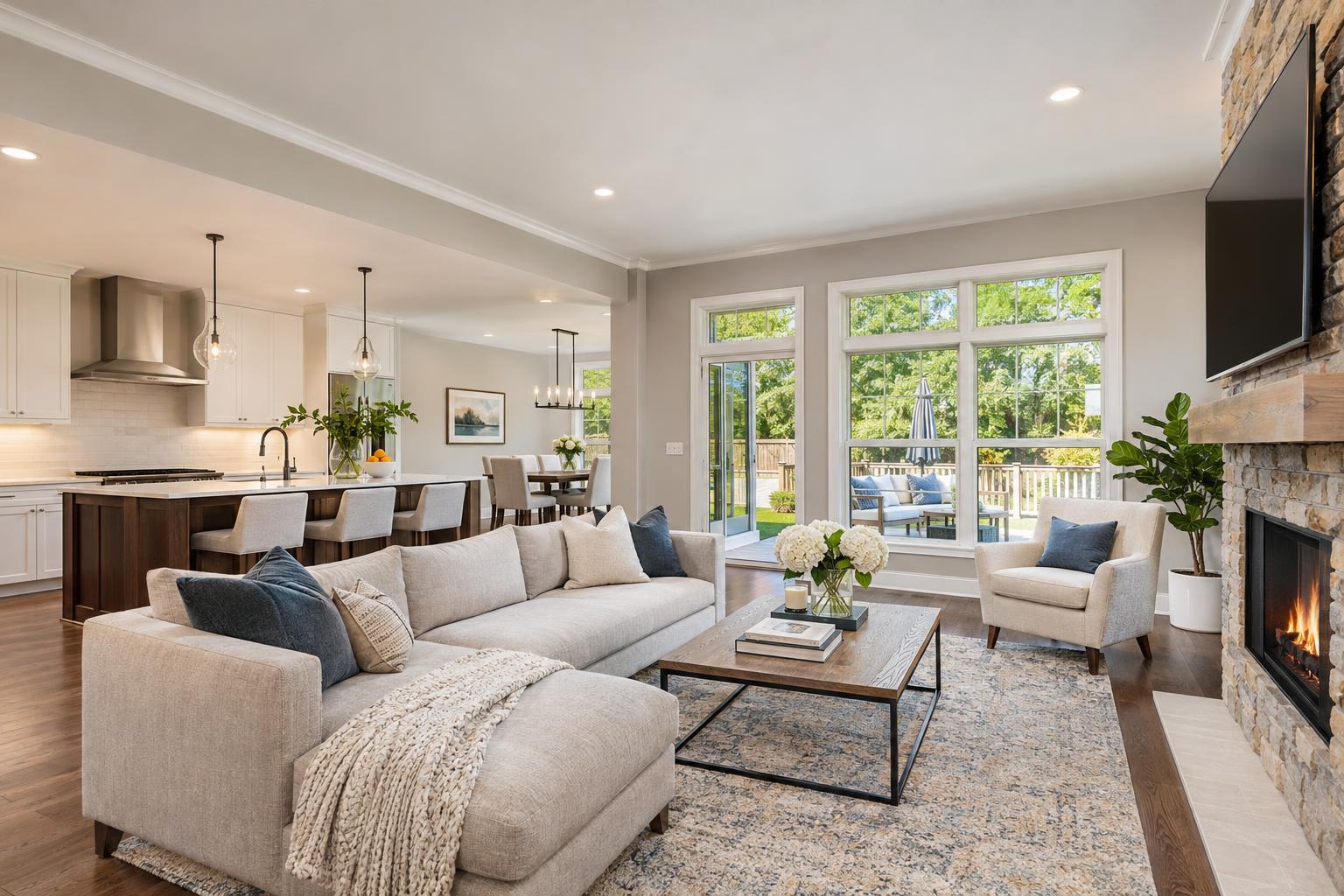
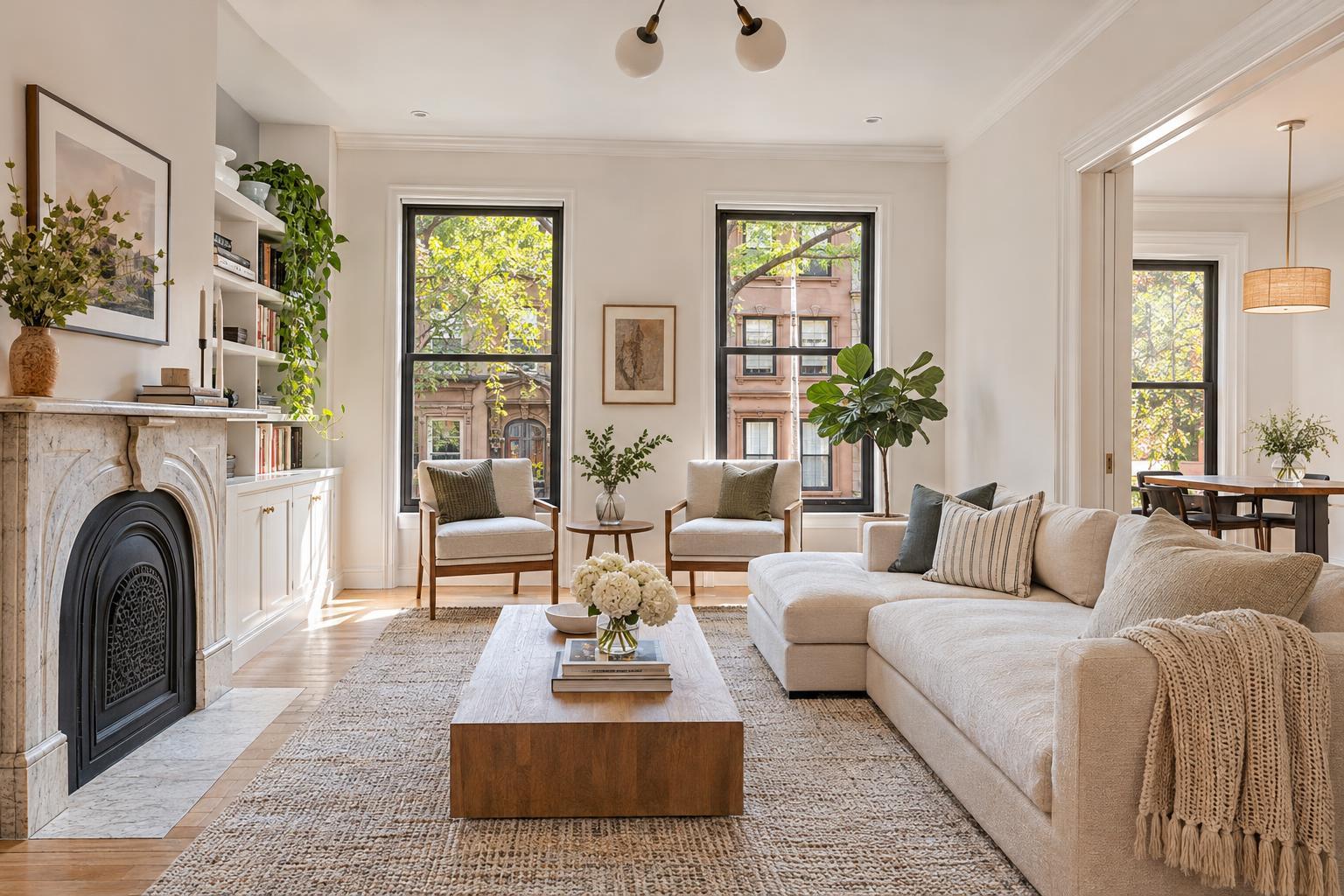
A Brooklyn real estate photographer captures a bright, elegantly decorated living room featuring a cozy sectional sofa, a wooden coffee table, and large windows with abundant natural light.

How to Choose a Brooklyn Real Estate Photographer for Your Next Listing
Looking for a Brooklyn real estate photographer who can do more than just snap pretty pictures? Whether you’re an agent, broker, property manager, or owner, the right photographer should help you capture and communicate the true character and potential of your property while making the entire process feel smooth and stress-free. In a borough as visually diverse as Brooklyn, thoughtful real estate photography is about much more than lighting and angles. It’s about presenting each listing with clarity, professionalism, and results suited to your specific goals.
Here’s how to identify the best fit for your next Brooklyn property listing—and what qualities matter most for a successful outcome.
Focus on the Property—Not Just the Portfolio
A sharp, polished portfolio is a good start, but it shouldn’t be the only factor guiding your choice. Brooklyn real estate comes in countless forms: classic brownstones, contemporary condos, quirky pre-war co-ops, and larger homes with outdoor space. Each presents unique visual challenges. When evaluating Brooklyn property photography services, ask to see examples that relate directly to your type of property. Has the photographer captured small apartments with awkward layouts, or homes with original details and mixed lighting? Are their images clear and representative, or just dramatic?
Look for galleries that help viewers understand the space as well as appreciate its finishes and atmosphere. Overly stylized images that obscure room size or mislead on layout are less helpful than honest, inviting images that give potential buyers or renters a genuine sense of how the property feels.
Composition, Color, and Perspective: What Sets Responsible Shoots Apart
Not all listing photography is created equal. The strongest photographers stand out in a few key areas:
- Composition that clarifies, not confuses. Good composition hints at how rooms connect without introducing visual clutter. Wide angles have their place, but restraint is important, especially in New York apartments that can look distorted with aggressive wide lenses.
- Accurate color and consistent light. Brooklyn homes often juggle natural light, lamps, and overhead fixtures. Strong real estate photographers know how to balance these so that white walls aren’t blue in one image and yellow in the next. Materials like wood floors, brick, and stone should look the way they do in person.
- Honest proportions and straight lines. Crooked doorways or slanted walls can distract or even mislead. Expect your provider to edit for true perspective. Professional real estate photography services in NYC take care to keep lines clean and proportions believable.
Ask how potential photographers approach editing, and whether they ensure consistency across the entire gallery rather than producing uneven sets from room to room.
Navigating Occupied Homes and On-Site Realities
Many Brooklyn listings are photographed while still lived in. Flexibility and preparation matter. A skilled photographer will be adept at working around daily routines, furniture, pets, and even unexpected obstacles. They’ll also provide clear communication on how to prep the property—whether that means moving certain pieces, decluttering surfaces, or ensuring that access instructions are provided well in advance.
If the home isn’t vacant, clarify these points up front:
- What prep is required before the shoot?
- What if someone can’t vacate a room?
- Who should be the point person for building access on the day?
- How does the provider handle last-minute edit requests if something distracting remains in a photo?
For virtual staging, rooms need to be empty or properly cleared—virtual furniture isn’t just pasted over existing pieces. If you’re ordering this service, be ready to remove physical items, or arrange for a clutter-removal edit.
Photo Count: More Isn’t Always Better
It’s tempting to think that the more images you have, the better your listing will perform—but that’s not always the case. The right quantity depends on the property’s size, layout, and story. A small apartment often benefits from a concise, focused gallery that covers each important area, while a multi-story brownstone or larger home might require broader coverage to illustrate scale and flow.
Discuss with your photographer:
- Which areas should be photographed in detail (living spaces, bedrooms, kitchen, outdoor spaces)?
- Are building amenities or neighborhood context important for this listing?
- Will too many similar angles dilute the impact, or could too few photos miss critical features?
Ask for their recommendation on coverage based on your listing’s specifics, not just a default package or highest image count.
Add-Ons: When to Consider Video, Floor Plans, Virtual Tours or Drone
Photos are the foundation, but complementary media can help set certain listings apart—for the right reasons:
- Video: Great for showing movement, flow, or features that stills can’t capture, especially in homes with unique layouts, panoramic views, or notable amenities. Video should be shot specifically for the property, not cobbled together from photos.
- Floor plans: Especially helpful for buyers or renters who value understanding the layout from the outset. Floor plans must be created from an on-site visit—RealtaSnap captures these during property scans, not from old blueprints or third-party plans.
- 3D virtual tours: Interactive tours are ideal for listings drawing remote clients, or for properties with layouts that aren’t clear from photos alone. Like floor plans, these require on-site scanning.
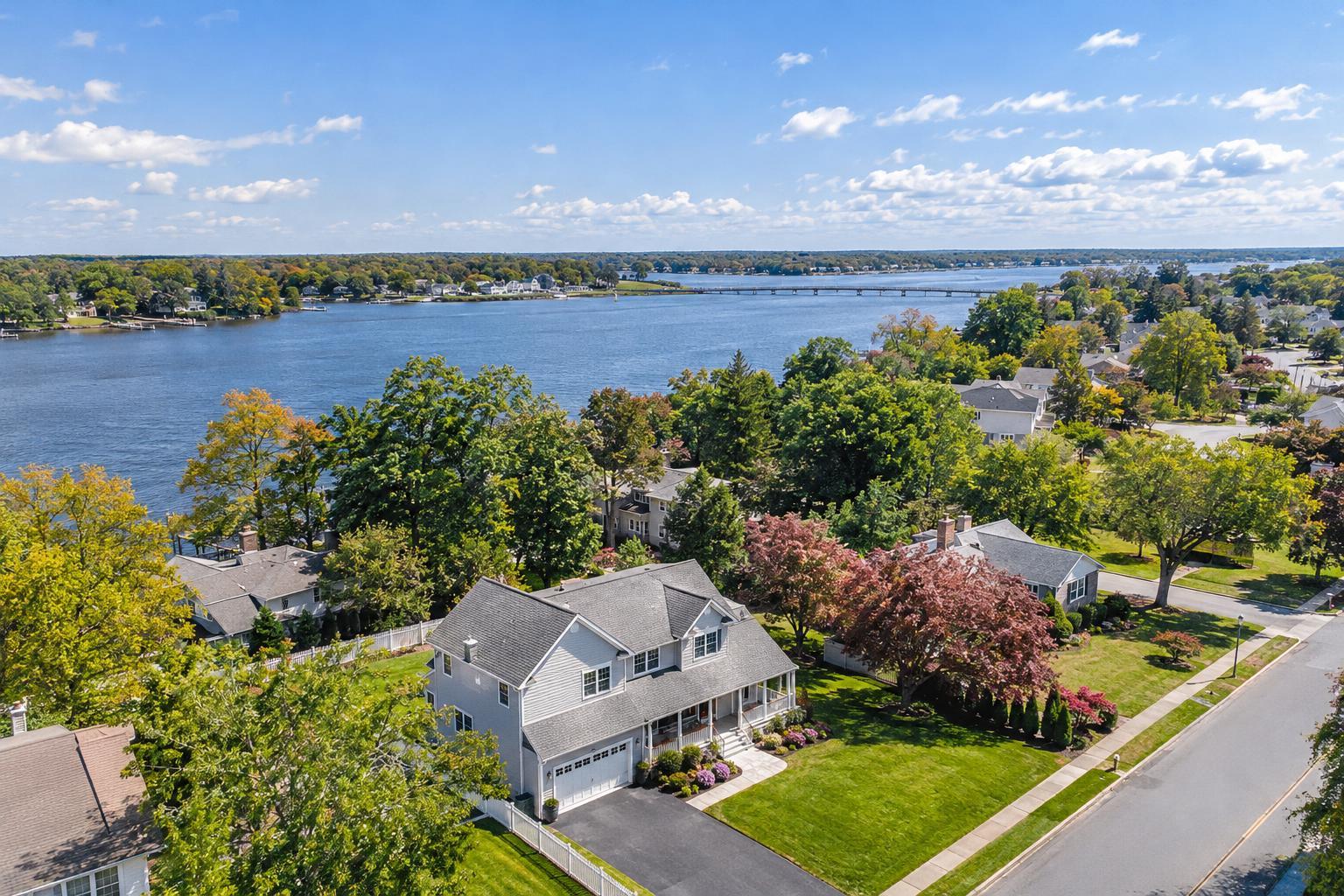
- Drone: Aerial media can make sense for properties where exterior context is essential—large lots, gardens, roof decks, or unique locations. In Brooklyn, drone feasibility is always determined by airspace, pilot discretion, building access, safety, and weather. Not every location can be flown, so don’t assume an aerial is always possible.
- Virtual staging: Best used in empty rooms. For occupied or furnished spaces, physical removal or paid clutter-removal edits are necessary before staging can be applied.
If you’re not sure which add-ons make sense, explain your property’s needs and goals. A thoughtful real estate photographer in Brooklyn will recommend only what’s truly useful.
Scheduling, Delivery, and Communication: Smooth Process, Reliable Results
The experience doesn’t end with the last photo. A dependable photography partner helps you schedule efficiently, communicate clearly, and receive your media on time. Before booking, ask:
- How is the appointment scheduled and confirmed?
- Can you include detailed building instructions and special notes?
- What is the expected turnaround for deliverables?
- How are change requests handled after delivery?
- Who should you contact if there’s an access issue on shoot day?
For buildings with doormen, lockboxes, or restricted access, providing clear instructions helps prevent delays and lets the photographer focus on their work.
RealtaSnap, for example, offers convenient online scheduling, lets you enter property details and instructions, and allows you to select available times that fit your timeline.
What Makes a Good Long-Term Photography Partner?
It’s not just about the photos. The best photographers understand Brooklyn’s real estate market, local architecture, and the quirks of city living. They should ask smart questions, set clear expectations (especially with challenging properties), and communicate honestly about possibilities and limitations—including for drone flights, digital floor plans, 3D tours, and staging edits.
If the initial conversations feel easy and professional, you’re probably working with someone who will make the rest of the process feel just as comfortable.
In Summary
Choosing Brooklyn property photography services means finding a team that matches their approach to your listing’s unique needs—not wedging every property into the same mold. A professional, attentive partner makes marketing prep easier, helps your listing stand out, and supports your own workflow with reliable service.
To schedule a shoot or review available media options, visit RealtaSnap’s homepage. Focus on what your listing truly needs, and let your photographer handle the rest.
FAQ
Question: When should I book a Brooklyn real estate photographer?
Answer: Aim to book as soon as your property’s preparation timeline is clear, especially if scheduling depends on tenants, owners, or building management. RealtaSnap recommends at least 24 hours’ notice, and all available times are visible on the online calendar.
Question: Does every listing in Brooklyn need video, a floor plan, and a 3D tour?
Answer: Not always. Photos serve as the foundation for most listings. Consider video if movement or flow is part of the story, a floor plan for clarifying layout, and a 3D tour for interactive viewing—especially if you expect out-of-town interest. Let your marketing strategy guide which extras make sense.
Question: Can you virtually stage a room that still has furniture?
Answer: Virtual staging is best for vacant, clutter-free rooms. If a space is furnished, items need to be removed before the shoot or a paid clutter-removal edit should be completed before AI staging is added.
Looking for a reliable photography partner for your next listing? Explore options and book directly at www.RealtaSnap.com.