What to Look for in a Real Estate Video Tour for Your Listing
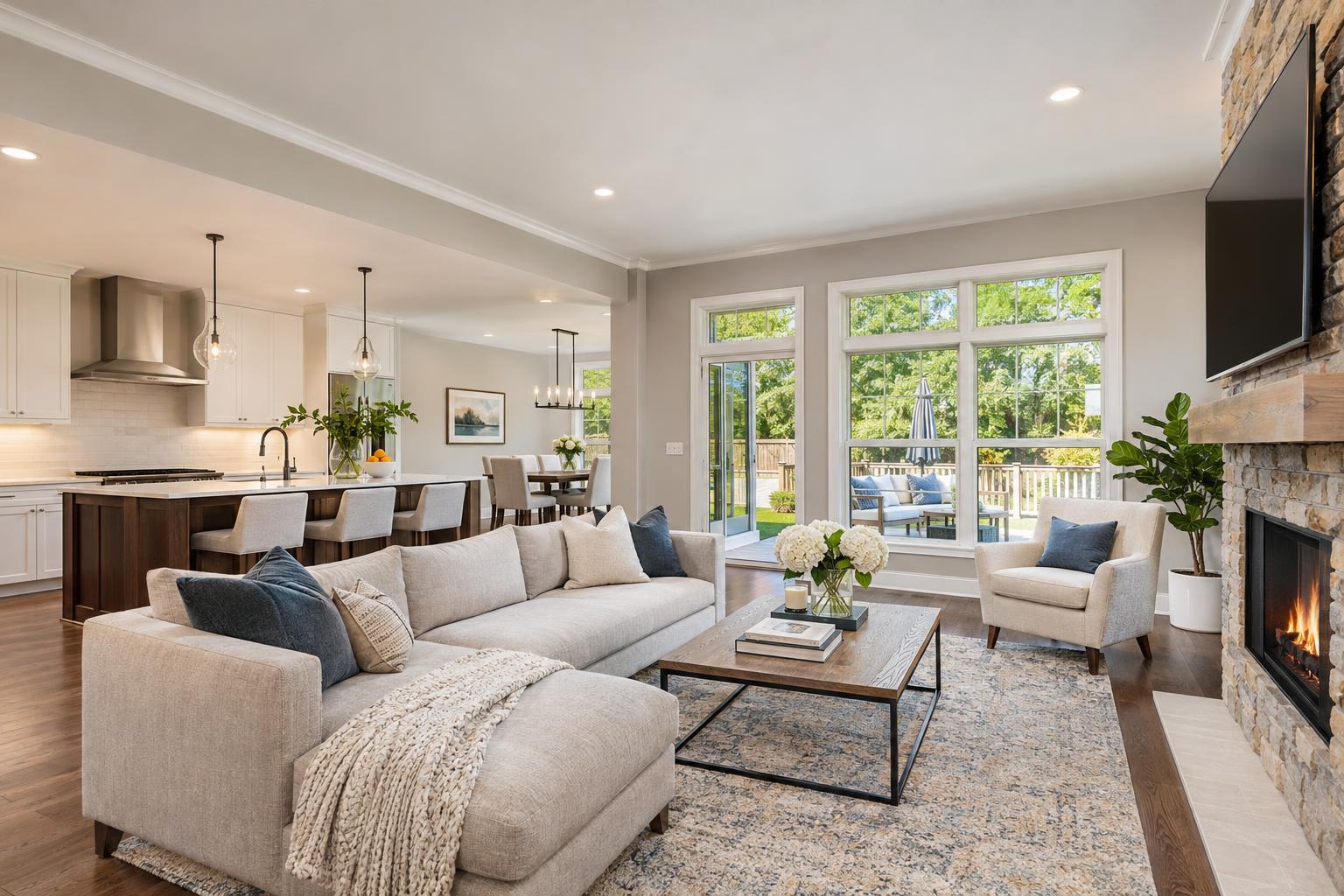
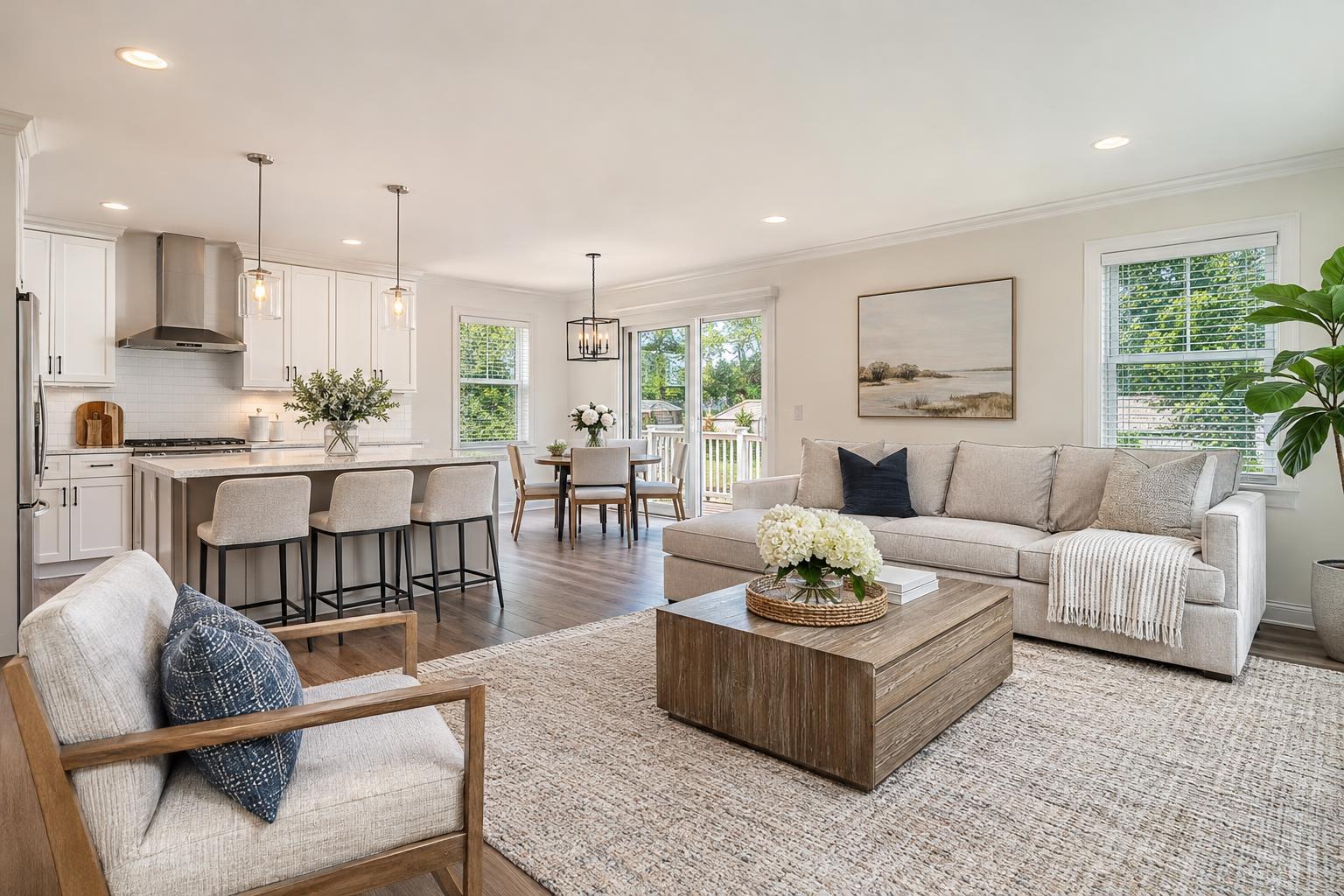
A spacious open-concept living area features a cozy seating arrangement with neutral tones, a modern kitchen with a breakfast bar, and a well-lit dining space, setting the scene for a real estate video tour.

What to Look for in a Real Estate Video Tour for Your Listing
A real estate video tour can do more than just add polish to your listing—it gives potential buyers a genuine sense of how it feels to move through a property. Yet, not every video tour delivers equal value. If you’re an agent, broker, or property marketer weighing whether to invest in professional real estate videography, understanding what makes a video truly useful—and how it stands apart from simpler formats like photo slideshows—can help you set the right expectations for yourself and your clients.
Below, we’ll break down the essential qualities of an effective property walkthrough video, how it fits with other listing media, and what to expect from top-tier, on-site video options like those from RealtaSnap.
Why Video Tours Matter (and How They Differ from Other Media)
Photography lets people stop and study a room or feature, and 3D tours like Matterport allow for independent exploration. But only a real estate video tour creates a sense of flow—showing how rooms connect, how natural light shifts throughout the day, and how details come alive as you move through the space.
A simple slideshow of listing photos set to music can’t provide that context. With true video, you’re not just replaying images—you’re guiding viewers, from the moment they enter to the last memorable detail.
The Flow: Crafting a Clear, Watchable Route
A good property video should have a logical visual journey. When watching the tour, you shouldn’t be left guessing which room comes next or how you got from the kitchen to the bedroom. This doesn’t require filming every doorway or keeping shots in strict architectural order—smart editing can keep the pace engaging—but the overall path needs to reflect how the home actually functions.
Examples:
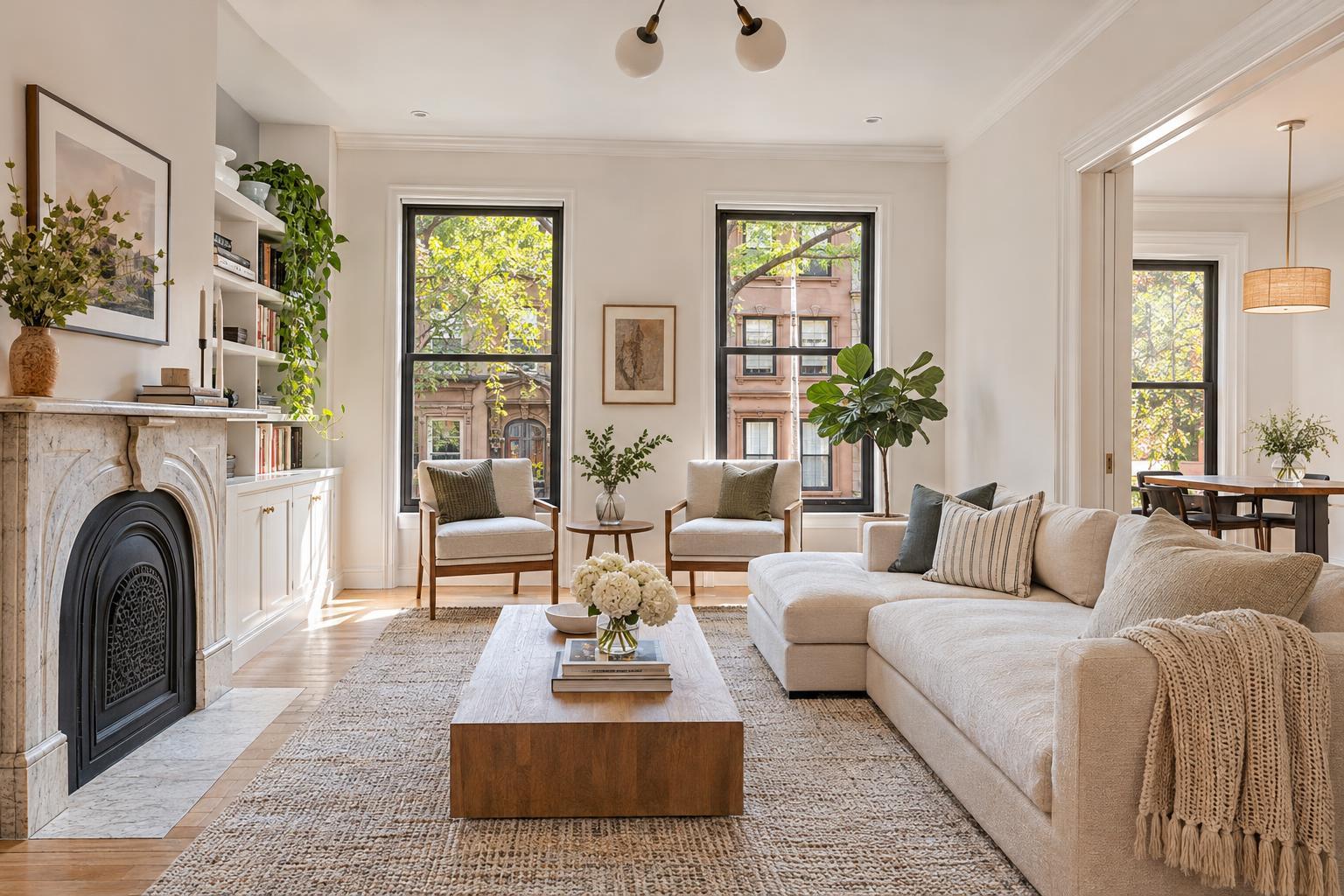
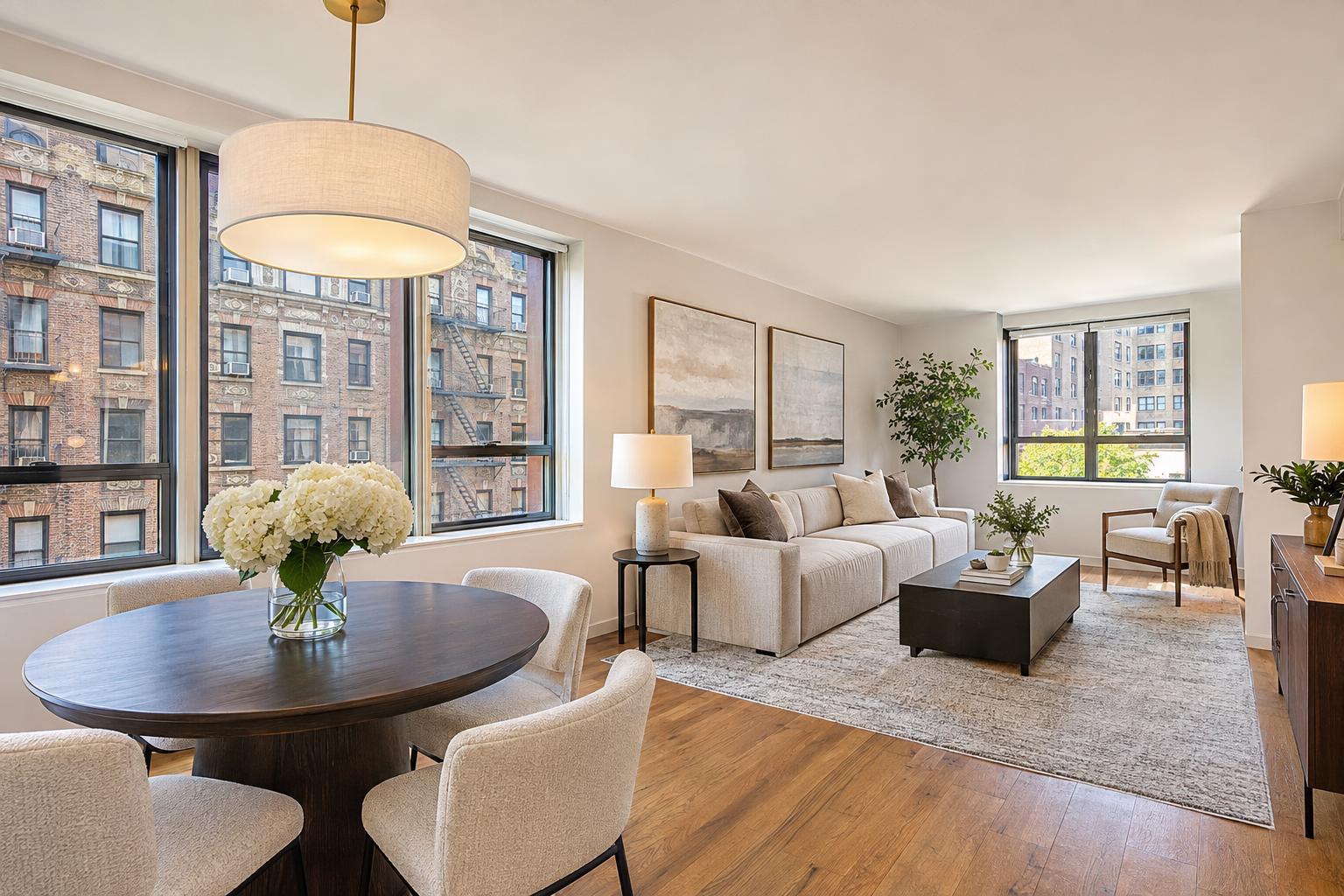
- For a classic Manhattan apartment, the video might begin at the entry, move to the living area, then transition to the kitchen, bedrooms, and show off skyline views or building amenities.
- A Brooklyn brownstone can benefit from a vertical route, showcasing the flow from parlor to garden, then upstairs to private spaces.
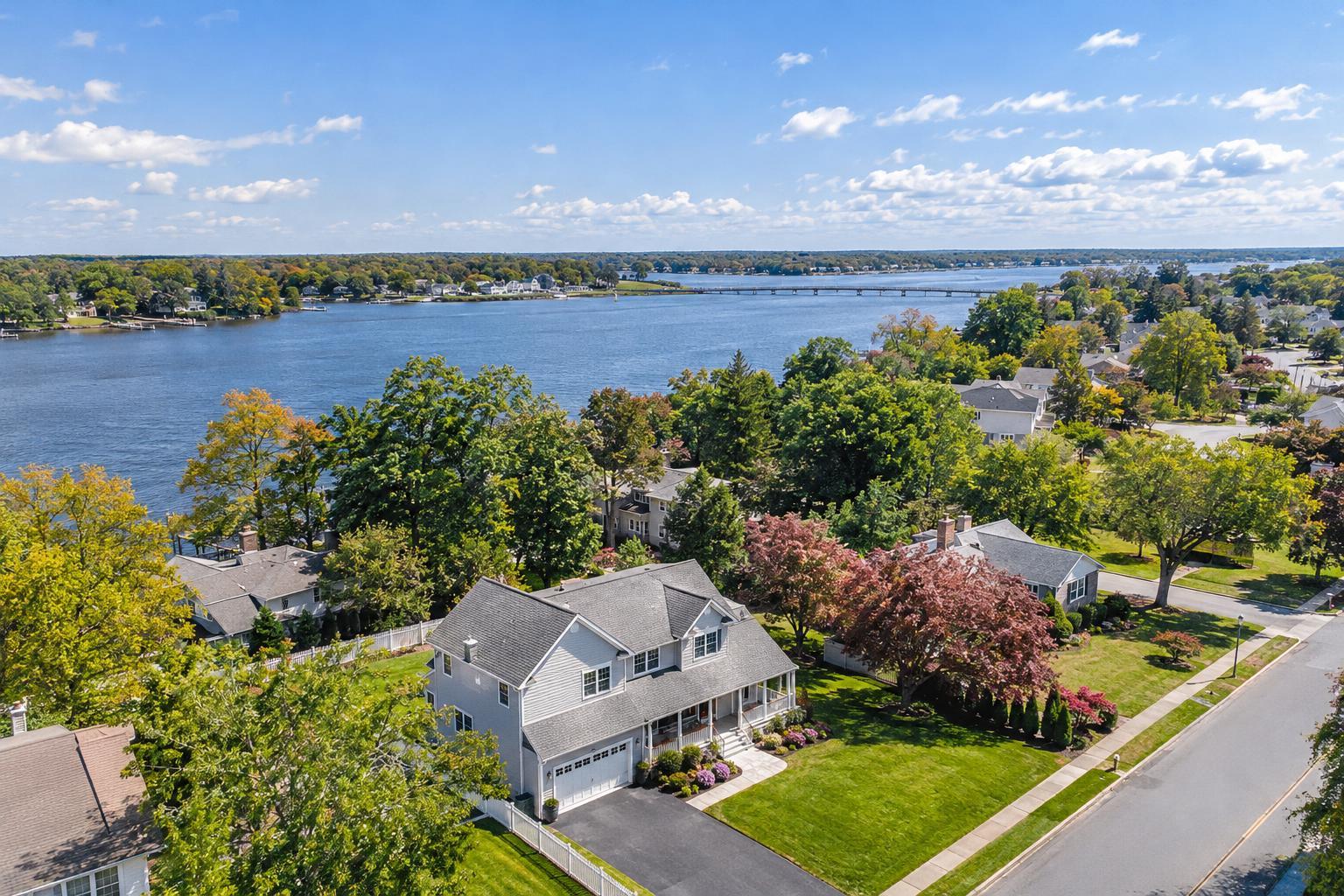
- Larger New Jersey homes often connect indoor living spaces to patios, decks, or pools, giving buyers a clear sense of where life actually happens.
Look for footage that feels intentional—not rushed or dizzying. The camera should pause when revealing a special view, and transitions should help ground the viewer, not confuse them with spun-around, choppy shots.
Movement with Purpose: How Camera Motion Shapes Perception
Properly executed videography reveals important details photos simply cannot. A walk past a kitchen counter communicates more about layout than a single wide shot. A smooth approach to a window shows the impact of natural light and the relationship between inside and outside.
Great real estate video tours use movement to:
- Introduce a room from its natural entrance, not an arbitrary corner
- Highlight how two spaces are connected (like a kitchen and dining room)
- Draw attention to unique architectural features, such as fireplaces or original woodwork
- Build a sense of scale in large or complex rooms
Stable footage and correct horizons help buyers see the space as it really is, while erratic movement makes even the nicest home feel awkwardly presented.
Pacing: Tailoring the Edit to the Listing
Another area where property video stands apart from photography and 3D is pacing. There’s no reason every listing video needs the same length or energy. A one-bedroom apartment will almost always benefit from a concise, focused tour, while a multi-level home in New Jersey deserves a little more time to establish flow.
A thoughtfully paced video can set the mood—slow pans and long shots for prewar charm, quicker edits for sleek condos packed with modern amenities. The music and graphics should always enhance, not distract, supporting the overall story the home needs to tell.
Showcasing What Makes the Property Unique
Some features deserve more focus than others. A proper video tour helps buyers zero in on what makes this listing different—not just another tick of bedrooms and baths.
Consider giving extra screen time to:
- Restored millwork, decorative fireplaces, or custom built-ins
- Renovated kitchens with unique layouts or high-end finishes
- Private outdoor space, terraces, or scenic views
- Flexible bonus spaces like a finished basement or a stylish home office
- Shared amenities (in a condo or co-op) that add value
There’s no need to treat every room equally. If the garden is a core selling point, the video should let a viewer imagine relaxing outdoors, not tack that shot onto the end like an afterthought.
How Video Complements Photos, 3D Tours, and Slideshows
Each piece of listing media offers something different:
- Photography: Still photos help viewers pause on details, compare angles, and scan the main spaces quickly. They’re often the first impression a buyer gets.
- Video Tours: A property walkthrough video builds atmosphere. It connects the dots, reveals the sequence of spaces, and helps people feel what it’s like to actually move through the home.
- Matterport and 3D Tours: Interactive tours allow full freedom to navigate and examine details at the viewer’s own pace—especially handy for out-of-town buyers or complicated floor plans. (These require a separate on-site scan.)
- Slideshows: Photo slideshows can be a stopgap, but they don’t provide real camera movement or transitions. If your goal is to immerse potential buyers, proper video is a better choice.
Preparing for a Video Shoot: Beyond the Photo Checklist
Because video exposes more than a single frame (think: what the camera sees as it moves through a doorway or past a countertop), the prep process matters. A home that’s ready for photos might still need a little extra attention for smooth filming.
Here are some steps to get the property video-ready:
- Clear surfaces in kitchens and bathrooms
- Remove personal items and visible cords
- Tidy bedding, straighten chairs, fluff pillows, and keep rugs in place
- Open shades or curtains where views and daylight help
- Make sure all interior lights work, and turn on before filming begins
- Move vehicles from driveways (where possible)
- Sweep patios, decks, and entrances
For occupied homes, do a full walk-through just before filming. Make sure the most important doors are open, and any special features are accessible. This not only helps the videographer—it keeps the focus on the property, not the daily mess of real life.
Windows, Light, and Exposure: Getting the Best Footage
Windows are often a property’s star feature, but they’re tricky for cameras. Balancing daylight outside and interior shadows inside takes skill. Good real estate videography finds ways to show views and finishes accurately—without blowing out windows or making interiors look too dark.
Before your scheduled shoot, consider:
- What time of day brings the best natural light?
- Are certain rooms especially sunny or dark?
- Do curtains or blinds need to be adjusted in some spaces?
- Are all interior lights prepared (bulbs matching in color and actually working)?
A little planning makes it far easier to capture footage that does justice to both inside and outside.
The Value of a Social Media Video Cut
Social media now plays a big role in real estate marketing, and a condensed, vertical-format cut can grab attention where it matters most. These short edits (30–60 seconds) draw viewers in with the most visually striking moments—think a stylish living room reveal, a sunlit terrace, or panoramic window views.
A social cut isn’t just a random collection of highlights. It should feel purposeful and paced for fast scrolling, while the main video tells a fuller story on your listing or website.
RealtaSnap offers these as add-ons, with options for every major social channel, so you’re not limited to a single video format.
Choosing the Right Video Service: RealtaSnap Options
If you’re ready to invest in a professional real estate video tour, it helps to know what’s on the menu. RealtaSnap offers three main options for on-site listing video:
- Standard Video: A 1-minute final video with standard graphics for logo and contact info. Great for straightforward properties needing a concise walkthrough.
- Premium Video: A 1.5-minute final video including custom motion graphics, branding, and more footage of the lobby, amenities, and neighborhood.
- Premium with Interview: A 3-minute feature, complete with on-camera interview and guided narration from an agent or homeowner. This can add context and personality, especially for higher-end or unique properties.
You can also customize with social-media cuts or short trailers. All RealtaSnap videos are captured on site for a tailored, natural result. For details or to book, visit RealtaSnap real estate videography services.
Helping Buyers Keep Exploring
A thoughtfully crafted walkthrough video does more than tick a marketing box. It gives buyers a reason to stay curious about the listing, to see themselves arriving, and to take the next step.
If you’re planning a new listing in NYC or New Jersey, take a moment to consider the story your property needs to tell—then choose video that tells it well.
Ready to level up your listing? Find out more at www.RealtaSnap.com.
FAQ
Question: How long should a real estate video tour be?
Answer: The ideal length depends on your property and its features. A shorter, focused video often works best for compact apartments. Larger homes or listings with special amenities may need more time to let the flow and highlights come through naturally.
Question: Is it worthwhile to order both a video tour and a Matterport 3D tour?
Answer: In many cases, yes. Video gives a guided, narrative view of the property’s best features, while Matterport allows buyers to explore on their own. Both together can serve remote buyers and local prospects who want different experiences.
Question: What should an agent say in a property video interview?
Answer: Keep it specific and natural. Touch on how spaces connect, what makes a particular view or feature special, or features not obvious on camera. Meaningful, clear commentary goes much further than reciting the full listing description.