How to Choose a Commercial Real Estate Photographer for Your Property
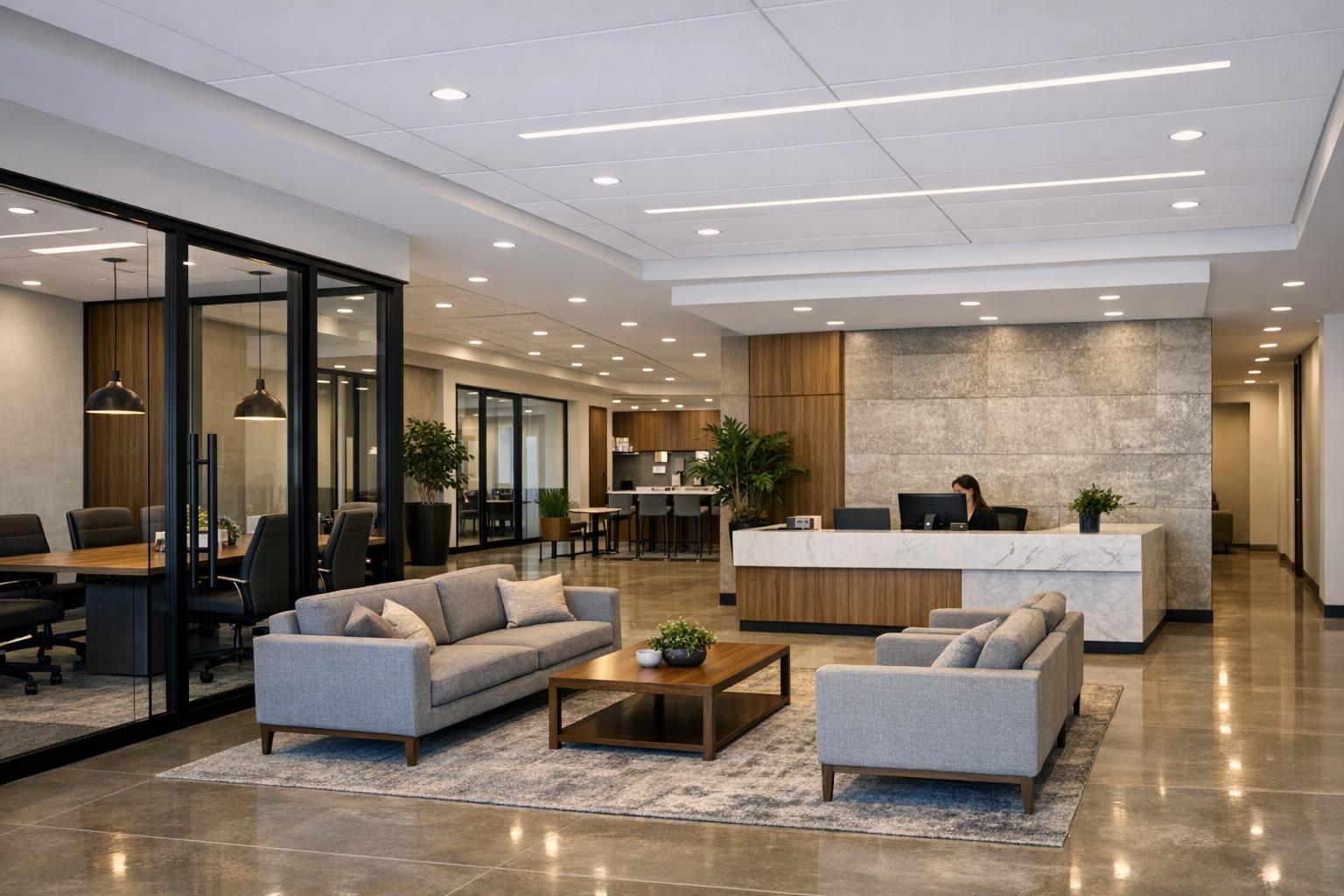
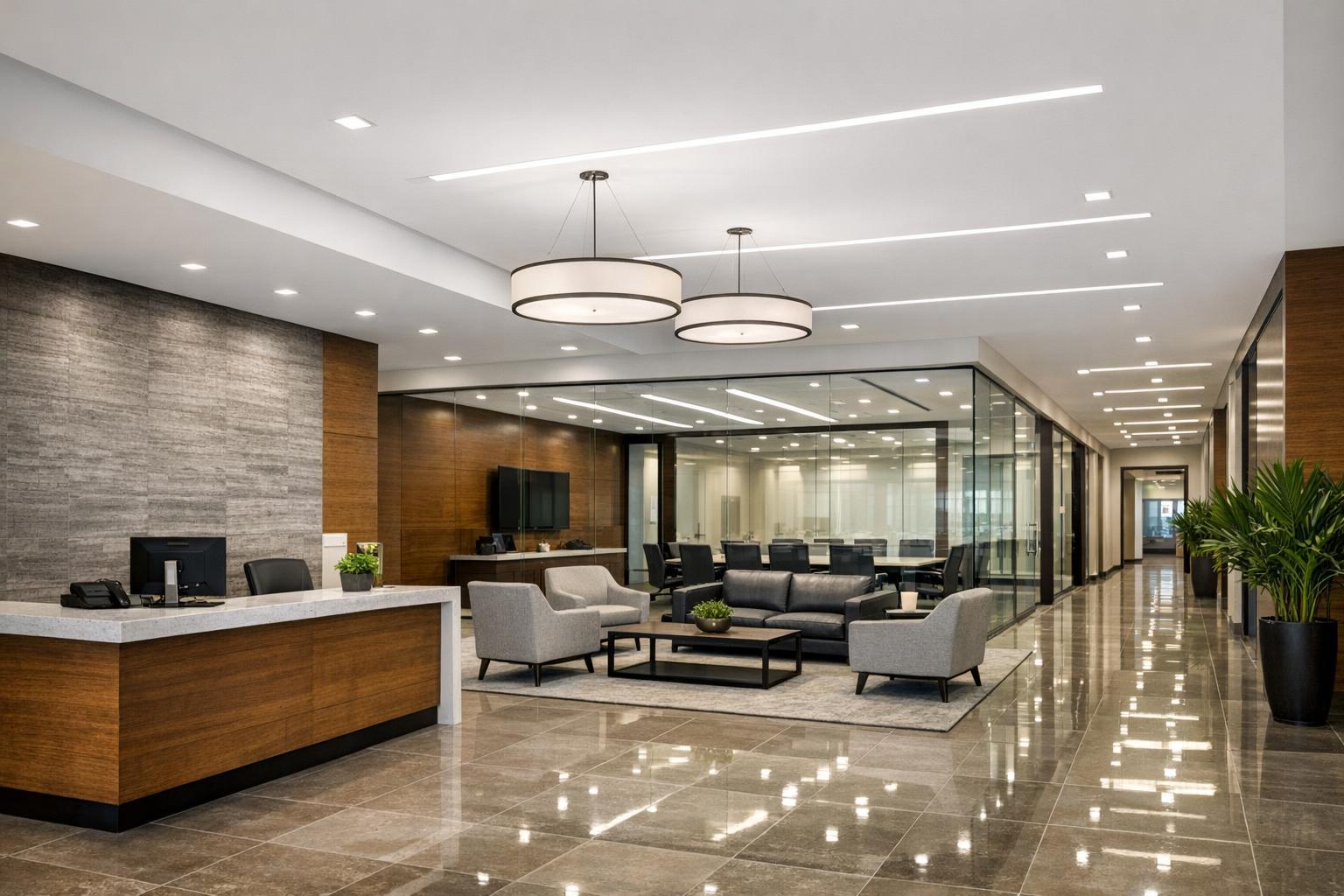
A commercial real estate photographer captured a modern office lobby featuring sleek furniture, polished floors, and a spacious meeting room enclosed in glass.

How to Choose a Commercial Real Estate Photographer for Your Property
Hiring the right commercial real estate photographer isn’t just about getting a handful of pretty pictures. If you’re a broker, property manager, developer, or business owner in New York City or New Jersey, the choice is about finding someone who can show your space with accuracy and purpose—whether that’s capturing the bones of an industrial warehouse, the amenities of a Midtown office, or the street presence of a retail storefront.
Below, we’ll break down what sets commercial property photography apart, the details that matter before hiring, and why the right partner (like RealtaSnap) helps make the process a whole lot easier for NYC and NJ projects.
Beyond Curb Appeal: Why Commercial Real Estate Photography Is Different
Many people are familiar with residential real estate photos that focus on warmth and inviting style. Commercial photography, though, has a distinct set of priorities. It’s not just about making a space look inviting; it’s about showing potential tenants, buyers, or investors what’s actually there—and how it works for their business.
A strong commercial property photo set should help answer questions like:
- What’s the real size and layout of the space?
- Where are the entrances, offices, and common areas?
- How much natural light does the workspace get?
- Are there loading docks, drive-in doors, or other operational features?
- What’s the surrounding context: streetscape, neighborhood vibe, or building access?
Honest, clear documentation has to come first. If you want to attract the right audience, there’s no value in highly stylized shots that gloss over awkward corners or leave out important features.
Start with How You’ll Use the Images
Before reaching out to photographers, ask your team how the photos will be used. Asset needs can change dramatically depending on whether you’re prepping a listing, an offering memorandum, a leasing campaign, or a long-term marketing brochure.
Some questions worth running through:
- Who needs to see these images: investors, tenants, buyers, board members?
- Are the photos for print, digital listings, email marketing, or a company website?
- Does the property need only “as-is” documentation, or should the photos support a broader branding effort?
- Will you need to coordinate around current tenants, staff, or active construction?
Defining this upfront helps ensure you don’t just receive a generic set of images—your commercial photographer can then recommend the right coverage for your actual goals.
Does Their Portfolio Fit Your Property Type?
Not all property types need the same approach. An apartment photographer may not have the right touch for a logistics warehouse or a multi-story office building. Look for proven examples that match your category and goals.
For Office Projects
Spot whether their work showcases natural light, work zones, conference rooms, window lines, and amenities—all while maintaining true-to-life proportions. In busy Manhattan settings, showing how a suite connects to elevator lobbies or offers skyline views can be crucial. Suburban New Jersey properties may require parking, signage, and wider exterior context.
For Retail & Hospitality
Photos should clearly communicate storefront visibility, signage opportunities, and foot traffic access. Restaurants, gyms, or salons also benefit from images that capture the flow between waiting areas, customer seating, and distinctive interior finishes—while managing the usual swirl of people and natural light shifts on retail corridors.
For Industrial & Warehouse
Industrial properties hinge on showing the scale and practicality of the space. Make sure the candidate portfolio covers open racking, loading docks, drive-in doors, and the interior flow for operations. Over-staged warehouse glamor isn’t as helpful as documentation that makes the logistics understandable.
For New Developments
If you’re marketing a development at various phases, consistent coverage over time is key. Ask if your photographer can follow a shot list and capture the same view points through the project’s lifecycle—these galleries become invaluable for updates, investor decks, and property websites.
Technical Quality: What to Watch For
A credible commercial real estate photographer demonstrates steady control of these fundamentals:
- Straight lines: Architects, brokers, and tenants all notice when walls or windows lean unintentionally.
- Balanced light: Good management of highlights and shadows keeps details visible without blowing out windows or leaving corners murky.
- Natural room shape: Wide-angle is helpful, but extreme distortion is misleading. The goal is transparency, not trickery.
- Varied composition: Images should cover essential features, not just repeat similar angles for filler.
- Consistent editing: Color balance, clarity, and contrast should be steady across the image set.
- Clean spaces: Visible clutter, bins, stray signage, or personal items detract from how well a property shows. These are best addressed before the photographer arrives.
Editing can polish an image, but it’s no replacement for real-life prep and skilled on-site judgment.
Scope and Deliverables: Ask for Clarity, Not Just a Gallery Size
Counting images is easy, but real value comes from a well-defined assignment. When weighing photographer options, make sure you’re clear on:
- Which parts of the property need to be prioritized
- Whether specific exteriors, rooftops, interior features, or amenities must be showcased
- If access to secured, occupied, or operational zones will be needed
- Delivery format and orientation (for web, print, flyers, or decks)
- The expected turnaround window and any available rush options
- Any additional after-the-shoot editing requirements
A good commercial property photographer will welcome a concise shot list—especially for larger assets.
Preparation: Small Details Make a Big Difference
Prepping for commercial real estate photography isn’t about staging like you would for a home. It’s about making spaces look orderly, functional, and “ready for business.” Before your appointment:
- Remove boxes, spare signage, personal effects, and visible clutter
- Make sure all lights work (inside and out)
- Park vehicles away from high-priority views
- Clean glass, especially storefronts and doors
- Communicate with tenants or onsite staff about who might appear in frame
- Clarify access to locked or restricted areas
Sometimes, simply scheduling the shoot when foot traffic is lighter or operations can pause briefly makes the difference between awkward, interrupted photos and a clean marketing set.
Logistics in NYC and New Jersey: Plan Ahead
In New York City, getting access can involve everything from COIs (certificates of insurance) to freight elevator reservations. Centralized scheduling, building security, and urban drone limitations are part of the process. In New Jersey, parking and site access can be easier, but large campuses or multi-structure assets may require more time or sitewalking.
When planning a shoot:
- Share the exact address and suite or space number
- Provide clear contact instructions for arrival
- Note any relevant policies, building security, or required IDs
- Let your photographer know about any areas that are off-limits or need special handling
If drone photography is being considered, feasibility and safety have to be checked case by case once the address is provided. Things like urban airspace, weather, and property access can all affect what’s possible. Roof access in denser settings can also expand what’s doable from above.
Extra Media: Add Only What Helps the Audience
Still images are at the heart of most commercial property marketing. Floor plans, 3D virtual tours, and video walkthroughs support visual storytelling for larger or more complex spaces. These require on-site capture; floor plans, for example, can’t be created remotely from PDFs or old drawings—they need a fresh scan of the physical property.
Virtual staging works best with empty spaces. If the property is currently furnished, physical or digital clutter removal may be needed first. Any additional media should only be added when it genuinely clarifies the property or matches your marketing channels.
Questions to Ask Before Booking
You don't have to be an expert in commercial photography to ask the right questions. Some practical topics to hit with any prospective photographer:
- Have you shot properties like this before?
- Can you show a full gallery from a comparable assignment?
- What features would you highlight for our target audience?
- How do you handle uneven lighting, glass, or large interiors?
- What should we prep before your team arrives?
- What’s included in the deliverables? What are extra charges?
- Are floor plans, drone footage, or 3D tours appropriate?
- What timelines can we expect?
The best providers are direct and specific with their answers, and can tailor their workflow to your workflow.
RealtaSnap: A Photography Partner Who Gets It
When you need a commercial real estate photographer for projects in NYC or New Jersey, a clean, professional process matters as much as the results themselves. RealtaSnap provides on-site photography, video, drone, floor plans, 3D virtual tours, and virtual staging for a wide range of commercial and residential properties in our core markets. The process is designed around professionalism, reliability, and easy online booking—with real clarity around scope and deliverables.
To learn more or to check availability, visit RealtaSnap's service overview or book your shoot directly through the online scheduling platform.
A thoughtful approach yields a versatile set of visual assets your team can use across sales, leasing, and portfolio marketing—without surprises along the way.
FAQ
Question: How many photos are typical for a commercial property shoot?
Answer: The number depends on the property’s size, layout, and marketing needs. A compact storefront might only need focused coverage, while larger spaces like an office or warehouse usually require more images to document exteriors, amenities, multiple rooms, and operational features. Planning out which spaces support your sales or leasing goals is more useful than just aiming for a fixed total.
Question: Can our occupied office be photographed during business hours?
Answer: Yes, as long as it fits the schedule of on-site staff and operations. Sometimes showing an active space is helpful for marketing, but quieter times can also make it easier to capture clean, distraction-free images. Advance coordination with employees or tenants is recommended to keep everything running smoothly.
Question: Can a floor plan be created from an old PDF or architectural drawing?
Answer: Not for a new marketing set. Accurate floor plans require physical access to the property for on-site capture. Existing plans are helpful for reference, but they can’t replace the need for a fresh scan of what’s actually there.