How to Choose a Commercial Real Estate Photographer for Your Property
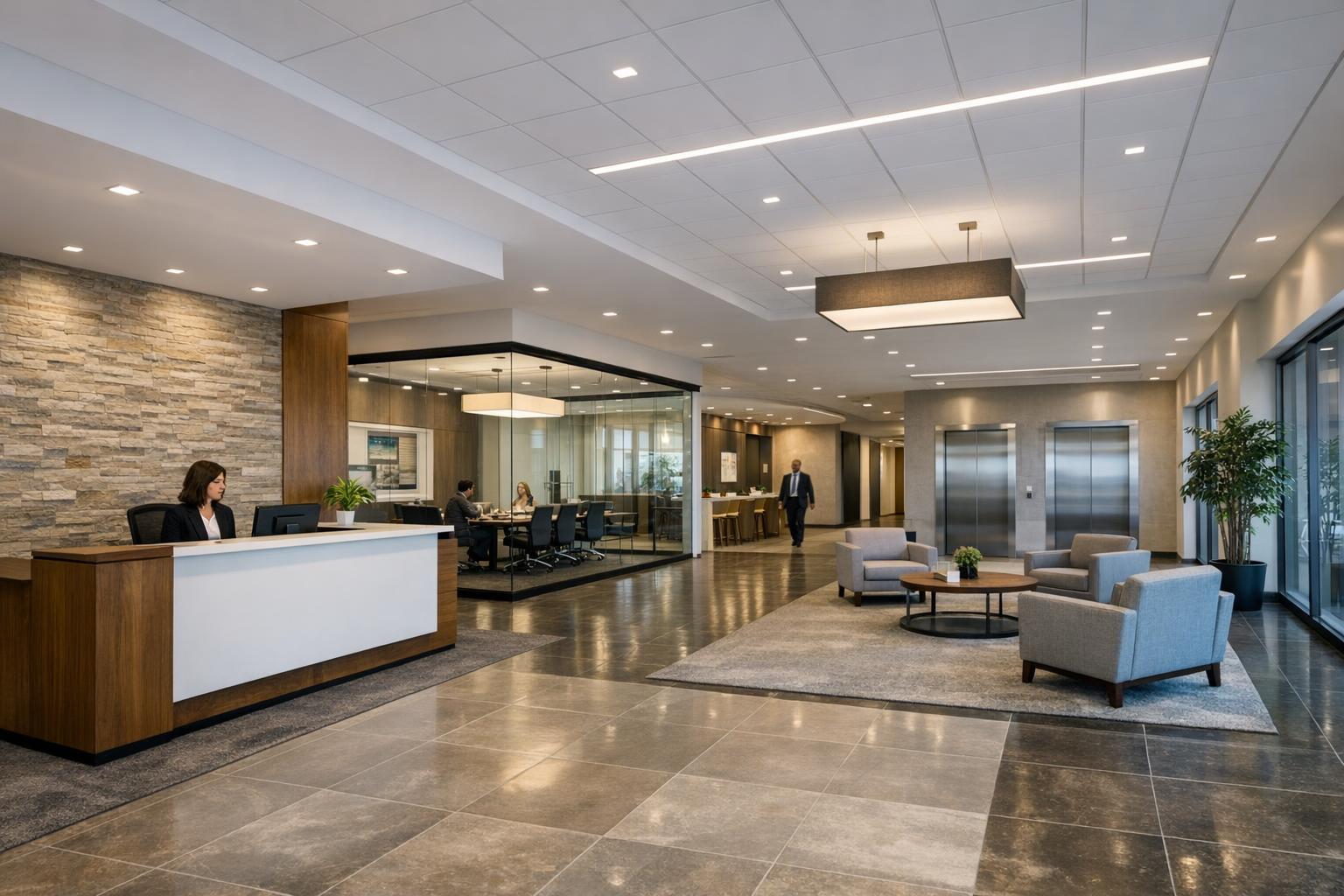
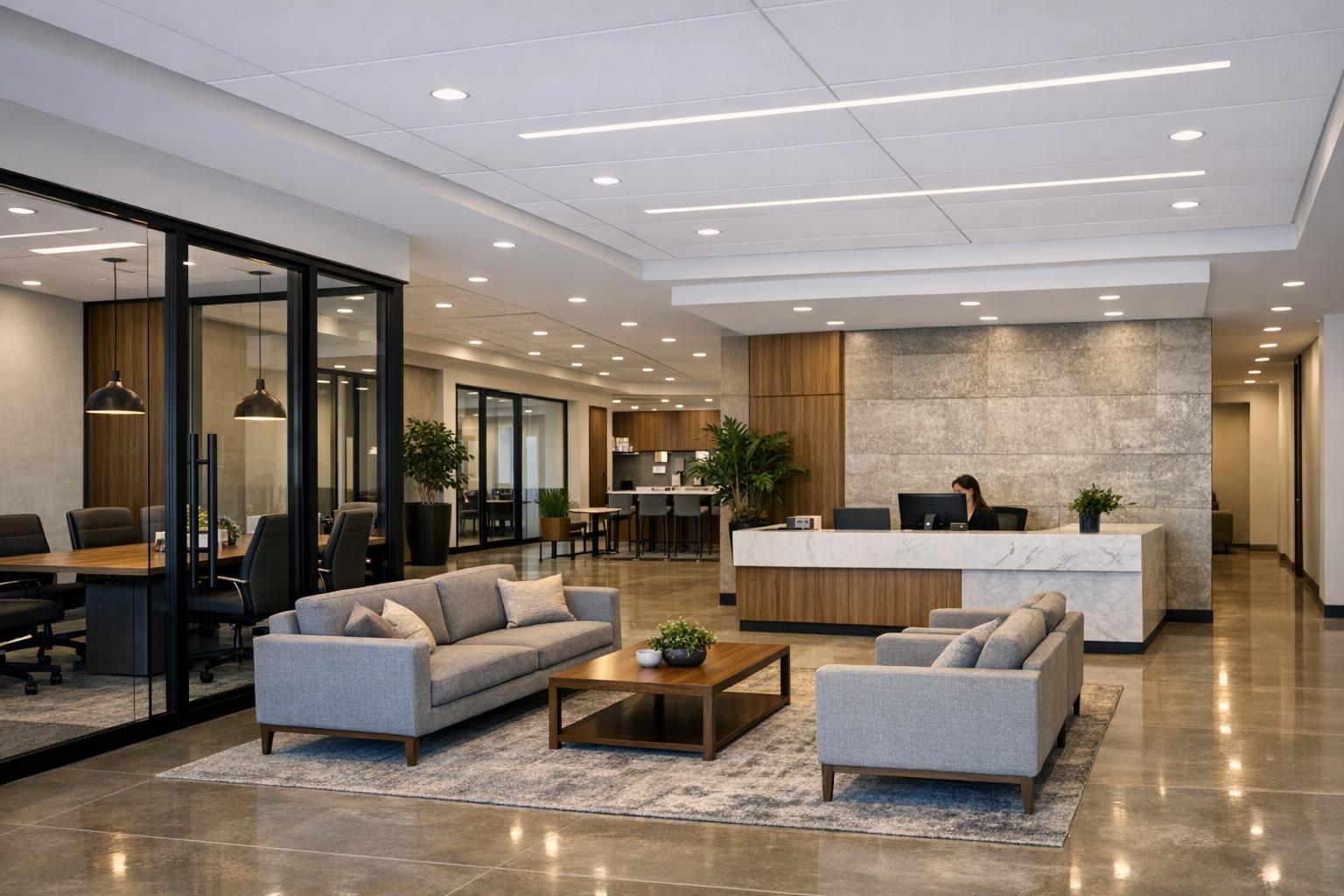
A commercial real estate photographer captures a modern office lobby with elegant furnishings, a reception area, and glass-enclosed meeting rooms.

How to Choose a Commercial Real Estate Photographer for Your Property
Finding the right commercial real estate photographer can make a big difference in how your property is perceived by potential tenants, buyers, or investors. More than just taking attractive pictures, a professional knows how to visually communicate the features, scale, and commercial value of a space—helping your audience understand what sets your asset apart.
This guide will walk you through what matters when hiring a photographer for commercial listings, drawing on real-world examples, local NYC and New Jersey considerations, and practical advice for decision makers in real estate.
Commercial Real Estate Photography: A Different Standard
It’s common to think of real estate photography as one-size-fits-all, but marketing a commercial property is a very different task from showing off a home. The priorities are distinct: commercial spaces need coverage that emphasizes their layout, infrastructure, operational features, and how the building itself supports business activity—not just curb appeal.
For example, an office suite listing in Manhattan might need to highlight natural light, collaborative areas, private offices, and conference rooms. A retail property will benefit from exterior shots showing storefront visibility, signage, and pedestrian access. Industrial listings may require documentation of loading docks, warehouse storage, clear heights, and site access points. In mixed-use buildings, it’s about telling the story of how retail, office, and residential spaces fit together.
A strong commercial property photographer sees beyond wide angles and polished surfaces. Their focus is on making the property’s most valuable features immediately clear to remote viewers and busy real estate professionals alike.
Start With the Property’s Story
Before you even review portfolios or pricing, get clear about what your commercial photography needs to achieve. Consider these questions:
- Who is your audience: business owners, investors, tenants, brokers?
- Is this for leasing, a sale offering, investment marketing, or brand refresh?
- Which physical features make the property stand out?
- Are any areas restricted, difficult to access, or sensitive (e.g., with confidential information or ongoing business activity)?
- Where will photos appear—listing platforms, pitch decks, websites, social media, or brochures?
- Do you need a handful of hero images, an extensive visual inventory, or both?
Having answers not only shapes the shot list but helps your photographer plan for real-world conditions, especially in places like busy NYC buildings or operational warehouses in North Jersey.
Vet Portfolios With Purpose
When reviewing portfolios, don’t just look for striking images—check for relevant experience. Commercial property photographers who can demonstrate work with offices, retail, warehousing, or developments similar to your asset are more likely to communicate what’s important to your audience.
What should you notice in a commercial portfolio?
- Straight, intentional architectural lines—no distracting distortion
- Balanced lighting that shows interior features and exterior views without harsh contrast
- Accurate representation of scale and room proportions (watch for “stretched” rooms)
- Coverage of operational elements (docks, signage, entryways, circulation)
- Consistency in editing and image quality, even across active, occupied properties
A photographer who can make sense of a busy retail environment or a fully operational office is usually a good sign that they’re prepared for the realities of commercial work.
Plan the Shoot—Don’t Leave It to Chance
Unlike most residential sessions, commercial assignments tend to involve more logistics: access, coordination with building management or tenants, scheduled deliveries, or restricted time windows. Before hiring, ask photographers how they approach:
- Pre-shoot discussion and shot planning
- Gaining access to all necessary spaces (including rooftops, loading docks, amenity areas)
- Navigating building rules for photography equipment and elevators, especially in NYC
- Working around tenant schedules, staff, or security requirements
- Handling active business operations or busy times
- Dealing with weather-related issues if exteriors or drone images are involved
- Whether someone from your team should be on site
The best commercial photographers won’t simply show up and shoot. Instead, they’ll clarify expectations and logistics in advance, which keeps the day running smoothly and reduces surprises.
Strategies for Active, Occupied Spaces
Most commercial buildings aren’t photo-ready model units—they’re working environments. That’s perfectly normal. Still, productivity shouldn’t come at the expense of professionalism in your images.
A little preparation makes a big difference:
- Clear clutter from common spaces, desks, and countertops
- Remove temporary signs (when possible)
- Tidy or arrange chairs, tables, and meeting areas
- Conceal personal items or confidential information
- Pre-determine any areas off-limits for photography
Don’t expect editing alone to “fix” a poorly prepared space. While some object removal is possible, thoughtful staging beforehand is far more effective and efficient. At RealtaSnap, structural changes or digital renderings aren't produced—features are photographed as they physically exist.
Visual Accuracy Matters for Commercial Decisions
In commercial real estate, buyers and tenants are evaluating properties for business needs—not simply emotional appeal. That’s why visual accuracy is so important. Ask your photographer how they manage:
- Architectural line correction (avoiding tilted walls or skewed proportions)
- Appropriate lens selection for both tight and open environments
- Balancing natural and artificial lighting
- Reflections in glass partitions or storefronts
- Exterior shots under bright sunlight or on overcast days
- Maintaining consistent editing style across all images
Professional composition and technical know-how allow potential tenants or buyers to quickly understand the relationship between spaces, the flow of circulation, and the limitations or opportunities of a property.
Beyond Photos: When Supplemental Media Makes Sense
While still photography forms the foundation of any commercial listing, sometimes additional media brings extra value:
- Video tours give a sense of movement, letting viewers experience circulation and flow—useful for headquarters, retail concepts, or mixed-use assets.
- Drone imagery can reveal roof condition, site layout, parking, and neighborhood connectivity, but feasibility depends on local airspace rules and safety (especially in NYC).
- 3D virtual tours (like Matterport) allow remote viewers to explore suites or multi-room spaces interactively, supporting leasing or investor presentations.
- Professional floor plans help make layout and spatial relationships clear but always require on-site measurement and capture—PDF conversions aren’t part of the process.
Only add these services when they directly support your marketing goals—not simply because they’re available.
Know What You’re Getting: Usage, Deliverables, and Edits
Before going forward, clarify the nuts and bolts:
- How many final images will be delivered, and what spaces are included?
- Will you get both interior and exterior shots, common areas, amenities, or detail views?
- What type of editing is standard, and what’s charged as an add-on?
- What are the file delivery options?
- Where and how may the images be used—listings, print, web, or for future marketing?
- Who receives licensing or usage rights (agent, owner, third-party vendors)?
Discuss these items upfront to avoid confusion down the line. A clearly defined agreement is especially important for multi-phase projects or properties with several different intended uses.
Questions to Ask When Comparing Photographers
To make the selection process easier, here’s a shortlist of smart questions:
- Have you photographed similar commercial properties?
- What would you highlight for this property and its audience?
- How do you recommend we prepare, especially for occupied areas?
- How do you approach challenging interiors, reflective finishes, or window light?
- Can you document functional areas like loading, circulation, or shared amenities?
- Is aerial or video capture feasible on this project?
- How will edit requests and final file usage be handled?
- Are there any access or scheduling constraints we should solve before the shoot?
Photographers who return detailed, asset-specific responses—and ask you their own follow-up questions—are usually planning to do the homework required for a successful shoot.
The NYC and New Jersey Context
Working in New York City or New Jersey brings its own set of opportunities and quirks. In Manhattan, tight interiors, managed elevator schedules, lobby security, street congestion, and tenant privacy all affect photography sessions. Across North Jersey, there’s often more exterior ground to cover, different rules around access, and broader parking or site circulation considerations.
It pays to work with a photographer who is familiar with these environments and comfortable navigating both fast-paced urban buildings and larger, multi-structure sites.
Why Work With RealtaSnap?
Commercial real estate media should answer your prospective buyer or tenant’s questions before they ever step foot on site. RealtaSnap specializes in professional photography, video, drone, 3D virtual tours, and floor plans for commercial assets in NYC, New Jersey, and select Westchester and Upstate New York locations.
Our approach adapts to each assignment, taking into account the story your building needs to tell, its audience, and the best media to clearly present its value. To learn more or book a session, you can always start at www.RealtaSnap.com.
FAQ
Question: What can I do to prepare my commercial property for a photo shoot?
Answer: Make sure all areas that need to be photographed are accessible—coordinate with tenants, building management, and your own staff. Tidy up shared spaces, remove temporary clutter, secure confidential materials, and let everyone know when the shoot is scheduled. If the property is active during shooting, flag any spaces that need to be photographed first or require special scheduling.
Question: Is drone photography always available for commercial properties?
Answer: Not always. Drone usage depends on local airspace regulations, weather, access, safety, and pilot discretion. In NYC and other dense areas, drone flights are often limited or not possible due to airspace restrictions. Roof access may help, but doesn’t guarantee feasibility.
Question: Can I get a floor plan from a PDF or existing drawing?
Answer: No. Professional floor plans are created from on-site capture and measurement. RealtaSnap does not produce floor plans from PDFs or speculative plans—only from physical access and direct measurement during the appointment.
If your next project could benefit from clear, accurate, and market-ready commercial property photography, visit www.RealtaSnap.com to start the conversation or book online.