How to Choose Real Estate Videography Near Me for Your Next Listing
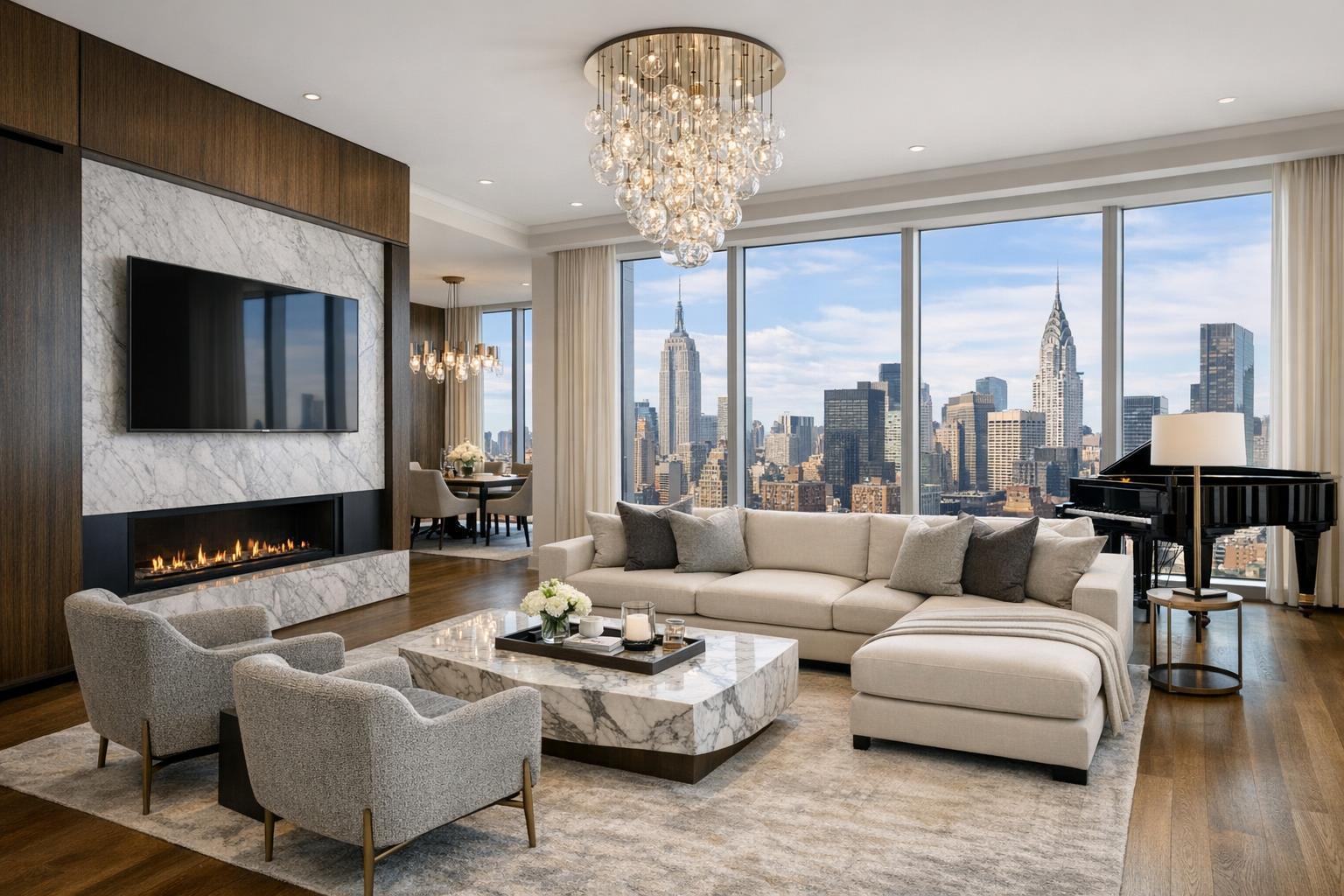
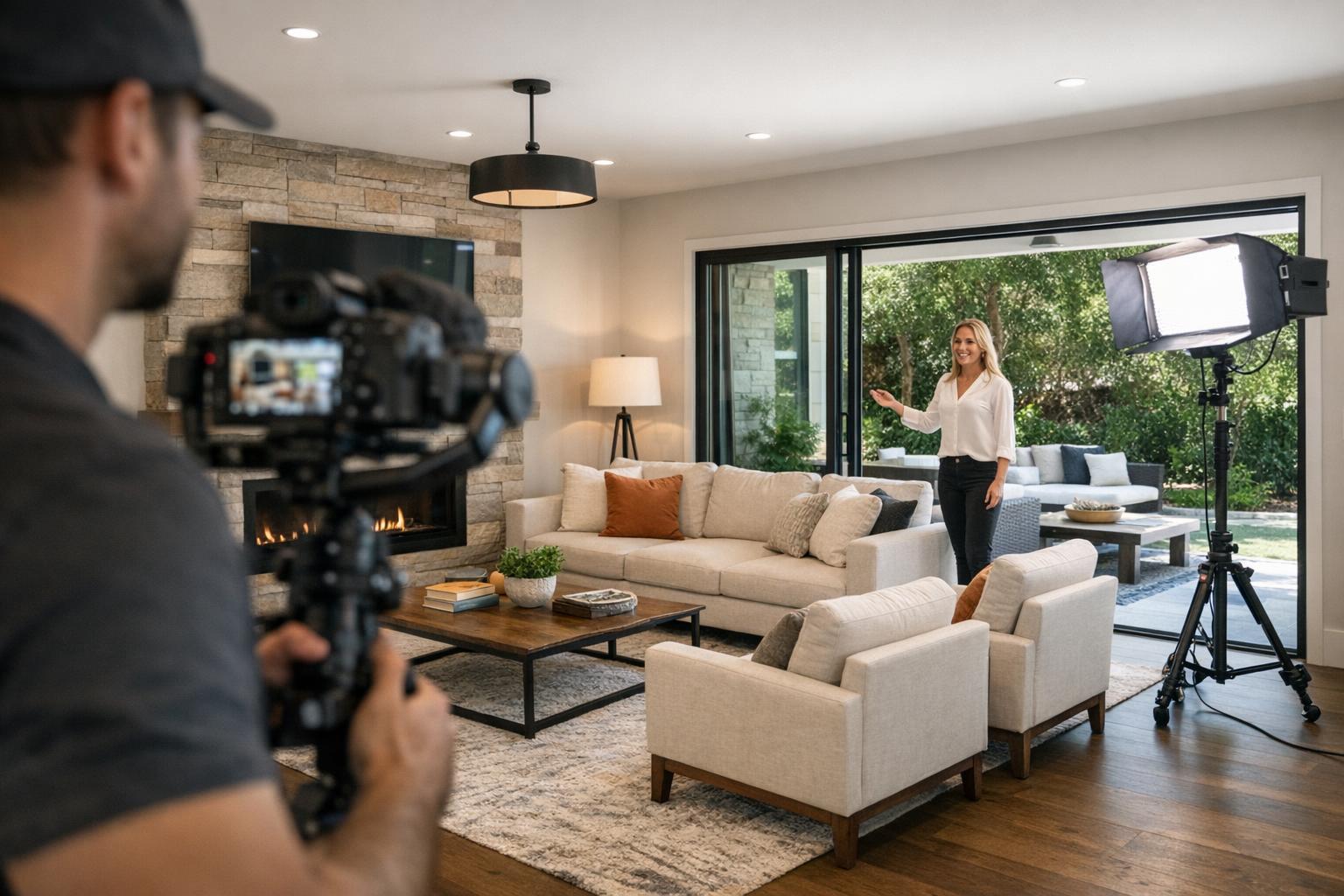
A real estate videography shoot near me captures a luxurious living room with a photographer and a presenter showcasing the space.

How to Choose Real Estate Videography Near Me for Your Next Listing
Looking for real estate videography near me is about more than finding someone with a camera. It’s choosing a partner who understands how to capture the energy, flow, and unique feel of each property—especially in a fast-paced market like NYC or New Jersey. A standout video tour can help buyers or renters truly picture life in a space, showing the connections between rooms and what it’s like to move through the property. But not every local provider works the same way, and what’s “standard” for one listing might be a poor fit for another.
If you’re evaluating local property video services, here’s how to make sure you’re hiring the right expert for your next listing, whether it’s a snug Manhattan apartment, a character-filled Brooklyn brownstone, or a sprawling North Jersey home.
On-Site Video vs. Photo Slideshows: Start With the Basics
The first—and most important—question to ask a videography provider is how the video will actually be captured. Some services put together slideshows using still photos, often set to music or animated with slides and pans. These can be useful for quick marketing recaps, but if you want to show true room-to-room flow or make a property feel alive, you need video that’s shot on-site.
A real estate video tour filmed on location creates movement and context. The camera glides through entryways into living rooms, turns through halls to highlight kitchens and bedrooms, and captures how one space leads into the next. This is especially valuable for homes with unique layouts or memorable transitions—think open layouts, rooftop terraces, or a dramatic parlor entrance.
Before you book, ask:
- Is the video shot at the property or assembled from photos?
- Will you see actual movement from room to room?
- What combination of video, photos, or other media will be used?
- Can you choose different formats or lengths to suit your marketing plan?
At RealtaSnap, listing videos are always captured on-site for that specific property—a policy that helps each home tell its own story and stand out on the market.
Match the Videography Style to the Listing
Not every listing needs the same visual approach. A good videographer will adapt their style to the property at hand.
- Manhattan Apartments: In many city apartments, every second of video needs to count. Footage should efficiently highlight entryways, main rooms, kitchen details, natural light, and storage without lingering on every angle. This avoids making a compact space feel even smaller or repetitive. It's also smart to share building access info—like elevator procedures or security rules—ahead of time so the shoot is efficient and respectful.
- Brooklyn Brownstones: These homes are all about progression. A video might follow the arc from the front stoop through the parlor, down to the kitchen, and out to a backyard or garden. High ceilings, built-ins, and historic details deserve intentional, measured coverage. You want viewers to walk away understanding the sequence and connection from floor to floor.
- North Jersey Homes: Larger suburban homes may need a broader approach. It’s often about helping viewers understand distinct zones—formal living spaces, family areas, multiple bedrooms, basements, and outdoor amenities like pools or patios. A strong video showcases what makes these larger properties feel approachable rather than overwhelming.
Planning Room-to-Room Flow
A real estate video isn’t simply a collection of pretty scenes—it should have a natural, logical path. When hiring, discuss how your videographer plans to capture:
- Opening shots and introductions
- Movements from entry into the main living space
- Transitions between connected or separate rooms
- Bedrooms, bathrooms, utility, and secondary areas
- Exteriors and outdoor spaces
- The closing segment, call-to-action, or brand marks
Some listings do best with a classic walkthrough route, while others might focus more heavily on gathering spaces or signature features. What matters most is that the video feels tailored, not templated. If a provider talks only about gear or effects but can’t describe the planned flow, keep looking.
Review Work That Matches Your Property Type
A strong portfolio isn’t enough unless it includes examples similar to your listing. Look for videos of properties with comparable size, layout, and lighting challenges:
- Compact apartments or condos
- Multi-level brownstones or townhouses
- Homes with varying sunlight and shadow
- Properties with finished basements or outdoor living spaces
- Listings where design details or history matter
While watching sample videos, consider:
- Are transitions smooth and logical?
- Does the sequencing help you understand the layout?
- Is the editing modern but restrained, or does it distract from the room’s features?
- Are important architectural details—like windows or staircases—handled well?
You can find sample work on the RealtaSnap website or social channels.
Choose the Right Deliverable for the Right Platform
Think carefully about how, where, and by whom the final video will be used. A long property video is perfect for a listing site or full walkthrough, while a short, social-ready clip (like an Instagram Reel) quickly grabs attention in a feed. Trailers serve as enticing previews that point people toward a full tour.
Clarify your needs up front:
- Will you need the main video plus alternate cuts for social media?
- Should the deliverable be vertical, square, or widescreen?
- Is raw footage needed for team editing later?
RealtaSnap offers several flexible video options—from standard and premium property tours to agent-narrated interviews—plus add-ons like a 30-second trailer or social media cut.
When Does Drone Video Make Sense?
Drone footage is a powerful way to showcase setting, exterior features, or the property’s relationship to its surroundings. In a city, an aerial view may supply context for the building’s location or neighborhood landmarks. In more open areas, drone video can highlight outdoor amenities, lot lines, or scenic views.
However, drone flights depend on conditions like airspace, access, weather, safety, and local rules—and are always subject to pilot judgment. If aerial coverage is important for your listing, bring it up early and get clarity on what’s realistic.
Clear Communication and Easy Scheduling
Quality video is important, but so is making the process hassle-free. Your provider should set expectations around:
- Address, building access, and parking
- Occupancy and prep status (is the space empty, staged, or lived-in?)
- Any building or community guidelines
- Highlight features or areas that matter most
- Whether people may appear on-camera
- How you plan to use the video (site, marketing materials, social, etc.)
- Target timelines for delivery
For standard bookings, RealtaSnap uses an online scheduling system. Just go to www.RealtaSnap.com/schedule, select services, add notes, confirm a time, and check out securely. Bookings require 24 hours’ notice and show only available slots.
Preparing for a Successful Shoot
Treat video day much like a photography appointment—just remember, video captures more continuous sequences and broader sightlines. To help things go smoothly:
- Turn on all lights in main spaces
- Clear visible countertops, floors, and surfaces
- Remove unnecessary or temporary items (cords, pet items, supplies)
- Open blinds or shades if natural light supports the room
- Communicate access needs or priority features up front
Smart Questions to Ask Before You Hire
Don’t hesitate to get specific with potential providers. Good questions might include:
- Will the video be filmed on-site, or is it a slideshow from stills?
- What video options would you recommend for this property?
- How will you highlight connections between rooms?
- Do you have experience with similar listings or layouts?
- What can I do to prepare the space?
- Are alternate edits or social cuts available?
- Is drone footage realistic here, and what needs to be checked first?
- How should I provide access information or special notes?
A professional provider should be able to outline their process, deliverables, and expectations without over-promising or making guarantees about market impact.
Local Video Pros Make the Process Easier
At the end of the day, finding local property video services is about partnering with someone who gets your market and your marketing goals. Prioritize on-site capture, attention to flow, relevant property experience, editing that supports your listing, and flexible options that work with your overall campaign.
For property video tours and more in NYC and New Jersey, RealtaSnap provides a range of on-site videography options, including specialized edits for social media or quick trailers as needed. Explore services or book a shoot anytime at www.RealtaSnap.com.
FAQ
Question: What makes an on-site property video different from a photo slideshow?
Answer: An on-site property video is filmed at the location, allowing you to see actual movement and room-to-room connections. A photo slideshow is made from still images with added music or animation but doesn’t show how spaces link together or how you’d actually experience the property.
Question: Is drone video always available for any listing?
Answer: Drone coverage is offered on a case-by-case basis and depends on factors like airspace restrictions, weather, safety, and whether there’s accessible roof or outdoor space. If you’re interested in drone footage, discuss the location early to see what’s possible.
Question: How should I get my property ready for real estate video?
Answer: Prepare much like you would for professional photos: turn on all main lights, tidy up visible areas, remove temporary items, and let your videographer know about any specific access instructions or key features you want to highlight. Video covers more ground and continuous angles, so preparing every visible space is important.