What to Look for in Luxury Real Estate Photography for NYC Listings
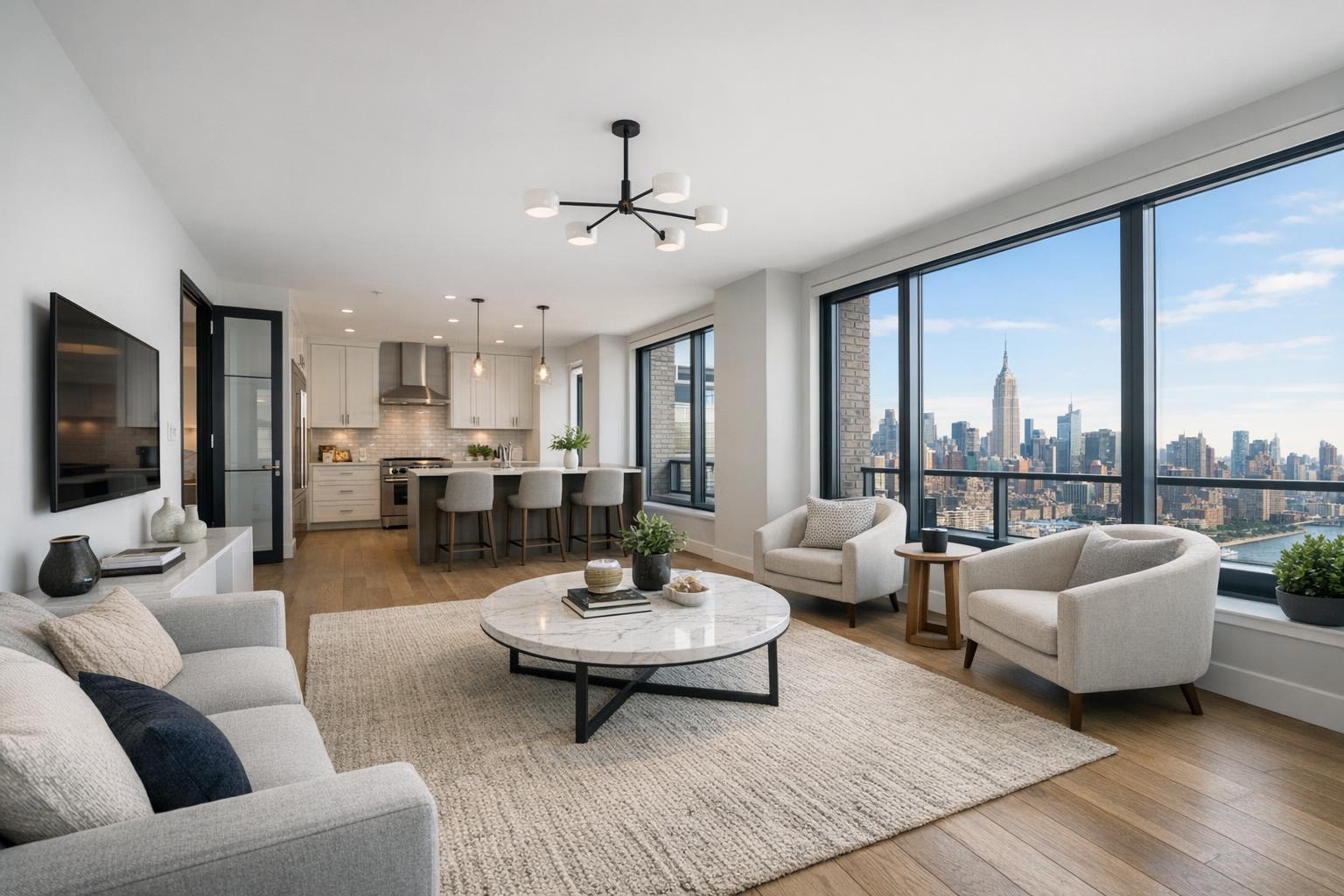
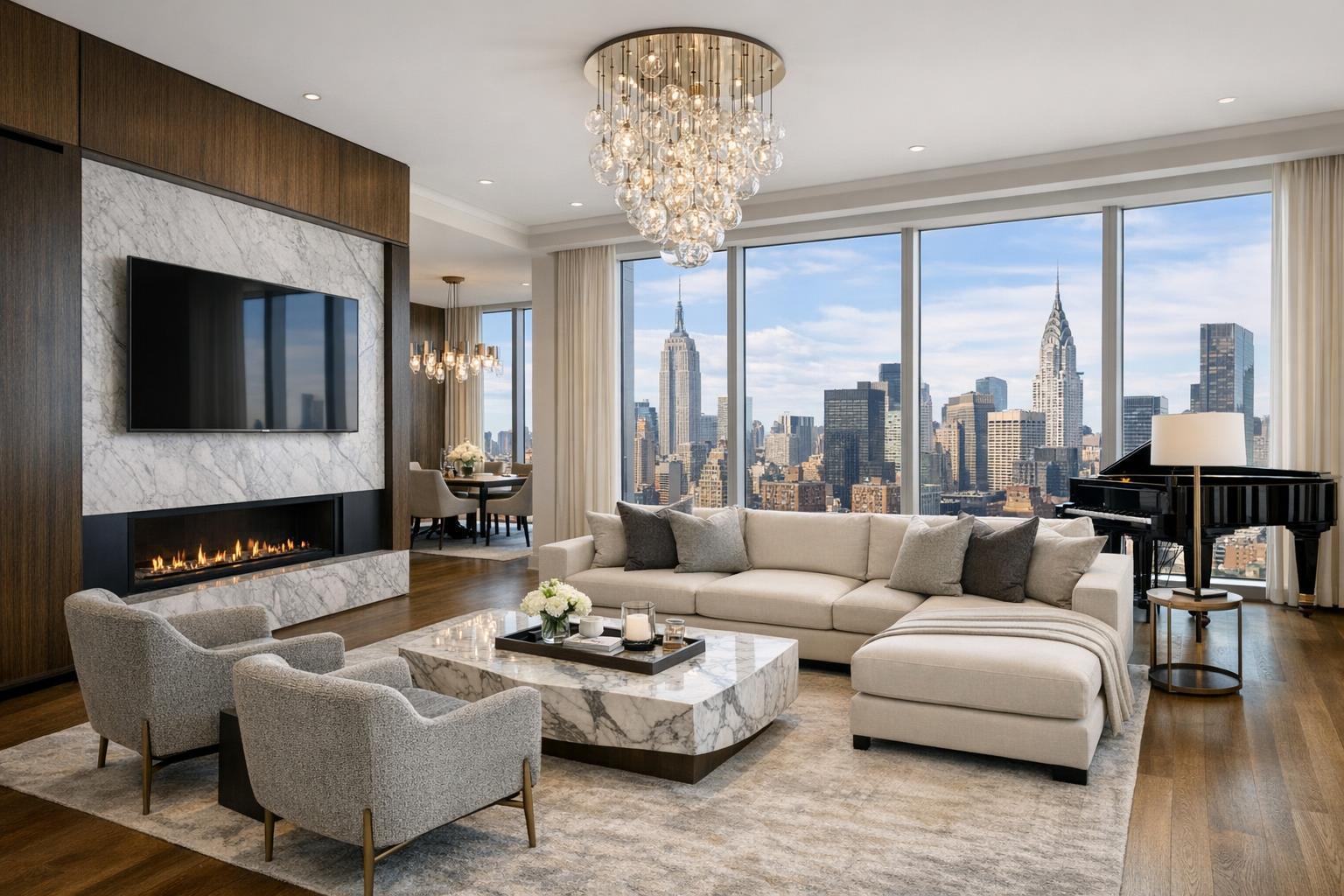
A luxurious living room features elegant furniture, a striking chandelier, a modern fireplace, and panoramic city views framed by large windows, epitomizing high-end real estate photography.

What to Look for in Luxury Real Estate Photography for NYC Listings
Luxury real estate photography in New York City is about much more than brighter spaces or ultra-wide angles. For agents, brokers, and developers tasked with presenting a high-end listing, the images should clarify what makes a property unique—its layout, finishes, views, and architectural character—long before a potential buyer ever steps through the door.
Choosing a luxury real estate photographer in NYC isn’t simply a decision about camera skills or editing style. Each property—whether it’s a Manhattan condo, a Brooklyn brownstone, or a large New Jersey home—deserves its own visual strategy. A skilled photographer will adapt, emphasizing different features to match the personality and selling points of each space.
What Sets Luxury Property Photography Apart
Unlike standard real estate photos, high-end property photography is more restrained and nuanced. The images should feel considered, not over-produced. For upscale homes, it’s the job of the photographer to let important details shine—like intricate millwork, custom lighting, or layered views—without making the house feel staged for a design magazine. The essential goal is clarity: letting buyers honestly assess the space.
A strong set of images should address what buyers want to know:
- What does the main living space feel like?
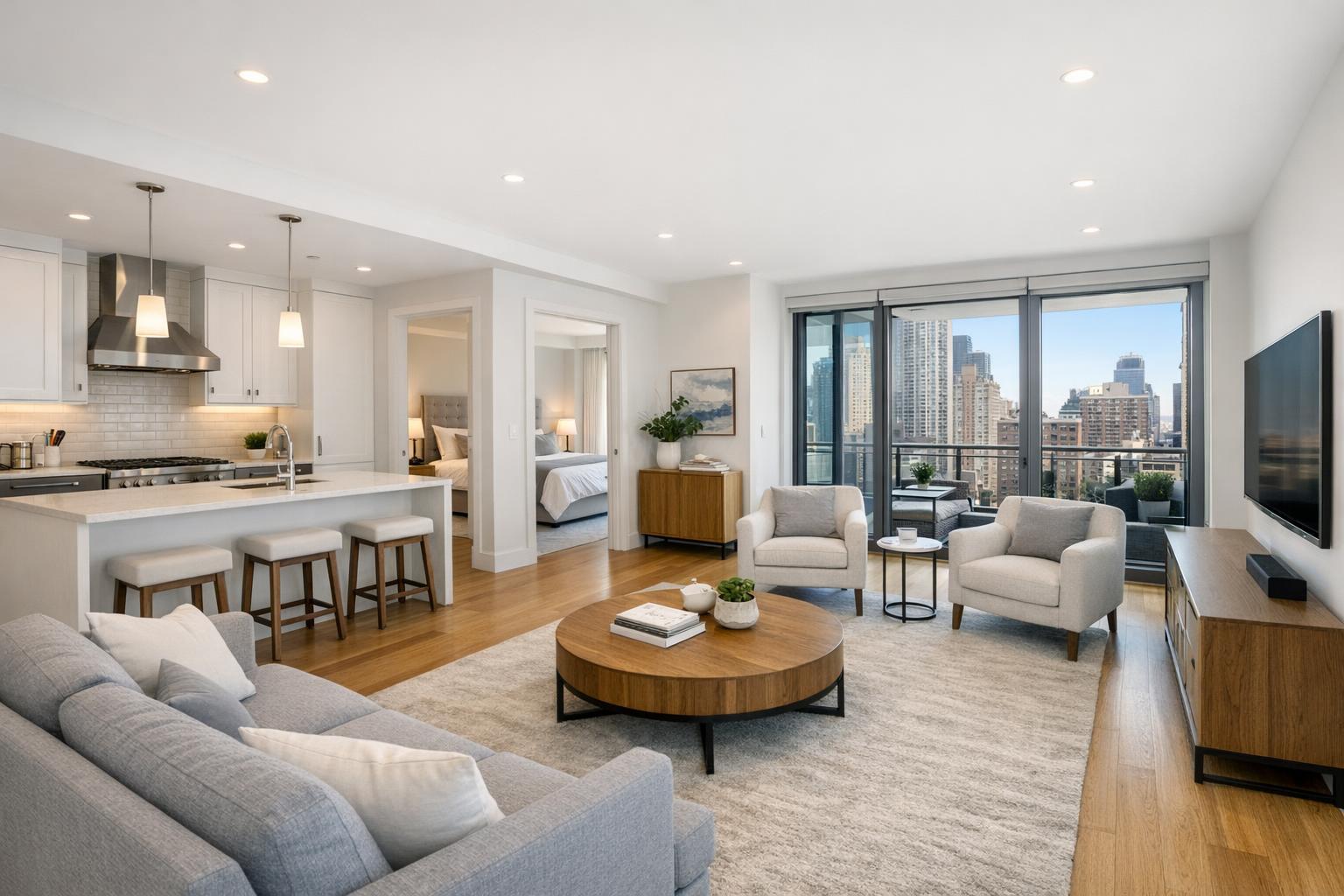
- How do rooms connect, and is there real flow between kitchen, living, and entertaining spaces?
- Are meaningful outdoor elements—views, terraces, gardens—well-represented?
- What finishes or architectural elements make the property distinct?
- Does each photo preserve the actual scale and proportions?
Over-brightening, extreme wide angles, and excessive editing can make a listing less trustworthy and harder for buyers to understand. Instead, luxury real estate photography for NYC and New Jersey listings should balance honesty with elegance.
Composition and Visual Flow
The way a property is photographed has a profound effect on perception. Great composition begins with respect for the architecture—images should be thoughtfully framed to highlight a room’s best features. Sometimes this means emphasizing symmetry; other times, it’s about angles that showcase a fireplace, a striking staircase, or the relationship between open rooms.
Wide-angle photos are important, but only when they clarify rather than distort. An expertly executed wide shot might show a Manhattan living room’s footprint while keeping window scale and ceiling height intact. In a Brooklyn brownstone, the best perspective may follow the parlor floor’s axis or give a peek at the garden through original French doors. A New Jersey home with acreage may call for wider views, but those images must still feel grounded in reality.
Just as important is the sequencing of photos. A well-chosen series walks buyers through the home logically, establishing public spaces, demonstrating how rooms connect, and making sure that private spaces like bedrooms and baths are given due attention. Detail images—think custom hardware or intricate stonework—should complement, not replace, wide views of each key room.
Window Views, Natural Light, and True Exposure
Among the most desirable features in NYC luxury listings are the views: skyline, river, or garden. Capturing them accurately is technically demanding. If window light overwhelms the room in photos, views become blank; exposed for interior shadows, those city or water vistas disappear.
A luxury real estate photographer will use nuanced lighting technique and layered exposures so buyers can see both space and view. Sometimes that means the window should be crystal clear; in other rooms, a softer treatment feels more natural. The right approach depends on whether views are fundamental to the value or more about ambience.
This sensitivity is especially important for:
- Corner apartments with dramatic exposures
- Penthouses and properties with terraces or roof decks
- Brownstones with large rear gardens
- New Jersey homes that showcase landscape, pools, or water features
Color and Finish: Making the Details Trustworthy
Luxury homes often feature a curated blend of woods, stones, metals, and layered lighting that can be hard to capture. True-to-life colors are essential, especially when marketing to design-savvy buyers. Cool editing can turn warm millwork gray; heavy saturation can distort paint, landscaping, or fabric tones.
Photos should consistently match how the property looks in person—in a sun-drenched kitchen, a cozy library finished in dark wood, or a marble-clad primary bath. Rooms need to feel coherent across the gallery, so buyers experience the property as a real home, not a collection of mismatched images.
The Role of Detail Shots
Detail images bring craftsmanship forward—a close-up of a carved stair rail, a bespoke light fixture, or original wood finishes in a historic home. In NYC and New Jersey, features like restored millwork or brand-new kitchen finishes tell a story about quality.
Still, detail photos should supplement a well-rounded set of room images—not replace them. Close-ups are most persuasive after the essential spaces have been clearly presented. For example, a Brooklyn brownstone might warrant a tight shot of original stained glass only if there’s also a wide photo that puts that craftsmanship in context.
Thoughtful Editing, Not Reinvention
Careful post-production can enhance a property—bringing balance to exposure, aligning verticals, and minimizing distractions. However, editing should never cross into misrepresentation. Real estate photos should not remove permanent fixtures, alter layouts, or depict conditions that don’t exist.
For empty spaces, virtual staging can help buyers envision possibilities, but results are best when a room is clear of furniture and clutter. Techniques like virtual twilight or selective object removal should support, not overshadow, the property.
Reviewing Portfolios Like a Pro
When hiring a luxury real estate photographer in NYC or New Jersey, sample galleries reveal far more than showy compositions. As you review portfolios, ask:
- Do the rooms look spacious but natural?
- Are architectural lines—walls, windows, cabinets—correct?
- Are signature views visible and balanced with the interior?
- Is the color credible across various lighting scenarios?
- Does the collection support a logical room-to-room progression?
- Is attention evenly split between main rooms and important details?
- Does the photographer show a range of property types (condos, brownstones, larger homes)?
If you’re preparing a particular kind of listing, look for past projects with similar qualities. Consistency, adaptability, and judgment matter more than one-off dramatic shots.
Getting the Home Ready: Preparation Matters
The best photography starts before the shoot. Make the most of your session by preparing:
- Clear away visible clutter from kitchens, bathrooms, and nightstands
- Remove personal items, cleaning supplies, cord tangles, and trash bins
- Straighten bedding, pillows, and window treatments
- Turn on all working lights; replace burned-out bulbs
- Open curtains and shades thoughtfully—let the view in if it adds value
- Ensure access to terraces, roof decks, or amenities you want to highlight
- Notify the photographer of hidden features like smart home tech or rooftop views
In NYC, consider building access, elevator timing, and lobby restrictions. For brownstones or detached homes, curb appeal—no stray bins or hoses—makes a difference.
For a full guide to photo prep, you can visit the RealtaSnap preparation checklist.
Imaging Choices Beyond Still Photography
While photography remains the backbone of luxury listing presentation, certain properties benefit from expanded media:
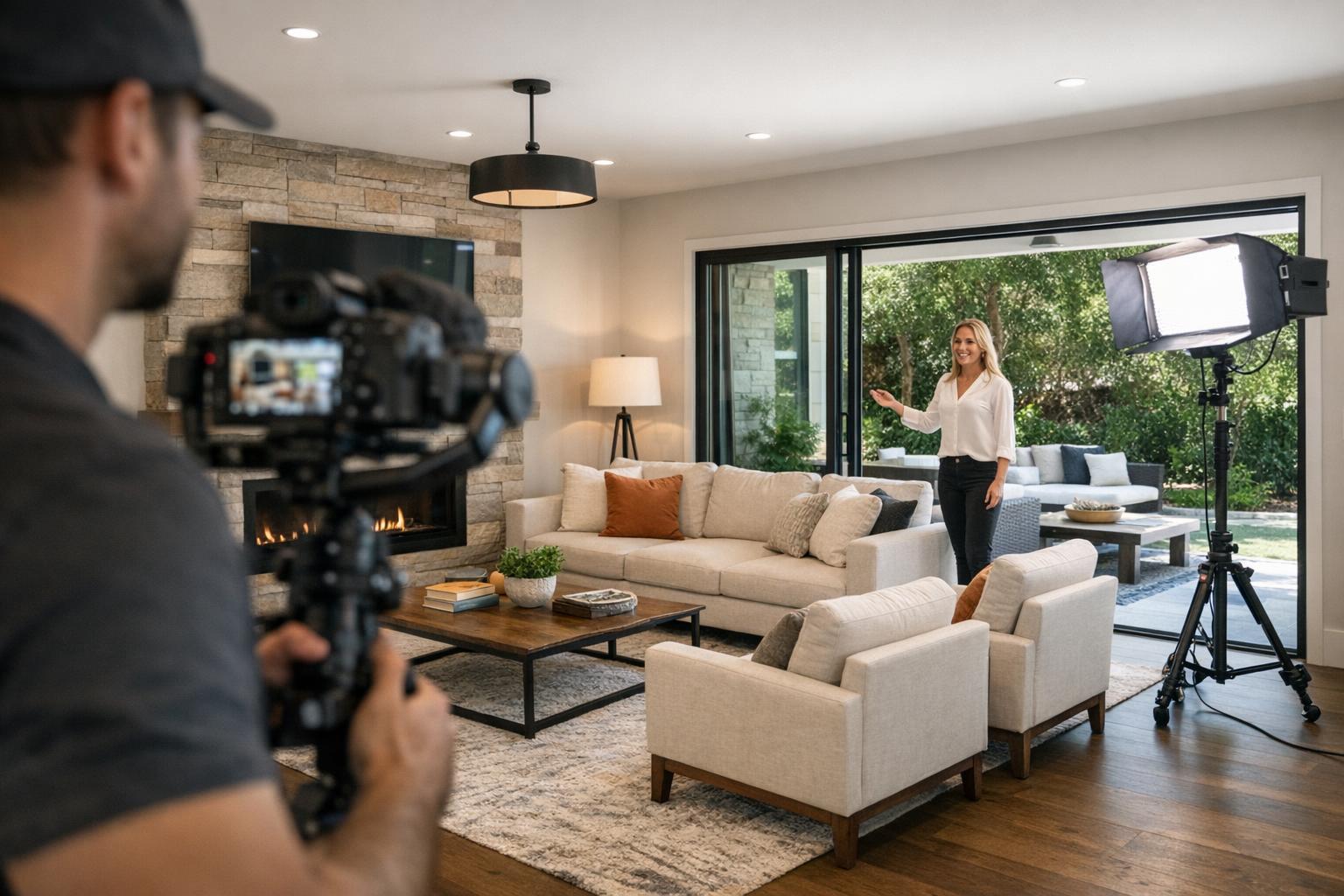
- On-site video is ideal for homes with a powerful sense of movement, dramatic lighting, or expansive terraces and gardens
- Floor plans help buyers understand unusual or sprawling layouts, especially in multi-level or reconfigured homes
- 3D virtual tours (such as Matterport) support remote buyers who want to “walk through” at their pace
- Drone imagery offers aerial context, subject to FAA rules, airspace, weather, and the discretion of the pilot—especially relevant for New Jersey estates or NYC penthouses with compelling surroundings
These tools are most effective when thoughtfully matched to the property’s character and marketing story.
For a closer look at what’s available for NYC listings, see RealtaSnap’s real estate photography services.
Setting the Standard for High-End Listing Photography
Great luxury real estate photography makes understanding a property effortless. Clear images, authentic views, and orderly visual flow help buyers connect—not just dream. The right photographer captures what makes a home memorable without over-processing or misrepresenting it.
For real estate professionals in NYC and New Jersey, RealtaSnap specializes in market-focused photography and media designed to present high-end listings clearly and credibly. If you’re preparing a new property, take some time to review past client galleries, prep thoroughly, and partner with a team that brings considered judgment to every shoot.
If you’re planning an upcoming listing and want to discuss the best photography approach, visit www.RealtaSnap.com.
FAQ
Question: What distinguishes luxury real estate photography from typical listing photos?
Answer: Luxury property photography is about judgment, not just brightness or wide angles. Photographers focus on architectural lines, true-to-life materials, window views, balanced lighting, and a logical series of images to help buyers understand not only how the space looks but how it feels.
Question: Are detail shots necessary in every luxury listing?
Answer: Not always, but well-chosen detail images can highlight unique craftsmanship or premium finishes—like custom fixtures or historic millwork—that may get lost in wide shots. Details should supplement strong full-room photos, not replace them.
Question: How should I prepare my NYC property for a high-end photo shoot?
Answer: Tidy and declutter all main spaces. Remove or minimize personal items, ensure lights work, open shades for views, and confirm access to any area you want photographed. Let your photographer know about special features or amenities that should be included. Careful preparation is the best way to make the most of your session.