How to Choose a Real Estate Photography Company in NYC
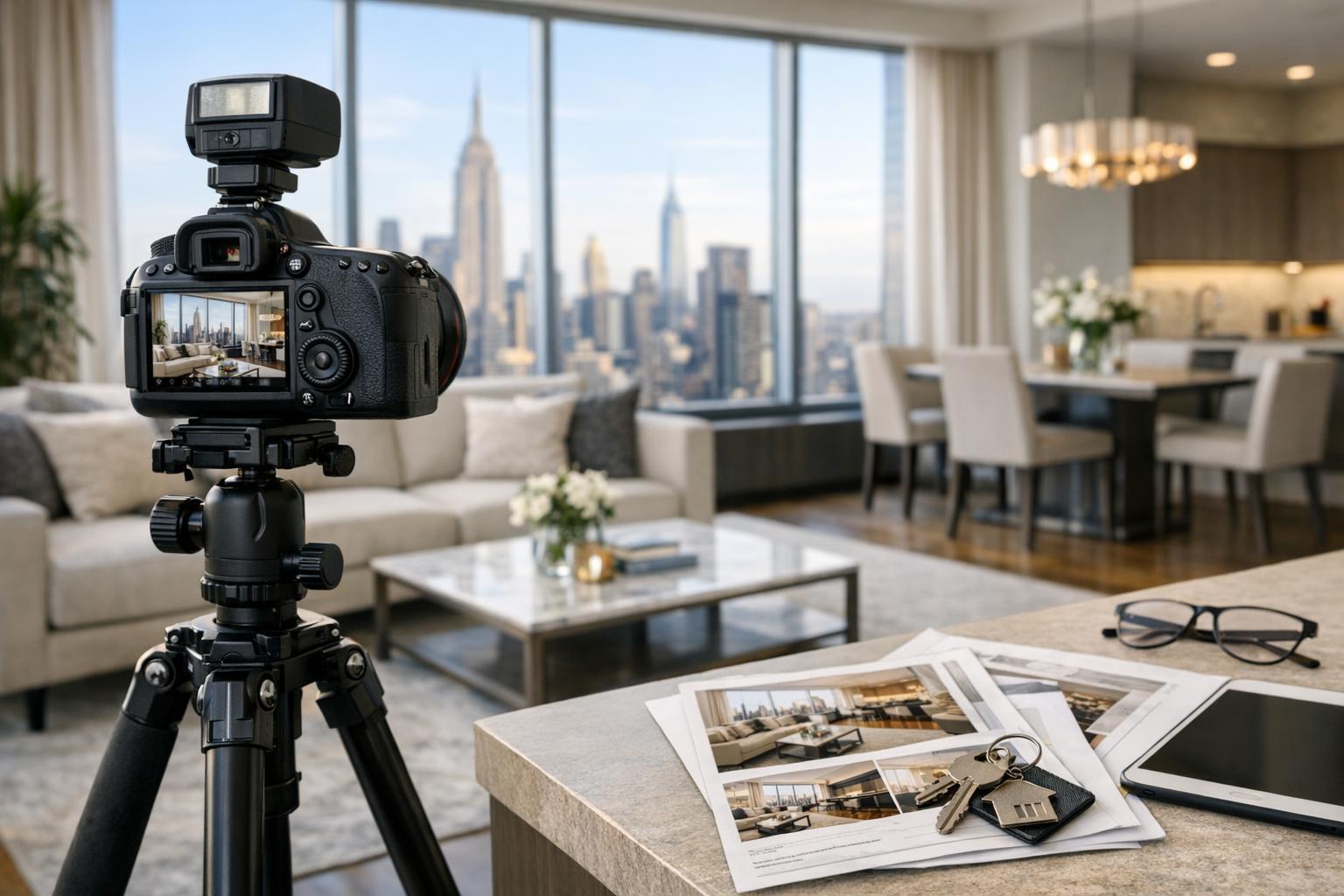
A professional camera setup captures an elegant apartment with a stunning cityscape backdrop, showcasing the expert work of a real estate photography company in NYC.

How to Choose a Real Estate Photography Company in NYC
Selecting a real estate photography company in NYC is about more than browsing attractive portfolios or Instagram feeds. For New York City agents, brokers, property managers, and owners, the challenge is finding a media partner who can handle everything from the quirks of pre-war apartments to the demands of fast-paced listing timelines, all while delivering images and media that present your property honestly and clearly.
Let’s break down the decisions that matter if you want reliable results—and share what to look for in NYC property media providers, whether you’re managing a rental, prepping a condo for market, or getting a brownstone ready to shine.
Beyond the Portfolio: Evaluating Real Capability
Almost every real estate photography service makes its best images front and center. That’s useful, but it tells you little about their consistency or adaptability. NYC’s residential mix is unlike any other market, with compact studios, grand brownstones, amenity-rich condos, and plenty of lived-in spaces. Can your photographer handle them all?
What to look for:
- Browse full listing galleries, not just hero shots. A complete gallery shows whether the photographer keeps quality high across all types of rooms and lighting.
- See if their experience includes your usual property types—think studios, one-bedrooms, Brooklyn brownstones, townhomes, and new developments.
- Notice how they handle furnished or occupied homes, and whether commercial or mixed-use spaces look well-represented.
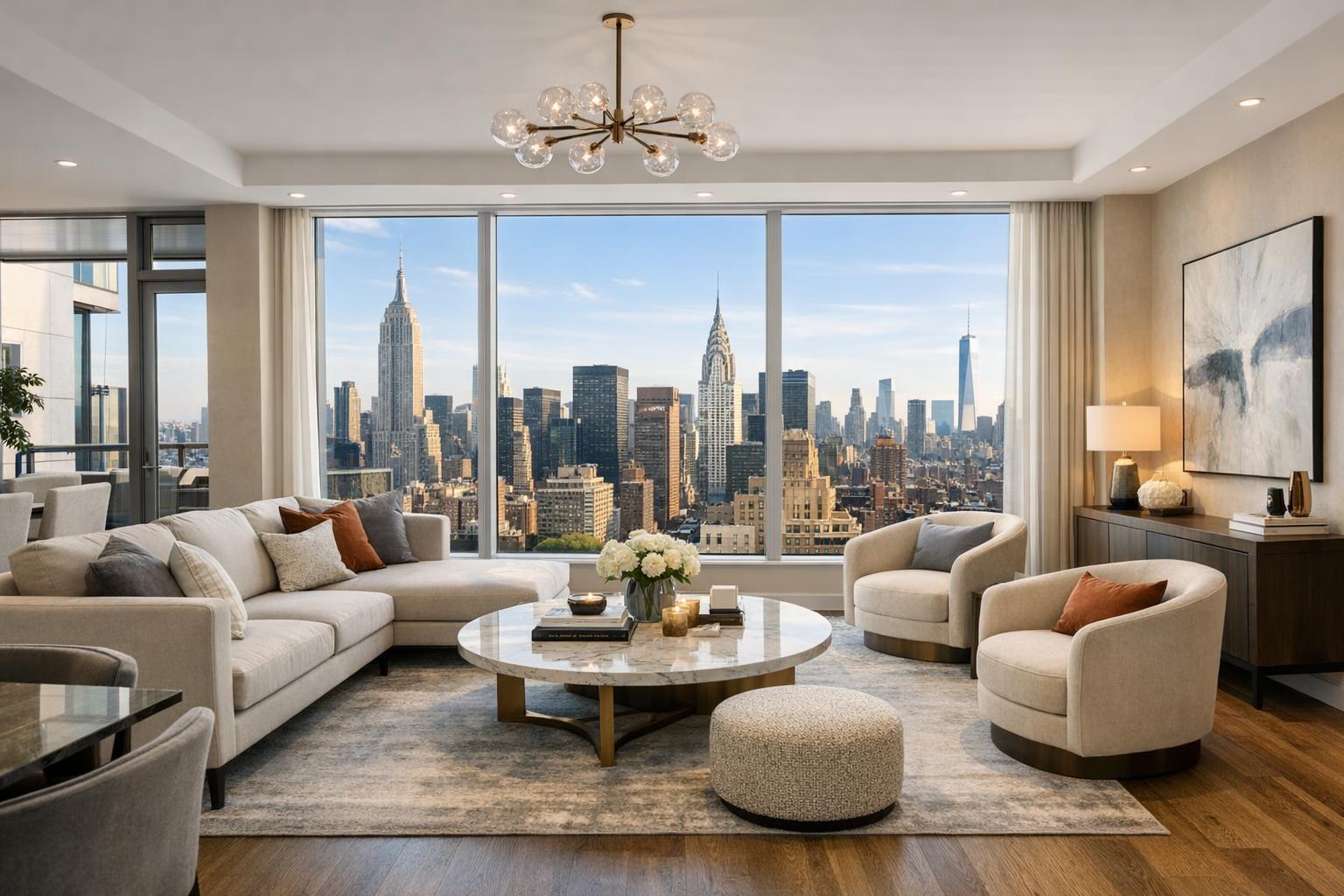
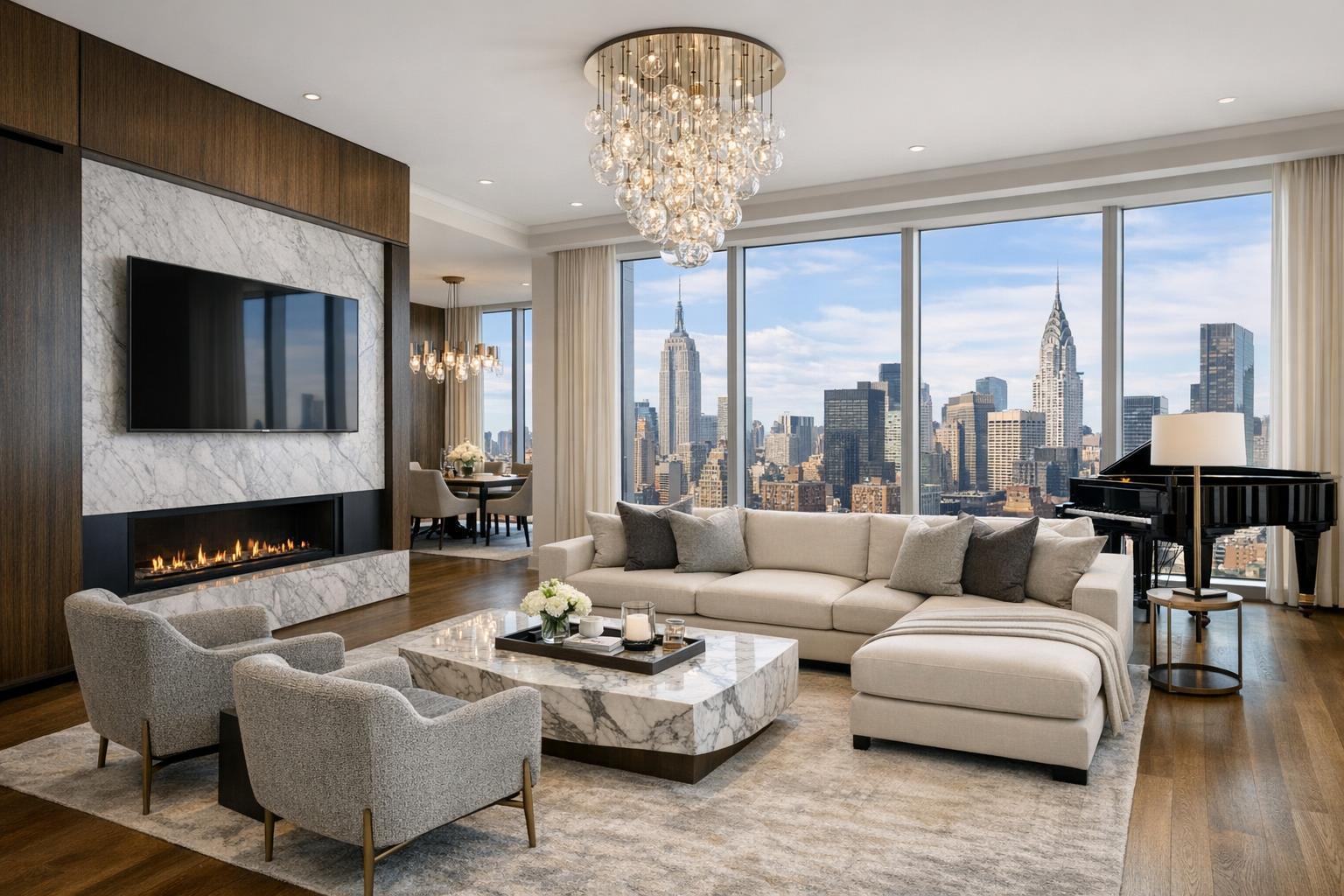
A great real estate photographer can showcase a sweeping condo with skyline views, then step into a railroad-style apartment and still deliver honest, inviting photos a buyer or renter can rely on.
Space, Light, and Architecture: Reading the Photos
An effective real estate gallery should provide clarity—not confusion—about a property’s shape, size, and features.
- Room proportions: Wide-angle lenses help in NYC's tight quarters, but overuse can make rooms look distorted or misleading. The best work keeps doors, furniture, and architectural elements looking natural.
- Straight verticals: Tall windows, detailed millwork, staircases, and railings are hallmarks of New York interiors. Photos should keep these lines straight so nothing feels “off” or unintentionally tilted.
- Consistent editing: The color and brightness should feel continuous throughout the gallery. If white walls shift color or windows go from blown out to unrealistically clear, that’s a red flag. The point is not to fake perfection, but to give a faithful sense of the ambiance and flow.
NYC Is Different: Local Experience Matters
Photographing properties in New York isn’t just about technical skill. It’s about running the gauntlet of building procedures, resident schedules, tight stairwells, unpredictable light, and restrictive building access policies.
Ask your prospective media provider:
- What preparation checklists or advice do they offer, especially for units that are still occupied?
- How do they navigate building access, doorman procedures, elevator times, insurance requirements, or restricted rooftop amenities?
- Are they proactive about natural light—choosing optimal times, balancing sunlight and interior lighting, and prioritizing a space’s strengths?
Properties may be furnished, full of personal items, or have access limited to narrow time slots. Communication in advance—about what needs to be moved, put away, or prepared—can make all the difference in your final results.
Deliverables and Expectations: Know What You’re Paying For
Not every “photography package” means the same thing. Some companies may show up and hand you 10 quick snapshots; others might provide fifty meticulously edited images plus options for add-ons.
It’s wise to clarify:
- The exact number of edited images you’ll receive.
- If and how extra services like exterior, amenity, outdoor, or rooftop images are included.
- Editing standards—will you get object removal, color balancing, or twilight edits if needed?
- Turnaround time for delivery and the file format/method.
- Whether add-ons like video, floor plans, or virtual tours can be scheduled at the same appointment.
For example, RealtaSnap’s catalog allows you to select between various image counts, add virtual staging, or bundle in video or floor plans as needed. This a la carte structure makes it easier to avoid paying for excess or winding up under-covered for larger listings.
Communication and Scheduling: Why the Process Matters
Listing timelines in NYC are tight. An owner might be leaving town the next day, a tenant is only free between meetings, and your listing might have a narrow window to get on the market. Clear, written communication helps avoid last-minute snags.
The most dependable NYC media providers:
- Make it simple to confirm your appointment, address, access details, services, and any special requests.
- Provide clear preparation instructions.
- Offer up-front expectations on delivery time and file access.
- Welcome questions about unique features, such as combined units, furnished rentals needing cleanup, or requests for specific amenities.
With RealtaSnap, you can book online, selecting your services, entering instructions, choosing available times from a live calendar, and finalizing payment in one smooth process. If a slot is open on the calendar, you can book it without delay—which is especially helpful when managing several listings at once.
When Is Photography Enough—and When Do You Need More?
For many listings, professional still photography is all you need. Clean, honest photos can convey finishes, layout, flow, and visual appeal across the web, social platforms, and brochures.
Additional media comes into play when:
- The property’s story is better told with movement (think video for multi-level spaces or unique layouts).
- Floor plans clarify challenging or expansive layouts.
- 3D virtual tours enable remote or out-of-area viewers to explore spaces interactively.
- Drone images provide context for exteriors, outdoor areas, or settings.
Add-Ons to Consider
- Video: Great for showing spatial flow, especially in larger homes or properties where sequence matters. RealtaSnap’s videos are always shot on-site, creating purpose-driven footage that matches your space—never just a slideshow of stills.
- Floor Plans: Useful for answering common buyer questions about room placement and measurements. RealtaSnap always requires physical access for accurate floor plan capture.
- 3D Tours: Allow viewers to "walk through" the property remotely. Like floor plans, these tours require an in-person scan.
- Drone/Aerial: These images can showcase building surroundings or outdoor features, but feasibility in NYC depends on many factors: airspace, safety, access, weather, and pilot discretion. Roof access improves your chances, but nothing is guaranteed.
Virtual staging is also an option, especially for empty or decluttered spaces. For occupied rooms, RealtaSnap requires that all furniture be removed ahead of time or, if you need a room digitally cleared, clutter-removal editing must be ordered first.
Choosing Smartly: What Sets a Good NYC Property Media Partner Apart
To streamline your decision process, consider these criteria as you compare providers:
- Review galleries of properties comparable to yours, not just highlight reels.
- Look for believability—natural room shapes, consistent lighting, and accurate colors.
- Investigate how the company manages the realities of occupied homes or partial decluttering.
- Ask what’s truly included in the base photo package and clarify extra charges.
- Confirm delivery timing up front.
- Discuss building access, amenities, exteriors, and any unique logistics early.
- Check that they’re upfront about policies for edits, staging, video, floor plans, 3D tours, and drone work.
- Choose a provider who communicates clearly, right from the start.
Ready for Reliable NYC Listing Media?
A dependable real estate photography company in NYC should deliver more than pretty pictures. Look for a consistent technical approach, honest representation, thoughtful editing, and—just as important—smooth scheduling and clear expectations. Adding video, floor plans, 3D, or drone is a smart decision when it serves specific listing needs, not just as a generic upsell.
If streamlined, professional NYC real estate media would simplify your next listing, you can learn more or get started at www.RealtaSnap.com.
FAQ
Question: How far ahead should I schedule real estate photography for NYC listings?
Answer: Booking in advance gives you the freedom to coordinate tenants, building staff, or staging. With RealtaSnap, you need just 24 hours’ notice, and you can see the real-time calendar to select available slots.
Question: If my apartment is furnished, should I leave the furniture in for photos?
Answer: Well-arranged furniture often helps buyers understand the scale and use of space, but too much clutter or personalization can be distracting. Spaces should be as tidy and neutral as possible. If you want virtual staging, rooms must be empty or properly cleared—clutter-removal editing may be required otherwise.
Question: Do all NYC listings need floor plans?
Answer: Not always. Floor plans are most helpful for listings with complex or unconventional layouts, separate wings, or multiple floors. Simple apartments may only need clear photographs for buyers to understand the space. Floor plans must be captured on-site for accuracy.