How to Choose a Manhattan Real Estate Photographer for Your Listing
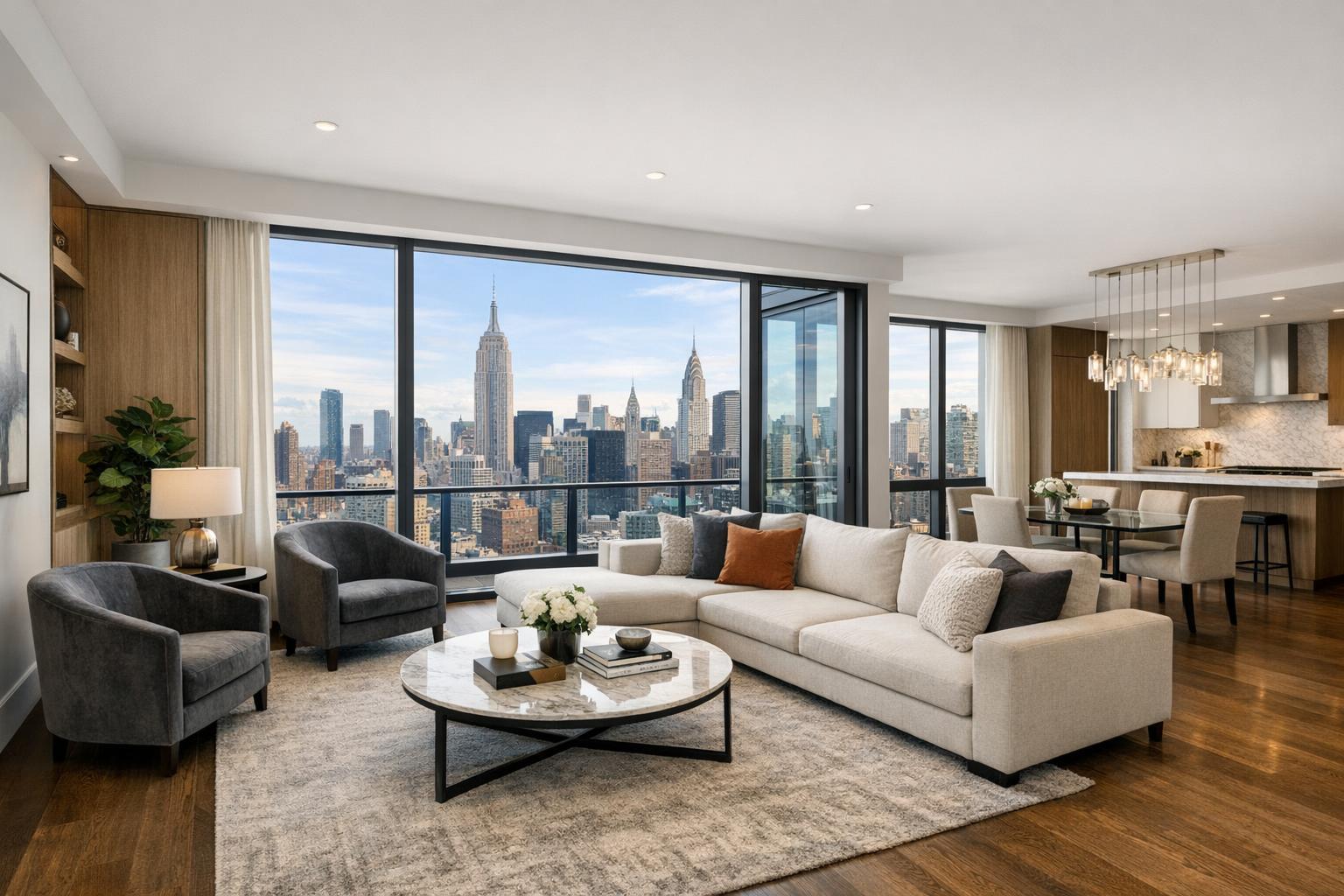
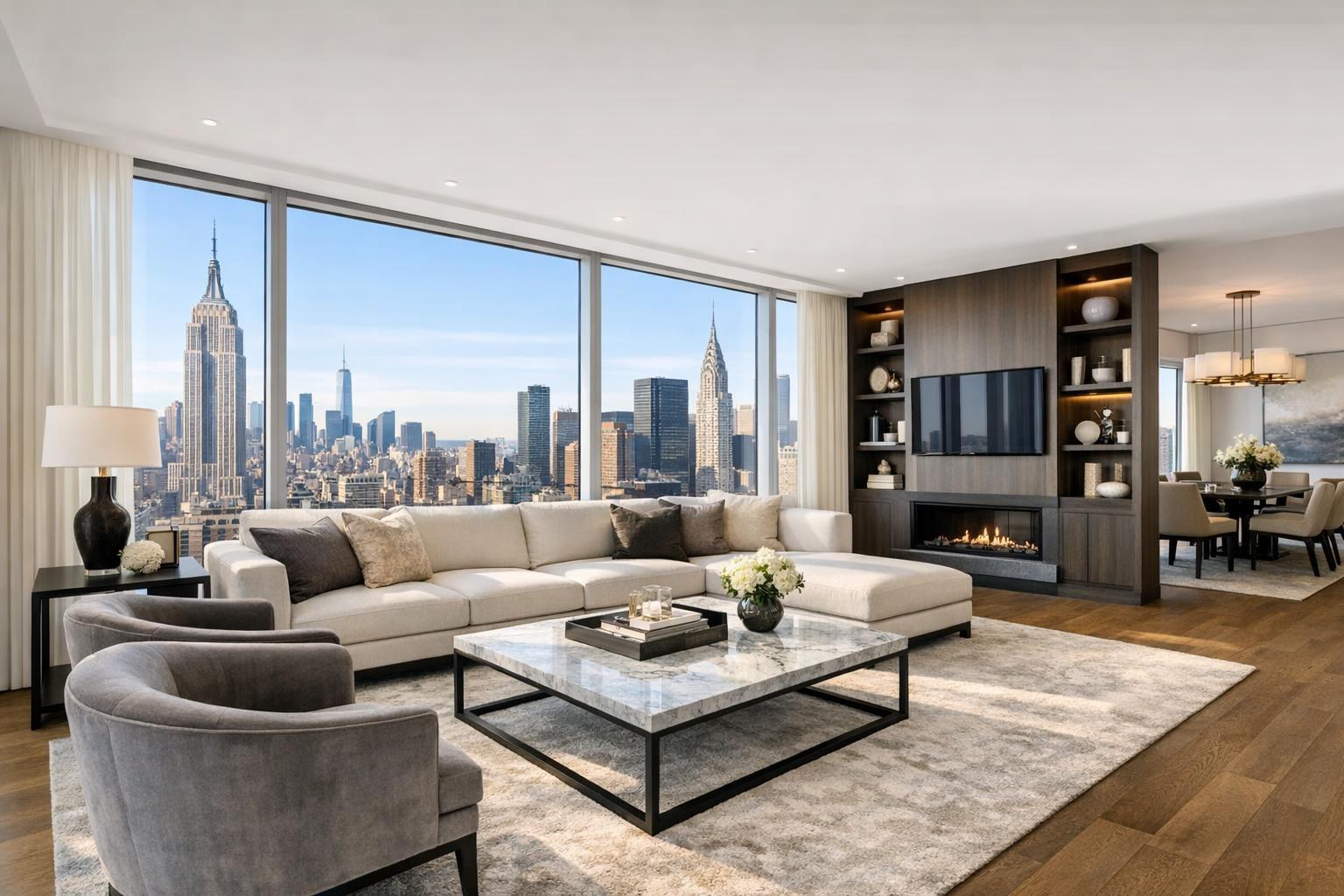
A beautifully captured spacious living area with panoramic city views showcases the skill of a Manhattan real estate photographer.

How to Choose a Manhattan Real Estate Photographer for Your Listing
Selecting a manhattan real estate photographer is a decision that shapes how a property is presented, perceived, and ultimately, how quickly it gains serious buyer interest. In Manhattan’s fast-paced and visually demanding real estate marketplace, attractive interior shots are only one part of the equation. Local apartment layouts, tight timelines, and unique building logistics all play a role. Here’s a deeper look at what to consider when comparing real estate photography services in NYC, and how to match the right media approach to your listing.
Why Portfolio Alone Isn’t Enough
Most agents and property owners start their search by reviewing a photographer’s gallery. That’s important, but a polished portfolio rarely tells the full story. Your listing might have a compact foyer, a wall of windows, tight elevator hours, or just a complicated shooting schedule. What you really want is a photographer who can translate the specific realities of a Manhattan property—small spaces, quirky architecture, challenging light, and unpredictable schedules—into inviting, honest imagery.
Matching Experience to Property Type
Manhattan housing is everything but uniform. What works for a dramatic condo with floor-to-ceiling windows won’t necessarily translate to a pre-war co-op, a brownstone with staircases and backyard gardens, or a neatly furnished studio. As you assess any NYC listing photographer:
- Look for properties in their portfolio similar in size, style, and complexity to your own.
- Notice how they handle lived-in spaces: occupied apartments, long corridors, awkward angles, or multi-level townhouses.
- Don’t focus solely on luxury penthouses—see if they make compact or less-than-ideal rooms feel approachable and understandable.
A solid real estate photographer can make even a small, furnished space feel open and functional, without creating misleading impressions.
Beyond Brightness: What to Look for in Composition
Professional editing is important, but the best photos are built on thoughtful on-site decisions about framing, angle, and perspective.
Navigating Tight and Tricky Spaces
Manhattan real estate frequently means dealing with bow-shaped walls, galley kitchens, or living areas carved from unusual layouts. While wide-angle lenses help show more of a space, poor camera placement can distort a room or exaggerate scale. Skilled photographers strike a balance—images feel spacious but believable, with architectural lines straight and proportions natural. This is especially important when marketing to buyers familiar with Manhattan floor plans and skeptical of too-good-to-be-true visuals.
Managing Windows, Daylight, and Views
Capturing both interior charm and Manhattan’s city views is a technical balancing act. Overexposed cityscapes or “pasted in” window views are a red flag. A good NYC real estate photographer considers when a window is the main event and when interior flow deserves center stage, so the relationship between a home’s light and its layout feels intentional and inviting.
Editing Style: Consistency Over Gimmicks
When reviewing samples, notice the photographer’s editing choices across different rooms:
- Are wall and floor colors natural from shot to shot?
- Do window views look realistic?
- Is interior lighting bright but true to life?
- Are verticals, like doorframes and tall windows, perfectly straight?
- Does the gallery feel unified, or does the style drastically shift between rooms?
Over-filtered or overly stylized images might look impressive online, but can lead to disappointment at showings. Listing photography in Manhattan should represent the real thing—helping buyers trust what they’ll see in person.
Service providers like RealtaSnap emphasize accurate, on-site capture: every photo, video, or floor plan is based on what physically exists on the property, with professional post-production used for clarity and polish, never for creating speculative or misleading changes.
Communication and Building Access: The Overlooked Essentials
Photographing real estate in Manhattan is as much about logistics as it is about lenses. Tight building schedules, required building management approvals, elevator restrictions, and doorman protocols can derail even the best-planned shoot.
To keep things running smoothly, be prepared to share with your photographer:
- Whether management requires advance notice or insurance certificates
- When (and which) elevators will be available
- Check-in and access procedures
- Plans for terrace, rooftop, or garden access
- Who will be on-site for the shoot (seller, tenant, agent, or building rep)
- Any time-of-day restrictions
- How keys or lockbox access will be handled
A reliable photographer will ask about these logistics up front and communicate what they need from you ahead of the appointment.
Should You Add More Than Just Photos?
Photos are essential, but not every listing needs a full menu of media options. Sometimes photography alone is the right call, sometimes complementary formats give buyers a clearer sense of the space.
When Photos Cover It
For straightforward apartments with simple layouts and no special exterior context, great photography is often enough—especially if there’s good natural light or a manageable amount of key rooms that can be covered in a brief gallery.
The Value of Video
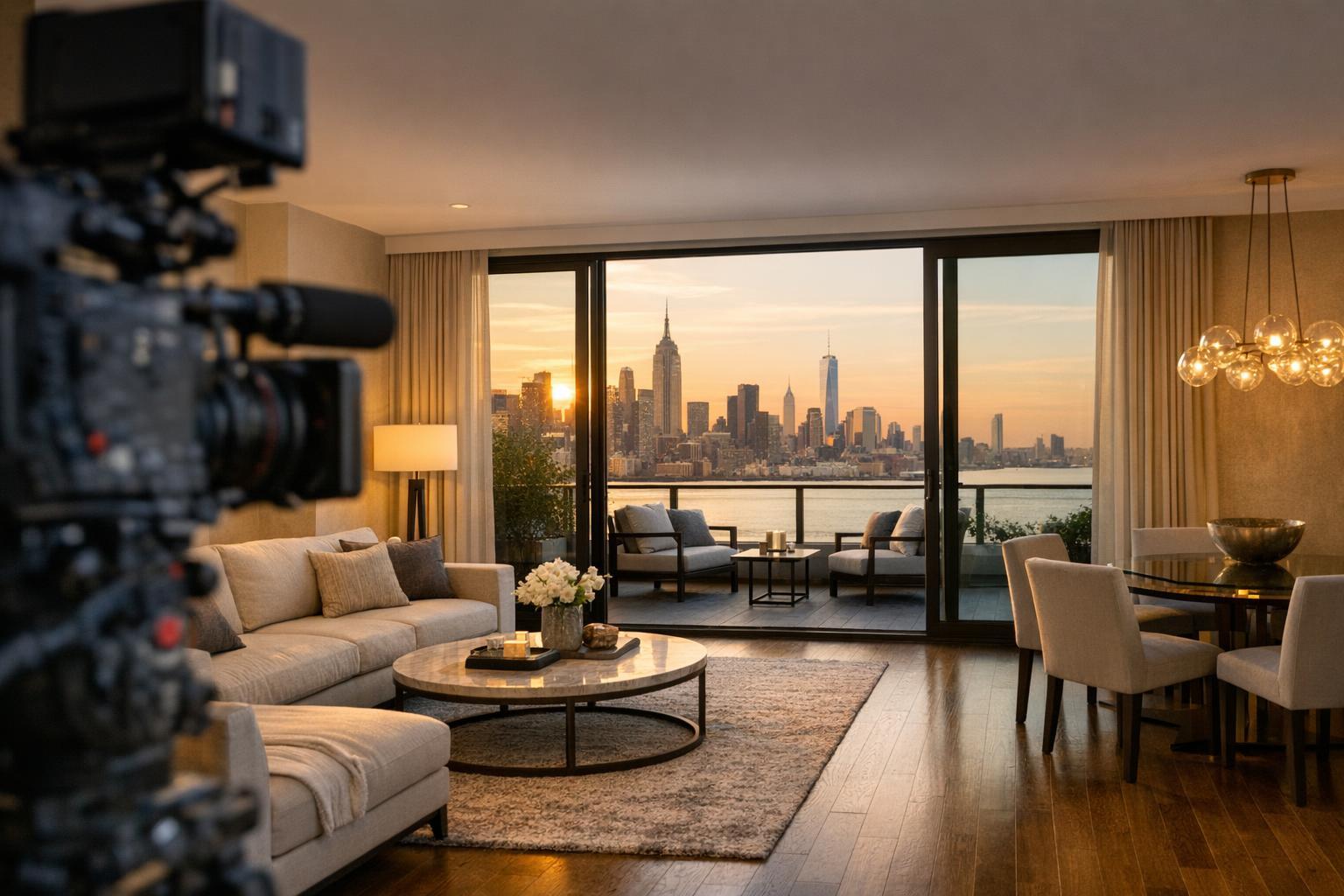
For larger properties, townhouses, or homes where the sequence of rooms or indoor-outdoor flow matters, a short listing video captured on-site can showcase movement, depth, and features that photos alone can’t capture. If you’re considering video, discuss your goals and the property’s highlights with your photographer beforehand.
Floor Plans for Clarity
Floor plans help buyers and agents understand circulation, room relationships, or the positioning of beds and baths—especially useful for apartments with unusual layouts or multi-level homes. Floor plans should be created by physically visiting the property, not based on old building plans or PDFs.
3D Virtual Tours
Interactive virtual tours, such as Matterport, let remote buyers explore properties from any location. They’re especially relevant for out-of-town clients or listings with complicated layouts. Like floor plans, virtual tours require proper on-site scanning.
Virtual Staging
Vacant properties can sometimes feel empty or confusing. Virtual staging gives buyers a sense of how a room could be furnished, as long as the room is completely empty (or all clutter and existing furniture is removed in advance). Adding virtual furniture over existing real furniture is never recommended.
Drone Media—Case by Case
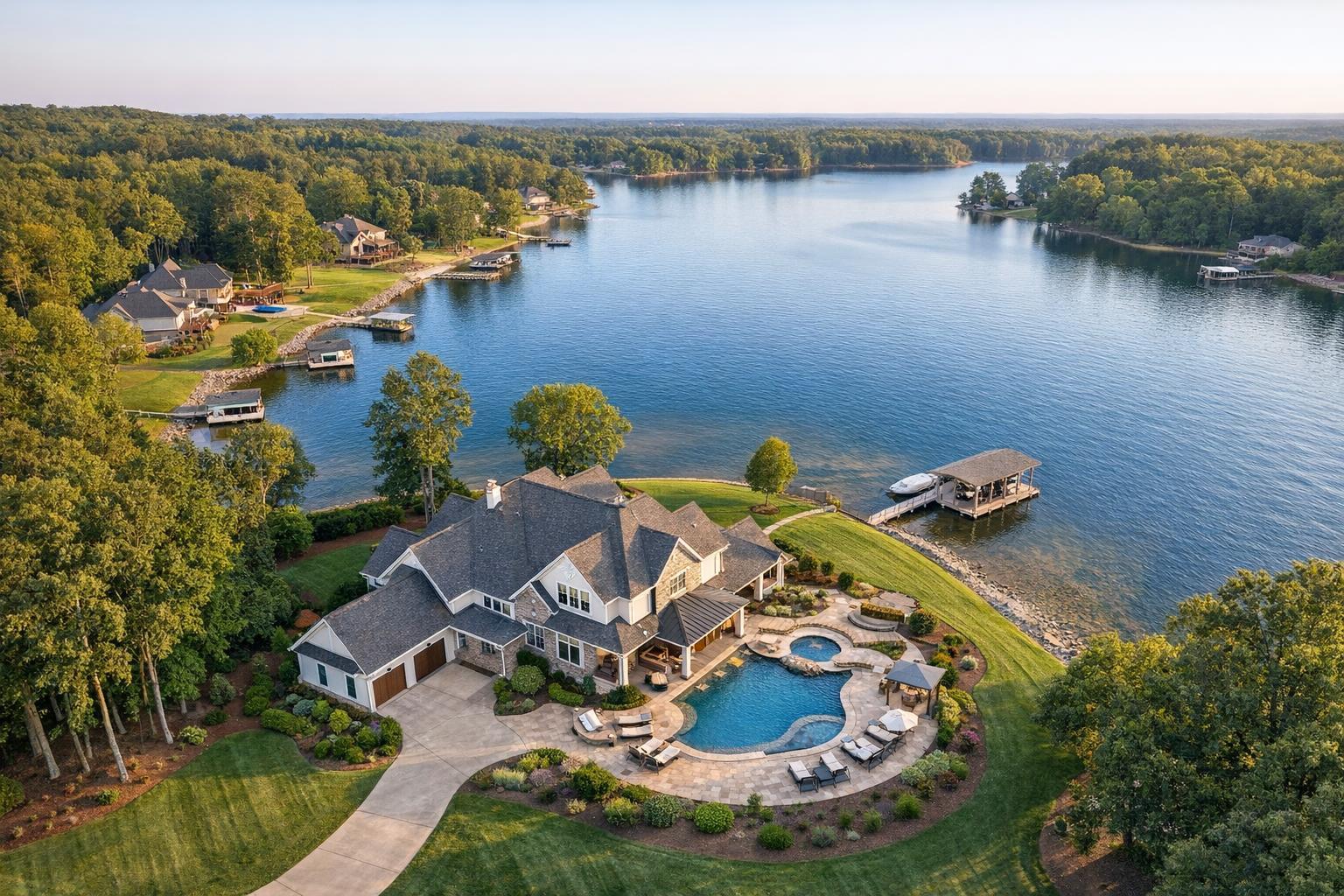
Aerial views are sometimes an option for Manhattan properties with roof access, outdoor space, or proximity to parks and bridges. However, drone work is subject to airspace, safety, weather, FAA rules, building access, and pilot discretion—never an automatic add-on.
Prepping Your Listing for Day-of Success
No detail has a bigger impact on listing photography than preparation. For lived-in spaces, focus on removing the everyday clutter that distracts from architecture or light. This means:
- Clearing most kitchen counters
- Hiding personal items and electronics
- Removing extra furniture that makes walkways feel tight
- Making beds and simplifying bathrooms
- Opening shades or blinds to highlight city views
- Replacing burned-out bulbs and ensuring lights work
- Deciding which rooms won’t be photographed ahead of time
Vacant listings benefit from clean, well-lit spaces and clear communication about which features (or virtual staging) will help buyers understand potential uses. High-end properties may call for more attention to detail: perfect timing for daylight, styled surfaces, outdoor shots, and a custom shot list. In every case, a thoughtful approach puts the property’s best features first.
Key Questions to Ask Before You Book
A brief, open conversation with your prospective NYC listing photographer can be telling. Consider these questions:
- Have they shot properties resembling yours (layout, building type, or occupant status)?
- How do they handle small rooms, window exposures, and city views?
- What are their practices for correcting perspective and maintaining natural-looking verticals?
- What information do they need regarding building access and scheduling?
- Can they guide you on which media types are appropriate for your specific listing?
- How are editing requests and additional services handled?
- What should you or the seller prepare ahead of the shoot?
The answers should be specific, practical, and relevant to your property—not just a pitch for a set package.
Working With a Professional Media Partner
The right fit in a Manhattan real estate photographer means more than technical skill. You want someone who understands the pace, pressure, and practical constraints of NYC listings—someone who anticipates building complexities, communicates clearly, and recommends only the right mix of services for the home at hand.
RealtaSnap offers professional, listing-focused real estate photography and media services tailored to agents, owners, and brokers navigating Manhattan’s demanding market. To discuss your next listing or learn about available services, visit RealtaSnap’s official website.
If you want more prep tips for your next photo day, check out this RealtaSnap preparation guide.
FAQ
Question: How early should I schedule a Manhattan real estate photographer?
Answer: Booking ahead is always wise, especially in buildings with access restrictions, doorman approvals, or busy service elevators. Having building procedures and required contact information ready before confirming an appointment helps everything run on time.
Question: Does an occupied apartment require different photo prep than a vacant one?
Answer: Yes. Occupied apartments call for extra decluttering and minimizing personal items or bulky furniture. With vacant properties, careful room selection, lighting, and possible virtual staging (for unfurnished spaces) help buyers envision scale and use.
Question: Can drone photography be used on every Manhattan listing?
Answer: Not always. Drone coverage in Manhattan depends on airspace, weather, safety considerations, property access, and the photographer’s discretion. Each shoot is evaluated individually to confirm what’s allowed and feasible.
If you have an upcoming property and want help presenting it clearly and professionally, we'd be happy to talk. You can learn more or get in touch at www.RealtaSnap.com.