How to Choose a Real Estate Photographer for Your Next Listing
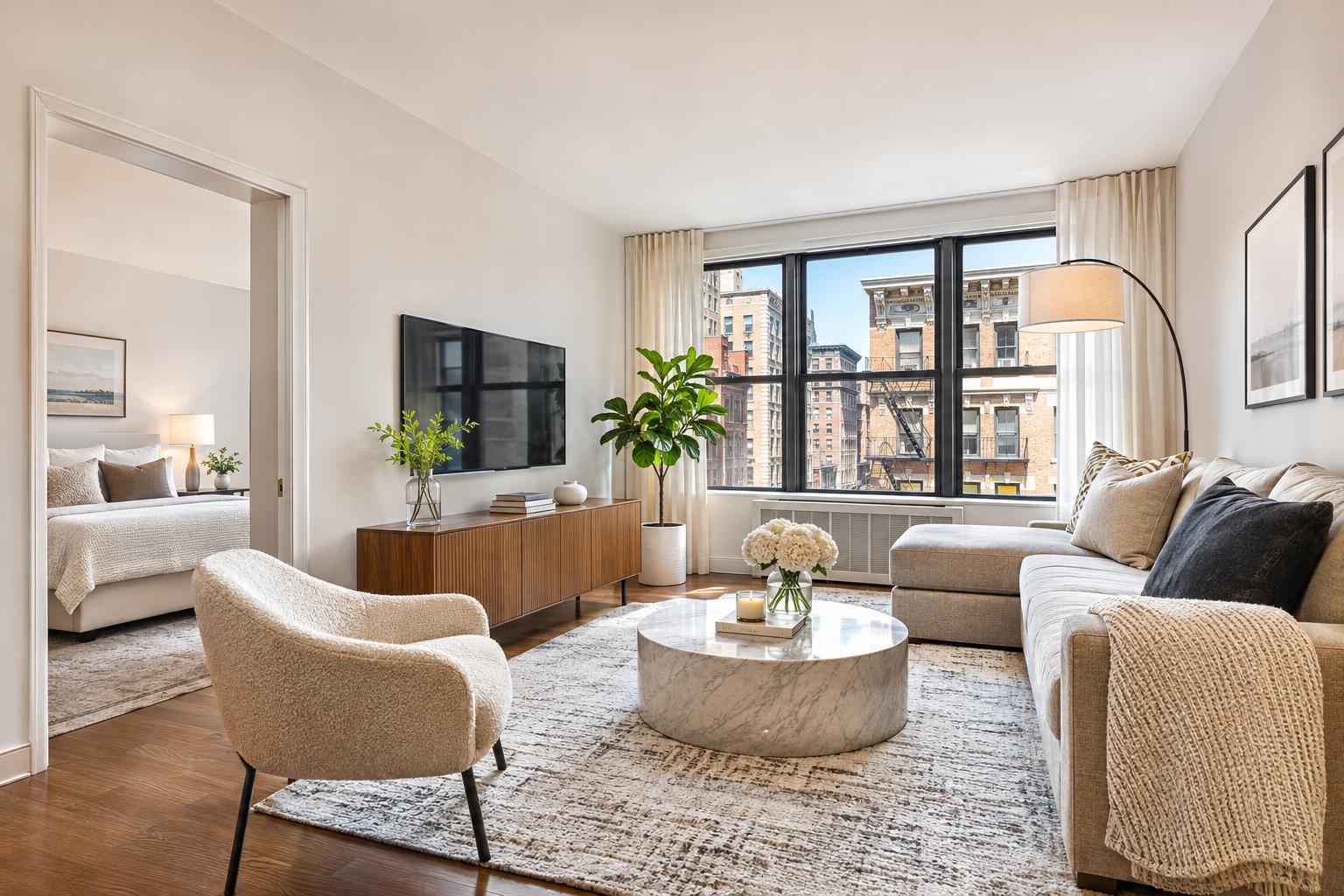
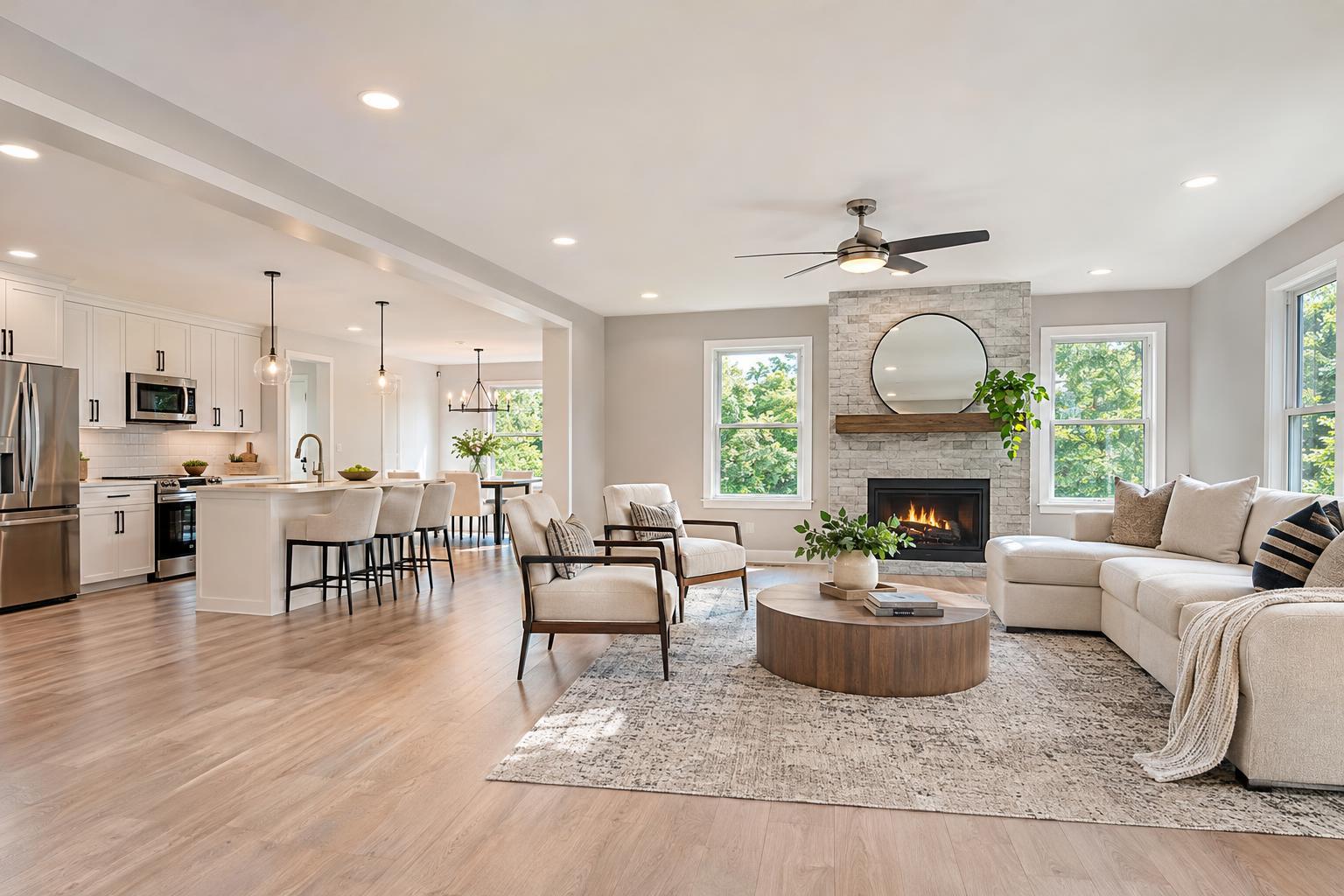
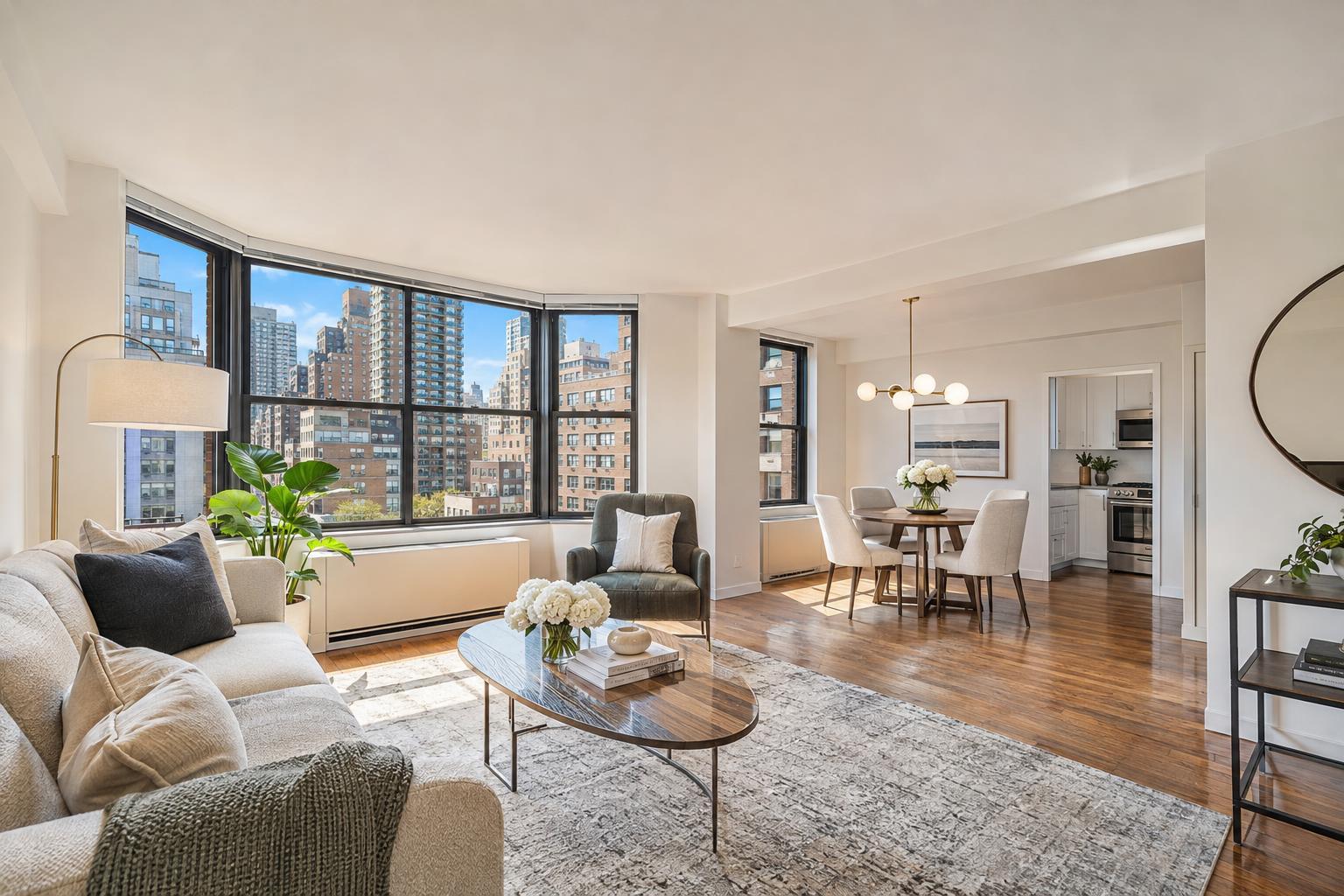
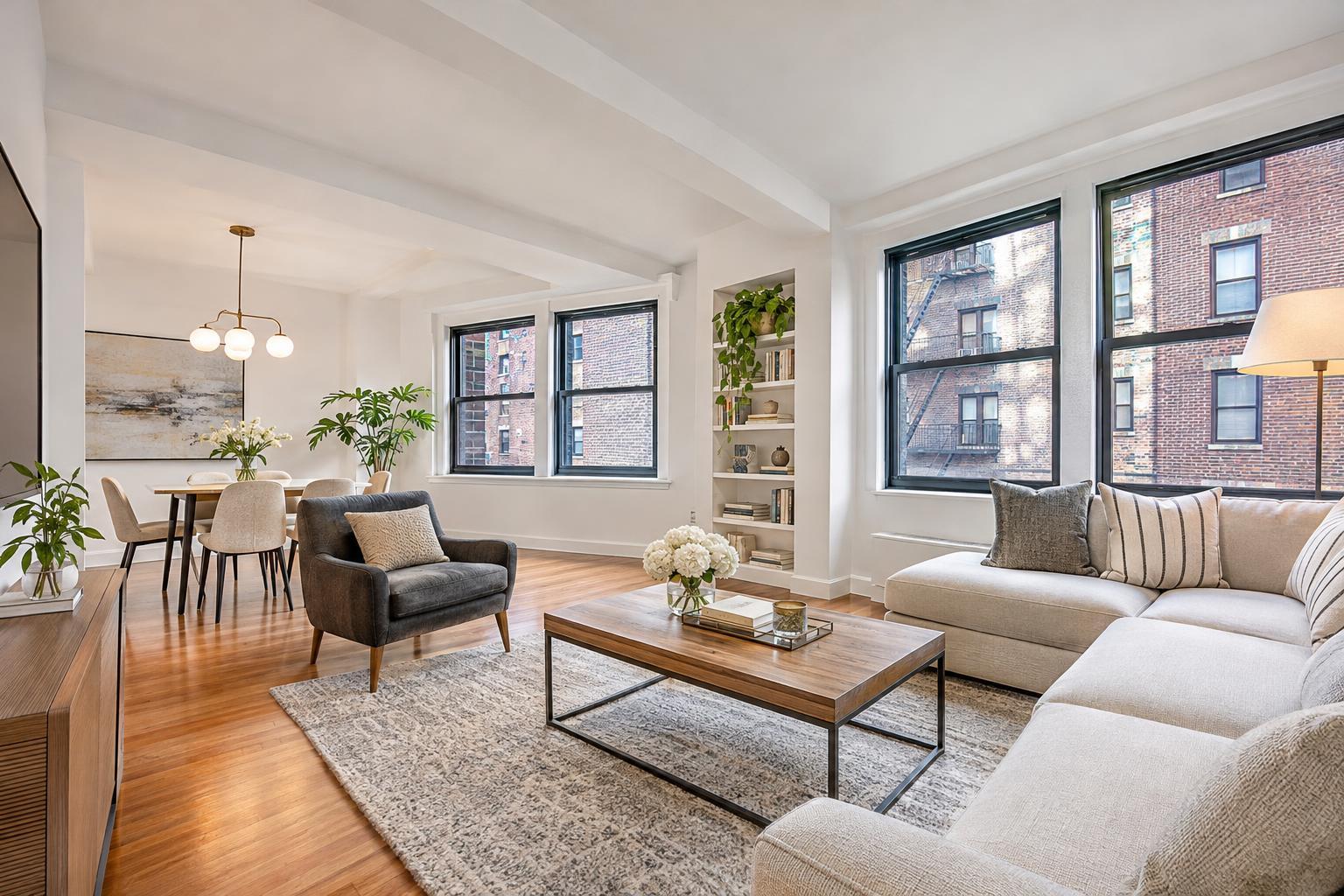
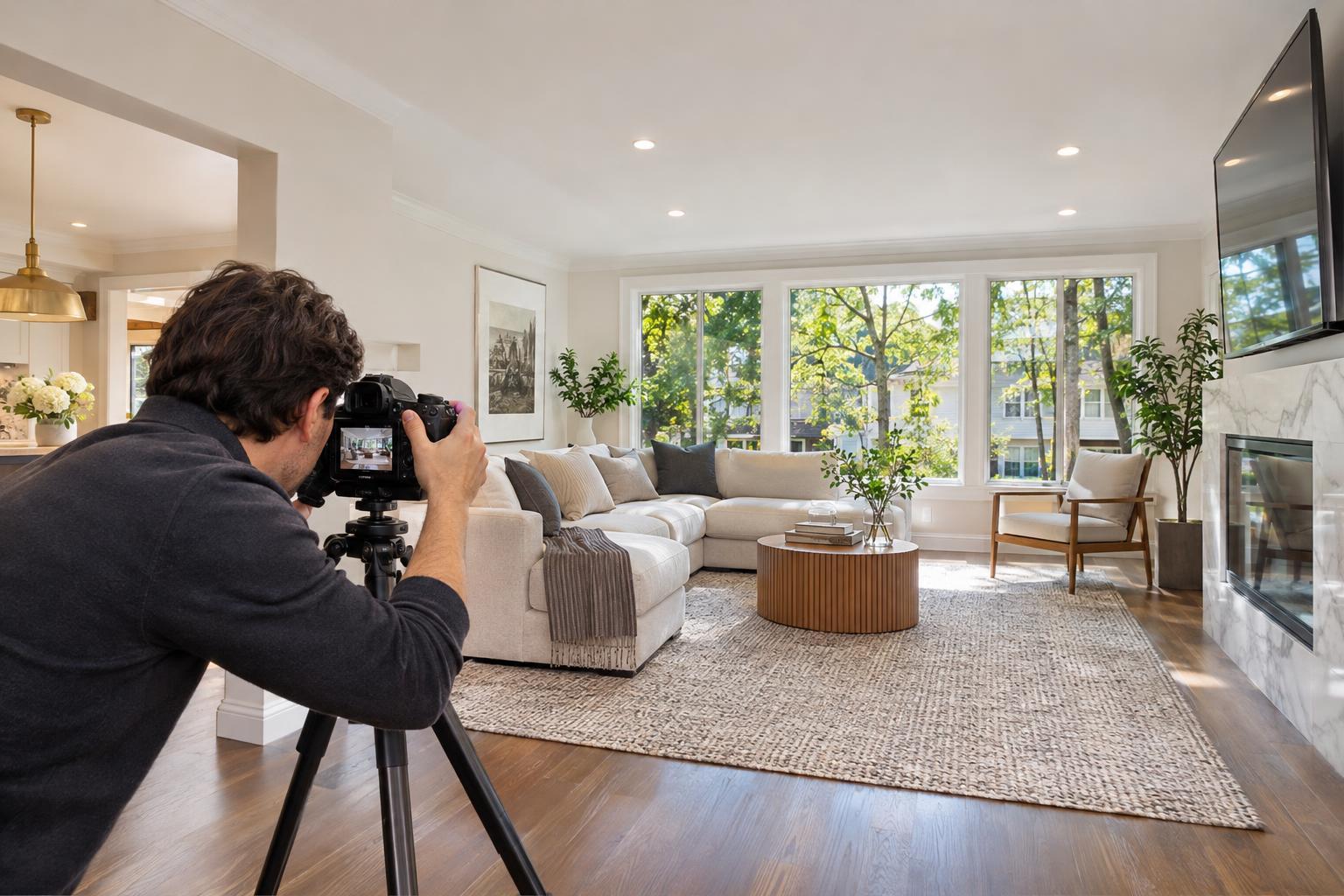
A real estate photographer captures a stylish, well-lit living room with large windows and modern decor.

How to Choose a Real Estate Photographer for Your Next Listing
A real estate photographer is much more than someone with a camera—they’re your partner in making a property clear, inviting, and honest for buyers, renters, and the professionals guiding them. Photography is how a space is first understood online, so the quality and accuracy of those images affect not only attention but trust and expectations.
Instead of just hunting for glossy photos, it’s wiser to focus on who can capture your specific kind of listing and deliver a reliable experience. Here are some ways to get beyond the highlight reel and choose a photographer whose process and results set your property up for a smoother sale or rental.
Match the Photographer to the Property
Not all real estate photography services are created equal, and not every photographer is the right fit everywhere. The demands of shooting a garden-level Brooklyn brownstone are not the same as a sleek Manhattan studio or a Jersey City condo with strict building access. When you’re evaluating candidates, start by asking: Have they photographed your property type—and do their galleries actually show it?
NYC Apartments: Clarity in Tight Spaces
Photographing Manhattan apartments is a test of restraint and creativity. Studios and one-bedrooms, often with unique features or access quirks, are easy to misrepresent with overly wide angles. Look for portfolio examples showing real-life room sizes, the interplay of bright and dim natural light, kitchens with tight layouts, and city views handled thoughtfully. The best images feel honest about scale, layout, and character, not designed to mislead.
Brooklyn Townhomes: Flow and Character
Brownstones and townhouses in Brooklyn demand storytelling across staircases, multiple floors, and period details. You want a property photographer who can show how the rooms relate, keep the look coherent, and address unique features—like rear gardens, roof decks, or historic millwork. The home should appear as an integrated whole rather than a patchwork.
Jersey City & Hoboken Condos: Amenities and Context
Condos in Northern New Jersey often combine efficient layouts with shared amenities, skyline views, and sometimes tight building rules. You’ll need someone experienced in capturing both the unit itself and the amenities or vistas that set the property apart—like lounges, lobbies, or balconies. Bonus points for photographers who can plan around building scheduling and restrictions to avoid headaches on shoot day.
Larger New Jersey Homes: Comprehensive, Not Redundant
Suburban homes may require full coverage: expansive interiors and exteriors, outdoor living spaces, garages, or pools. The challenge isn’t finding rooms to shoot—it’s choosing which features matter and avoiding repetitive, confusing galleries. A thoughtful photographer will focus on what best tells the story of the home, rather than just filling a quota.
Look for Consistency, Not Just “Wow” Moments
It’s easy for any photographer to assemble a few impressive images for their website. What’s harder—and more important—is delivering work that’s steady and useful across many properties and conditions. Review their full gallery for ordinary spaces, lived-in homes, tricky lighting, and places that haven’t just had a magazine-ready makeover.
Key Qualities to Watch For
- Consistent framing and perspective, not just one or two staged hero shots
- Balanced window exposures—rooms should look naturally lit, with believable, not blown-out, windows
- Straight vertical and horizontal lines—no distorted doorways or leaning walls
- Accurate room dimensions; photos should match what you’d expect to see in real life
- Logical flow from exteriors to main spaces, bedrooms, and amenities
- Attention to ordinary rooms, not just “statement” spaces
The right real estate photographer makes the property easy to understand—not just dramatic.
Ask How They Handle Occupied Homes
Photographing a lived-in property isn’t the same as shooting an empty, staged listing. Family life, pets, everyday clutter, and furniture layouts all come into play. A skilled provider will work with what’s there and help you prep—offering clear, practical guidelines for what should be tidied, hidden, or moved before the shoot.
Some helpful preparation steps include:
- Clearing countertops in kitchens and bathrooms
- Hiding trash cans, laundry, and pet items
- Turning on all the interior lights
- Opening blinds or curtains if privacy allows
- Making beds and arranging cushions
- Minimizing personal photos and distractions where reasonable
- Confirming which areas are not to be photographed
A photographer who communicates these steps—and flexibly works with residents on the day—is often easiest to work with.
Evaluate the Process, Not Only the Pictures
Great photos are one piece of the puzzle. Consider how photographers handle logistics, scheduling, delivery, and communication. Before committing, ask a few practical questions:
- Can they show galleries from similar properties (not just best-of highlights)?
- How do they approach small spaces, difficult lighting, or specific challenges?
- Are extra services—like a floor plan, video, or virtual tour—available if needed?
- What is their standard delivery timeline?
- How do you actually get your files? Is their system straightforward or cumbersome?
- Are usage rights and licensing clear?
- Will they coordinate with tenants, building staff, or owners if you can’t be present?
- How do they handle weather-related delays for exterior or drone photos?
- Are access instructions, special features, or requests noted before the shoot takes place?
Clear answers and expectations are a sign of professionalism and organization.
When Do You Need More Than Standard Photography?
Photography alone is often enough for simple listings. But more complex properties—or those with hard-to-explain features—may benefit from additional media.
- Floor plans help clarify layout, especially for multi-level spaces, combo units, or awkward floorplans. For accuracy, these need to be captured in person.
- Video walkthroughs (not slideshows of still photos) give buyers a sense of movement and flow, making them especially useful in homes with open floor plans or strong indoor-outdoor connections.
- Virtual tours (like Matterport) allow online shoppers to “walk” through at their own pace and are handy when buyers can’t attend in person.
- Aerial (drone) photos or video add context for properties with notable exteriors, land, views, or unique settings. In NYC and dense neighborhoods, feasibility depends on airspace, rules, and weather, with all drone work subject to FAA and pilot discretion.
If you’re not sure which add-ons are worth it, focus first on what a potential buyer would genuinely want answered before visiting.
Building Your Media Plan Around the Listing
The smartest real estate marketing isn’t about using every tool available. It’s about giving buyers what they need to know, in a format that saves everyone time and confusion. Some examples:
- A compact Manhattan one-bedroom might only need quality photography and a floor plan.
- A Brooklyn brownstone with gardens and multiple floors could benefit from strong photography, a floor plan, and perhaps video or drone for outdoor context.
- Larger New Jersey homes may need extensive coverage inside and out, adding aerial photos if the lot or setting warrants it.
Think about the kind of questions your photos should answer, rather than just the number of images or services.
A Practical Option for NYC and New Jersey Listings
For real estate pros working in New York City and New Jersey, RealtaSnap offers polished property photography plus optional services like video, floor plans, virtual tours, drone media (where feasible), and AI virtual staging. The focus is on actual property features, honest depiction, and a smooth experience from scheduling to final delivery.
You can check out available real estate photography options in NYC and New Jersey, or book an appointment through the RealtaSnap online scheduling system.
No matter who you choose, picking the right photographer for your listing means putting clarity and practical service first. That’s what helps your properties stand out for all the right reasons.
Ready to prep your next listing, or want to see more? Visit www.RealtaSnap.com.
FAQ
Question: How far ahead should I schedule a real estate photographer?
Answer: Booking earlier usually gives you more flexibility, especially if you need to coordinate with owners, tenants, or building management. If you’ll need floor plans, video, or drone work, make sure to allow extra time for planning and logistics.
Question: Is price the main thing to look at when hiring a property photographer?
Answer: Price matters, but it shouldn’t be the only consideration. Consider what’s included, the photographer’s experience with your property type, editing consistency, and whether the process from booking to delivery will fit your timeline and needs.
Question: Can I have occupied rooms virtually staged?
Answer: Virtual staging works best in empty or decluttered spaces. If a room has furniture or clutter, discuss removal options first—RealtaSnap can provide basic or advanced clutter edits for an additional fee before staging.