How to Choose Real Estate Photography in NYC for Your Next Listing
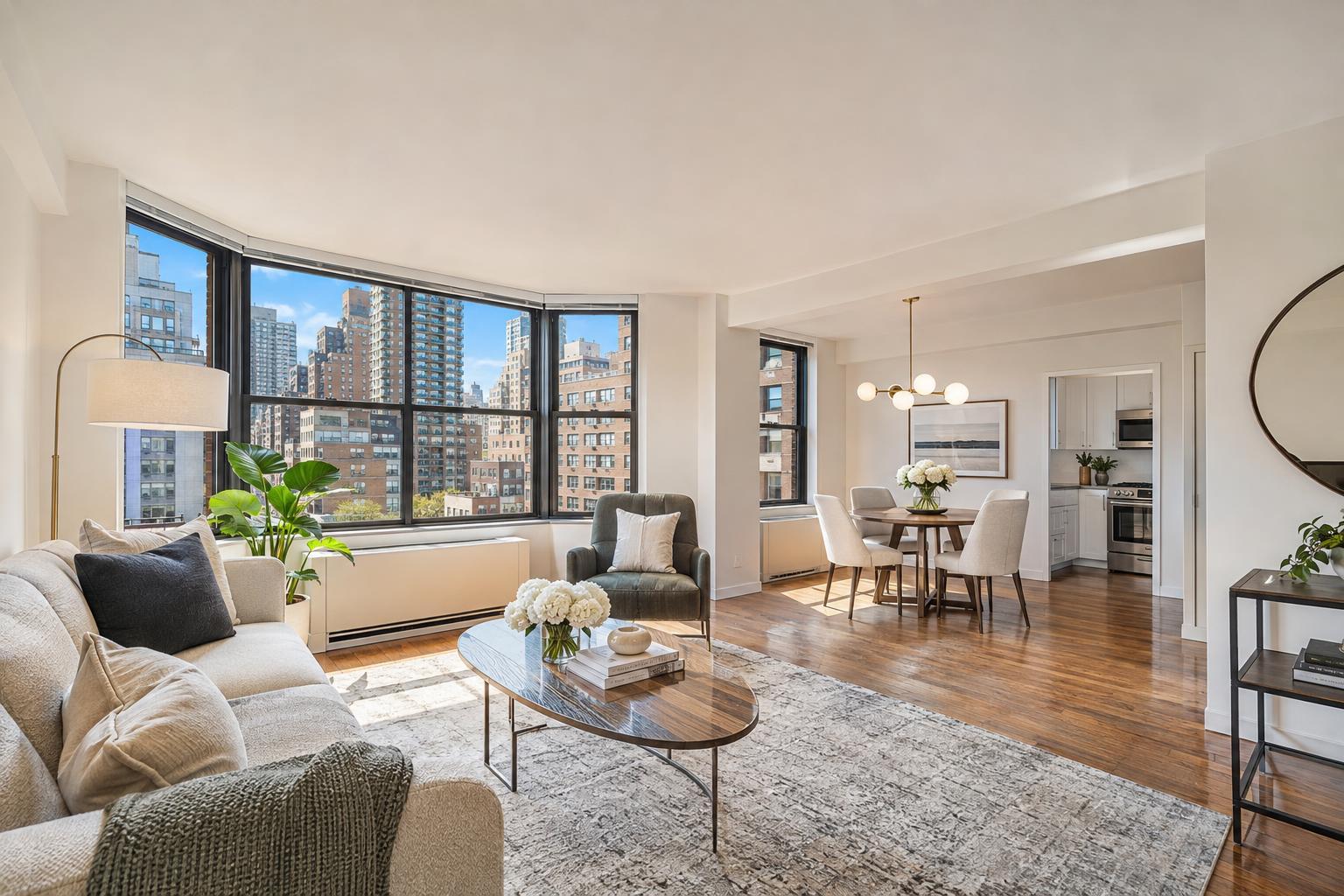
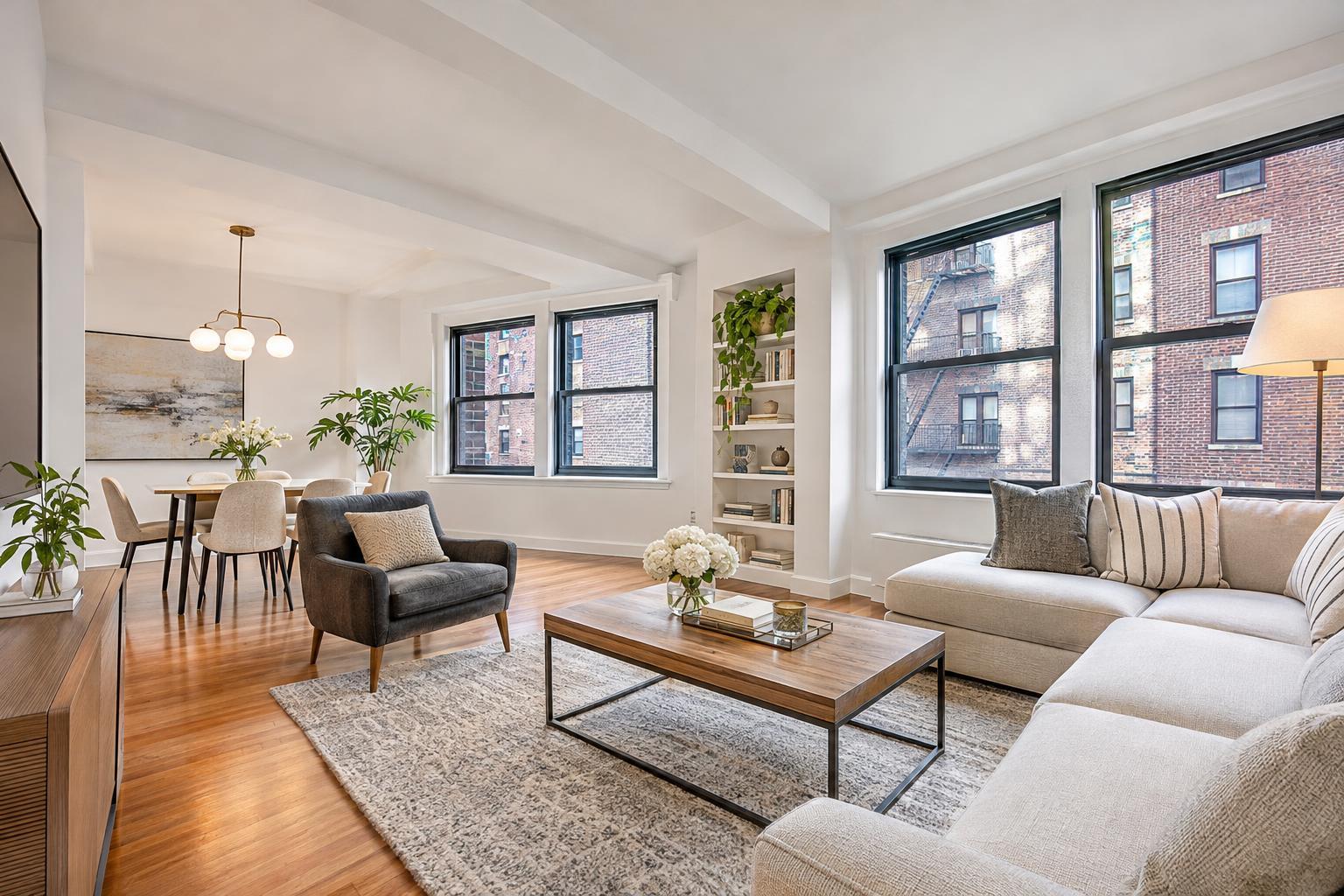
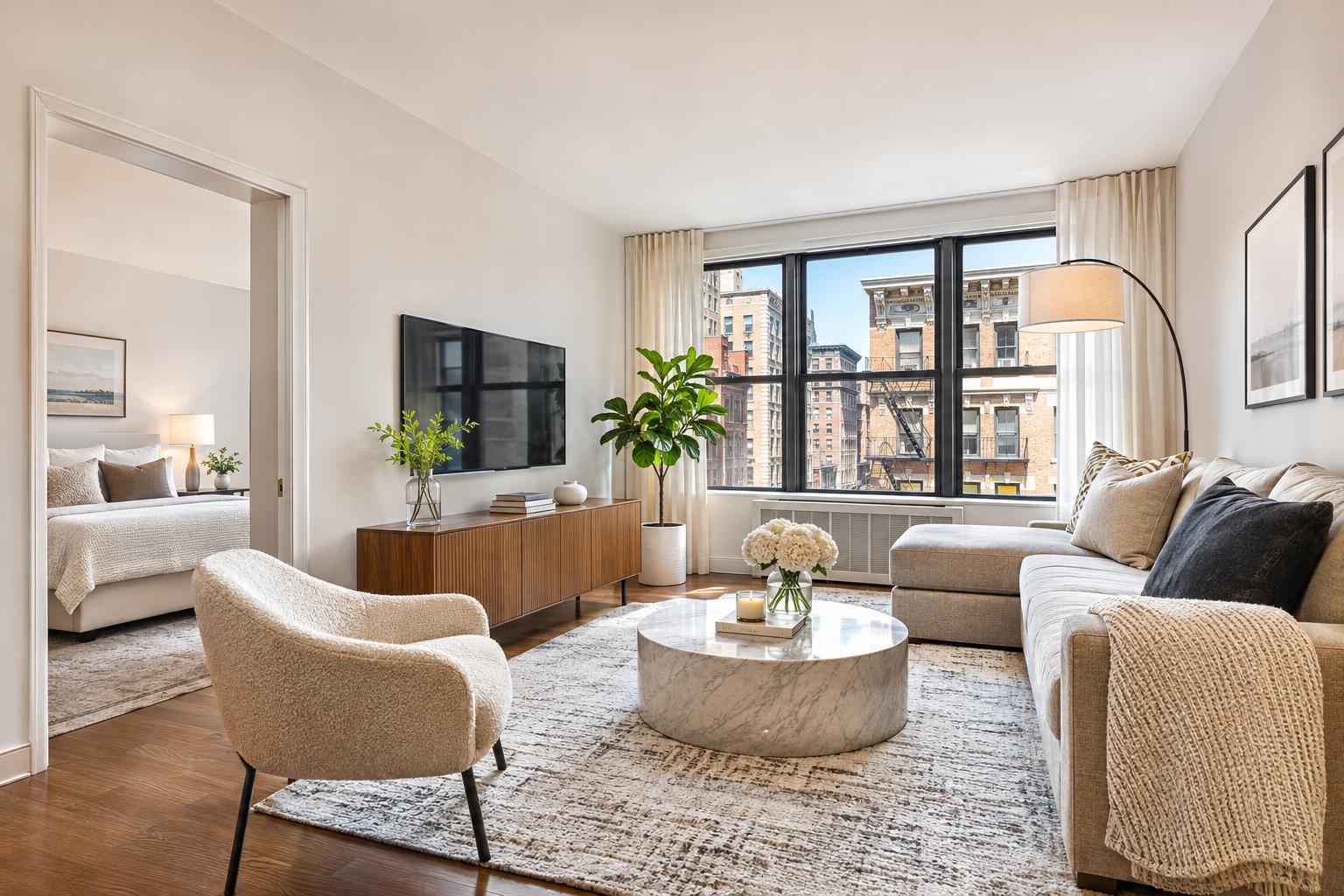
In this example of real estate photography NYC, a modern living room is shown with stylish furnishings and large windows overlooking classic city architecture.

How to Choose Real Estate Photography in NYC for Your Next Listing
Real estate photography in NYC isn’t just about stunning visuals. For agents, brokers, and property owners, it’s about choosing a workable solution that brings clarity to a listing—showing space, finishes, and light honestly while navigating the practical quirks of New York properties.
Here’s a guide to making real estate photography work for your next listing, with a focus on what actually matters in Manhattan condos, Brooklyn brownstones, and outer-borough homes.
Beyond the Portfolio: What Makes Real Estate Photography Effective
Anyone can scroll through polished sample photos. The real question is: can your photographer handle the variety that NYC throws their way? From tight spaces and mixed lighting to co-op rules and occupied apartments, experience in handling these conditions often counts for more than the single-best photo in a portfolio.
When you're vetting a photographer, ask for a look at full listing galleries, not just highlight reels. It’s the narrative across all the images—bedrooms, hallways, baths, even the less glamorous spaces—that reveals whether a photographer understands how to present a property faithfully.
Key Fundamentals to Check
- Natural Room Proportions: Wide-angle lenses are needed in NYC, but they shouldn’t make a studio feel twice its real size. Doorways, furniture, and the relation between rooms should look “right,” not stretched or distorted.
- Balanced Window Exposures: Overly bright or detail-free windows are a common pitfall. Well-made photos should keep views readable and let in the right amount of natural light, without making interiors feel artificial.
- Straight Architectural Lines: Slanted walls or tilted cabinets quickly undermine trust. In both pre-war charm and sleek new builds, verticals should be vertical.
- Consistent Editing: Beware of galleries that swing between dramatic and muted styles. Cohesive editing across all images helps buyers envision the property as one coherent space.
NYC Properties Call for Local Expertise
No two New York listings are the same. The types of spaces and the way media should be planned will shift by neighborhood, building, and city borough.
Manhattan Apartments: Making the Most of Compact Living
Most Manhattan listings call for prioritization—showing living areas, kitchens, bedrooms, and main baths in a way that feels logical and inviting. Storage, built-ins, renovated finishes, and natural light often matter as much as total square footage.
Preparation here is everything:
- Clear counters and remove personal items.
- Hide charging cords and pare down furniture.
- Open window treatments to maximize light, if the view is presentable.
Brooklyn Brownstones: Storytelling Across Levels
Brownstones are about flow: parlor rooms, garden access, and original details. Wide shots may fall short of telling the full story when stairs or quirky layouts are involved. Sometimes, a floor plan or video helps buyers visualize how spaces connect.
Outer-Borough Homes: Context Counts
Detached homes and larger properties in Queens or Staten Island may have driveways, yards, or decks worth highlighting. Here, exterior and aerial photos (where safe, legal, and feasible) can give buyers context not visible from inside shots alone.
Questions Worth Asking Before Hiring
The best results come from clear plans and straightforward communication. Go beyond price and ask:
- Can I see full galleries from similar apartments or homes?
- How do you work with bright windows and mixed lighting?
- What’s your approach for small rooms?
- What prep do you suggest for occupied spaces?
- Do you coordinate with elevators, doormen, or access instructions?
- How many photos are right for my property type?
- What’s needed for floor plan or 3D tour capture?
- How do you handle client requests or building policies?
- What does delivery and turnaround look like?
A confident photographer should be able to answer all of these without hesitation.
Matching Media to the Property
Not every listing needs everything. Start by asking what a serious buyer would want to know before a showing.
- Photography: Often enough for simple, well-laid-out spaces where the story is straightforward.
- Floor Plans: Ideal for homes with multiple levels, tricky layouts, or spaces where connections aren’t immediately obvious. Floor plans always require in-person capture.
- Video: Best when movement or flow sets the property apart—think grand entries, impressive views, or seamless indoor-outdoor transitions. Videos must be filmed on-site; slideshows from stills aren’t a reliable substitute.
- 3D Virtual Tours: Great for out-of-town buyers or homes with unconventional layouts. Like floor plans, these require property scans on location.
- Drone: Useful for showing lot size, rooflines, or setting on larger properties. NYC airspace, weather, and building access can limit what’s possible; drone work is decided case by case and subject to FAA rules and pilot approval.
For empty properties, virtual staging can illustrate potential. Just note: it’s designed for vacant or fully decluttered rooms, not as a digital fix for messy or fully furnished spaces.
You can find more on preparation in the RealtaSnap prep guide.
Preparation Tips That Make a Difference
Whether a room is occupied, vacant, or staged, camera-friendly prep makes a huge difference. Here’s a quick checklist:
- Clear off kitchen and bath surfaces
- Remove trash, pet gear, and cleaning supplies
- Tidy and straighten furniture
- Open window treatments for light (where view is a feature)
- Turn on all working lights and replace dead bulbs
- Secure or remove personal photos and papers
- Confirm everyone knows the schedule, including building staff or tenants
A RealtaSnap Approach: Streamlined for NYC Listings
If you’re looking for professional property photography in New York City, RealtaSnap offers a direct, online workflow. You can enter the property address, send access instructions, pick your services, select a date, and confirm—all online, without any games.
Whether you’re after a handful of polished images or need more comprehensive media (like floor plans, video, or virtual staging), you can adjust based on your listing. Services are offered a la carte, so you only add what moves the sale forward. Not sure what’s best? RealtaSnap’s clear booking and service explanations can help figure out what makes sense.
You can view detailed service options for NYC at RealtaSnap’s real estate photography page.
Giving Buyers Clarity Before They Visit
The most effective real estate photographer in NYC doesn’t just make properties look good—they make them look real. Honest room sizes, careful light handling, straight lines, and a cohesive editing touch all foster trust. Pair this with reliable scheduling and clear communication, and your prospective buyers will show up informed, comfortable, and ready to engage.
If you’re planning an upcoming listing, consider starting with the property’s story: What does a buyer need to know before they decide to see it in person? Then choose the types of media that clearly answer that question.
For straightforward bookings, helpful media planning, and property-first advice, learn more at www.RealtaSnap.com.
FAQ
Question: How many listing photos does a typical NYC apartment need?
Answer: It varies—compact or open-plan apartments may need a smaller, well-edited set, while larger or multi-bedroom homes could call for more coverage. Aim for meaningful variety over lots of similar angles.
Question: Can a floor plan be made from existing listing photos or an old PDF?
Answer: No. Floor plans should always be based on an on-site visit. Existing photos or third-party plans can be a nice reference, but real measurements are necessary for accuracy.
Question: What if the apartment is occupied during the shoot?
Answer: Do what you can to reduce visual clutter—clear surfaces, straighten bedding, and let everyone know the schedule. For virtual staging, rooms should be empty or fully decluttered before digital furnishings are added.