How to Choose a Real Estate Photographer for Your Next Listing
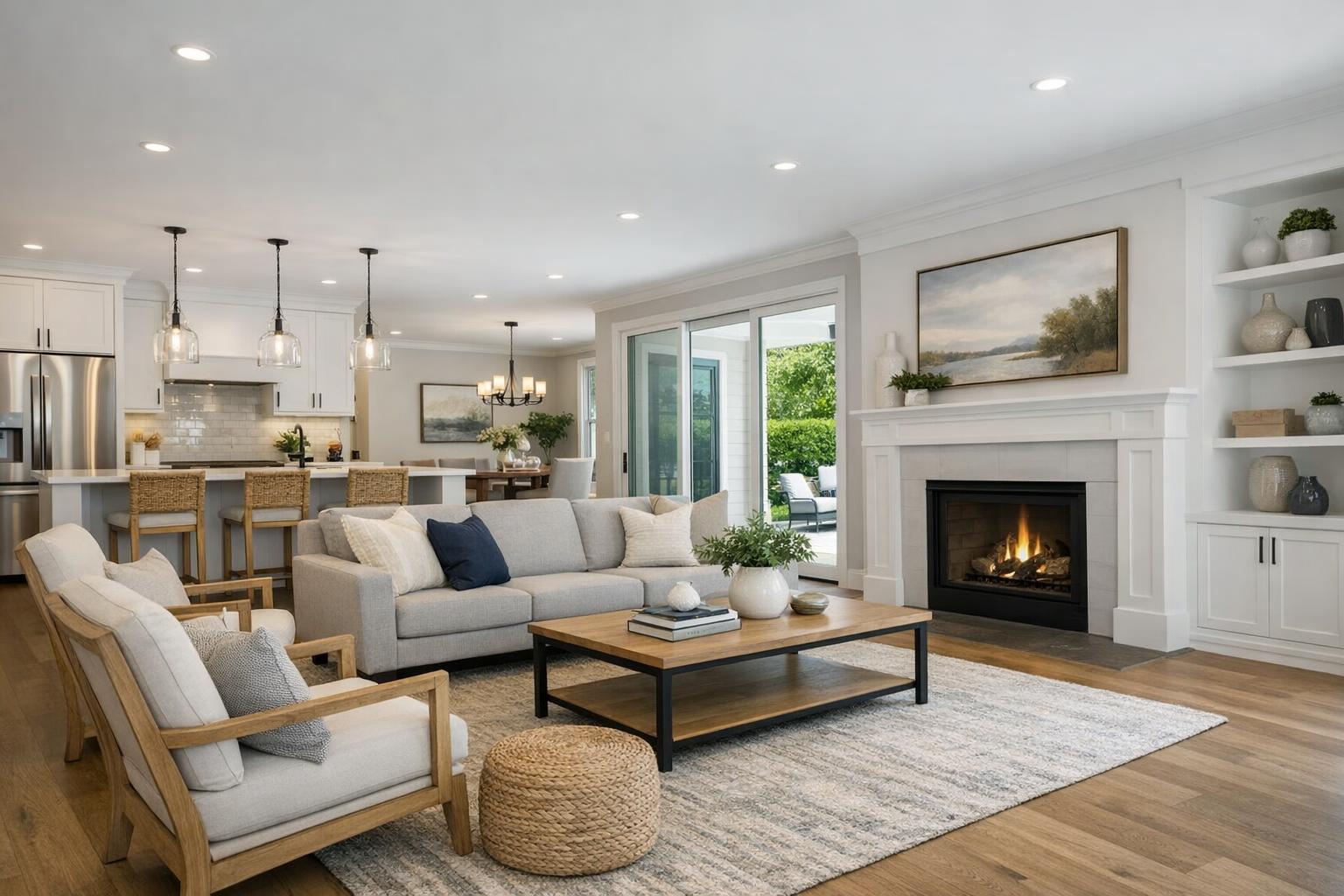
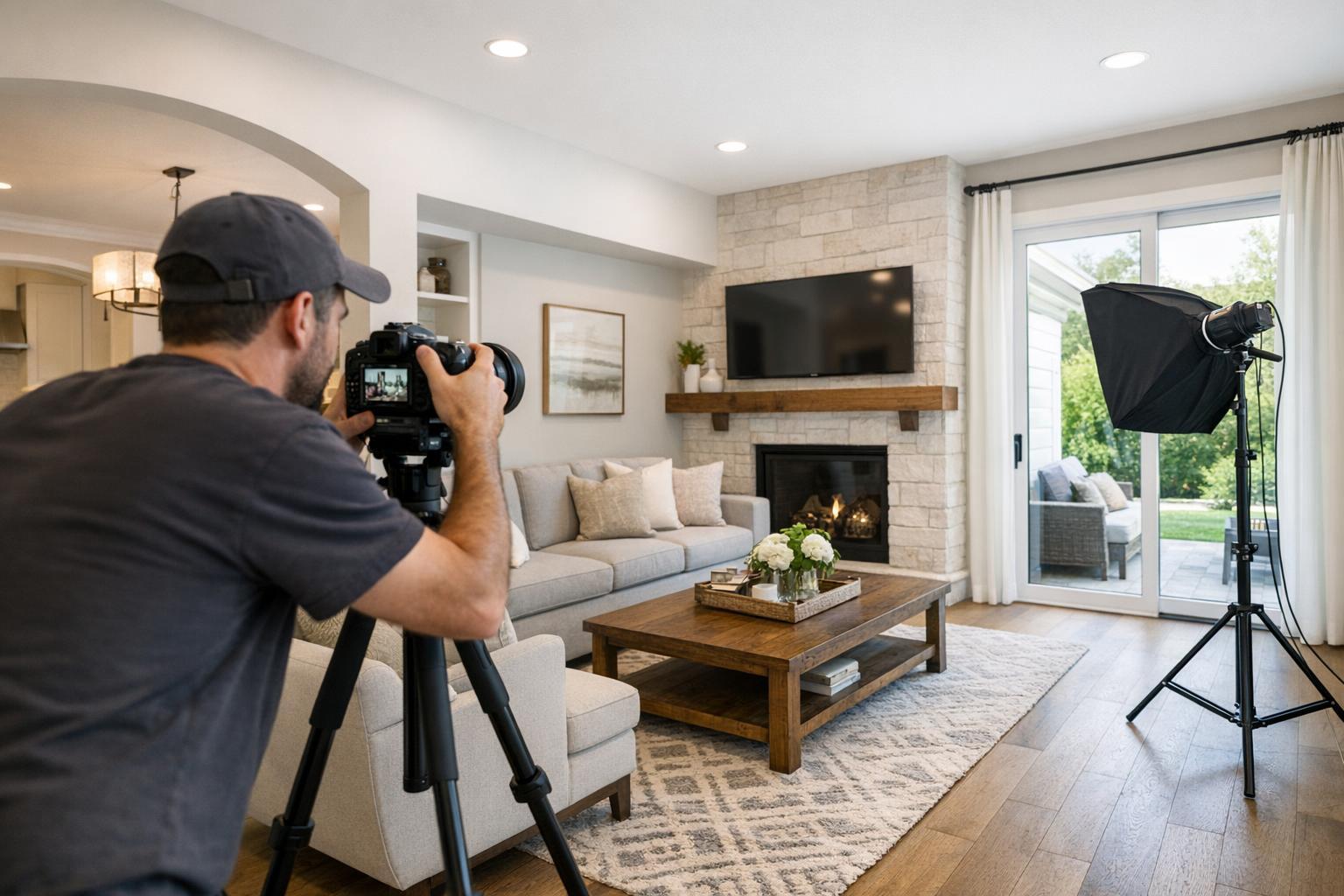
A real estate photographer captures a bright and stylishly decorated living room featuring a cozy fireplace and large windows leading to a patio.

How to Choose a Real Estate Photographer for Your Next Listing
Selecting the right real estate photographer isn’t just about finding images that look good—it’s about making a property listing work smarter for you and your clients. So much of a successful sale or rental starts with what viewers understand from those first clicks: room size, layout, flow, standout features, and that all-important sense of what it might feel like to step inside. A polished portfolio is nice, but truly effective real estate photography is about much more than a few hero shots.
Below, you’ll find practical advice for agents, brokers, and property owners who need to hire a property photographer who will make their next listing clear, inviting, and easy to understand.
Go Beyond the Portfolio: What Really Sets a Photographer Apart
Most photographers can show you a few rooms with perfect sunlight and flawless staging. The real test? Consistency across the whole shoot. Before you book, ask to see a full gallery—or better yet, several—from finished listings like yours. The way a photographer handles windowless bathrooms, tricky hallways, or mixed lighting will tell you more than any single living room photo ever could.
What sets top real estate photography services apart? Start here:
- Balanced Exposure: You want bright, readable rooms where windows aren’t blown out and corners aren’t lost in shadow. Great editing should enhance, not overpower, what’s really there.
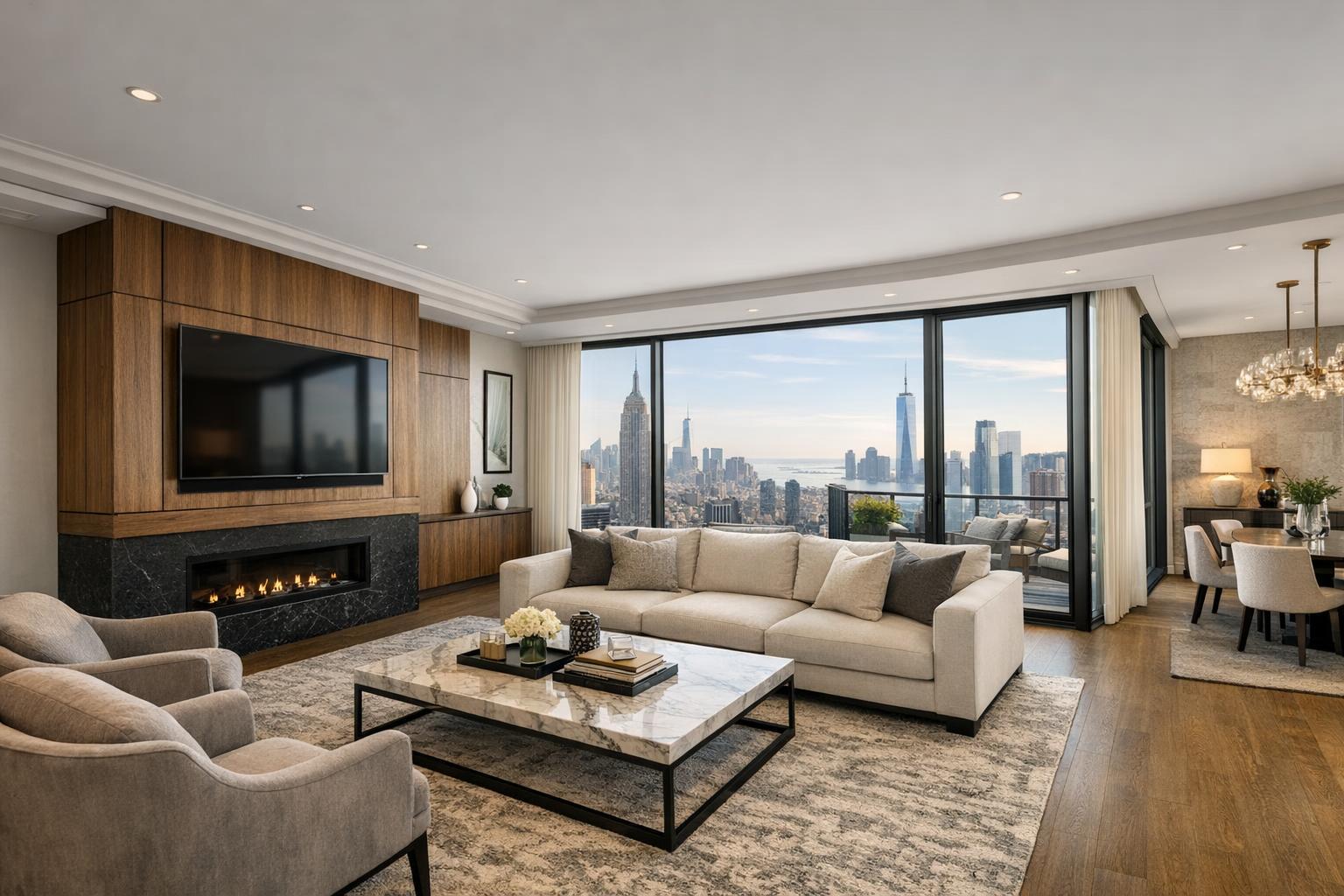
- True-to-Life Lines and Proportions: Rooms shouldn’t look distorted, and furniture shouldn’t feel stretched. Clean verticals and honest angles help viewers “read” the space accurately, whether it’s a narrow Manhattan apartment or a sprawling New Jersey home.
- Thoughtful Editing: Color should look natural. Wood floors, stone countertops, and exterior skies should feel authentic. Ask how the photographer handles post-processing, especially if you’ll need virtual twilight, object removal, or minor retouching.
Matching Media to the Property—Not Just Picking a Package
Good photography is the foundation, but every property has unique needs. A small unit with great light might only require a focused set of shots that tell the whole story, while a multi-level townhouse or a larger suburban listing may call for broader coverage and more media options.
Before booking, think through what your ideal viewer really needs to see and understand:
- Which rooms or details must be included for clarity?
- Are there amenities, exteriors, or views that matter?
- Could a floor plan help explain the layout?
- Is there a reason to add video or a 3D tour—perhaps for an unconventional space, commercial property, or remote viewers?
A good property photographer should help you figure out what matters for each address, instead of pushing unneeded add-ons.
When More Than Photos Make Sense
For some listings, complementary media can be the difference between a quick click-through and a viewer requesting a tour:
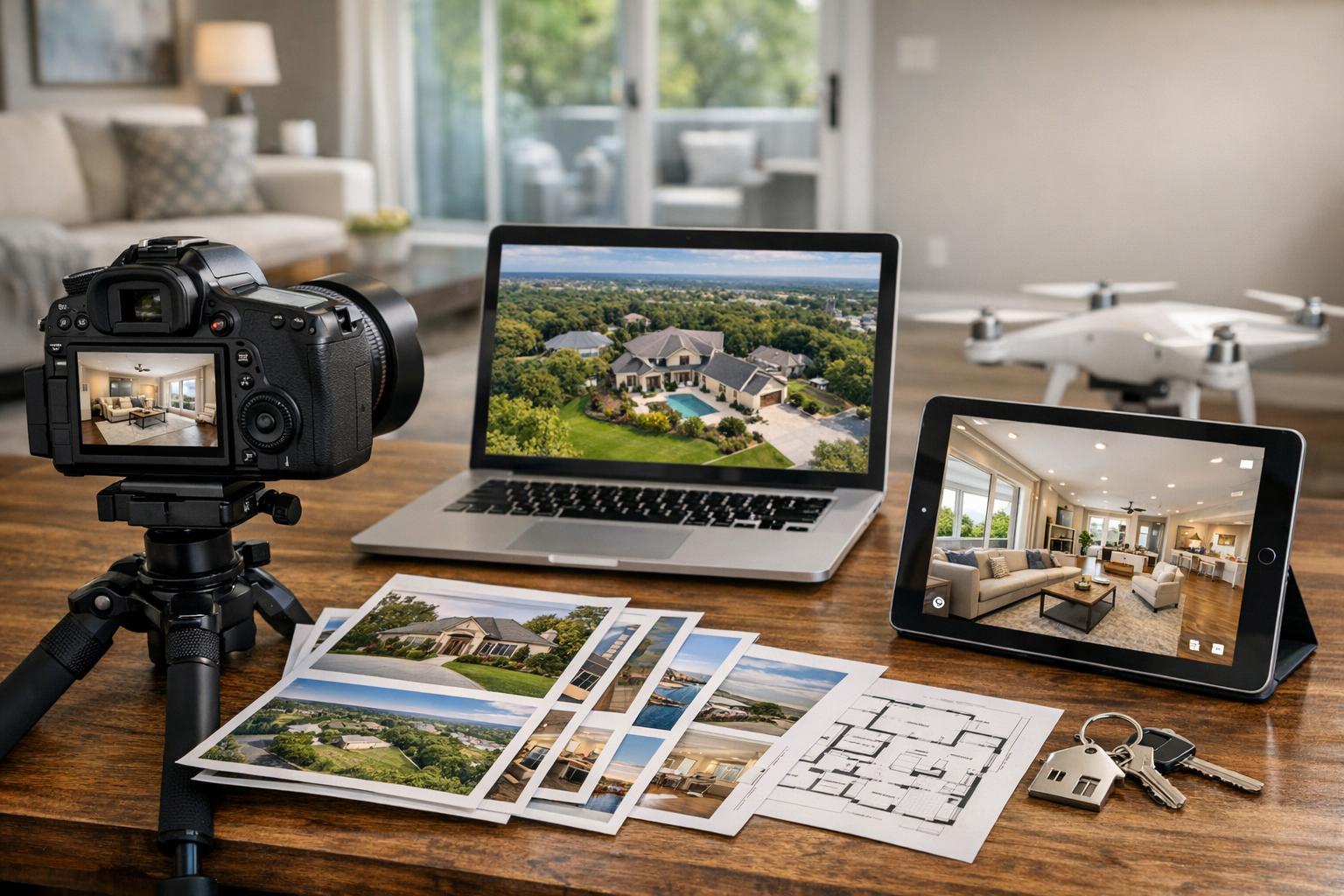
- Floor Plans offer context that’s hard to capture in photos, showing how rooms connect. If you need one, make sure every area is accessible at the appointment.
- Video Walkthroughs shine for explaining flow and capturing details in motion. They’re best for listings where movement, arrival, or sequential features matter.
- 3D Virtual Tours can give buyers and renters an interactive way to explore without leaving home. They’re especially useful for unique layouts or larger listings.
- Drone Photography is a strong choice for properties where location, land, roof access, or sweeping views are part of the value. Just remember: flights depend on airspace, weather, safety, and the pilot’s discretion, so don’t assume drone is always possible.
If you’re considering any of these, check that your provider can deliver them in line with your marketing timeline and property access.
Communication: A Make-or-Break Factor
Great photos won’t matter if the process is a hassle. Pay attention to how (and how quickly) a potential real estate photographer responds, explains their process, and anticipates challenges. For occupied or tenant-occupied homes, communication matters even more—think pets, resident schedules, access rules, and areas to avoid.
Smart questions to ask before booking:
- Can you show me full galleries from properties like mine?
- How do you approach difficult lighting or tight spaces?
- What does your editing include, and what’s an extra charge?
- How should the property be prepared for the shoot?
- How do you work around residents or building rules?
- When will I get my images, and how are specialty requests handled?
- What’s the policy for rescheduling (especially for bad weather or last-minute changes)?
A transparent, organized process makes your job easier—and helps you feel more comfortable inviting a photographer into your clients’ spaces.
Preparation: The Overlooked Secret to Effective Photos
Even the best property photographer needs help from the listing side to get the most out of a shoot. A quick walkthrough ahead of time—tidying surfaces, tucking away personal items, making beds, opening blinds for a great view—can have a major impact. Decide what will be photographed (and what won’t), and communicate those needs early.
If virtual staging is on your list, remember it’s most convincing in empty, clean rooms. If there’s furniture present, clearing clutter is key. And for multi-family buildings or commercial properties, confirm access to all required spaces in advance.
Looking Beyond Price—And Understanding Value
It’s easy to compare real estate photography services on price alone, but be sure you’re weighing what actually matters for your listing. Rock-bottom rates sometimes mean less editing, rushed shoots, and ambiguous deliverables.
As you compare options, look for clarity in:
- Number of photos and coverage area
- What’s included in editing and delivery
- Availability (and extra cost) of media like floor plans, video, or drone shots
- Turnaround expectations
- Travel, access fees, and reschedule policies
RealtaSnap offers a range of options (from as few as 10 up to 50 photos) so agents and owners can match coverage to the size and needs of their property. Pricing is straightforward and you can book online whenever you’re ready. Select your services, add special notes, and choose a time that works—no need to negotiate on the phone.
You can learn more about current offerings and coverage by visiting RealtaSnap’s real estate photography services.
Local Know-How: Why NYC and New Jersey Properties Aren’t the Same
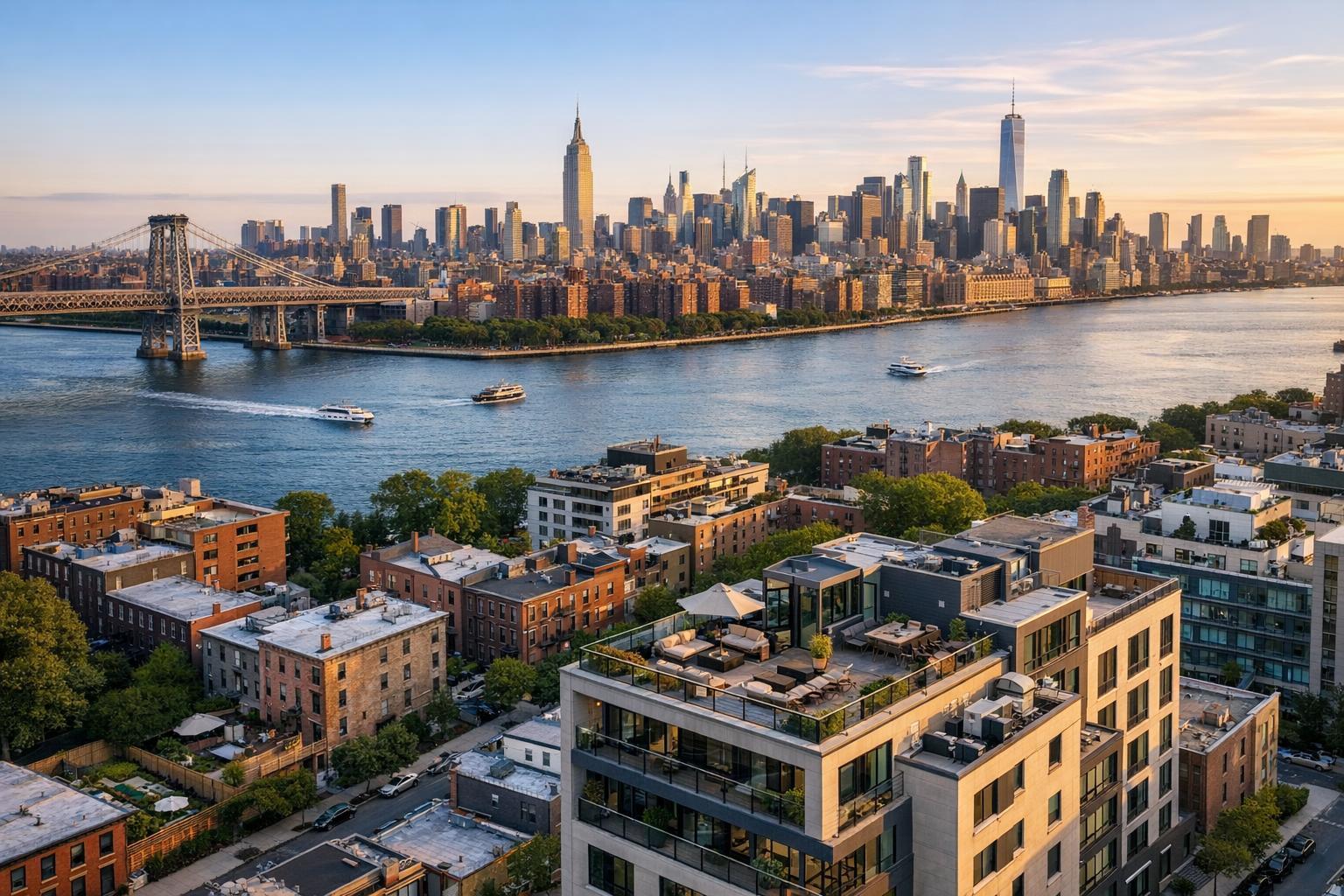
Experience matters, but so does local context. In New York City, building access, elevator rules, and classic layouts require care and efficiency. Brooklyn brownstones lean on character and multilevel storytelling. New Jersey typically means more square footage, exterior spaces, and flexible parking—but also different visual priorities.
Working with a provider who’s familiar with these differences, and who can adapt coverage accordingly, streamlines everything for agents and owners. RealtaSnap specializes in photography, video, and media packages across NYC and New Jersey, making it simple to coordinate shoots that fit each local property’s quirks and strengths.
Booking is online, and service spans all boroughs plus the full state of New Jersey. For project-based cases, Westchester and select parts of Upstate New York are possible with advance approval.
The Bottom Line: Choose the Photographer Who Makes Your Listing Easy to Understand
The best real estate photographer for your listing isn’t just the one with the splashiest highlights—they’re the one whose process, skills, attitude, and attention to detail make your property clear and marketable. Focus on full galleries, practical communication, honest editing, and matching media to the listing. The right choice helps buyers and renters see what’s really on offer—and makes marketing smoother for agents and owners alike.
If you’re looking to list in New York City or New Jersey, you’ll find details, current packages, and booking at RealtaSnap.
FAQ
Question: How many photos should I request for my listing?
Answer: Start with the property’s size and standout features. While a compact home may be covered by a focused set of images, larger or complex properties benefit from more comprehensive coverage. Consider whether exteriors, views, amenities, or special rooms deserve inclusion. It’s usually more effective to customize your photo count to the property’s story, not simply its square footage.
Question: Can occupied homes be photographed successfully?
Answer: Absolutely. Good coordination between the property photographer, agent, and residents makes a big difference. Share details about access, schedules, pets, and spaces that shouldn’t be photographed ahead of time. Decluttering and deciding what should remain visible helps the end result feel organized and welcoming.
Question: When is a floor plan a good addition to photos?
Answer: Floor plans are especially useful when the layout is complicated, unfolds across multiple levels, or isn’t easily understood in photos alone. They can help remote viewers visualize room relationships and flow. Just make sure your provider can access every part of the property on the day of the appointment.
Ready to make your next listing stand out with clear, professional media? Explore your options at www.RealtaSnap.com.