What to Look for in Real Estate Photography for Your Next Listing
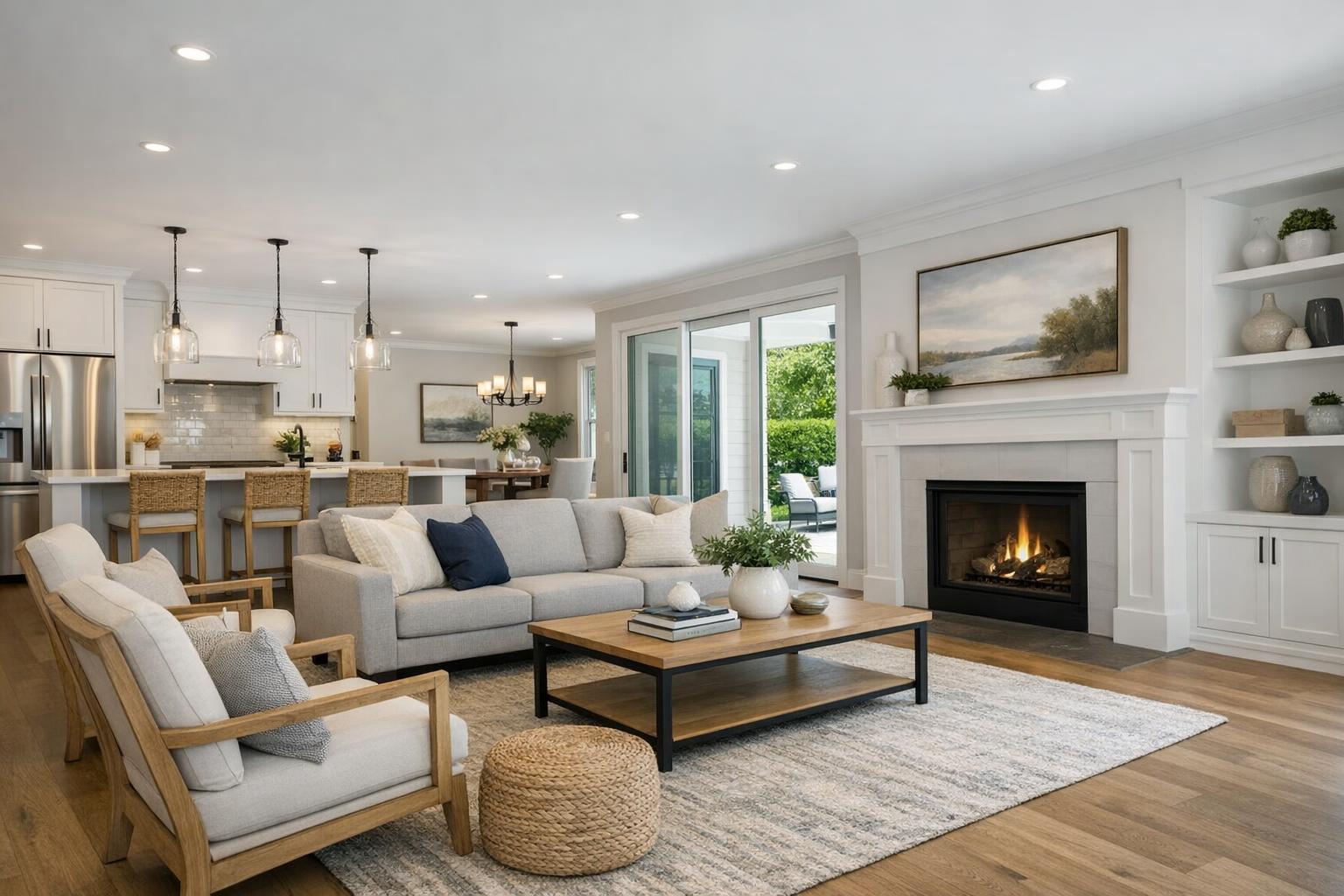
The real estate photography showcases a spacious and elegantly designed open living area with a modern kitchen, cozy fireplace, and tasteful decor.

What to Look for in Real Estate Photography for Your Next Listing
Real estate photography in NYC and New Jersey isn’t just about capturing vibrant, wide images of a space—it's about understanding what makes a property connect with buyers, renters, and tenants before they step through the door. For agents, brokers, property managers, and owners, choosing the right real estate photography services is a practical decision with real marketing consequences. It should help showcase the property honestly, answer key questions about layout and light, and inspire confidence in what viewers will actually see in person.
Below, we're breaking down the essentials of selecting and preparing for professional property photos, with practical tips for local listings from compact Manhattan apartments to sprawling suburban homes.
Move Beyond Pretty Pictures: Photos Should Tell the Story of the Space
At its best, professional real estate photography isn’t just decorative—it’s informative. In a city where room sizes can be modest and layouts nontraditional, buyers and renters want images that clarify how spaces relate and flow. For Manhattan listings, for example, one great angle might show the kitchen’s relationship to the living area or how windows provide natural light. In a Brooklyn brownstone, it could be the visual connection between original woodwork, staircases, and a garden view.
Look for photo galleries that:
- Illustrate the main living spaces from angles that reveal size and layout
- Clearly present kitchens, bedrooms, bathrooms, and coveted features like views, outdoor access, or architectural details
- Highlight details that make the property distinct, such as high ceilings, fireplaces, built-ins, or private terraces
- Organize images in a way that allows viewers to mentally “walk” through the home
A helpful sequence doesn’t need to include every corner, nor should it overwhelm with repetitive wide shots or overly artistic close-ups. Instead, each photo should earn its spot by giving viewers something real to understand.
Intentional Composition Matters
One way to spot a skilled real estate photographer is in their use of composition. This is more than just tidying up the shot—it’s about making the rooms understandable at a glance. Good composition centers key features, considers depth, and intentionally includes elements like partial walls or doorways to give a sense of connection.
For example:
- In small NYC apartments, the right composition can show how sleeping, living, and dining areas coexist, even if they share the same square footage.
- In townhouse or brownstone listings, strong composition helps clarify the transitions between levels, highlight original details, and tell the story of the property’s architecture.
The aim isn’t to exaggerate space or mislead, but to make the layout both accessible and visually inviting.
Light and Exposure: Let the Room—and View—Shine
Indoor light can be tricky, especially if a property has both bright windows and shadowy corners. Effective real estate photography balances these elements, so the finished images show interiors as they appear in person—without blown-out windows or gloomy rooms.
When reviewing samples, notice whether:
- Window views are clear (when they matter) but interiors remain bright enough to be welcoming
- Colors look natural rather than overly orange, blue, or washed out
- White walls appear true to life and not tinged by strange lighting
- Shadows don’t lose key details
- Mirrors, stainless steel, and other reflective surfaces aren’t distracting
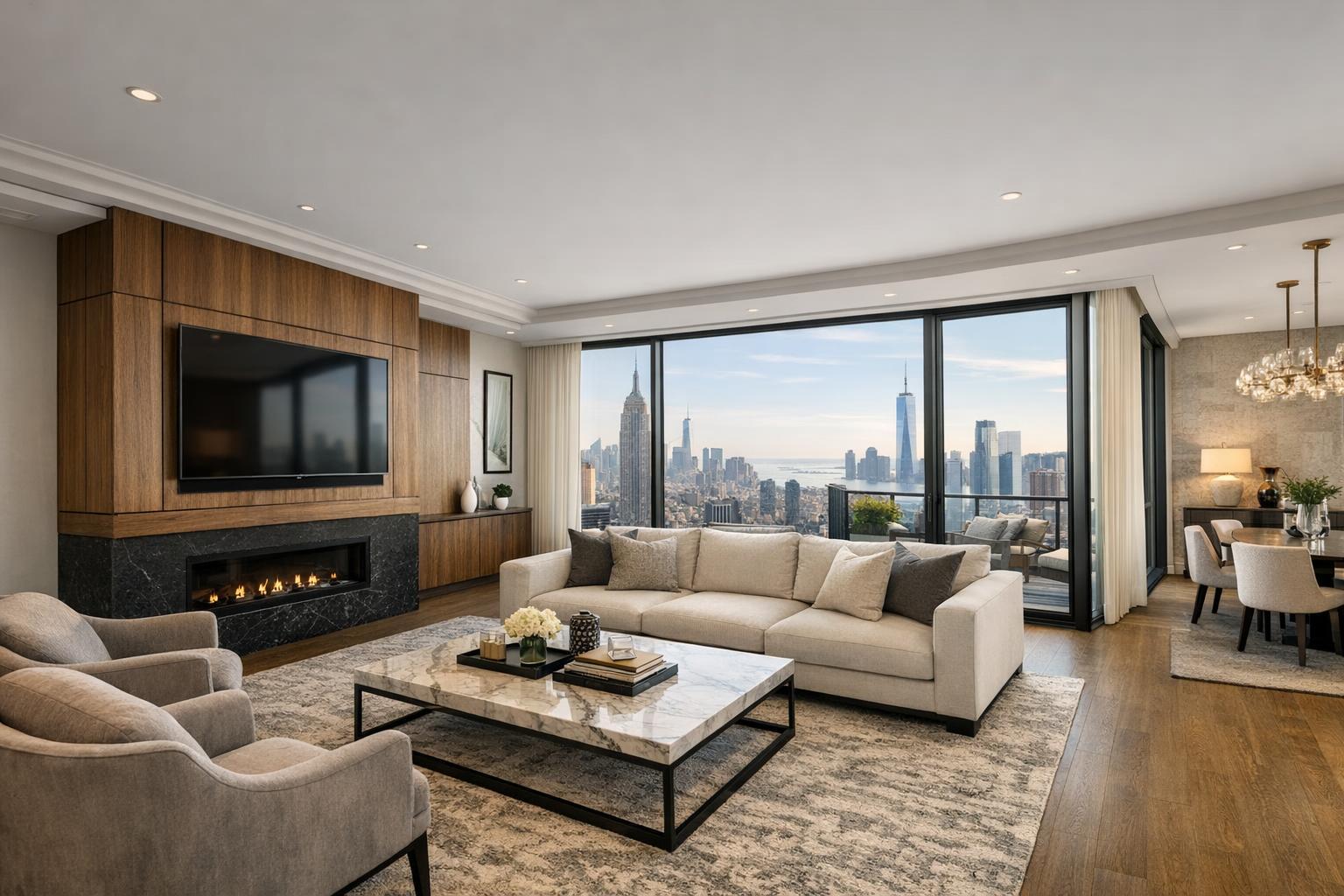
In some listings—think high-floor Manhattan condos or homes with landscaped yards—the outside view is critical to the story. In others, the priority should be the interior since that’s what will ultimately “sell” the space.
Perspective and Straight Lines: Accuracy Builds Trust
Buyers and renters expect the property they visit to match what they saw online. That starts with honest images where vertical lines—walls, doors, cabinets—are straight and room proportions look believable. Wide-angle lenses can be helpful, especially in tight NYC spaces, but only when handled with care.
Watch for:
- Consistently straight vertical lines, unless the architecture itself is curved or angled by design
- Furniture and built-ins that look proportional and real, not stretched or distorted
- Rooms feeling inviting and open, but still accurate in scale and layout
When rooms feel “off” in photos, viewers may begin to doubt other details of the listing.
Editing: Enhance, Don’t Transform
Professional editing is an essential part of real estate photography, but it shouldn’t rewrite reality. The best edits clean up distractions—think small items removed, wall smudges diminished, exposure corrected—without oversaturating colors or altering the fundamental look and feel of materials.
A high-quality gallery:
- Feels clean and consistent from image to image
- Balances brightness with believable colors
- Downplays minor clutter or visual noise
- Avoids heavy-handed effects that change the property’s character
For more extensive edits, such as removing large items or virtually staging a room, consult your photographer in advance and be clear on service limitations. RealtaSnap, for instance, offers clutter removal and virtual staging options, but these are designed for empty or appropriately prepped rooms, never to create an unrealistic impression of structural changes.
To dive deeper into what’s possible, explore RealtaSnap’s FAQ.
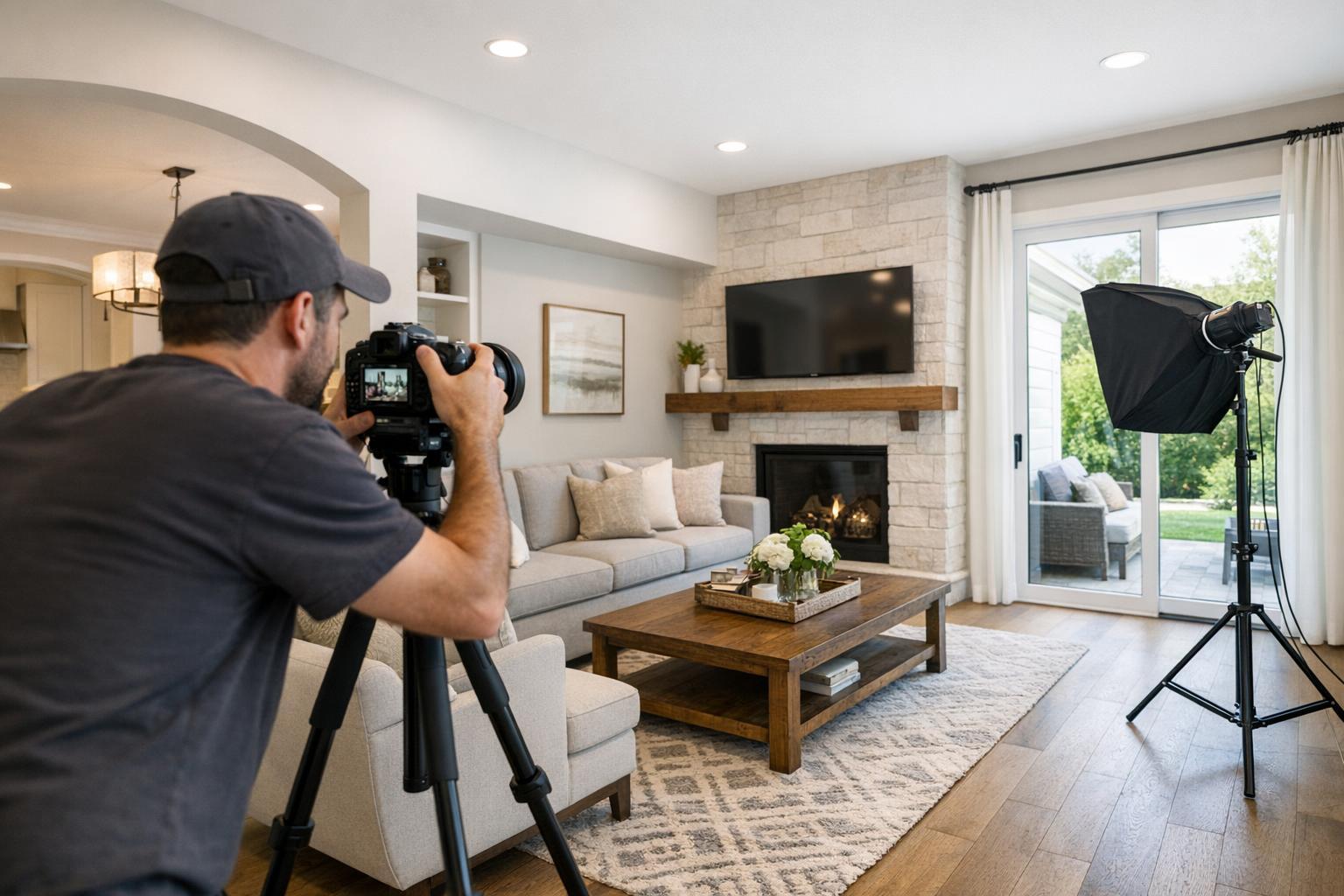
Preparing for a Listing Shoot: What You Can Do
No amount of professional skill can entirely disguise a property that’s cluttered or unprepared. Before the shoot, take time to:
- Declutter countertops, tables, bathroom surfaces, and floors
- Remove personal photos, pet supplies, and extra cords
- Make beds and tidy up throws or pillows
- Empty sinks and clear off kitchen appliances or magnets
- Turn on lights (if requested) and open blinds or curtains to showcase views and natural brightness
- Move vehicles or bins out of sight for exterior shots
- Clarify priorities with your photographer: Are you highlighting a workspace, a renovated kitchen, an outdoor area, or a city view?
For a comprehensive prep rundown, see RealtaSnap’s real estate photography prep guide.
Tailoring Photography to Property Type
Not every listing needs the same volume of photos or mix of additional media. Consider:
- Small Manhattan apartments: Focus on images that clarify layout, storage, natural light, and any standout features. A floor plan can be invaluable for tricky layouts.
- Brooklyn brownstones or townhomes: Capture the flow between important levels, outdoor connections, and period details like woodwork or fireplaces. Video can help when multi-floor movement or indoor-outdoor flow is significant.
- Larger New Jersey homes: More expansive coverage, including garages, finished basements, pools, and external context, can make a difference. For properties with unique outdoor amenities, drone coverage may be an option—as long as airspace, weather, and safety allow.
The best mix will always depend on what helps the viewer understand the property—not just what adds flash.
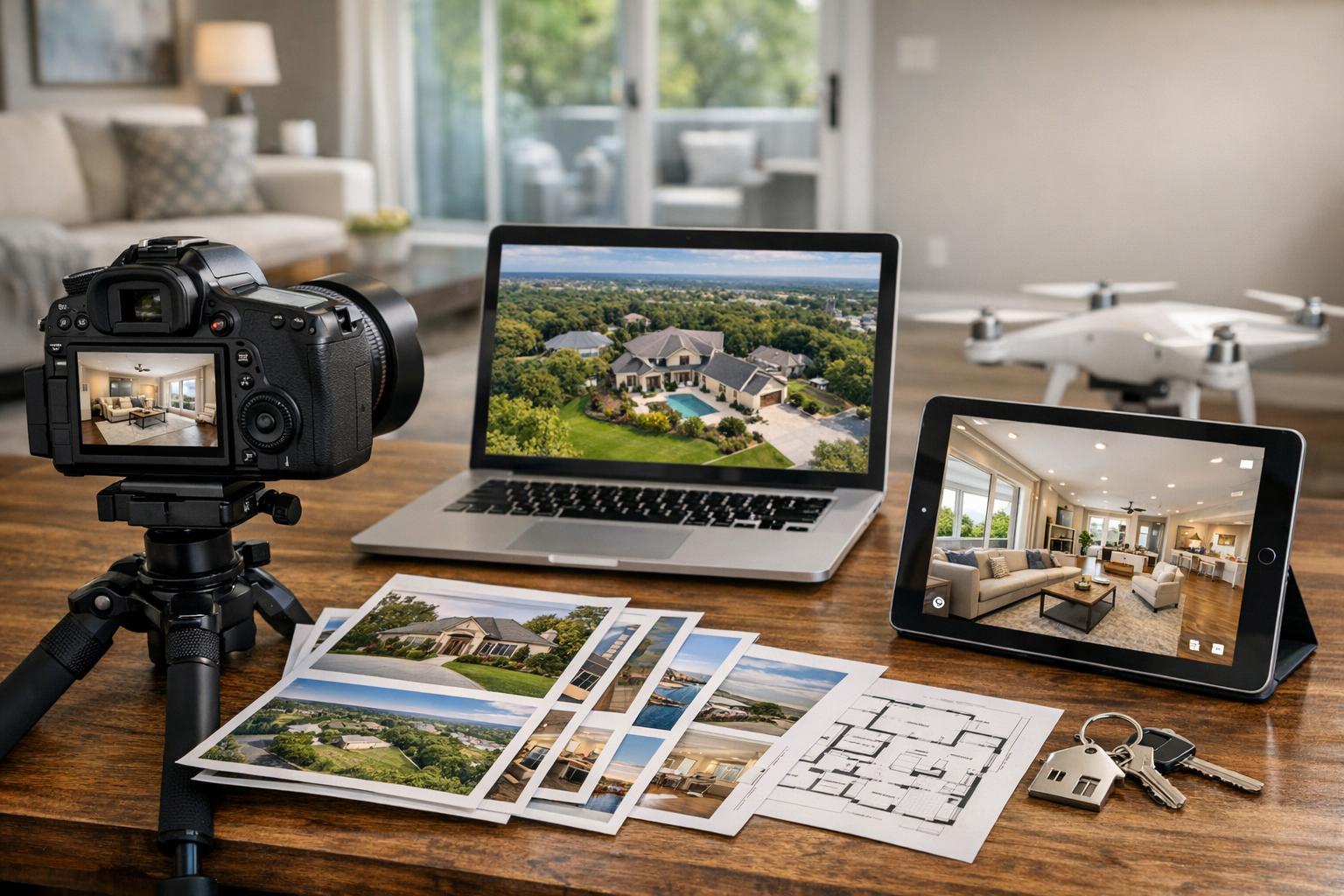
When to Consider Add-Ons: Floor Plans, Video, 3D, Drone, and Virtual Staging
While crisp still photos usually form the foundation of property marketing, certain listings can benefit from complementary tools:
- Floor plans: Especially beneficial for unusual or complex layouts. They require on-site capture and should reflect what’s actually present.
- Listing video: Helps communicate movement and room-to-room relationship, especially where transitions matter. Video should be filmed on-site and is not the same as stitching photos into a slideshow.
- 3D tours: Ideal for remote or time-strapped buyers who want a deeper sense of space. Like video and floor plans, these require physical capture at the property.
- Drone media: Useful for properties where exterior context, views, acreage, or water access are key features. Drone flights are subject to FAA rules, pilot discretion, airspace, weather, and safety.
- Virtual staging: Effective when used in clean, empty rooms. Existing furnishings or visible clutter generally need to be physically removed before virtual elements can be convincingly added.
Getting the Best Results: Questions for Your Photographer
Before booking with any real estate photography service, consider asking:
- Can I see complete galleries from properties similar to mine?
- How do you approach listings with small spaces, complex layouts, or challenging lighting?
- Which features should we prioritize in this particular listing?
- Are additional services like floor plans, video, drone, or virtual staging available if needed?
- What should I do to prepare the space before your arrival?
- How are custom edits or special requests handled?
Working with a local provider who understands the distinctions between NYC apartments, brownstones, and New Jersey homes can make all the difference. RealtaSnap focuses exclusively on listing-oriented, on-site capture for the New York City and New Jersey markets, and tailors photography and media recommendations to each property’s unique strengths.
If you’d like to see how the right photography can help your next listing stand out, visit RealtaSnap’s home page for service details and easy booking.
FAQ
Question: How many photos should I include in my real estate listing?
Answer: The number really depends on the property. For a small apartment, focused coverage of the main living areas and key features is often enough. Larger homes may require more images to showcase bedrooms, bathrooms, outdoor amenities, and extra rooms. Each photo should communicate something important about the property.
Question: Is it worth adding a floor plan to every listing?
Answer: Floor plans are extremely useful for properties with unconventional layouts, multiple levels, or when room functions aren’t obvious from photos alone. Straightforward apartments may not need a floor plan if the gallery clearly communicates the layout.
Question: Can I use virtual staging if the property is partially furnished?
Answer: Virtual staging is designed for clean, empty spaces. If furniture is present, it should be removed—or clutter should be minimized—before capture. Staging over existing items can result in confusing, unrealistic images.
If you have a property coming to market, RealtaSnap would be happy to help you create clean, professional listing images that show off your space at its best. Learn more at www.RealtaSnap.com.