How to Choose a Real Estate Photographer in NJ for Your Next Listing
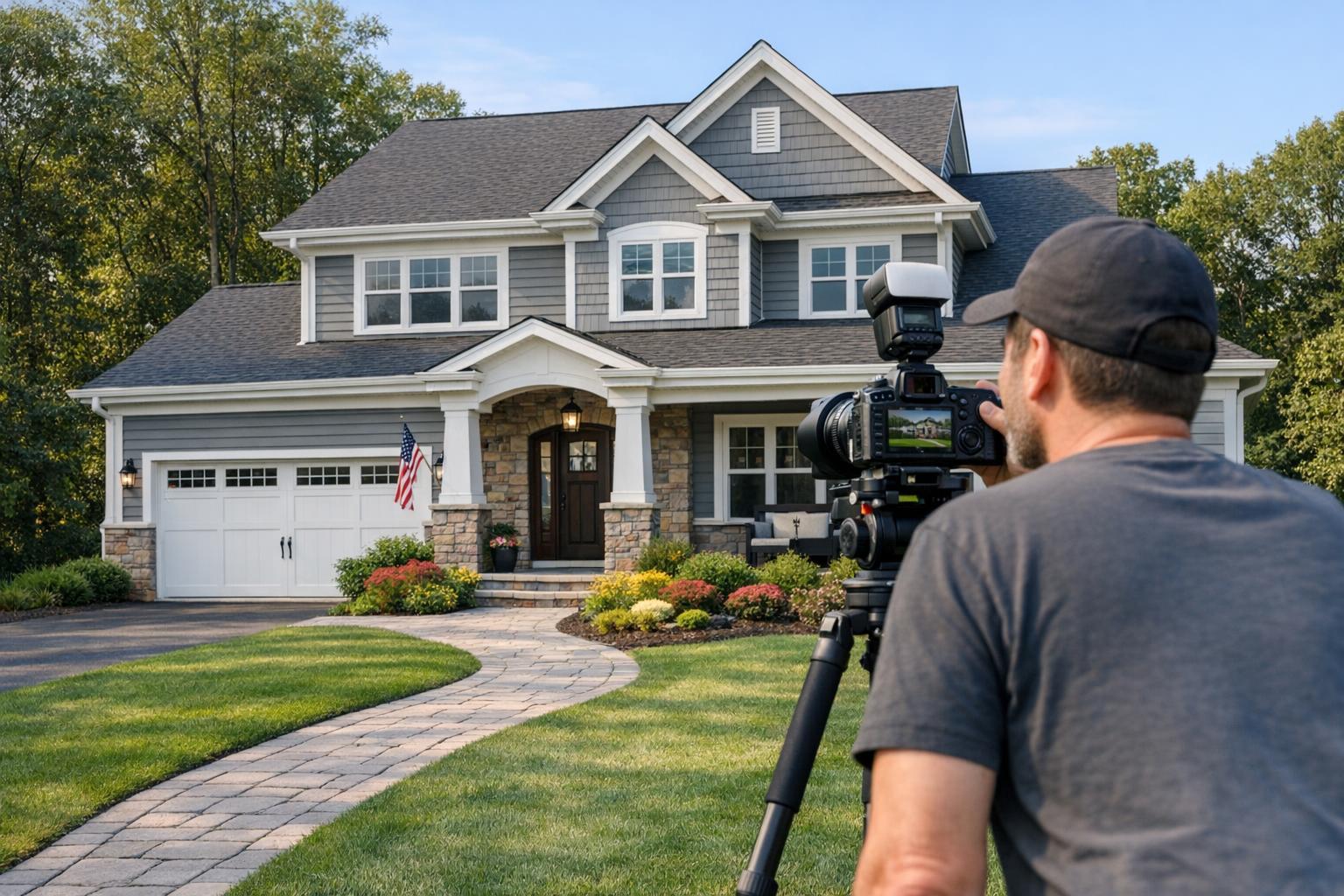
A real estate photographer in NJ captures the exterior of a two-story house with a manicured lawn and garden.

How to Choose a Real Estate Photographer in NJ for Your Next Listing
Hiring a real estate photographer in NJ isn’t just about finding the lowest price or someone who owns a decent camera. For agents, brokers, property managers, or owners, the photographer you choose will become your media partner—and that affects how potential buyers, renters, or tenants perceive your property online.
Photos are often what get people in the door. But is every set of listing images really the same? Not at all. Let’s talk about how to evaluate a real estate photographer, how needs differ for different types of properties in New Jersey, and how to make a confident, stress-free choice.
Why Portfolio Quality Tells You More Than a Price List
A real estate photographer’s portfolio is your window into the quality and style you’ll get. While an attractive price tag might catch your eye, what you’re really buying is the photographer’s eye for detail, skill with editing, and ability to capture a property honestly and attractively.
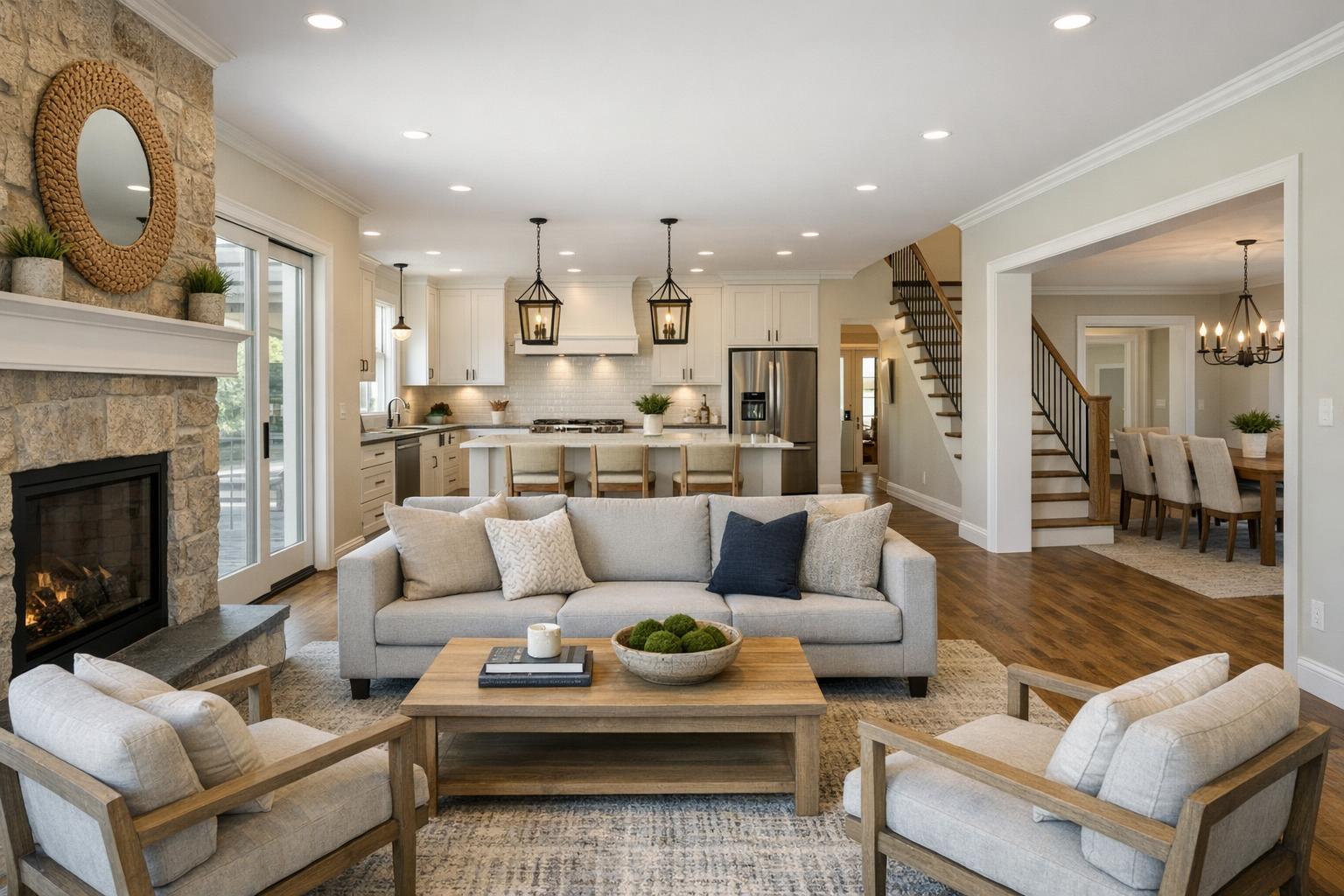
Before you book, ask to see completed shoots—ideally from homes, condos, or commercial properties similar to yours. Look for:
- Consistent lighting and editing from room to room
- True-to-life window views without harsh glare or blown-out highlights
- Straight walls and correct proportions (especially in kitchens, baths, and tight spaces)
- Thoughtful composition that helps viewers understand the layout
- Exterior images that show curb appeal, approach, and outdoor areas clearly
A credible New Jersey listing photographer won’t rely on overly dramatic wide angles or heavy digital retouching that changes the look of the property. The goal is clarity and accuracy—so potential buyers know what to expect.
What Makes Real Estate Photography "Professional?"
You don’t have to be an expert yourself to spot the difference between a careful set of listing photos and a rush job. These details are worth paying attention to:
Balanced Window Exposure
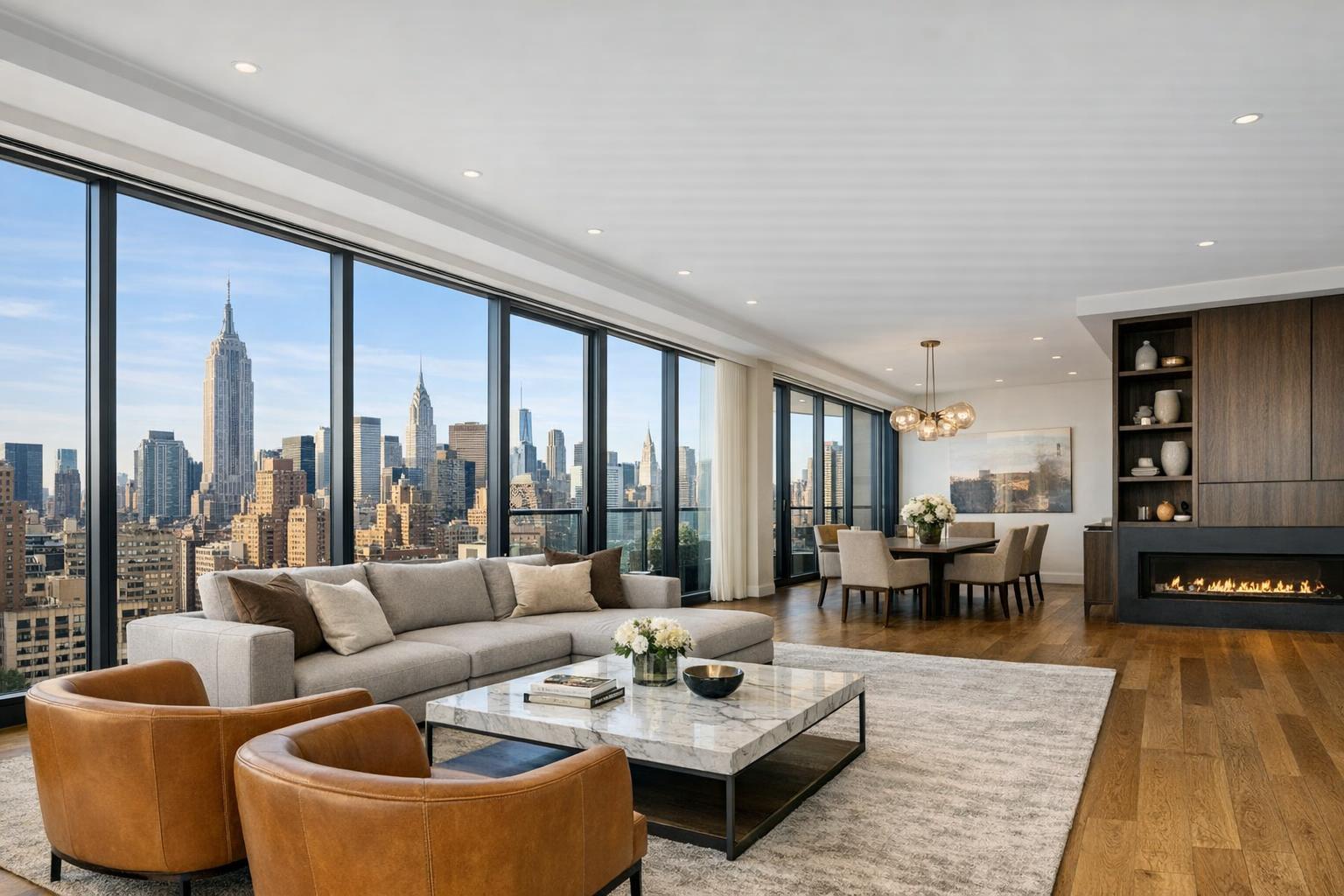
Most homes in NJ have interiors that are much darker than what’s outside. Professional photographers often use HDR (high dynamic range) methods to capture both bright windows and shadowy corners. Done well, you’ll see pleasant, natural-looking daylight—without grayish walls, glowing halos, or strange colors.
Controlled Perspective and Straight Lines
Wide-angle lenses are great for making spaces feel open but need skilled hands. Walls should appear straight and proportions should remain honest—especially in newer builds or condos with architectural lines.
Composition That Tells a Story
A good listing photographer thinks about what buyers will notice first—and what might distract them. Watch for photos that highlight the main features of a room and intentionally minimize clutter, stray cords, or awkward slivers of adjoining spaces.
Editing That Matches the Property
Final photos should look clean, natural, and cohesive. An elegant historic home, a sleek city condo, and a Jersey Shore retreat may call for different editing touches, but all should stay true to the property’s actual colors, finishes, and light.
Matching Photography to Property Type and Location
New Jersey’s housing stock is anything but one-size-fits-all. The media that works for a modern Hoboken condo won’t necessarily be the best fit for a large North Jersey house, a shore property, or commercial space. Here’s what to think about:
City Condos (Hoboken, Jersey City)
In smaller condos, controlled wide angles can clarify the layout without exaggerating scale. Make sure the photographer can handle compact bedrooms, long hallways, and amenities like rooftop decks or skyline views. Confirm access details—parking, building policies, and elevator logistics matter in urban settings.
Larger North Jersey Houses
For bigger homes, buyers want a sense of how the main rooms connect: kitchen, living room, lower levels, garage, backyard, and more. It helps if the photographer has a plan for moving efficiently through the property, capturing every important feature without rushing.
Shore and Waterfront Listings
Light, timing, and outdoor surroundings all matter here. Pools, decks, and water views benefit from planning, especially if drone coverage is on your radar. Just know that aerial shots depend on weather, safety, airspace regulations, and site access.
Commercial Spaces
Retail stores, medical offices, restaurants, or warehouses each have their own selling points—from floor layout to parking. Your photographer should know how to highlight what matters to business buyers or tenants, not just create attractive interiors.
How a Well-Planned Shoot Makes Life Easier
Preparation is a big part of making your shoot go smoothly. Before you schedule, ask these questions:
- What’s included in the shoot? (Photos only, or are video, floor plans, or other services involved?)
- How should the property be prepped?
- Who will handle access on shoot day?
- Which rooms or features need special attention?
- Any building or parking requirements?
- When will you get your photos—and how will they be delivered?
- Do you need to request extra edits or add-ons in advance?
Sometimes it pays to have a simple checklist for yourself, a tenant, or the seller—so no one has to scramble while the photographer is setting up.
If you want a preparation checklist, check out RealtaSnap’s Real Estate Photography Prep Guide.
Are Photos Enough? When to Consider Add-Ons
For many garden-variety listings, a set of interior and exterior photos will be enough. But sometimes, extra media can make a real difference:
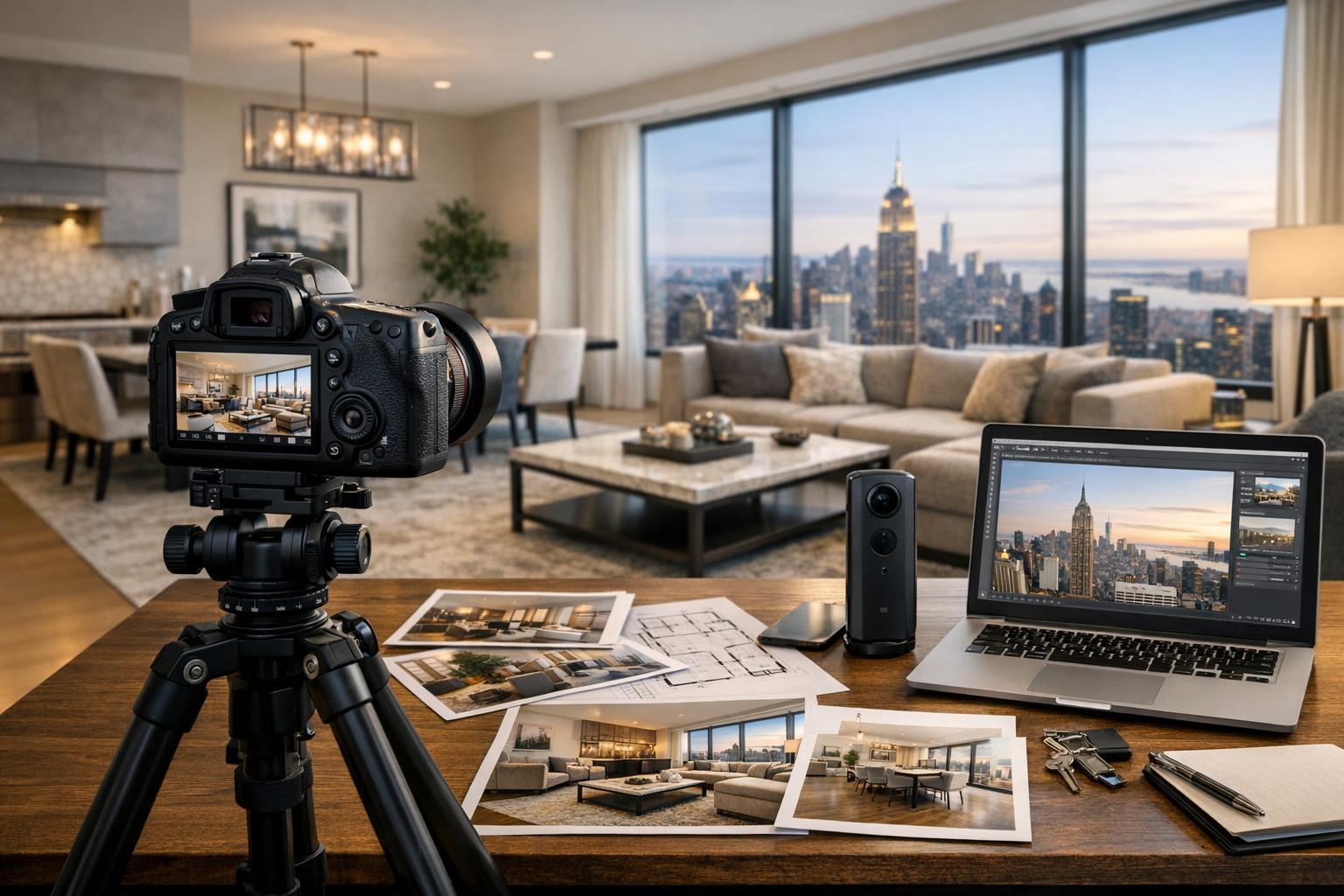
- Floor Plans: Useful for complicated layouts, finished basements, or multi-level homes. RealtaSnap creates floor plans based on on-site capture, not guesses from old PDFs or photos.
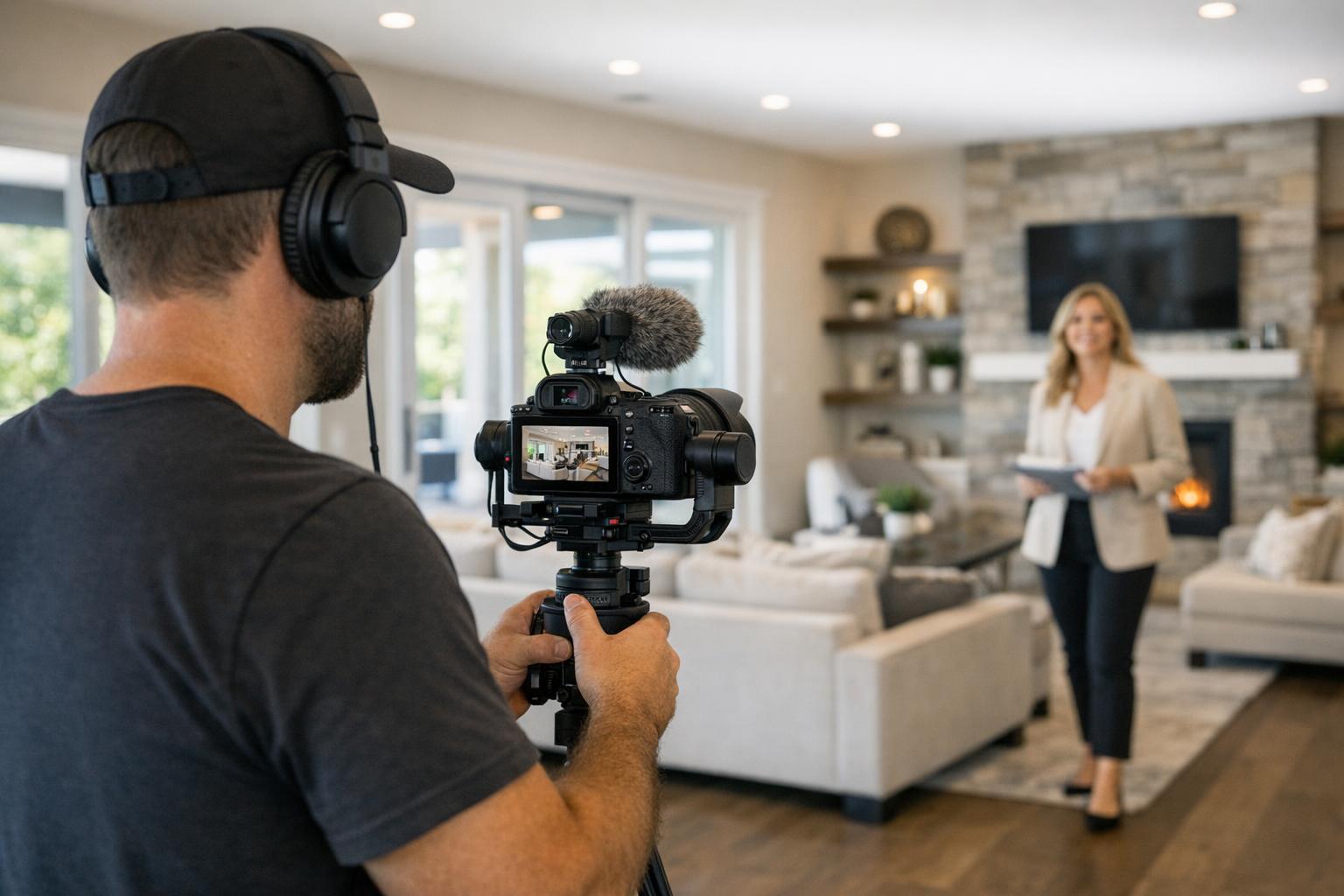
- Listing Video: Video walkthroughs can show buyers or renters the true flow of a home. The best results come from onsite capture (not slideshows made from photos).
- 3D Virtual Tours: Interactive walkthroughs help remote buyers or renters explore on their own. These also require in-person capture.
- Drone Coverage: Aerial photos or video are ideal for larger properties, land, waterfront, or commercial spaces—pending pilot review, weather, airspace, and regulations.
- Virtual Staging: Staging a vacant room virtually can help buyers picture the space. For best results, rooms should be empty or well-cleared first.
Read more about these add-ons and pricing at RealtaSnap’s NJ Real Estate Photography.
Comparing Your Options: What Actually Matters
Once you find a few New Jersey real estate photographers with solid portfolios, look a little deeper at their process:
- Are their galleries consistent, or do some listings look much better than others?
- Do their images feel honest—straight lines, natural colors, good use of light?
- Can they handle your specific property type and location?
- Is the booking process simple?
- Are timelines for delivery clear?
- Can they provide floor plans, video, virtual tours, or drone if needed?
- Are their limitations and service boundaries explained upfront?
- Do they communicate priorities and prep instructions before the shoot?
A photographer who sets clear expectations will be easier to work with—especially on tight schedules or challenging sites.
Bottom Line: Choose Media That Makes the Property Easy to Understand
The right photographer isn’t the one offering every possible upsell. They’re the one who helps you select the right kind of coverage and delivers it clearly and on time. For a simple city condo, great photos may be perfect. For larger, more complicated homes, mix in floor plans or video. For vacant rooms, staging can clarify scale. For properties with unique outdoor features or acreage, drone might be the missing touch.
Start with what the property needs, look for a track record of consistency, and make sure your communication is clear from the start. If you want a local, experienced partner in New Jersey, visit www.RealtaSnap.com.
FAQ
Question: How soon should I book a real estate photographer in NJ?
Answer: Booking as early as possible helps, especially if you need to coordinate with tenants, reserve the best time of day, or arrange for services that require extra planning (like drone or video).
Question: Can you make a floor plan or virtual tour from listing photos I already have?
Answer: No, accurate floor plans and virtual tours require on-site capture of the property. Photos alone don’t provide the measurements and details needed.
Question: Is HDR always the best choice for NJ interiors?
Answer: HDR is commonly used to balance bright windows and indoor light, but what matters most is the result. Look for photos that feel clean and natural, with detail inside and outside where it’s needed.
For more about services, prep tips, and photoshoot options in New Jersey, visit RealtaSnap’s NJ real estate photography page.