How to Choose an Architectural Photographer in NYC for Property Marketing
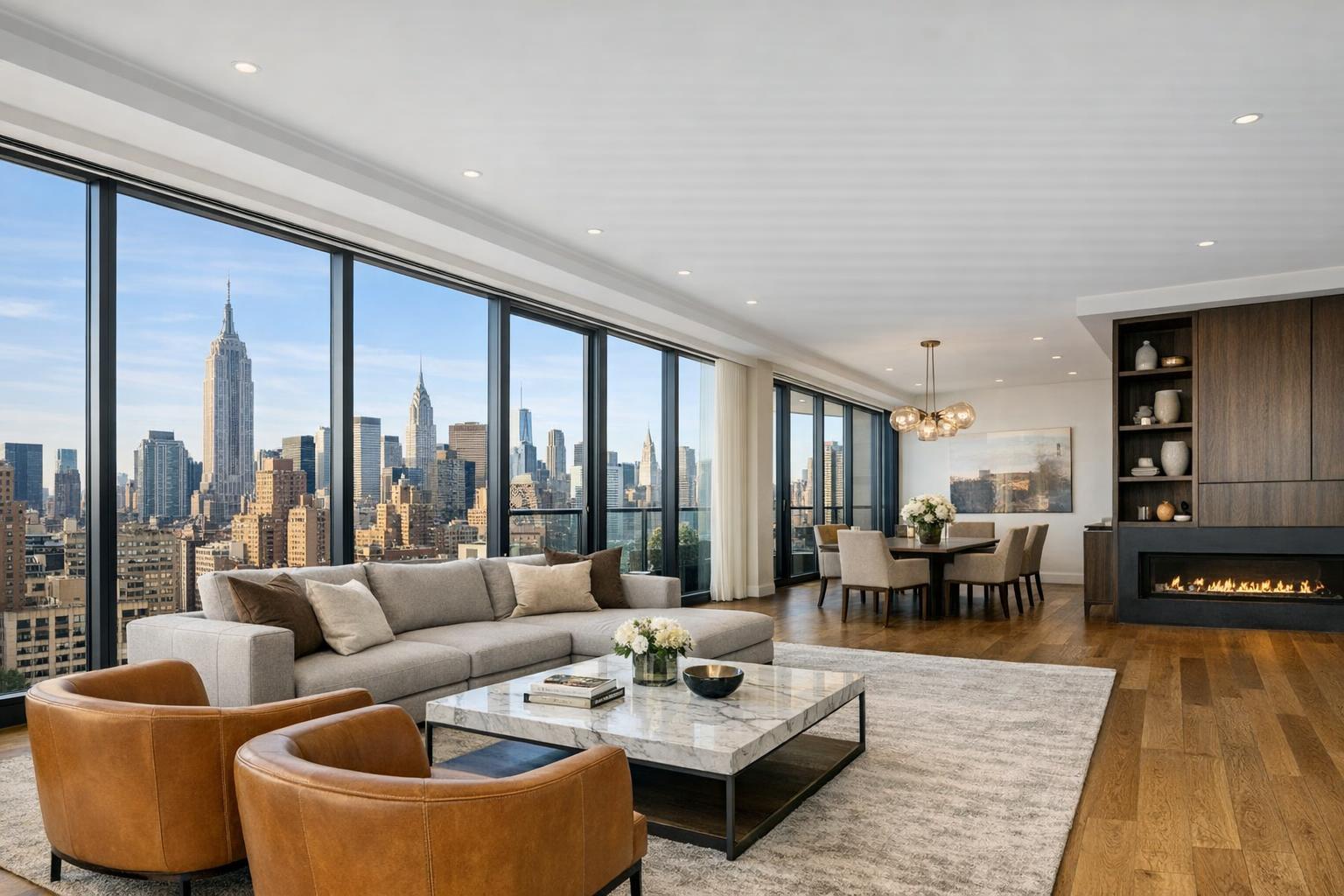
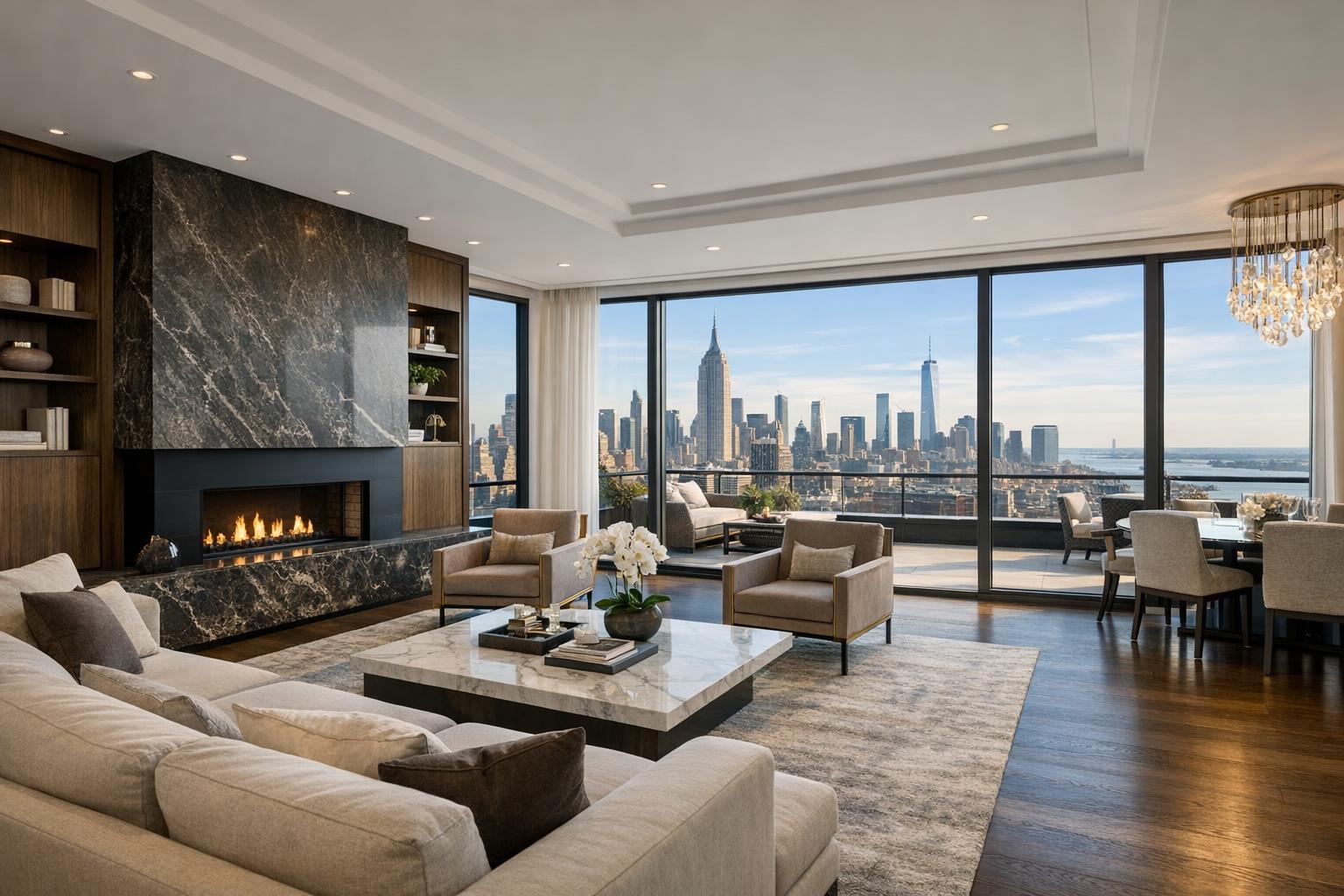
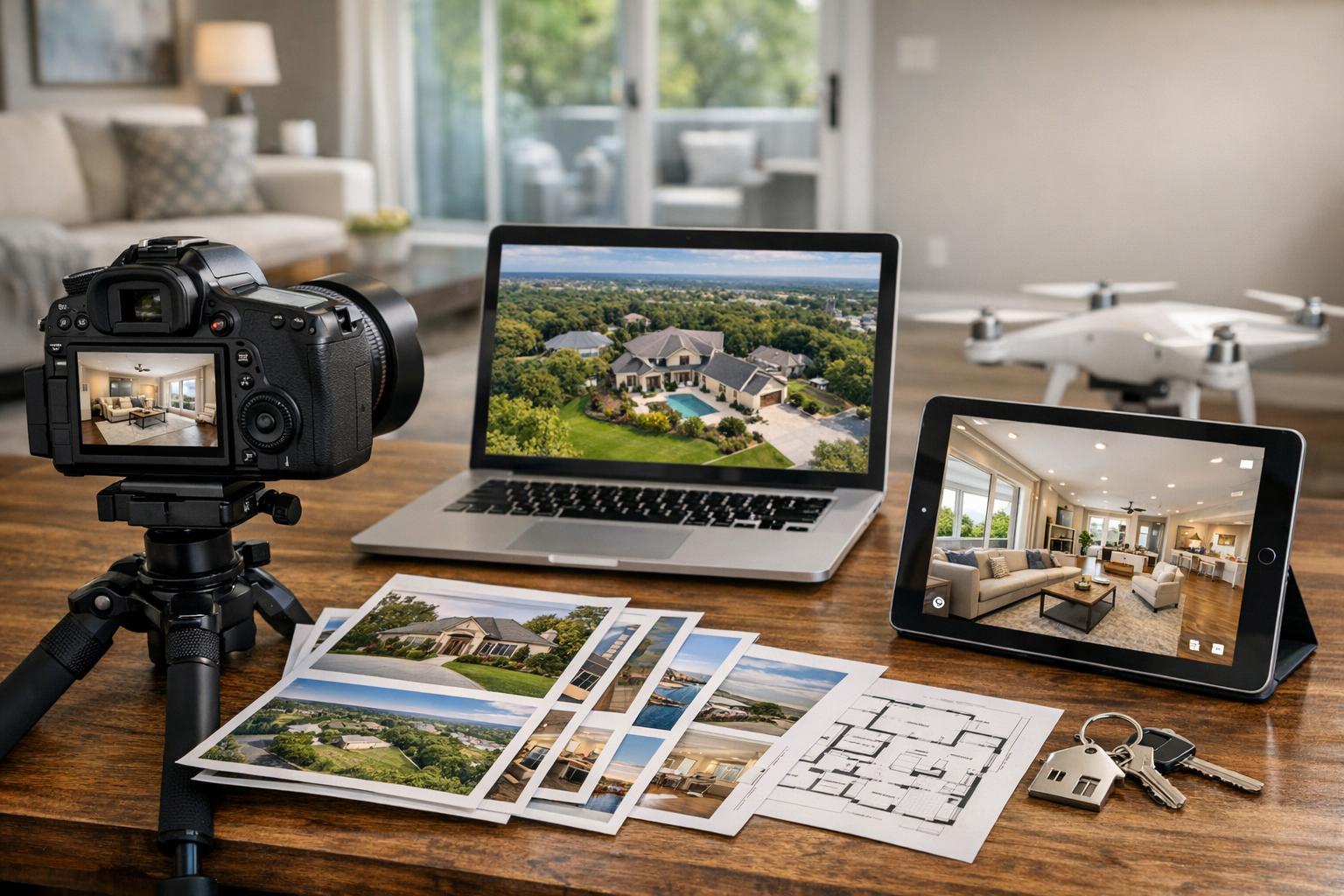
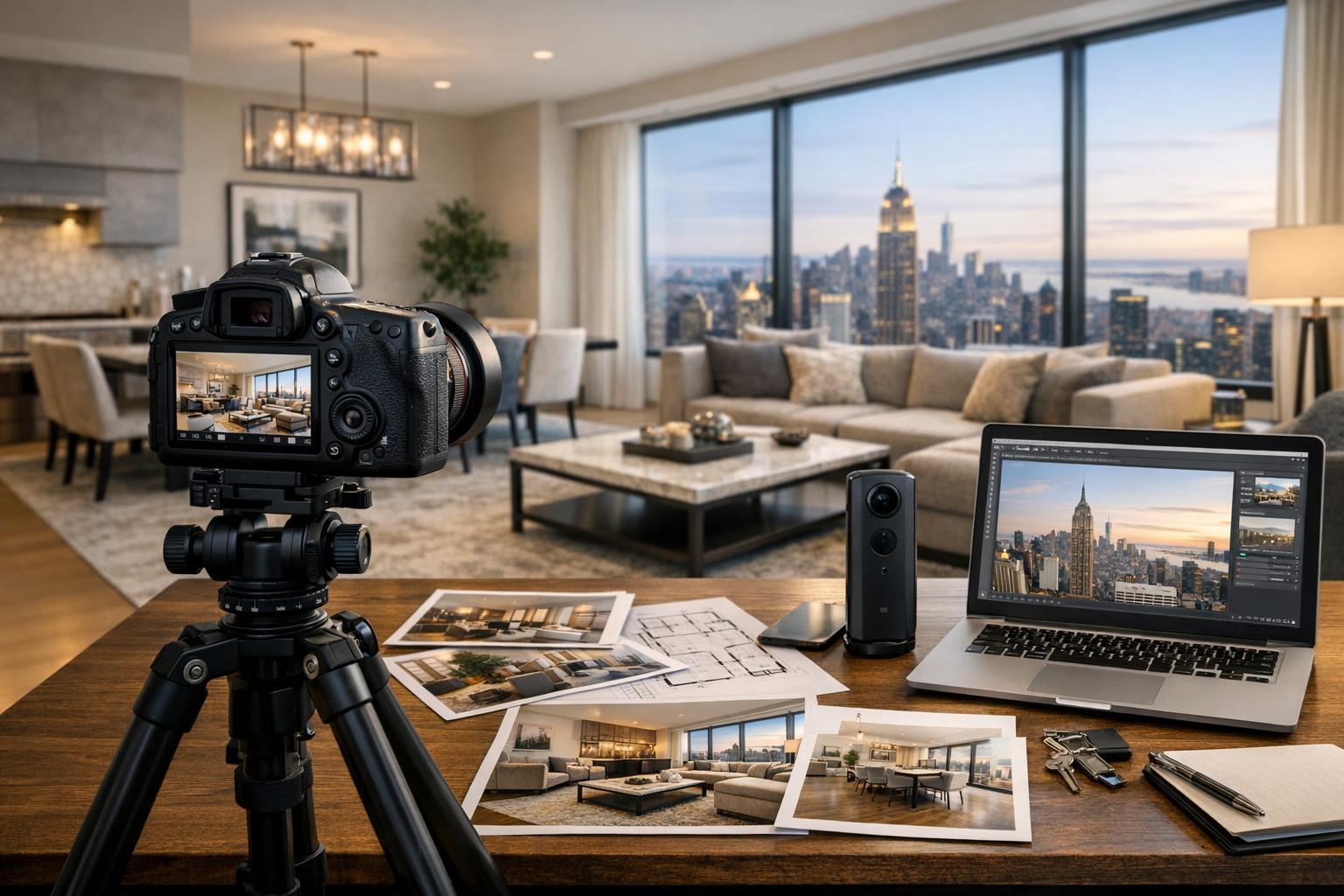
An architectural photographer in NYC has set up a workspace with a camera, photographs, and editing software in front of a stunning skyline view from a modern apartment.
How to Choose an Architectural Photographer in NYC for Property Marketing
Selecting the right architectural photographer in NYC can make all the difference when it comes to elevating a property’s appeal for brokers, developers, architects, property managers, and owners. But with so many choices, it’s not as simple as browsing portfolios or Instagram feeds. The real challenge is finding a photographer whose process, style, and expertise are an ideal fit for your specific property, the target market, and the way those images will ultimately be used.
In a city as visually diverse as New York, the difference between solid listing photos and thoughtful architectural photography can shape how buyers, tenants, or press understand your property.
What Makes Architectural Photography Distinct?
Most real estate listing photography in NYC is designed for speed and broad coverage, presenting all major spaces as efficiently as possible. That’s great for basic listings, but architectural photography requires an extra level of intention—especially when you need to highlight design details, materials, flow, and unique features.
Great architectural images build trust by making spaces easy to read. They reveal layout, light, and finishes in a way that feels authentic, not exaggerated.
Architectural photography often means:
- Consistent, straight vertical lines that don’t distort rooms or features
- Controlled exposure that respects both interiors and bright windows
- Thoughtful composition that organizes each view
- Detail shots that show craft, texture, and design choices
- Visual consistency across all images in the set
The approach is tailored—shooting a Manhattan high-rise condo, a Brooklyn brownstone, or a new commercial lobby all call for different visual strategies.
Start With How You’ll Use the Images
Before digging into photographer portfolios or requesting quotes, get clear on where the photos will be used. The right photographer can plan a more effective shoot if you tell them whether you need beautiful images for a listing launch, marketing brochures, an architect’s website, ongoing leasing, social media, or press features.
Typical uses for real estate and commercial imagery include:
- Residential listings and brokerage websites
- Developer sales and leasing materials
- Commercial real estate packages
- Social media marketing
- Company websites and email campaigns
- Print brochures, signage, and presentations
- Architecture and design portfolios
Let your photographer know if you’ll need space in images for text overlays, or if there’s a key angle or feature that absolutely must be included. The more they know about your goals and channels, the better they can plan your shot list.
Reviewing Portfolios: What to Look For
When viewing photographer portfolios, look for projects that align with your type of property, both in scale and style. It’s not just about whether the images are striking—it’s whether the photographer can handle the same kinds of spaces and conditions you’re working with.
Residential Highlights
For NYC apartments, condos, and Brooklyn brownstones, pay attention to:
- How they handle small or irregularly shaped rooms
- The feel of transitions between kitchen, living, and sleeping areas
- How verticals are kept clean (look at doorways, windows, and built-ins)
- Whether city, garden, or terrace views are incorporated naturally
- Respect for original features—moldings, staircases, fire mantels, woodwork
Brownstones, with multiple floors and historic details, benefit from storytelling that shows period features and movement through the space. Glassy new developments, meanwhile, may demand refined shots of finishes and amenity spaces.
Commercial and Hospitality Spaces
Offices, retail locations, and hotels each have their own visual needs. In offices, look for examples showing reception areas, open work zones, meeting rooms, and amenities without distortion. Retail interiors should highlight storefront presence, customer flow, lighting, and ceiling height. Hospitality shoots often balance public areas, guest rooms, and service features—do the images communicate comfort and style?
A polished portfolio should show an ability to build a cohesive story, not just room-by-room snapshots.
Process: Light, Perspective, and Consistent Editing
Skilled architectural photographers make their work look effortless. But the difference is often in the details:
Composition & Perspective
Wide-angle lenses have their place, particularly in NYC’s famously compact spaces. However, excessive use can leave rooms looking oddly stretched out. Ask potential photographers:
- How do you keep verticals straight and fix lens distortion?
- How do you approach tight or irregular layouts?
- Do you have examples of tricky glass walls, mirrors, or reflective finishes?
- How do you balance inside/outside views through windows and doors?
Kitchens, bathrooms, and commercial interiors especially can reveal when lines aren’t quite right or proportions are off.
Handling Window Light and Mixed Conditions
Many NYC properties combine bright windows, shaded corners, and diverse light sources. Ask to see cases where the photographer navigated strong daylight, large windows, and darker interiors while retaining natural color. It’s a sign they’re paying attention and not just letting windows “blow out” to white.
A natural sense of light and color matters more than artificially brightening every corner. Depth and shadow help tell the story of materials and space.
Consistency Across the Gallery
One hero shot is great, but the overall gallery is more important. Look for photographers whose editing style stays steady from room to room—consistent color, contrast, and finish matter, especially if you’ll be presenting multiple listings, floor plans, amenity spaces, or commercial properties together.
Planning the Shoot: Customizing for Each Property
A good photographer shouldn’t follow a paint-by-numbers checklist. Instead, they’ll want to discuss what really matters for your space.
For example:
- Condo listing: Living area with view, kitchen finishes, bedrooms, bathrooms, amenities, terrace or balcony if relevant, and lobby access if available.
- Brooklyn brownstone: Façade, stoop, parlor, kitchen, garden access, period details, flow between levels.
- Commercial space: Entry, lobby, workspaces, meeting rooms, retail façade, and any amenities essential to the building’s appeal.
Detail shots (hardware, lighting, stonework) should always add context—not just serve as filler.
Coordinating Logistics: Access, Timing, and Readiness
NYC real estate has its own rhythm and quirks. Before the shoot, clarify access with building staff, elevator requirements, doormen, or loading zones. Are there photography restrictions in the lobby or on amenities? Will tenant schedules or ongoing work affect timing?
Plan for the property to be ready: clean surfaces, clear clutter, hide cords, make sure the lights work, and remove things that shouldn’t be in the photos. For commercial spaces, get temporary signage, delivery boxes, or equipment out of sight.
If you’re considering virtual staging, make sure the room is empty or decluttered first. The result will be more convincing and visually useful for buyers or tenants.
Should You Add Floor Plans, Video, or 3D Tours?
Photography is almost always the foundation for good property marketing. But complementary services can help, depending on your goals:
- Floor plans: Ideal for helping people understand room relationships, especially in multi-floor townhomes or spacious offices. Floor plans require on-site capture.
- Video: Useful for showing how people move through a space, highlighting entry sequences or the overall experience. RealtaSnap captures actual video on site instead of simply turning stills into slideshow “videos.”
- 3D virtual tours: Allow remote viewers to navigate a space interactively. This is usually captured with on-site scanning.
- Drone imagery: Can be valuable for buildings with notable exterior scale, rooftops, or unique context, but always depends on airspace restrictions, weather, safety, and access.
Only add these media types if they clarify something that photos alone can’t explain.
Smart Questions to Ask Photographers
Here are a few questions that can help you separate the professionals from the rest:
- Can you show complete project galleries relevant to my property?
- How do you deal with windows, mixed lighting, or reflective materials?
- What shots do you recommend for this specific type of property and use?
- How do you keep rooms looking natural without distortion?
- What kind of prep do you need from us?
- How do you handle access and logistics in an occupied or active building?
- Can you provide images for listings, leasing, print, or other formats?
- Are floor plans, video, or drones appropriate and feasible for this property?
- What does your standard editing include? What requires a separate request?
Direct, practical answers are usually a good sign that the photographer has experience with properties like yours.
Where RealtaSnap Fits In
RealtaSnap works with clients across New York City and New Jersey, offering real estate media for residential, commercial, and development projects. If you want a straightforward approach that adapts to your needs—without simply bundling everything into a generic package—RealtaSnap might be a good fit.
You can explore services, view sample work, or book online at www.RealtaSnap.com. Just enter your property address to see current options, choose your services, and select an appointment time. For more specialized projects, start with a summary of your property and required uses.
Thoughtful architectural photography doesn’t need to be dramatic—it should be accurate, purposeful, and help people understand exactly what makes your property stand out. If you’re planning media for an upcoming NYC or New Jersey property, RealtaSnap is ready to help.
FAQ
Question: How is architectural photography different from standard listing photography?
Answer: Architectural photography involves more detailed visual planning—careful composition, straight lines, balanced lighting, and attention to design details—while routine listing photography captures key spaces quickly for general marketing. Architectural imagery is especially useful when you need to emphasize design, layout, finishes, or scale.
Question: How should I prepare an NYC apartment or office for architectural photography?
Answer: Clear clutter, remove personal items, make sure all lights work, and ensure the key rooms are clean and accessible. For occupied properties, coordinate access with building staff and confirm which areas will be photographed. A prepared space gives your photographer more flexibility and better results.
Question: Is video or a floor plan necessary for commercial real estate photography in NYC?
Answer: It depends on your goals and how prospective tenants or buyers absorb information. Photography is usually the starting point, but floor plans can help with layout, while video shows room flow and entry sequence. Floor plans and video require on-site capture. Consider what will best showcase your property to your target audience.
If you’d like more guidance or want to book a session, you can always start at www.RealtaSnap.com.