How to Choose Luxury Real Estate Photography for a High-End Listing
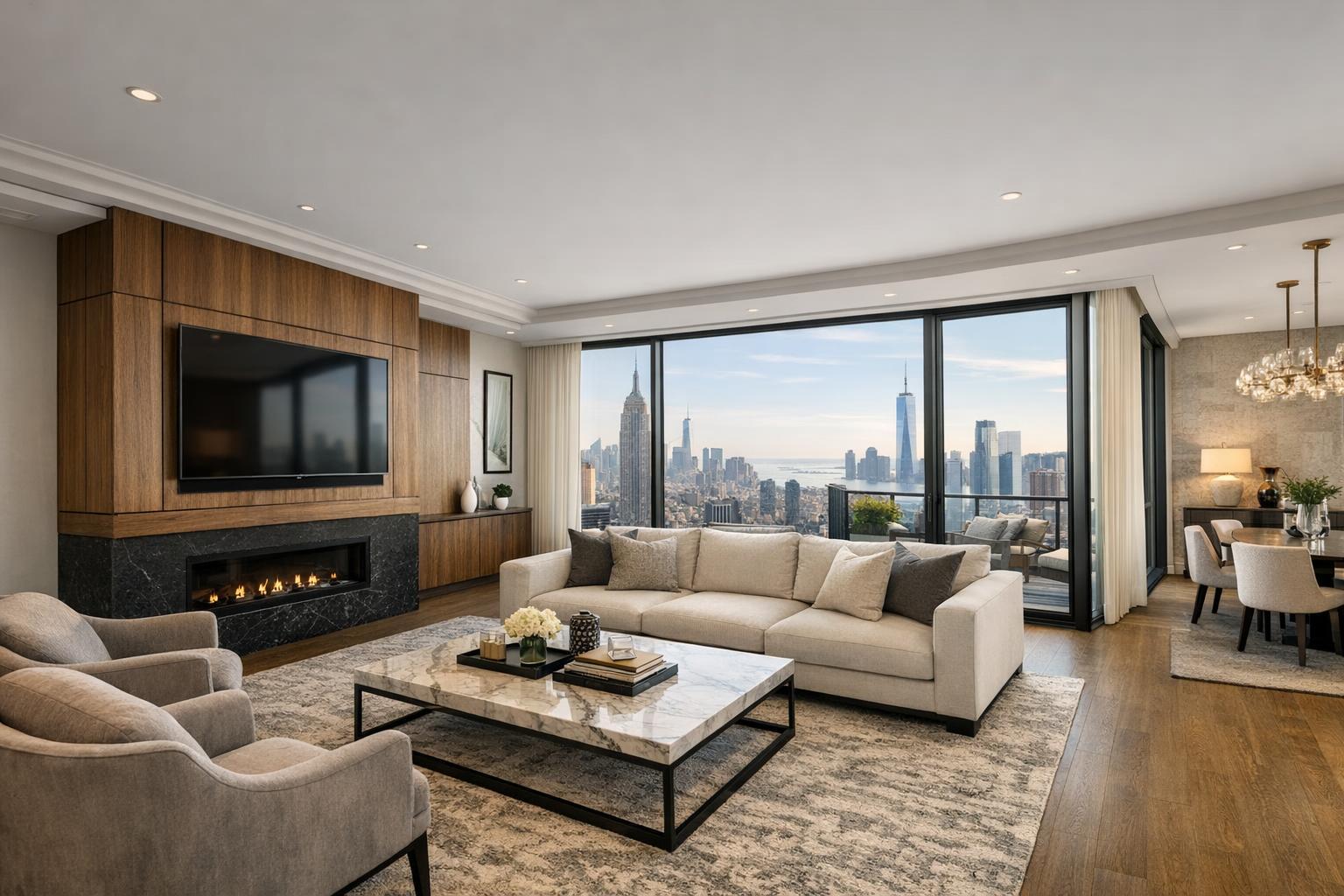
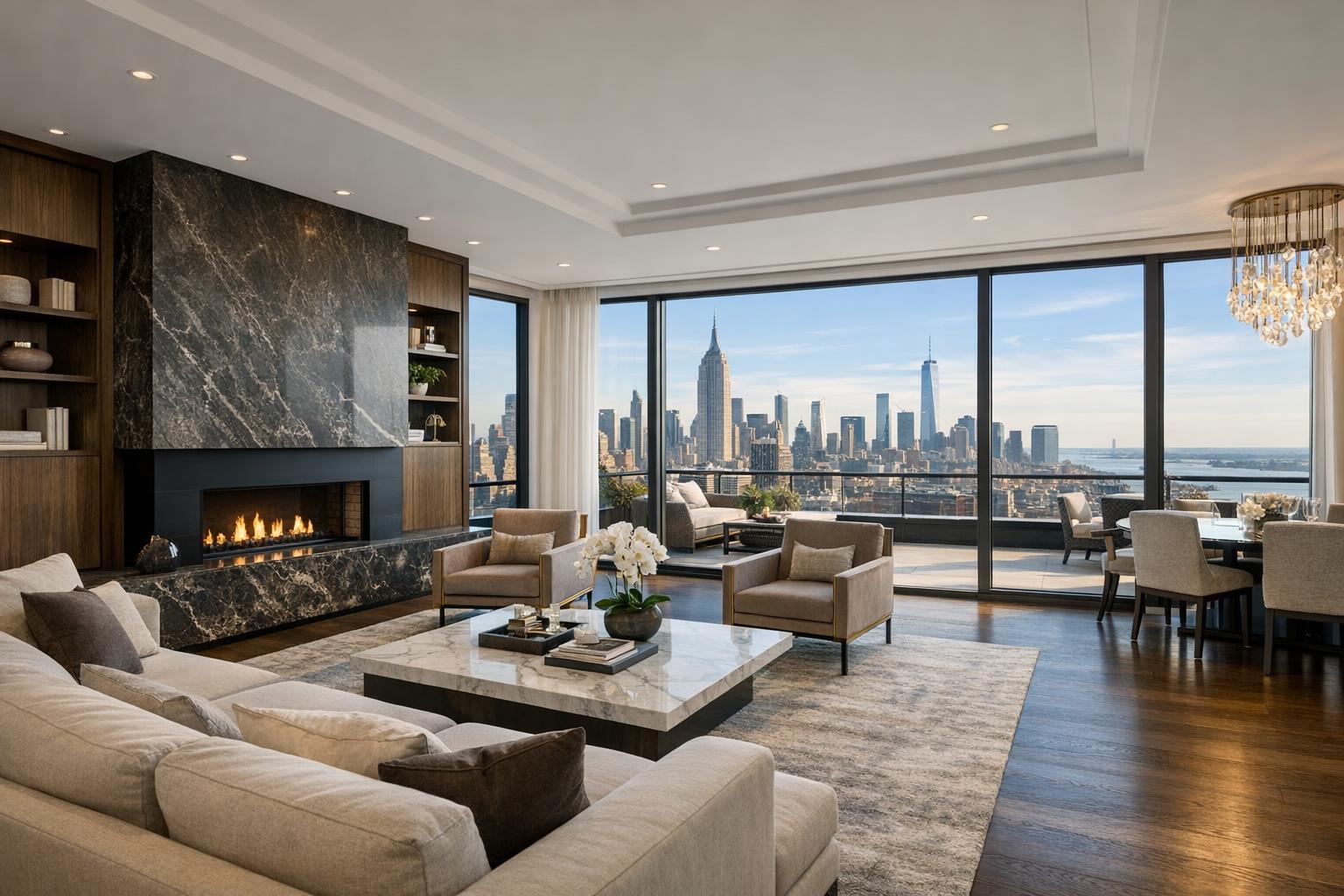
A luxurious living space features elegant furniture, a sleek fireplace, and panoramic city skyline views, exemplifying high-end real estate photography.

How to Choose Luxury Real Estate Photography for a High-End Listing
Luxury real estate photography in NYC and New Jersey isn’t just about making a property look good online—it’s about designing a visual story that genuinely reflects the character and strengths of a unique home. Whether you’re an agent, broker, developer, or owner preparing a high-end listing, the right images need to do more than simply impress. They need to help prospective buyers understand what makes the property special, and why it might be right for them.
So, how do you go beyond the basics and choose a luxury real estate photographer who can capture what matters most? Here’s a guide to evaluating portfolios, planning coverage, and getting results worthy of your top-tier listings.
Define the Story Behind Every High-End Listing
No two luxury properties demand the same approach. Perhaps a Manhattan apartment’s entire value hinges on spectacular city views and natural light, while a Brooklyn townhouse needs to articulate the flow between parlor, bedrooms, and backyard. In New Jersey, a larger home might call for a more expansive vision—including grounds, exterior architecture, and outdoor living spaces.
Before you start interviewing photographers, consider these practical questions:
- What distinguishes this home: views, architectural details, finishes, natural light, or layout?
- Are there original features, custom craftsmanship, or designer elements that deserve special attention?
- Is the outdoor space, a terrace, or a pool central to the listing’s value?
- Will a potential buyer need a clear sense of how rooms connect or how the space unfolds?
Once you’ve mapped the story you want to tell, you can share this perspective with your photographer so they can plan their approach around what’s truly important.
What Sets High-End Property Photography Apart
Not every photographer who shoots homes can deliver results for the luxury market. At this level, the difference is in the details: composition, lighting, clarity, and honest representation.
Composition that Makes Sense
Strong composition means images that are both beautiful and explanatory. Look for portfolios that show:
- Vertical and horizontal lines that remain straight
- Rooms that feel spacious but not artificially stretched
- Viewpoints that clarify how spaces connect, not just wide shots for their own sake
- Foregrounds that add depth, not clutter
- A sequence of images that matches how someone would naturally move through the home
Photos that wow on social media but confuse or mislead prospective buyers are less effective for serious real estate marketing.
Balanced Exposure and True Color
Luxury interiors can include floor-to-ceiling windows, layered lighting, glossy surfaces, and dramatic contrasts between inside and out. Exceptional listing photography handles these challenges gracefully.
As you review sample galleries, notice whether:
- Window views (if they matter) are visible—neither overexposed nor ignored
- Whites look neutral and finishes reflect actual tones, not odd color casts
- Warm and cool lights are balanced across the gallery
- Darker surfaces hold texture
- Reflections are managed, not distracting
The best high-end property photos look polished but still real—showing the space as it is, not as a digital fantasy.
Meaningful Details
While wide images carry most galleries, the right detail shot can highlight craftsmanship or a feature that might not stand out otherwise. Think marble vanities, unique lighting, or an urban terrace’s connection to a view. But make sure detail shots always reinforce the larger story; a close-up faucet does little good if the kitchen’s functionality remains mysterious.
Planning the Scope of Your Shoot
An effective luxury real estate shoot isn’t about sheer image count. It’s about matching coverage to the property’s complexity and purpose.
- A compact, thoughtfully designed apartment may need far fewer images than a multi-level brownstone or a New Jersey estate with a pool, patios, or extensive grounds.
- Plan to give special rooms and features extra attention, but don’t overwhelm buyers with redundant angles or filler shots.
- Think about what helps a buyer envision living there—major rooms, key connections, views, standout finishes, and how the property flows from indoors to out.
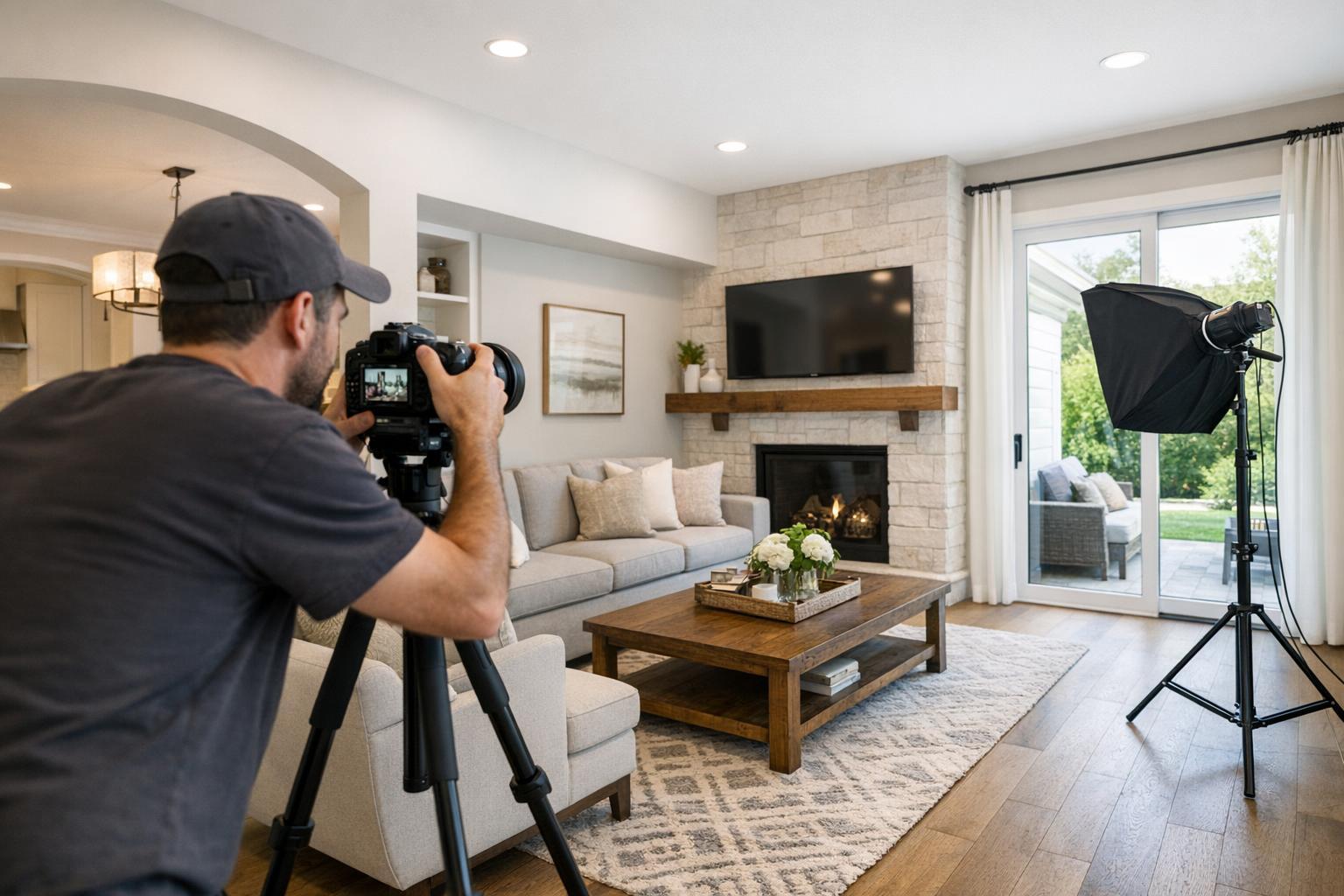
Preparing your space makes a big difference: tidy surfaces, reduce clutter, and decide which furniture or art should remain in frame. Many professional photographers will offer prep guidance so you can make sure the home is camera-ready before shooting begins.
Customizing Coverage for Manhattan, Brooklyn, and New Jersey
The best real estate photography is never one-size-fits-all, and this is especially true across the diverse neighborhoods and property types of the NYC metro area.
Manhattan: Views and Luxury in Small Packages
Apartments in Manhattan tend to prioritize usable space, views, and seamless transitions between rooms and amenities. A polished portfolio here shows spaciousness without heavy distortion, balancing city views against interior detail, and often includes lobby and rooftop amenity shots where relevant.
Brooklyn: Character and Flow
A Brooklyn townhouse or brownstone has its own rhythm and tells a layered story. Look for images that clarify historic details, connections between living areas, stairs, and unique garden or rooftop spaces.
New Developments: Consistency is Key
For brand-new condos or large projects, unified presentation across units matters. Photographers should demonstrate an ability to show layouts, finishes, lighting, and amenities clearly and in a style consistent with the project’s branding.
New Jersey Estates: Big Stories with More Ground to Cover
Luxury homes across New Jersey might require both sweeping exterior coverage and close-ups of exterior materials, amenities, and landscape. When aerial images help clarify scale or location, drone availability is a plus, but always subject to airspace, safety, and piloting conditions.
When Do Add-Ons Make Sense?
Photography remains central for every high-end real estate listing, but some properties warrant complementary media.
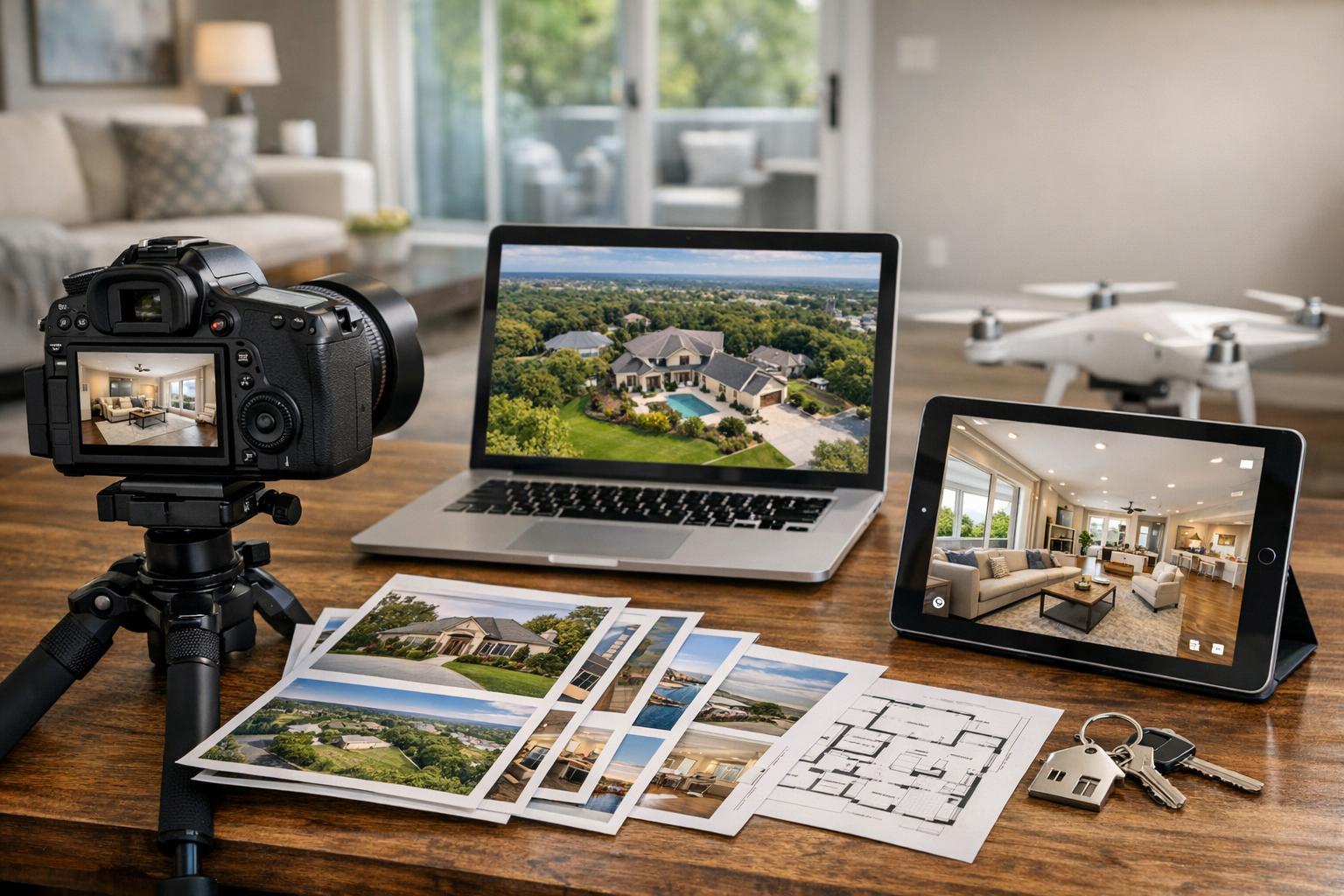
- Video may help convey how large homes, sweeping staircases, or indoor/outdoor transitions work in real life. It’s especially effective for properties with a sense of arrival or movement.
- Advanced floor plans help buyers understand complicated or unique layouts. These require physical on-site capture.
- 3D virtual tours like Matterport can let out-of-market buyers explore space at their own pace. (Again, these require on-site scanning.)
- Virtual staging is suitable only for empty or properly decluttered rooms, never as a cover-up for existing furnishings.
Only choose these add-ons when they answer actual buyer questions or suit the property’s strengths. RealtaSnap, for instance, offers all of the above, but never as unnecessary upsells—only when they fit the needs of the listing.
How to Evaluate a Luxury Real Estate Photographer
A strong portfolio will spark your interest, but conversation fills in the rest. When interviewing photographers, ask about:
- How they plan to prioritize the unique features of your property
- Their process for handling challenging lighting or complex layouts
- How much time or how many images they recommend for a property like yours
- What preparation you’ll need to handle beforehand
- Editing approach—polished but realistic, without over-processing or digital trickery
- Their experience with similar homes, from Manhattan lofts to New Jersey estates
Pay attention to realistic advice, practical solutions, and a willingness to explain what fits the listing’s character rather than offering a rigid, one-size-fits-all package.
RealtaSnap: A Thoughtful, Listing-Focused Approach
If you’re preparing to list a luxury property in New York City, New Jersey, or select markets nearby, RealtaSnap specializes in professional, property-focused visual media. The process starts with understanding your home’s best features and builds toward polished, market-ready images—along with video, drone, floor plans, and virtual tours when appropriate. Every service is designed to present the property clearly and honestly so buyers can imagine the possibilities.
To see more about how RealtaSnap approaches luxury real estate photography, visit our main website or for NYC-specific information, visit Real Estate Photography in NYC.
If you have an upcoming listing, we’d be happy to help capture it with the care it deserves.
FAQ
Question: What should I look for in a luxury real estate photography portfolio?
Answer: The most helpful portfolios show consistent composition, true-to-life color, balanced exposures, and photos that clarify how spaces relate—not just wide shots or dramatic angles. It’s a plus if the photographer can share examples of properties similar to yours.
Question: Is it worth adding video, virtual tours, or floor plans to my high-end listing?
Answer: For properties with unusual layouts, striking flow, or buyers likely to be remote, these add-ons can help tell a clearer story. However, not every listing needs every service. A thoughtful provider will suggest what makes sense for your situation.
Question: Can I use virtual staging for occupied rooms or rooms with some furniture?
Answer: Virtual staging should only be used on empty or fully decluttered rooms. If furniture is present, it needs to be physically removed or handled through a dedicated clutter removal service before virtual furnishings are added. This ensures the staged result looks realistic and professional.