How to Choose an Architectural Photographer in NYC for Property Marketing
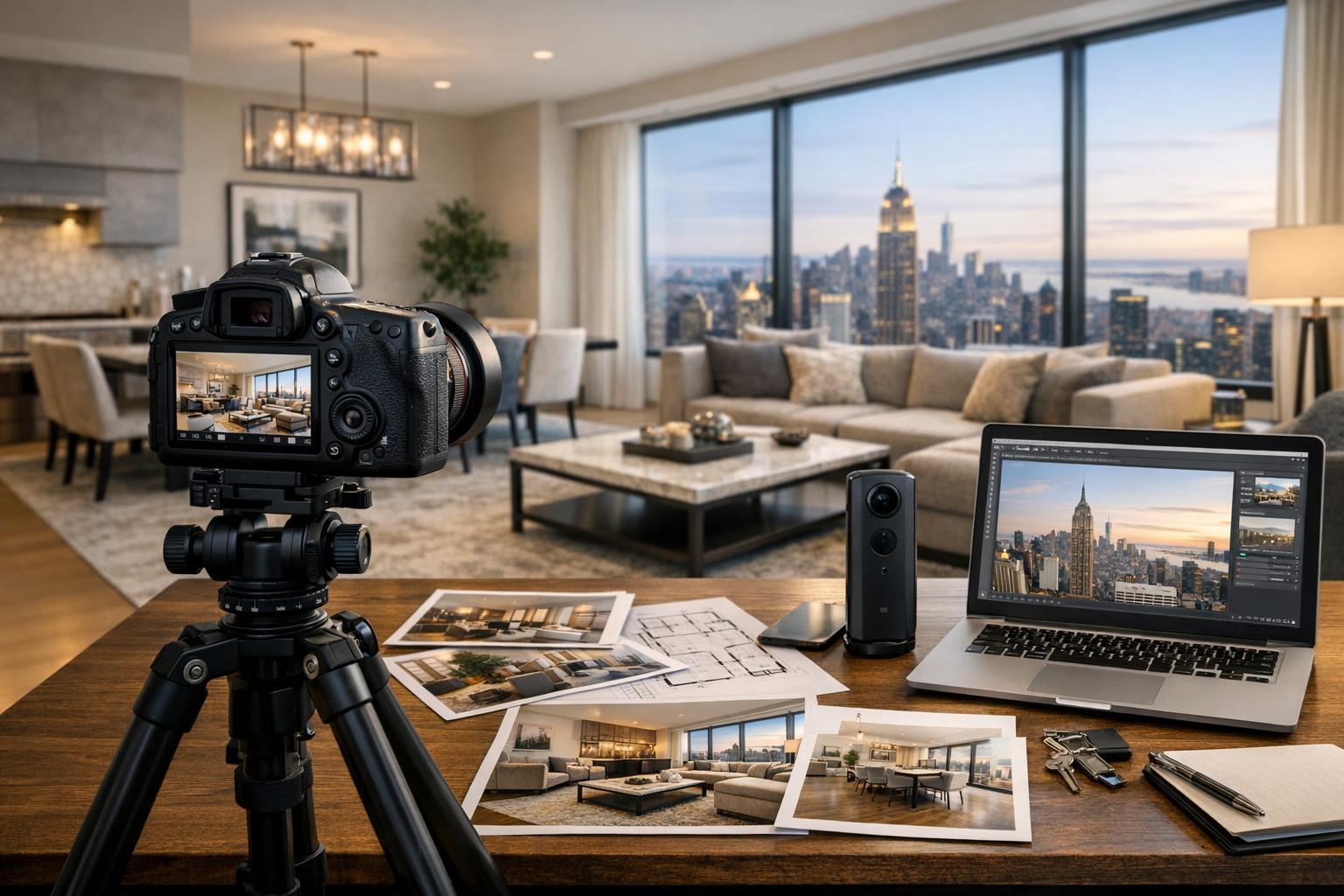
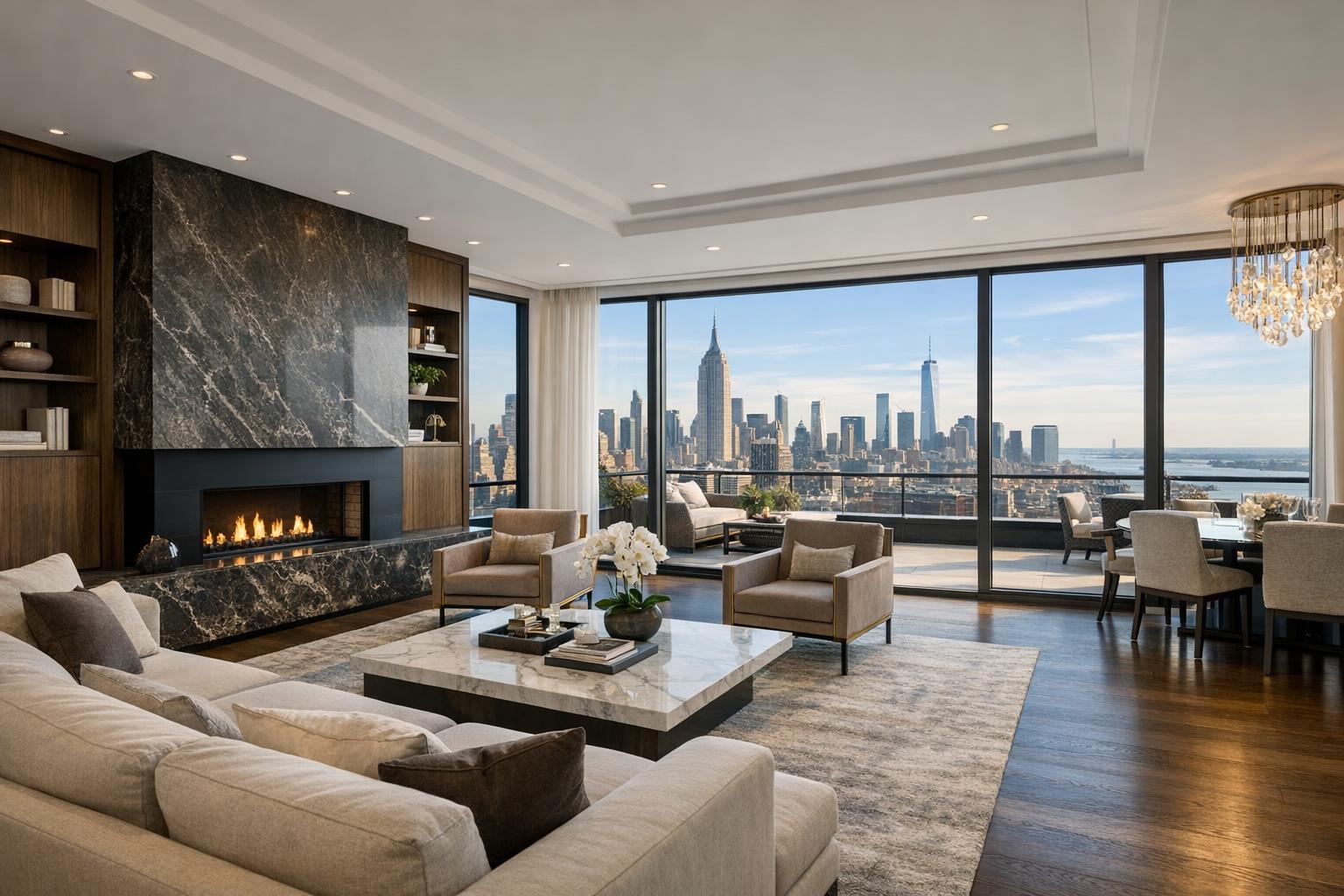
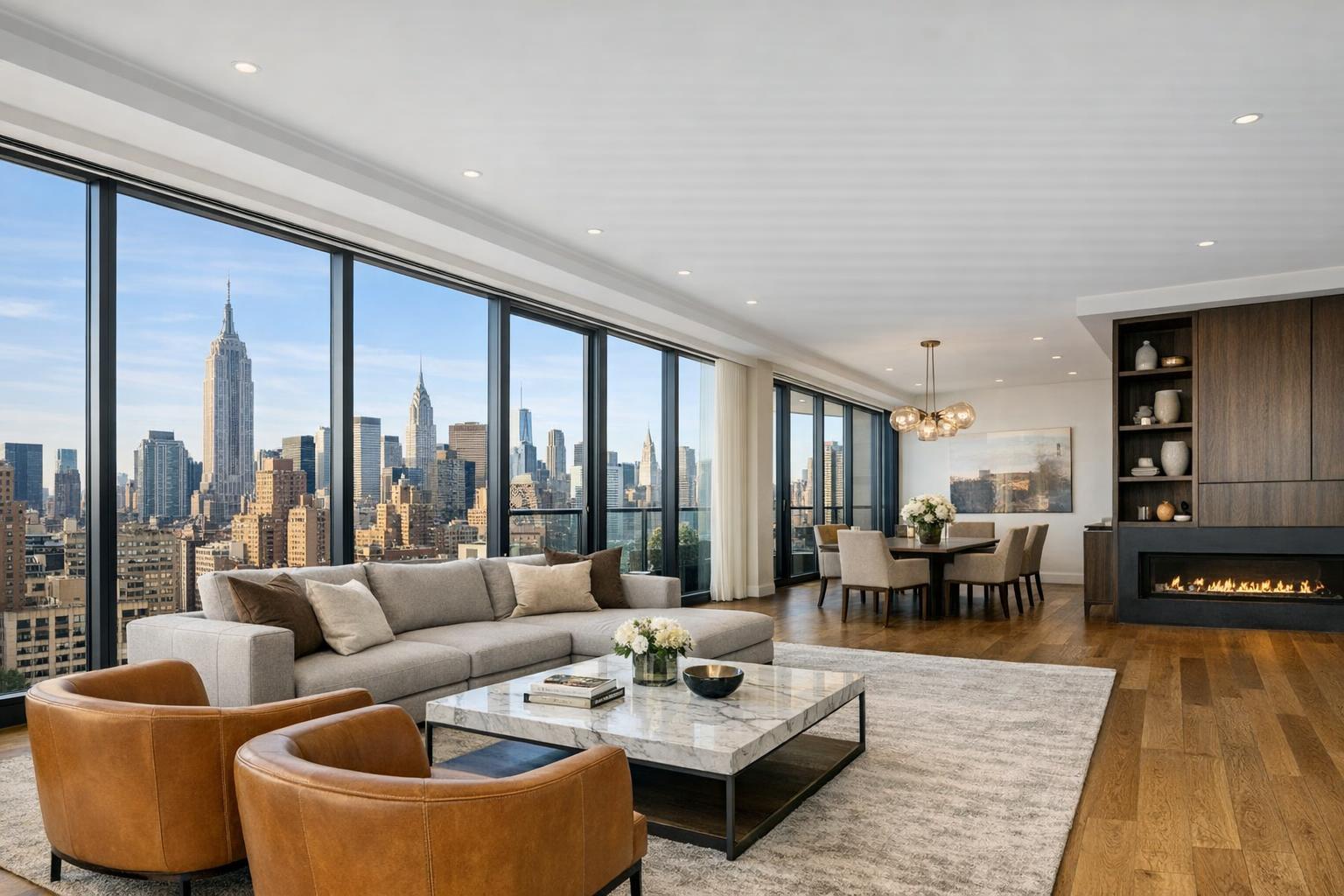
An elegant New York City apartment with sweeping skyline views, captured by an architectural photographer, features a modern living room with large windows, stylish furniture, and a cozy fireplace.

How to Choose an Architectural Photographer in NYC for Property Marketing
Finding an architectural photographer in NYC can be a turning point for brokers, developers, architects, and property managers aiming to present real estate at its best. In New York City, every property tells a story—whether it’s a pre-war co-op, a minimalist glass condo, a restored Brooklyn brownstone, or a bustling retail flagship. The challenge isn’t only about documenting rooms; it’s about capturing design intent, flow, proportion, and the way spaces interact. A professional photographer who understands these nuances transforms ordinary visuals into tools that actually support your marketing goals.
Define the Purpose Before You Book
The first step isn’t deciding how many images you need. Instead, clarify what you want your images to accomplish and where you plan to use them. A short set of polished photos might be perfect for a furnished condo listing, while an extensive visual narrative may serve a new development’s website, leasing brochures, or press kit. Ask yourself:
- Who is the priority audience? Buyers, tenants, investors, guests, or design professionals?
- Will these photos live solely on listings, or extend into print, social media, PR, and websites?
- Does the property need to evoke a lifestyle, a brand, or simply explain layout and features?
- Are exterior amenities, street context, or specific features like terraces and retail frontage important?
- Is it more critical for viewers to grasp the overall layout or appreciate the richness of finishes?
Clear answers will narrow your photographer choices and help prevent those disappointing situations where “great” photos don’t actually move the needle for your project.
Architectural Photography vs. Standard Listing Photos
Not all property photography is created equal. For typical residential listings, the priority is speed and basic clarity—highlighting the main rooms, showing a property’s core features, and adapting to the fast pace of NYC’s market. The result is usually a handful of wide-angle images that check the required boxes, perfect for platforms like StreetEasy and Zillow.
Architectural photography for NYC properties takes a more considered approach. It goes beyond just documenting; it’s about interpreting. The focus shifts to:
- Straight verticals: Walls, windows, and frames appear stable, not leaning or distorted.
- Realistic perspective: Wide angles are used carefully—rooms appear approachable, not enormous.
- Window exposure: Balances city views with the interior, revealing both, rather than sacrificing one to highlight the other.
- Story and flow: Images connect spaces, suggesting movement from one room to the next, or showing how different uses coexist in commercial spaces.
- Detail shots: Materials and finishes—stone, wood, custom millwork, lighting—get the close-ups they deserve.
- Light: Natural light, fixtures, and even the glow from the city play different roles, changing how a space feels at different times of day.
While not every project merits a magazine-quality shoot, more thoughtful photography always supports property value, branding, and lasting marketing returns.
Review Portfolios for Relevant Experience
A strong portfolio shows more than a handful of beautiful hero shots. Focus on evidence that the photographer can handle situations similar to yours:
- Manhattan condos and co-ops: Precision matters. Does the photographer show how apartments connect without distortion? Are skyline or park views integrated naturally with interiors? Are pre-war details—moldings, fireplaces, original floors—given proper attention?
- Brooklyn brownstones and townhomes: Is there a sense of sequence from entry to parlor to kitchen to garden? Are transitions, stairs, and floor levels handled gracefully?
- New developments: Look for a consistent visual style across lobby, amenities, exteriors, and model units. If the portfolio jumps from light to dark or wide to cramped without purpose, it may not fit your needs.
- Offices, retail, and hospitality: Are operational spaces shown with people present, or do photos look more like vacant apartments? Can the photographer communicate circulation, branding, and the unique activity of commercial environments?
Not every photographer excels across all property types. Ask to see whole galleries, not just greatest hits.
Understanding the Photographer’s Process
Great photography starts well before the first shot is taken. A brief pre-shoot call or meeting can clarify priorities. Share details like:
- Property address, unit number, and who to contact for access
- Whether the property is vacant, staged, occupied, under construction, or active
- Which rooms or areas must be included and which, if any, should be kept private
- Any features that need special timing—like sunlit terraces, evening retail, or off-hours lobbies
- Building requirements for access, insurance, elevators, or registration
- Intended uses for the images, which may affect format and layout
A photographer with a real process will ask smart questions about the assignment, and will tailor the plan rather than relying on a rigid checklist.
Make the Site Ready for the Camera
What looks casual in person often pops out in photos. Things like loose cords, personal items, bins, and crowded surfaces pull focus and distract online viewers. For a standard listing, clearing clutter and cleaning is usually enough. More involved architectural shoots benefit from a deeper sweep:
- Remove temporary signage, boxes, maintenance gear, and visible wires
- Keep kitchens and baths tidy, but with just enough “life” for warmth
- Straighten furniture, pillows, rugs, and window treatments
- Replace burnt-out bulbs and clean all reflective surfaces
- Decide what must remain off-camera before the shoot
- Notify staff or residents about the timing to minimize surprises
Having someone on hand to make quick decisions during the shoot (especially for occupied or actively used properties) keeps things running smoothly.
Consider Timing and Logistics
New York shoots rarely happen in a vacuum. Elevator reservations, doormen, keys, resident schedules, lobby traffic, construction, and security all shape the production window. Light changes everything—from a bright southern exposure in the morning to dramatic city views at dusk. In commercial or hospitality settings, it might mean photographing before or after hours to avoid peak traffic.
If you are considering drone photos in NYC, talk with your provider in advance. Feasibility depends on local regulations, safety, airspace, weather, building access, and the discretion of a licensed pilot. In dense areas, rooftop access can be a big help but isn’t always possible.
Editing: Keeping It Real and Consistent
Editing isn’t just the last step—it impacts how your spaces appear across marketing channels. Review full galleries to look for consistency in wall color, window handling, brightness, and proportions. Over-edited images can create unrealistic expectations, while careless editing distracts from the property’s real strengths.
Clarify what level of retouching (object removal, sky swaps, virtual twilight, or virtual staging) is included and what would require extra approval. For virtual staging, start with empty rooms—trying to stage cluttered or furnished spaces never yields convincing results.
Does Your Project Need More Than Photography?
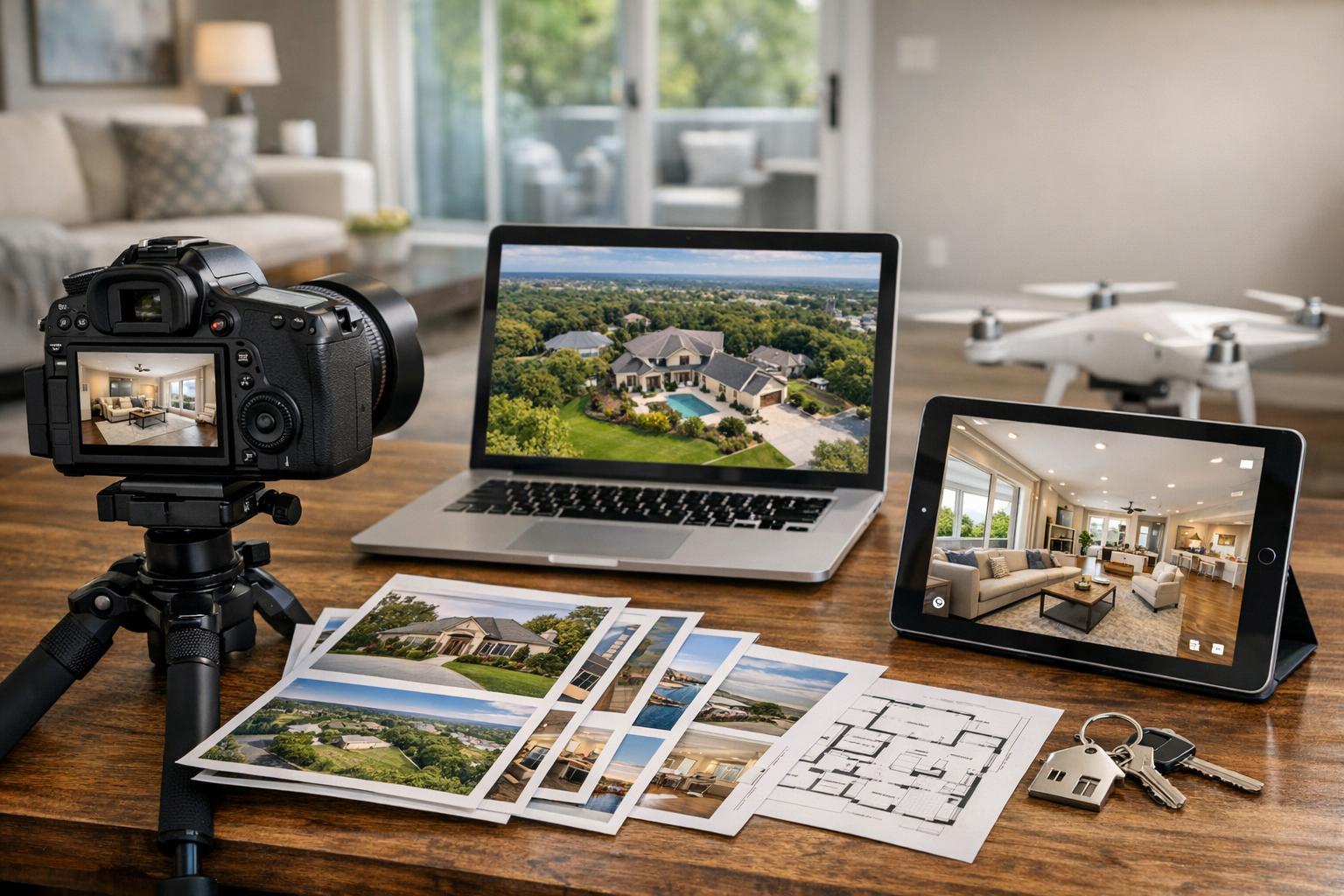
Sometimes, still images aren’t enough. If your audience needs to understand layout or flow, a floor plan or 3D tour can help. Both should be captured on site—not assembled from old PDFs or realtor photos—to ensure accuracy and clarity. Video can show movement and a sense of journey, especially for larger homes, multifamily buildings, or commercial assets. Any supporting media should be planned as part of the shoot, not retrofitted later.
What to Ask Before You Hire
Direct conversations make all the difference. Some smart questions to cover:
- Can you share complete galleries from similar projects?
- How would you approach this property’s standout features?
- What do you need to know before shoot day?
- How much time should be set aside for the shoot?
- What’s your approach to windows, mixed lighting, and small or challenging spaces?
- Any specific preparation tips for properties that are lived-in or in use?
- Can we prioritize key shots together?
- What’s included in editing, and what isn’t?
- Are floor plans, 3D tours, or aerial photos right for this project?
- What should we clarify for access, scheduling, and logistics?
Photographers who offer clear, specific answers are much more likely to deliver results that fit your goals.
Fit Over Availability
With so many choices, it’s tempting to go with whoever is available first. But a true fit is about matching a photographer’s work, process, and communication style to your property and marketing strategy. In NYC’s diverse environment, thoughtful coordination before, during, and after the shoot is as valuable as camera skills.
If you’re looking for professional, clear, and reliable real estate media—including photography, video, 3D tours, floor plans, drone, and virtual staging—RealtaSnap makes booking easy and transparent. You can learn more about our process or book directly at www.RealtaSnap.com.
FAQ
Question: How is architectural photography different from standard real estate photography?
Answer: Architectural photography places greater emphasis on lines, composition, materials, light, and how spaces relate, while standard listing photos are designed for fast coverage of key rooms and features. The right approach depends on your audience and marketing goals.
Question: What’s the best way to prepare an occupied property for professional photography in NYC?
Answer: Start by decluttering and cleaning key areas, removing personal and temporary items, and checking that all light fixtures and reflective surfaces are spotless. It helps to have someone present to handle quick adjustments as needed, particularly in active homes or workspaces.
Question: Are floor plans and virtual tours helpful even if I already have photographs?
Answer: Yes—floor plans help viewers understand layout and room relationships, which can be critical for buyers or tenants. 3D virtual tours let remote viewers interact with the space and see details at their own pace. Both require on-site capture for accuracy.
Ready to plan your next property shoot or learn more about commercial real estate photography in NYC? Get started easily at www.RealtaSnap.com.