How to Choose a Real Estate Videographer for Your Next Listing
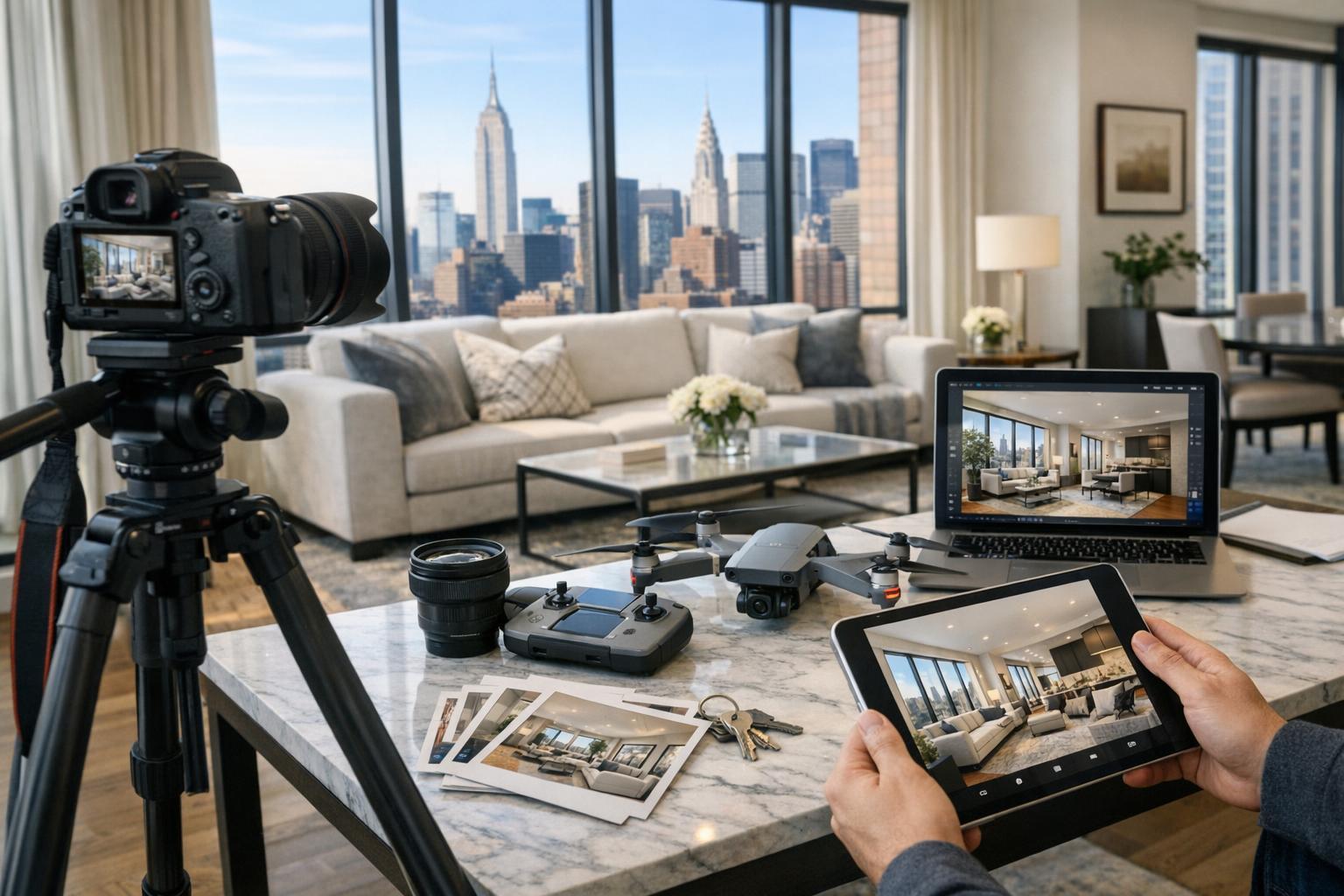
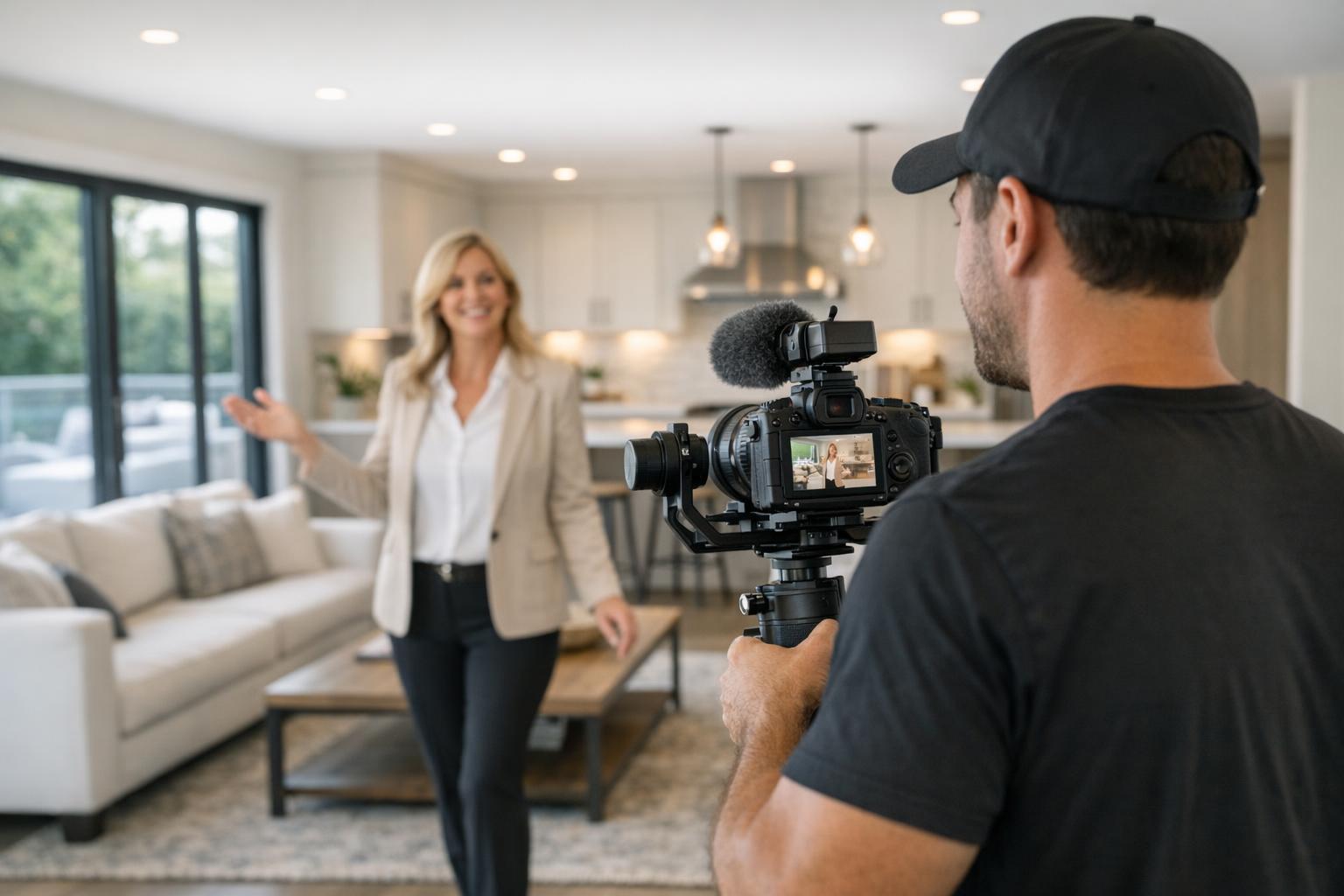
A real estate videographer films a woman presenting a modern living space, capturing her on a camera mounted with a microphone.

How to Choose a Real Estate Videographer for Your Next Listing
A real estate videographer can do more than just film rooms—they help bring a listing to life by giving viewers a true sense of how spaces connect and flow. If you’re an agent or property marketer in New York City or New Jersey, you’ve probably noticed that not every real estate video tour delivers the same impact. Some videos feel like afterthoughts, while others turn a listing into a guided, property-specific experience that helps buyers or renters imagine themselves moving through the space.
If you’re looking to hire a videographer for your next listing, here are the essentials—practical advice, local context, and what actually matters—so you can confidently compare options and choose the right fit.
Think About the Property’s Story First
Not all listings need the same type of video, and style alone shouldn’t drive your decision. The most effective listing videos are built around what makes a property unique, not just a set of standard, rapid-fire walkthrough shots. Start by asking yourself: What should buyers or renters truly understand before they walk in the door?
Video is especially helpful in listings with:
- Connected living, dining, and outdoor spaces
- Dramatic architecture or long sightlines
- Features that come alive as you move, like open staircases or skylights
- Changing views, e.g., Manhattan skyline or a lush backyard
- Indoor-outdoor flow, such as a terrace off a bedroom or kitchen
- Amenities or building entrances that are part of the home’s appeal
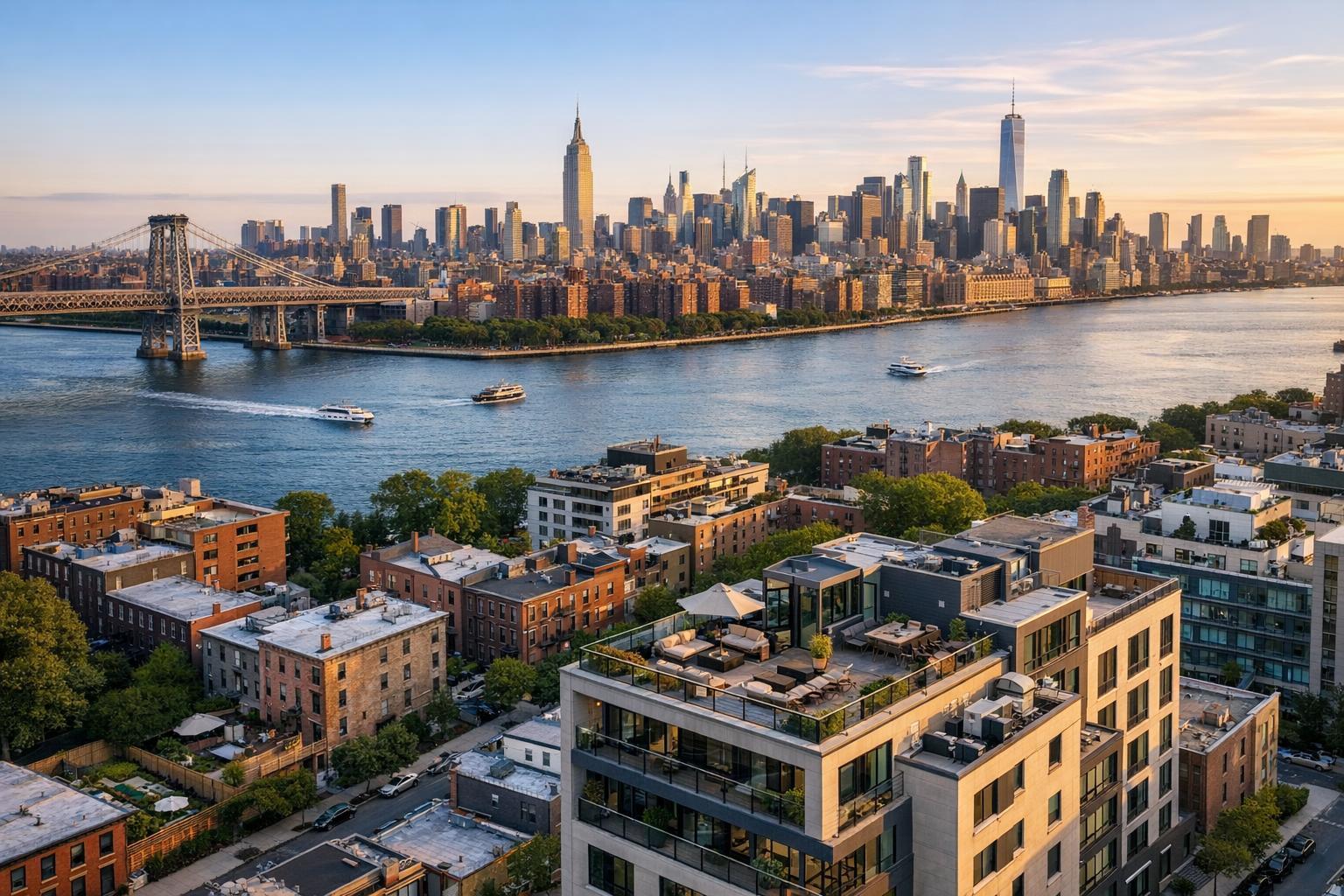
For a compact Manhattan apartment, a video can clarify how the living, kitchen, and sleeping areas relate. In a Brooklyn brownstone, showing movement between parlor floors and garden levels can reveal a sense of vertical flow you’d never get from still photos. Jersey City condos often shine when you see the transition from living area to waterfront view. Larger New Jersey homes benefit from videos that connect the kitchen, family room, patios, and yard into a cohesive story.
The bottom line: the best listing video production revolves around the property, not a fixed shot list.
Insist on On-Site Capture—Not Slideshow Videos
This can’t be stressed enough—a real estate video tour should be filmed at your listing, not built from a slideshow of still photos or canned templates. Only an on-site shoot ensures the footage is planned with intention and reflects how people actually experience the space.
As you compare providers, it’s helpful to ask:
- Will the video be specifically shot at the property?
- Do you record footage only for this listing?
- How do you plan the path through the home?
- Can you highlight amenities like a roof deck, view, or unique entry?
- Is raw footage available if needed? Can you provide alternate edits for different uses?
RealtaSnap’s approach is to film all listing video on location, capturing how the light, finishes, and layout come together in reality. Slideshows made from photos or stock video edits simply don’t provide that level of authenticity.
Good Camera Movement Makes a Difference
The visuals in a listing video should make the home easy to follow and emphasize its selling points—without awkward spins or distracting effects. Even subtle differences in how the camera moves can set a polished listing video apart from a generic walkthrough.
Here’s what to look for:
- Smooth, steady transitions into and through rooms
- Measured passes down hallways or up stairs
- Shots that reveal features in context, not just static angles
- Intentional focus on architectural details as you move
What to avoid:
- Fast or shaky movement that feels rushed
- Constant spinning, panning, or zooming
- Linger shots with no clear reason
- Confusing routes that make the layout look complicated
- Over-the-top editing or repetitive templates
If you’re previewing a provider’s work, ask for full videos—not just flashy highlight reels. A composed, property-specific edit will showcase whether the videographer understands how to translate space into an enjoyable, informative video.
Editing, Pacing, and Storytelling Style
Listing videos don’t need voiceovers or dramatic scripts, but they should feel thoughtfully assembled. From the first shot, the sequence should give viewers a sense of movement, highlight key areas, and end with a memorable detail—without feeling disjointed or overwhelming.
As you watch samples, notice:
- Do you get a calm, continuous impression of the space?
- Are rooms shown long enough to understand the layout?
- Is the music supporting the video or fighting for attention?
- Does the edit follow a unique property flow, or does it feel formulaic?
- Are the colors and window exposures handled smoothly?
A high-energy edit works for fast-paced downtown clips, while slower, more contemplative pacing can elevate a historic townhouse or suburban home with impressive scale. Either way, the editing should be a match for the property, not just a trend.
Why Lighting Prep Matters in Video
Unlike photography, listing video relies heavily on how light moves through each space from shot to shot. Videographers have to manage changing sunlight, tricky window exposures, reflections, and shaded areas as they record.
When vetting providers, ask how they handle mixed lighting or strong window views. You don’t have to understand all the technical jargon, but a good answer shows awareness of the challenge. Simple preparation steps—turning on all light fixtures, replacing burned-out bulbs, opening shades, and minimizing glare—can go a long way toward a bright, inviting result.
In NYC, you’ll often deal with directional light or close neighboring buildings. In New Jersey, larger homes with bigger windows and open layouts bring a different set of lighting questions. Clear communication helps everyone show the property in its best—real—light.
Preparing a Home for Video: Beyond Photo-Ready
A space that photographs well doesn’t always translate to video without a little extra effort. Video moves through areas and can pick up stray cords, pet bowls, open closets, or visual clutter from multiple angles.
A quick video-friendly preparation checklist:
- Clear routes and hallways for filming
- Declutter countertops, coffee tables, and bathroom surfaces
- Hide trash bins, laundry, or pet items
- Straighten bedding, pillows, and window shades
- Turn off TVs and computer monitors
- Move cars from driveways for outside shots
- Make arrangements for pets and minimize disturbances
Occupied homes don’t have to be sterile, just organized enough for a clean, uninterrupted walkthrough. For vacant spaces, consider whether virtual staging for empty rooms could help—but be transparent about the home’s actual layout and condition.
Planning for How and Where Your Video Will Be Used
Today’s listings often need marketing collateral tailored for different platforms. Full-length videos work well on listing pages or brokerage sites, while concise highlight clips are perfect for social media and email campaigns.
Before booking, be clear about:
- Where you expect to share the video (listing sites, social, ads, open house promos, etc.)
- Whether you’ll need shorter edits or alternate versions for Instagram or email
- The turnaround timeline for media delivery, so you can coordinate with your launch plan
Chat about these needs with your provider before the shoot. RealtaSnap clients, for example, can request social cutdowns as add-ons and get a clear idea upfront about what’s included in standard versus extra deliverables. For a more in-depth look at RealtaSnap’s approach to video for New York and New Jersey listings, visit real estate videography in NYC.
Video, Photography, and Floor Plans: Each Plays a Role
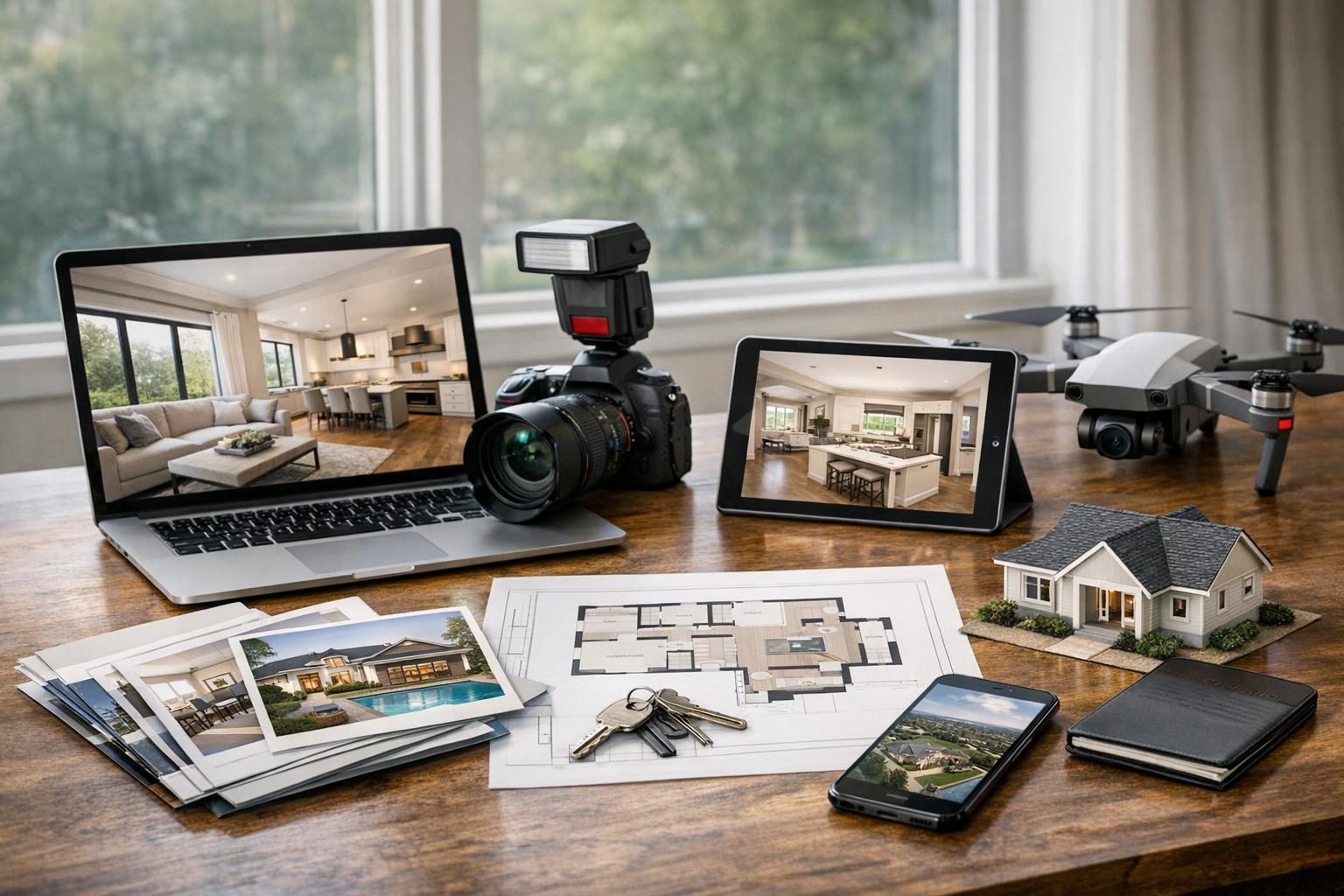
No single media format can convey everything to a buyer or renter. Photos help people study finishes and focal points; floor plans clarify the relationships between rooms; video brings connection and flow to life.
Best practice is to use all three—plus aerial footage if feasible—to offer a complete, accurate sense of the property:
- Photography: Sharp, engaging room-by-room highlights
- Video: Immersive, guided walkthroughs showing layout and movement
- Floor plans: Reference for scale and room connections
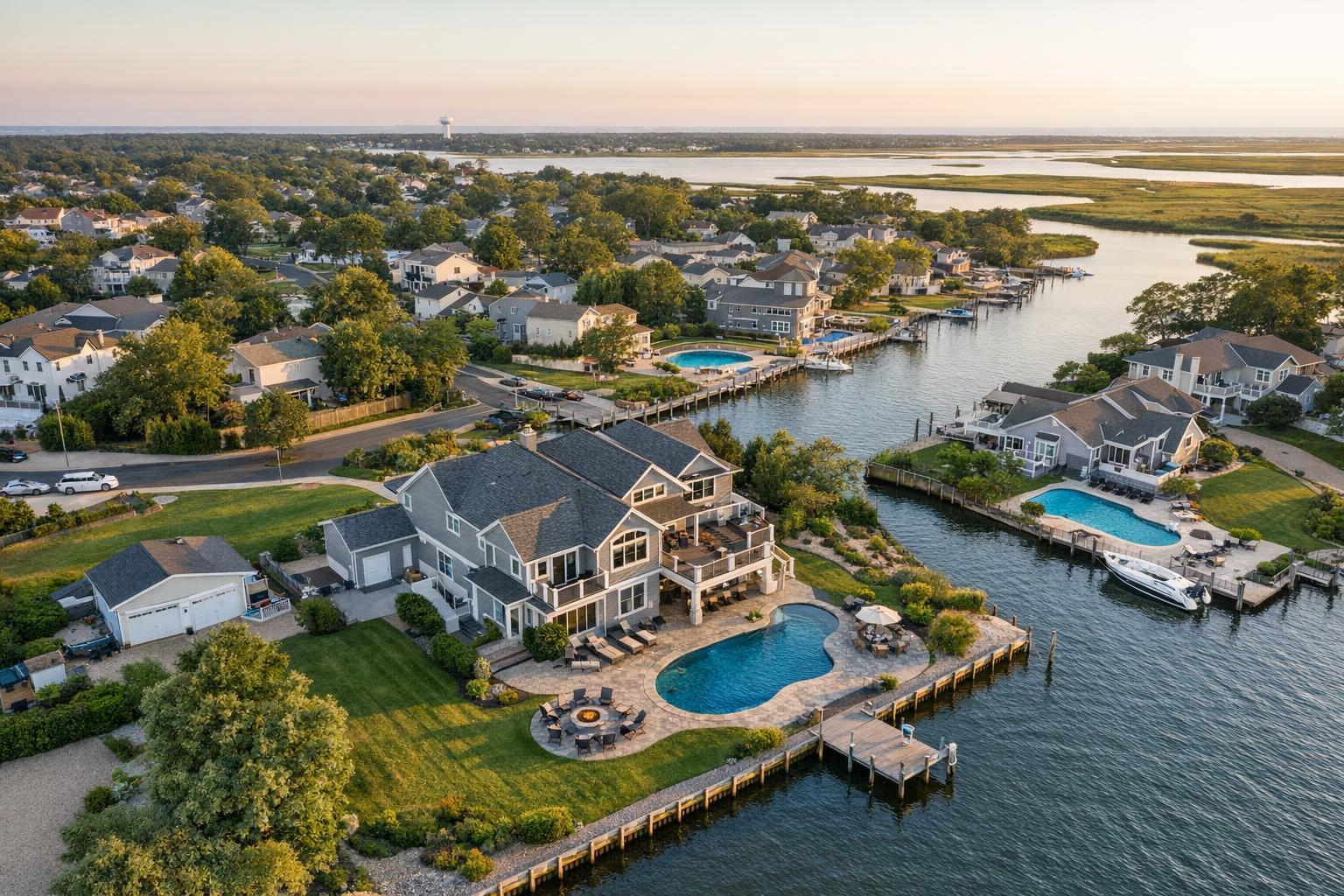
- Aerial media: Context for location, lot, view, or unique settings (where permitted by weather and regulations)
For details on preparing a home for video and photo shoots, RealtaSnap offers a clear prep guide.
Communication Counts—Before Filming Even Begins
Fast, clear, and accurate communication makes the whole process easier. A professional provider should explain what’s included, set realistic expectations, and make booking and prep straightforward—from the first inquiry to delivery.
Help your videographer plan effectively by sharing:
- The address and unit number
- Access instructions, parking, and elevator needs
- Whether the space is occupied or vacant
- Special features or areas to highlight
- Any limits on filming shared spaces
- Expected launch dates or marketing timelines
RealtaSnap’s team works throughout all five NYC boroughs and New Jersey, making it easy for agents to integrate video into their marketing calendar.
The Right Questions Lead to Better Listing Videos
Choosing a real estate videographer isn’t just about who has the flashiest reel. It’s about finding someone who takes time to understand your property, records professional on-site footage, and delivers edits tailored to your marketing plan. Ask potential videographers about their process, view complete video examples, and see if they’re equipped to provide different cuts or formats for multiple uses.
Every home—from a sleek Manhattan condo to a storybook Jersey home—deserves a video that’s thoughtfully planned and honest about its unique qualities. The best videos don’t just impress; they clarify, connect, and make your listing easier for buyers or renters to imagine themselves in.
Ready to see what property-specific video can do for your next listing? Learn more at www.RealtaSnap.com.
FAQ
Question: What should I look for in a sample real estate listing video?
Answer: Look for a clear, steady walkthrough that helps you understand flow between rooms, uses natural lighting, and avoids constant spinning or heavy effects. A full-length example gives a better sense of how the videographer tells the story of a space.
Question: Should I order video, photos, and a floor plan for every listing?
Answer: Not every listing needs every type of media, but combining photography, video, and a floor plan usually creates a much more complete and effective presentation than relying on just one. Each format highlights different qualities of the property.
Question: Can a listing video be made from my listing photos?
Answer: No—an effective listing video is captured on site, not created from still photos. RealtaSnap’s video tours are shot at the property to show the actual layout and flow, not built from slideshows or stock footage.