What Real Estate Media Does a Listing Need? A Practical Guide for Agents
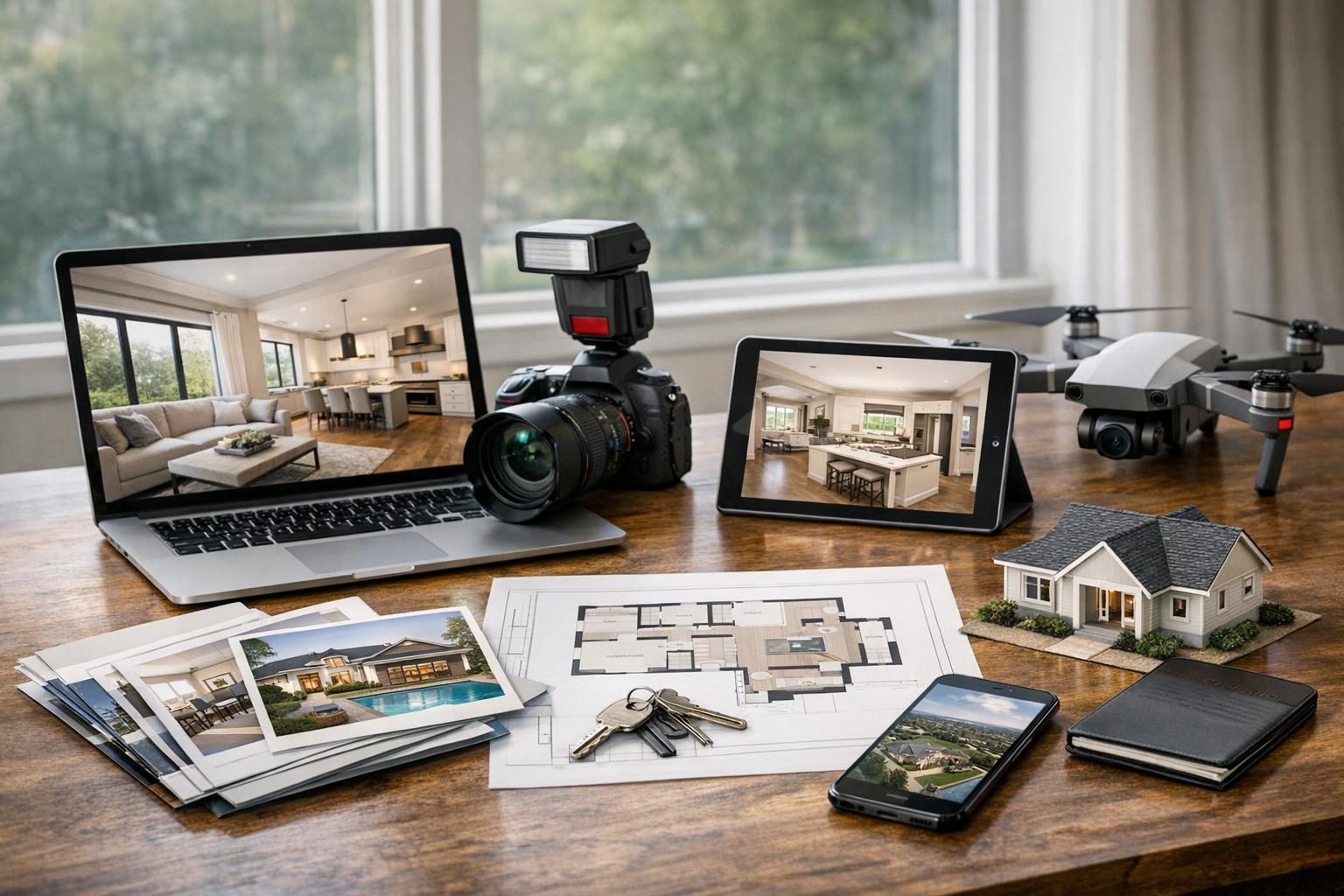
A workspace dedicated to real estate media is displayed with a laptop and tablet showing interior photos, a camera, a drone, floor plans, a house model, photographs, keys, and a phone on a wooden table.

What Real Estate Media Does a Listing Need? A Practical Guide for Agents
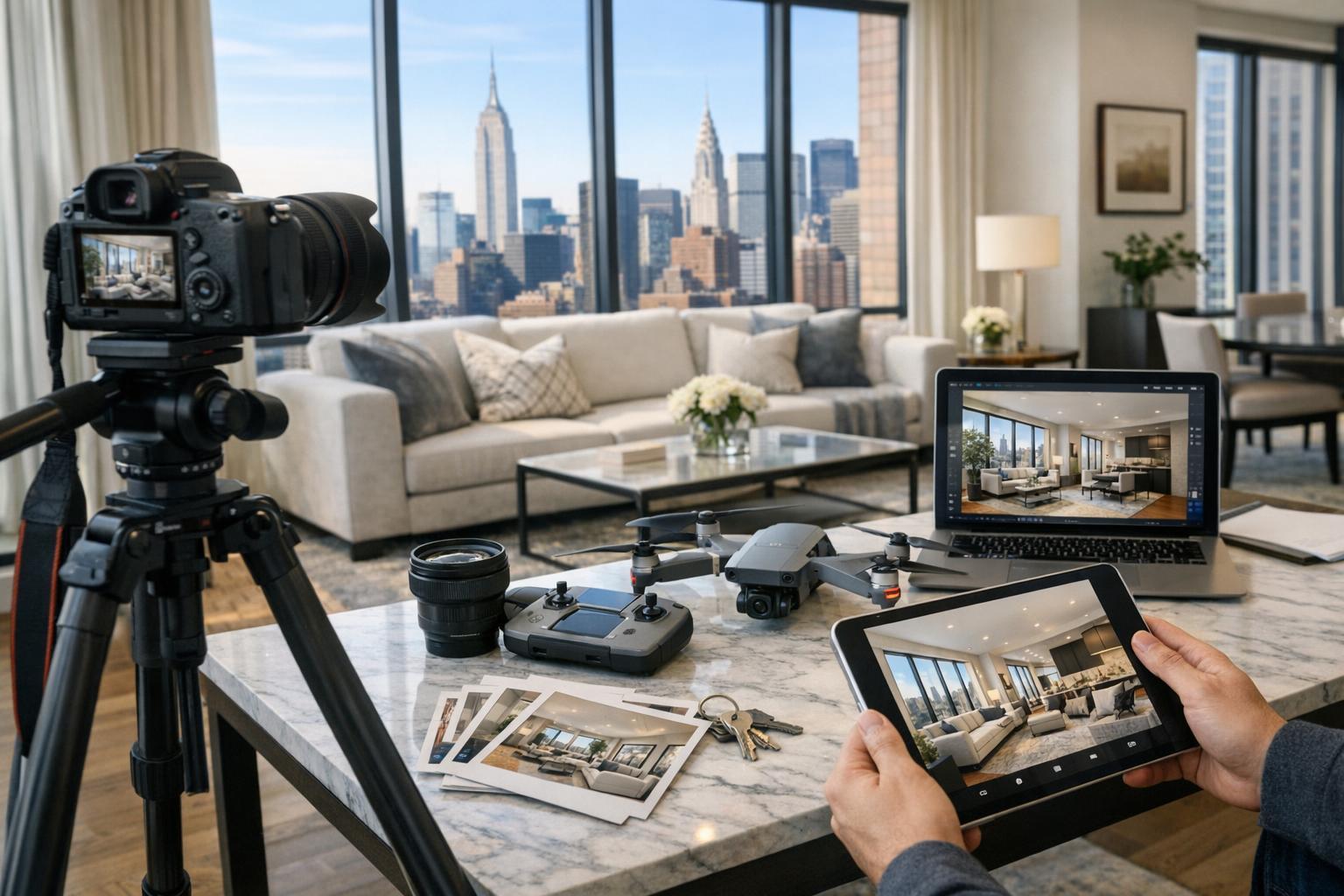
Real estate media is often the first way a prospective buyer or renter experiences a property, especially in bustling markets like New York City and New Jersey. But deciding which media services to invest in—photography, video, floor plans, 3D tours, drone images, and virtual staging—requires more than just ticking boxes. The best results come from matching the media to the property’s unique features and the needs of the audience, not simply ordering every asset available.
Building a Strategy: Focus on What the Property Needs to Show
Every property tells a different story. A compact Manhattan studio, a Brooklyn brownstone, and a sprawling suburban home in New Jersey each raise their own communication challenges. Start by seeing the space through the eyes of a buyer who has never set foot inside. What is confusing, hard to picture, or simply special enough to require a closer look?
Ask yourself:
- Does the property have distinct visual features that deserve professional images?
- Is it tough to understand the floor plan or the way rooms connect from photos alone?
- Would movement, flow, or ambiance be better expressed in video?
- Is the likely audience local, or will many buyers preview the home remotely?
- Does the property’s lot, roof, exterior, or unique context add value from above?
- Are any rooms vacant or hard to visualize without furniture?
Your answers will help define a plan that clarifies, rather than complicates, the listing. For some apartments, high-quality photography is enough; others may call for layered visual tools to communicate a complex space or hard-to-access features.
Professional Photography: The Foundation of Effective Property Marketing
Clean, accurate listing photography is the baseline for every residential or commercial sale. Great property photos don’t just show rooms—they help viewers appreciate finishes, natural light, views, and the overall atmosphere. Good photographers use careful composition, exposure, and sequencing to make navigation easy, especially in tight or unique spaces.
Consider emphasizing photography when:
- The property features outstanding light, views, or architectural design
- Furnishings illustrate scale and possible uses
- Details like renovated kitchens, custom tile, millwork, or outdoor amenities need to shine
- Challenging layouts—such as small condos or multistory brownstones—require smart angles to tell the spatial story without distortion
In a Manhattan studio, the entire home might fit in a few frames, but careful shooting helps buyers understand scale and layout. Larger homes benefit from series of images connecting levels, gardens, and special features.
When to Layer On: Video, Floor Plans, and 3D Tours
Photography gives a static first impression, but some properties—or audiences—demand more context.
Video: Telling the Story of Movement
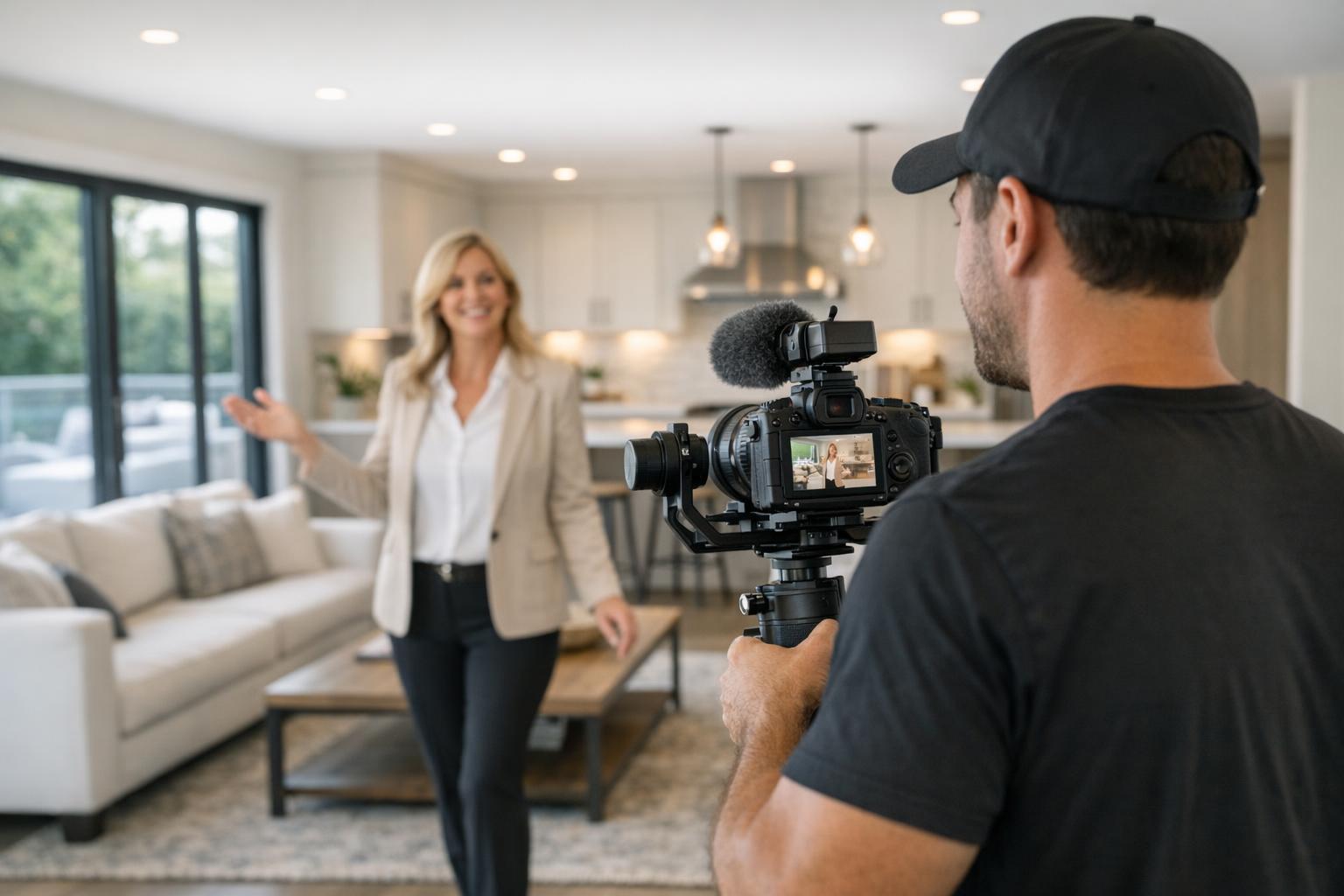
Video is the answer when flow and experience matter. A professionally filmed walkthrough can show transitions—a grand entrance, the open sweep of rooms, a connection to a private terrace, or the buzz of indoor-outdoor living. This is often valuable in:
- Homes with multiple levels or open-concept design
- Renovations or new builds where visual continuity is part of the appeal
- Listings likely to attract buyers virtually before in-person tours
A brief, well-crafted video typically communicates better than attempting to show every corner. Most providers, including RealtaSnap, capture listing video on-site; these are not slideshows of existing photos, but carefully planned assets that complement your stills.
Floor Plans: Helping Buyers Make Sense of the Space
Photographs show what each room looks like, but a floor plan reveals how the puzzle fits together. They’re particularly helpful for:
- Apartments with nonstandard or efficient layouts
- Pre-war spaces with quirky rooms and angular corridors
- Townhouses and brownstones with multiple floors or split levels
- Larger homes with additions, basements, or work-from-home spaces
- Properties where understanding room separation or access is part of the value
Floor plans require physical access and on-site scanning—they aren’t created from PDFs or speculative combinations. For Manhattan and Brooklyn agents, this step is often a vital add-on, especially in dense neighborhoods where every square foot counts.
3D Virtual Tours: Empowering the Remote Buyer
3D tours, like Matterport or Zillow 3D Home tours, let buyers explore a listing at their own pace online. This can be essential for listings attracting out-of-town buyers, fully furnished rentals, or homes with challenging layouts. While not every listing requires an interactive tour, they’re most effective for properties that reward closer inspection—or when showings may be inconvenient.
As with floor plans, creating a 3D tour depends on an in-person scan of the property. This can't be accomplished with only photographs or floor plans; the space must be accessible and captured on-site.
Drone Imagery: Context Changes Everything
Sometimes, what makes a property special is outside its walls. Drone photography or video answers questions about:
- The scale, siting, or landscaping of a suburban New Jersey home
- Waterfront context, outbuildings, or pools
- Rooftop decks, gardens, or proximity to iconic city features
Drone coverage is handled on a case-by-case basis, considering FAA rules, pilot judgment, airspace, weather, and site access. It’s rarely necessary for most Manhattan apartments unless exterior context matters—like a private terrace or particular urban vantage point. For homes in suburban or shore areas, though, an aerial overview can paint the whole picture in a single image.
Virtual Staging: Furnishing the Imagination
Vacant homes present a challenge: clean lines, but often less clarity about scale or use. AI-driven virtual staging is a budget-friendly way to help buyers see how an empty living room, bedroom, or office might function. It’s most helpful when spaces are completely empty; virtual staging overlays cannot simply “hide” existing furniture or clutter. If a room still has items, clutter removal (digital or physical) comes first.
Staging should always clarify, not mislead. The focus is on making it easy to visualize real possibilities, not on obscuring the true condition or structure.
Local Examples: Matching Media Plans to NYC and NJ Properties
There’s no singular “media package” that fits every address. Here are a few examples to illustrate how smart choices can meet the needs of different listings:
- Compact Manhattan Apartment: Lean on professional photography, and add a floor plan if the layout includes alcoves or flexible spaces. For a particularly unique or high-value space, a 3D tour could be worthwhile. Drone is seldom relevant unless the apartment features notable exterior areas.
- Brooklyn Brownstone: Mix photos and a floor plan to clarify levels, staircases, and gardens. Video works well for communicating distinct details, ceiling heights, or the original flow of rooms. Drone may help for establishing context, provided conditions are favorable.
- Larger New Jersey Home: Start with comprehensive photography. A floor plan clears up multi-level confusion, video brings the experience together, and drone imagery may best show off lots, pools, outbuildings, or waterfront. Virtual staging can make any vacant spaces pop.
Preparing and Booking: Setting Up a Smooth Shoot
A clear plan before your media appointment sets the stage for success. Use a quick checklist:
- Choose the features that most deserve visual emphasis
- Decide if the listing’s flow, layout, or remote buyer audience warrants video, a floor plan, or a 3D tour
- Consider drone feasibility early for properties where context matters
- List any vacant rooms appropriate for virtual staging
- Coordinate access, building rules, and prep needs to minimize surprises
RealtaSnap specializes in helping NYC and New Jersey agents build custom, property-specific media plans. You can explore detailed service information and even schedule a shoot online—just check out RealtaSnap’s main site.
Choosing Only What Matters
At the end of the day, the best real estate media for a listing is what clarifies, educates, and inspires the right kind of showings—while saving time and avoiding unnecessary expenses. By focusing on the property’s unique strengths and potential sticking points, you’ll make media choices that actually move the needle for buyers and renters.
Most importantly, let the property—and its likely audience—guide your selections. There’s no benefit to adding extra media simply because it’s trendy or expected when it won’t help buyers make an informed decision.
For help planning real estate media for NYC or New Jersey listings, visit www.RealtaSnap.com.
FAQ
Question: Is a floor plan always necessary for my listing?
Answer: Floor plans are especially helpful for complex, multi-level, or unusual layouts, but not every listing demands one. They add real value for compact apartments, brownstones, and homes where photos alone might leave buyers guessing.
Question: Can I add virtual staging to photos of rooms that aren’t empty?
Answer: Virtual staging is designed for completely vacant spaces. If there’s still furniture or clutter, you’ll need to handle removal or order clutter removal before staging can be applied.
Question: How do I book a property shoot with RealtaSnap?
Answer: Booking is simple and handled online. Visit www.RealtaSnap.com and choose “Schedule” to select your services, pick a date, and enter the property details. The platform will guide you through everything—services, add-ons, and payment.