How to Choose an Architectural Photographer in NYC for Your Property
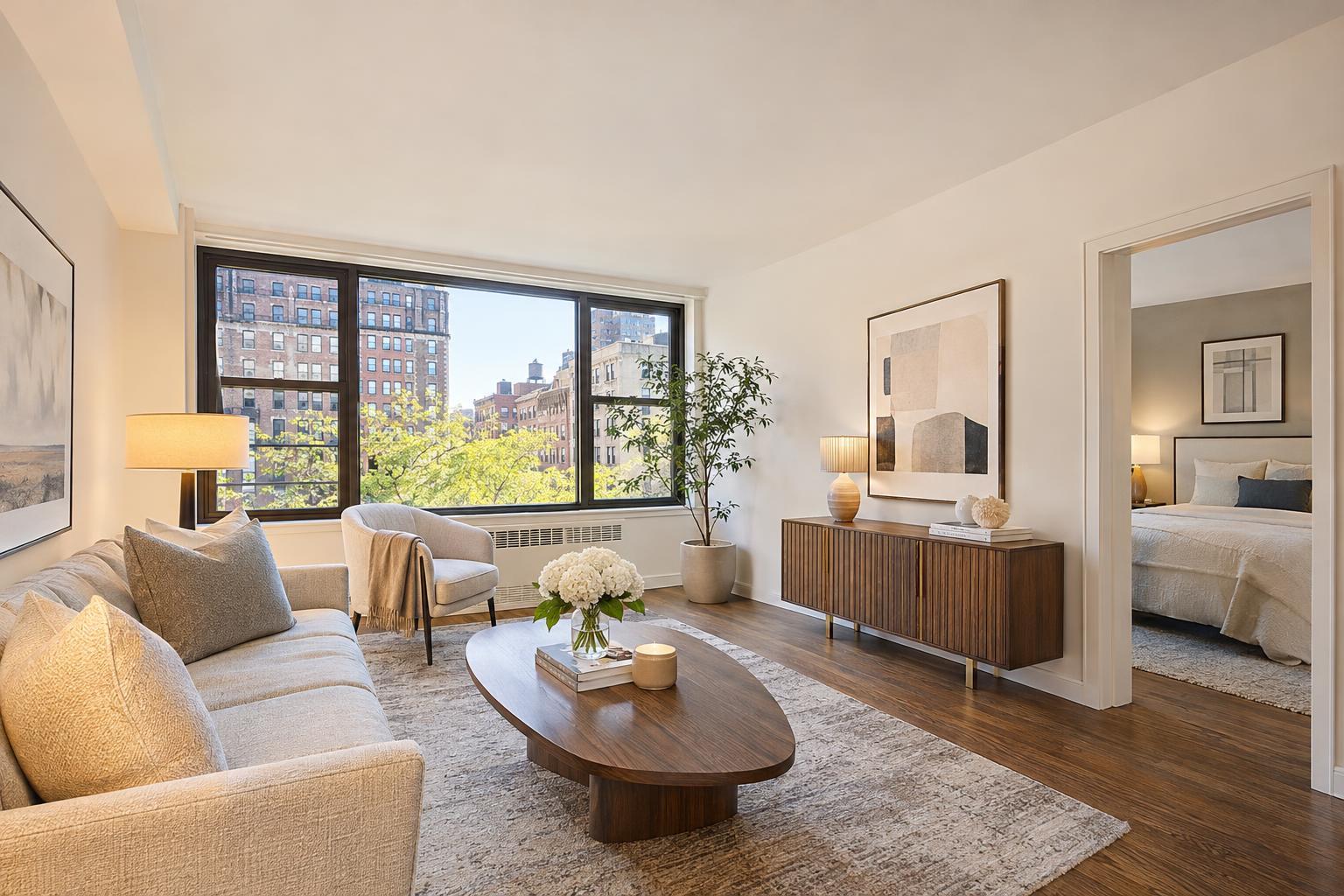
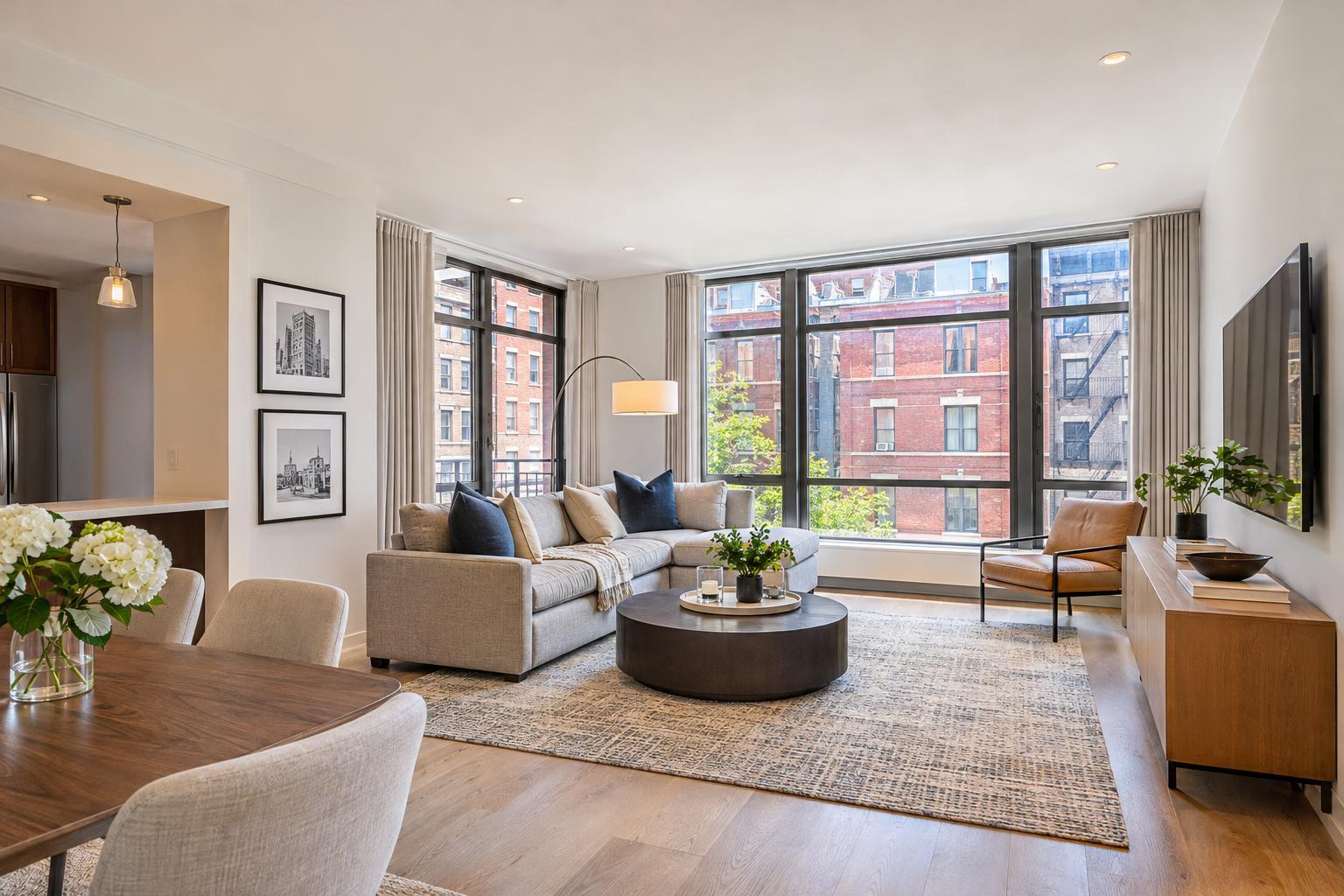
An architectural photographer in NYC captures a modern living room with large windows, elegant furniture, and a view of classic brick buildings.

How to Choose an Architectural Photographer in NYC for Your Property
Choosing an architectural photographer in NYC is a pivotal decision for property professionals. Whether you’re preparing a Manhattan condo, a Brooklyn brownstone, or a midtown office suite, the right images can reveal a property’s potential before anyone ever steps inside. But not all property photos are created equal. If you’ve found yourself searching for “architectural photographer NYC,” you probably need more than just someone who clicks a camera—you want a professional who understands design, detail, and the story a space should tell.
Why Architectural Photography Is Different
Real estate listing photography aims to show a property clearly and efficiently. Architectural photography takes things a step further. It tackles the details that make a space memorable: the geometry of staircases, the play of natural light through windows, the texture of original millwork, or the relationship between rooms. In cities like New York, where buildings range from pre-war gems to modern glass towers, these subtleties matter.
Unlike quick listing shoots that document required features, architectural photographers consider:
- The integrity of vertical and horizontal lines (no leaning walls)
- Perspective and lens choice for accurate room proportions
- How natural and artificial light interact throughout the day
- The feel and context of materials—wood, stone, glass, steel, and more
- Flow between spaces, not just isolated snapshots
Done well, this type of photography can help brokers, developers, architects, and owners present properties honestly and distinctively.
Clarify the Purpose Before Comparing Portfolios
Before you start reviewing photo galleries or reaching out for quotes, define exactly what you want your property images to achieve. This matters for everyone, from large-scale developers to solo agents and property managers.
- Are you listing a Brooklyn townhouse and want to highlight its original woodwork and parlor floor layout?
- Is a commercial client looking to convey the atmosphere and branding of a Fifth Avenue retail space?
- Does an architect need detailed shots of finishes, unique sightlines, or a recent renovation?
Understanding the end goal—whether it’s marketing, press coverage, signage, or simply a strong digital presence—will shape every other decision, from scope to deliverables.
Residential, Commercial, and New Development: What to Look For
Different types of NYC properties have different photographic needs.
- Residential Listings: Most apartment and house listings benefit from a clean sequence of exterior, entry, main living areas, kitchen, baths, bedrooms, and any unique features (think terraces, city views, custom built-ins). Straight lines, natural color, and cohesive lighting prevent rooms from looking cramped or distorted—a common pitfall in the city’s tight layouts.
- Commercial and Retail Spaces: Offices and retail locations are about flow and versatility. Good commercial real estate photography in NYC might cover reception areas, workspaces, meeting rooms, amenities, storefronts, and details that matter to multiple audiences—agents, potential tenants, managers, even investors.
- New Developments & Designer Projects: Consistency is king here, especially if the photos will anchor a website, brochure, or social campaign. It’s not just about volume but about a coherent visual language from model units to shared amenities.
Reviewing Portfolios Like a Pro
When you ask a photographer for samples, look for evidence that aligns with your property type. For example:
- Does the portfolio show apartments with narrow hallways or high ceilings without odd stretching?
- Are there examples of brownstones or townhouses with long sightlines, gardens, or tall windows?
- Do commercial interiors show both street presence and functional interior layouts?
Ask yourself:
- Are all vertical lines straight and natural?
- Do the rooms look bright but not blown out?
- Is color consistent across different spaces?
- Can you understand how the rooms connect and what each area is for?
- Are there feature images that supplement, rather than replace, essential room shots?
A polished, varied portfolio shows technical skill and a sense of place—both crucial in New York’s diverse building stock.
Ask About Approach: Composition, Lighting, and Editing
Don’t be shy about asking specific questions. Request to see a full gallery from a similar property, not just highlight reels.
- Composition: Does the photographer use wide angles judiciously? Rooms should look open, not unnaturally stretched.
- Lighting & Exposure: Can the photographer handle interior lighting mixed with bright windows—common in NYC apartments?
- Editing Style: Are the images natural, or are window views glowing and colors unnaturally saturated? Editing should reveal, not conceal, the actual feel of the space.
Planning for NYC Logistics
Photographing property in New York isn’t just a creative exercise—it’s often a logistical puzzle. Building access, insurance, elevator reservations, delivery schedules, and even time-of-day restrictions can all affect a shoot’s success. If the space is occupied, coordinate in advance: identify key features, schedule quiet times for offices, and know who will be present.
Prepare by:
- Sharing detailed access instructions ahead of time
- Noting any building policies or common area restrictions
- Ensuring spaces are clean, decluttered, and ready for the shoot (remove cords, countertop clutter, personal items, etc.)
- Letting the photographer know about special features or times when specific light/views are best
When Do You Need More Than Still Photography?
While still photos are the backbone of most property listings, some situations call for extra media.
Video
Video is especially effective for spaces where movement (think duplexes, amenity-rich buildings, or spacious offices) is key to the experience. New developments, hospitality venues, and properties with outdoor access often benefit from a short, property-anchored video tour.
Floor Plans
Floor plans clarify spatial relationships, especially for larger properties or apartments with unusual layouts. These should always be captured on-site—remote creation from old PDFs isn’t an option if you want accuracy.
3D Virtual Tours
In a city as transient and busy as New York, 3D tours allow remote viewers to explore interactively. Like floor plans, these must be captured at the property itself.
Aerial Imagery
Drone photography or video can show off exteriors, rooftop spaces, or neighborhood context—when feasible under FAA rules, pilot discretion, safety, and building roof access.
Comparing Proposals: It’s About Scope, Not Just Numbers
When you receive several quotes, compare not just the number of deliverables but also what’s actually included:
- Total number and types of images
- Which rooms, outdoor areas, and details will be shot
- Whether daytime, evening, or both are included
- Level of editing and any available retouching options
- Inclusion of video, floor plans, virtual tours, or drone shots—and how/when they’re scheduled
- Flexibility for occupied spaces or unexpected access issues
- Timeline for asset delivery
Discuss any unique requirements in advance—especially if you’re considering virtual staging, which is most effective in empty spaces.
RealtaSnap: A Thoughtful Option for NYC Properties
For those seeking professional, property-focused photography (and complementary media) in New York City, RealtaSnap offers an efficient booking process and clear expectations. Photography is available for apartments, brownstones, offices, retail properties, and new developments.
You can see available options and book online at RealtaSnap’s website. Just enter the property address, select your services and any add-ons, add notes for the photographer, and choose a time from the calendar.
This streamlined approach, combined with practical on-site experience, helps both clients and photographers stay organized and make the most of each session.
Ultimately: Find Someone Who Captures the Real Character of Your Space
An effective architectural photographer does more than make a room look good—they help viewers understand what makes that property unique. Look for someone whose portfolio includes projects similar to yours and who thoughtfully addresses your logistical, design, and editing priorities. Conversation and collaboration before the shoot are just as important as the final images.
If you have an upcoming property in NYC that needs honest, professional photography, you can browse services or schedule a session at www.RealtaSnap.com.
FAQ
Question: How is an architectural photographer different from a standard real estate photographer?
Answer: An architectural photographer pays particular attention to design elements such as straight lines, materials, lighting, composition, and how spaces connect. While many listings are captured by general real estate photographers, properties with distinctive layouts, finishes, or design features often benefit from an architectural approach.
Question: What’s the best way to get an occupied NYC apartment ready for a photo shoot?
Answer: Clear away visible clutter, personal items, cables, and extra furniture. Open shades for any view you wish to highlight, replace burned-out bulbs, and ensure the photographer has all access details ahead of time. If tenants or occupants will be present, confirm which spaces should be available during the shoot.
Question: Can floor plans or 3D tours be created remotely if I already have older plans or listing photos?
Answer: No—floor plans and 3D tours always require on-site capture of the current property to accurately reflect its layout and condition. They can’t be created or updated from older graphics or existing photos.
Ready to get started? See your options at www.RealtaSnap.com.