How to Choose Real Estate Videography Near Me for Your Next Listing
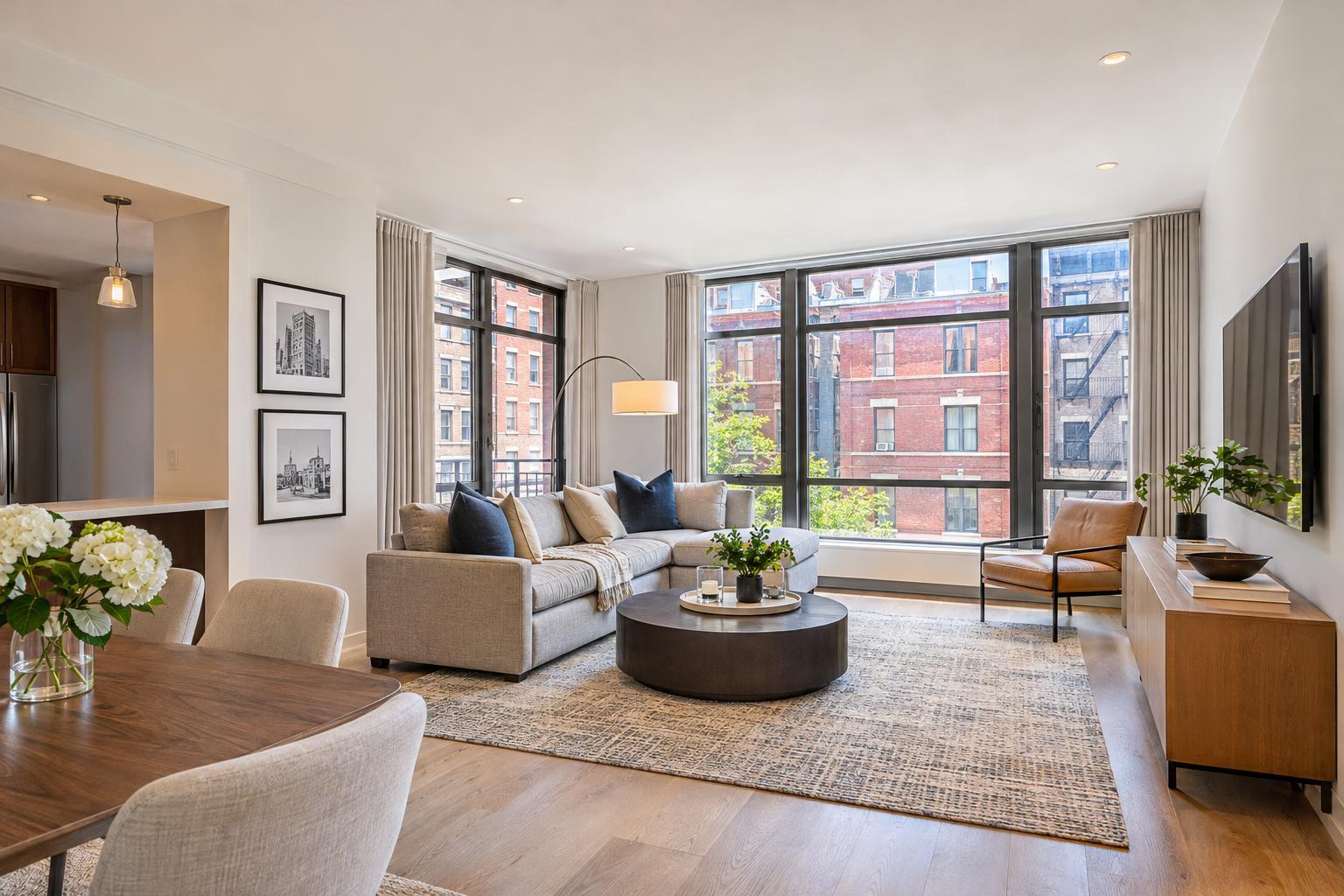
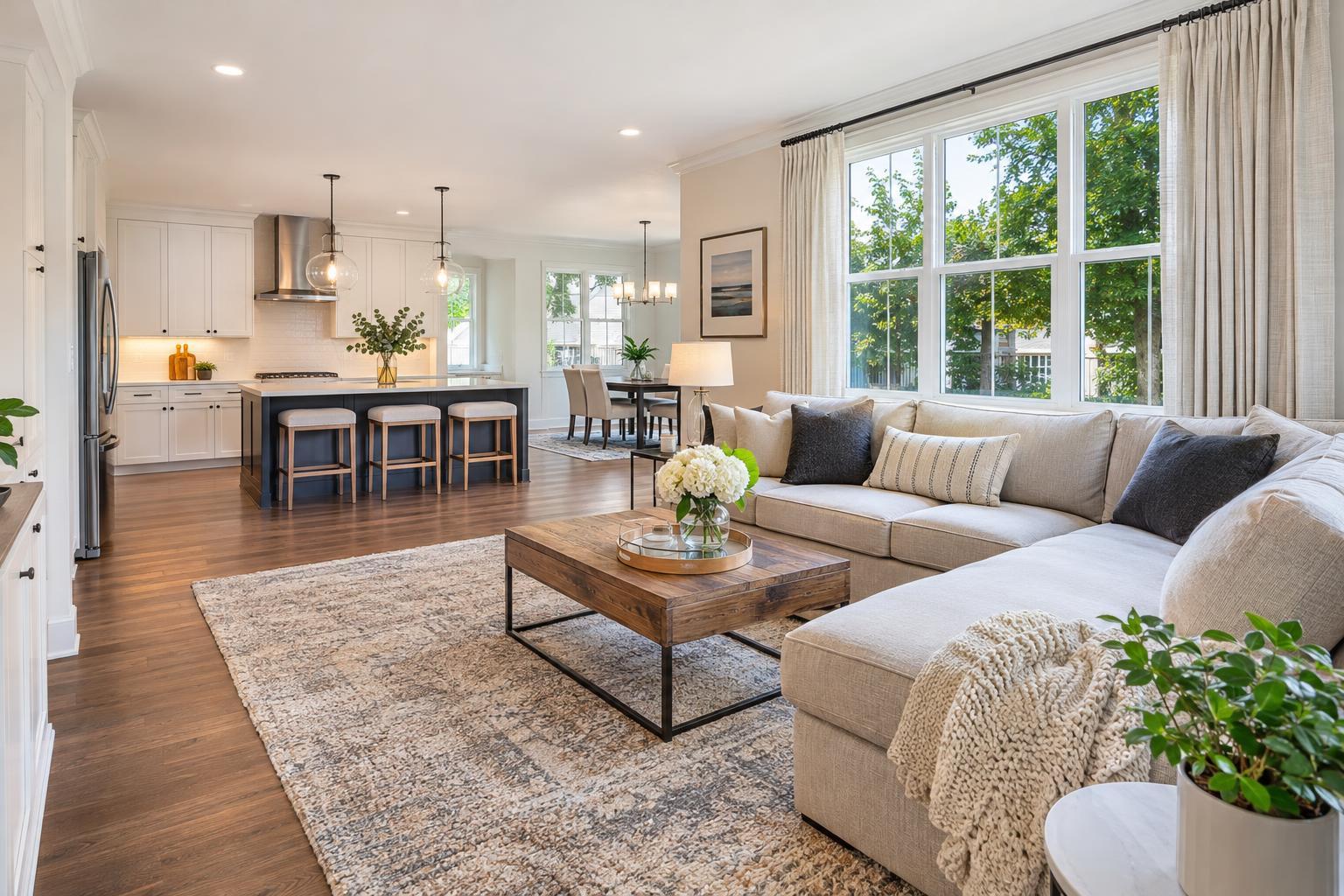
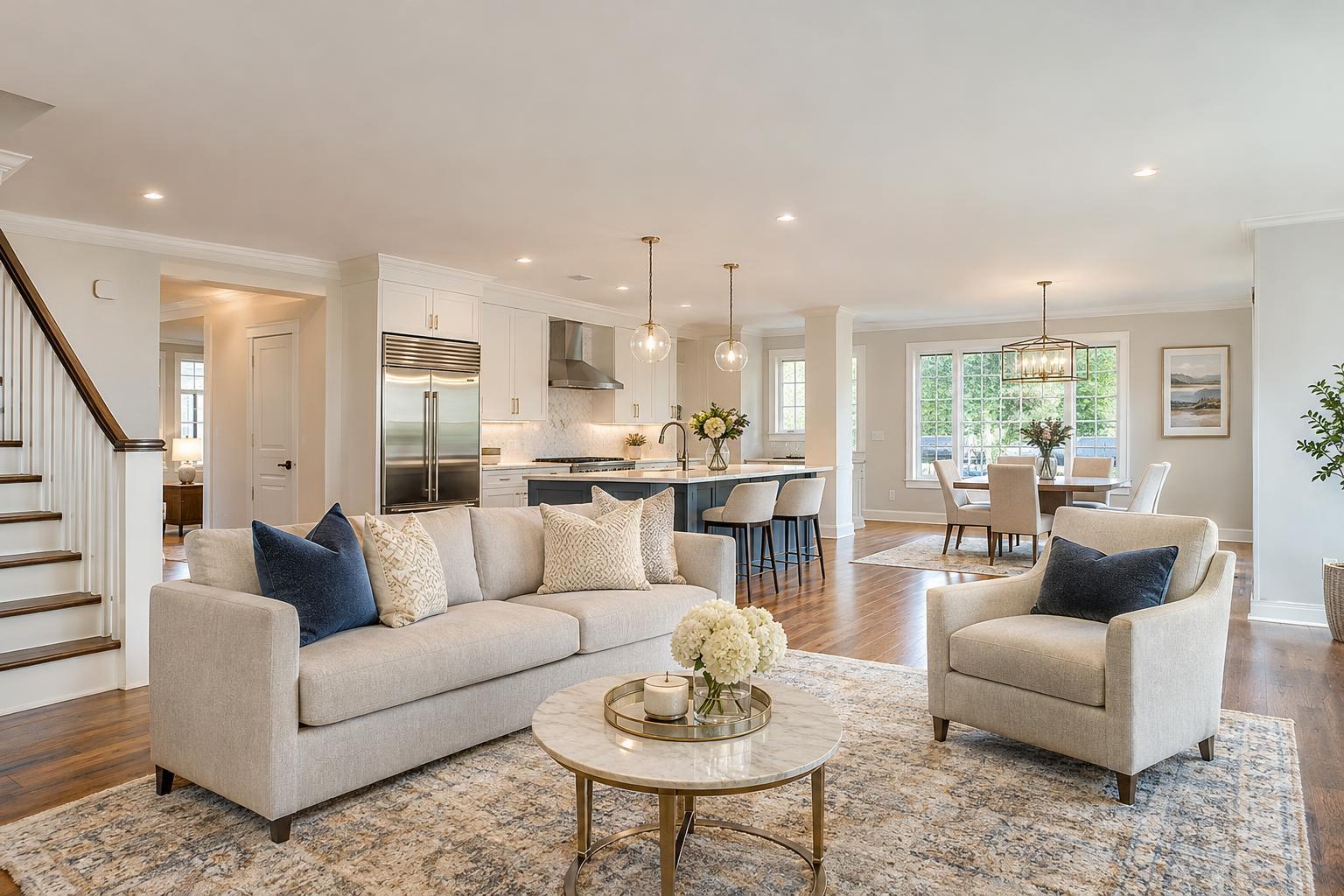
A beautifully staged open-concept living space, ideal for showcasing real estate videography near me, features elegant furnishings, a modern kitchen, and abundant natural light.

How to Choose Real Estate Videography Near Me for Your Next Listing
Searching for real estate videography near me means you’re probably dealing with more than just a camera hire. You need someone local who can truly understand your property’s strengths, navigate the quirks of your building or neighborhood, and deliver a video that helps potential buyers or renters connect with the space well before they walk through the door.
This guide will help you figure out what to look for in a professional videography service—especially if you’re working in the varied and sometimes challenging landscape of NYC or New Jersey. From Manhattan apartments to New Jersey homes with sprawling yards, the right video can make all the difference.
Why Video? What Motion Adds to a Listing
Photos will always have a place in real estate marketing, but video brings another dimension—literally. A well-produced video:
- Reveals the flow between rooms
- Captures the scale and proportion of spaces
- Shows daylight as it moves through windows
- Illustrates the transition from curb or stoop to interior
- Lets viewers experience views, backyard access, and unique features
Still images can highlight a stunning kitchen or gleaming hardwood floors, but a tailored real estate video tour helps prospects understand how those features relate to the home as a whole.
One Size Doesn’t Fit All: Different Properties Deserve Different Stories
The right video is never generic. What works for a Manhattan studio might miss the mark for a Brooklyn brownstone or a large New Jersey colonial. Consider:
- Compact apartments: Clear sequences showing how spaces connect, so the layout feels logical and appealing.
- Brownstones and multi-level homes: Attention to stairs, entryways, architectural details, and outdoor spaces.
- Large homes and estates: Thoughtful pacing that guides viewers through the approach, living zones, entertaining areas, and property grounds.
Ask yourself:
- What will confuse viewers about this property if they only see photos?
- Which spaces deliver a real “wow” factor in person?
- Are there architectural or outdoor features that need to be seen in motion to be appreciated?
- Does the property have a path—a natural way you’d show someone around?
Answering these questions gives you a blueprint for evaluating a videographer’s previous work and deciding what style fits your specific listing.
Real Estate Video Tours vs. Photo Slideshows
Not every “video” is equal. There’s an important difference between a property video tour produced on-site and a slideshow stitched together from still images. Only true video:
- Captures actual motion and spatial transitions
- Lets viewers “travel” through entryways, up stairs, or along hallways
- Shows how furnishings, sunlight, and views interact
- Creates a natural sense of progression through the home
Photo slideshows, no matter how many animated transitions or music cues, simply can’t substitute for this experience. Any service you consider should be clear about capturing actual footage at your property, not recycling photos.
RealtaSnap, for example, only produces property videos on-site—never as slideshows or hypothetical renderings. This ensures your results genuinely reflect the home.
Reviewing Portfolios: Look for Clarity and Context
Glitzy demo reels are easy to produce, but what really matters is how a videographer handles properties like yours. When you review portfolios, check for:
- Intentional camera movement: Does the camera seem to have a purpose, or is it moving just for effect?
- Logical sequencing: Is it easy to understand how rooms connect? Do you ever feel “lost” in the video?
- Accurate representation: Do the videos look natural, or are they using effects or editing tricks that could be misleading?
- Pacing: Does each space get the right amount of attention, or does the video feel rushed or drawn out?
A good video tour feels like a smooth walk-through—neither a rapid-fire montage nor a slow, meandering documentary.
The Value of Local Experience
Videography is always local work. Someone with lots of suburban experience might struggle with NYC’s building access quirks, and a Manhattan-focused expert may not anticipate what’s special about a New Jersey backyard or pool area.
Local familiarity comes into play when:
- Buildings require advanced notice, elevator booking, or insurance documentation
- Space is tight, with narrow hallways or compact rooms
- There are historic details, like Brooklyn brownstones, that deserve focus
- Outdoor footage depends on weather, landscaping, or adjacent buildings
Providers like RealtaSnap focus specifically on New York City (all five boroughs) and New Jersey. This matters for both scheduling and creative decisions, since understanding local access rules and visual priorities avoids headaches and improves results.
Coordinating Video with Listing Media
Real estate videography usually works best when synchronized with your photos and other listing media. Why? Because:
- Access to the property often has to be scheduled, especially in NYC condo buildings
- Consistent lighting helps maintain a unified look across media
- You avoid hassling sellers, tenants, or building staff with multiple appointments
Depending on the listing, you might also want a floor plan, a 3D virtual tour, or occasional drone footage (where allowed). Not every property needs everything—think about your goals, buyer needs, and which features matter most.
For combined media packages or tailored add-ons, check out RealtaSnap’s real estate videography for NYC.
Editing: The Final Step (But Plan for It Early)
How your video is edited has a big impact on the story it tells. Have a conversation with your provider ahead of time about:
- The style and intended use (MLS, website, social, or all of the above)
- Available options for social-media-ready edits or highlight reels
- Whether raw footage can be delivered if you want it
- How music, titles, and agent appearances are handled
Standard and premium packages usually cover the essentials, but if you know you’ll need short social cuts or interview content, request details and pricing up front. RealtaSnap offers several video formats, including 30-second social media trailers as add-ons.
Being clear about your needs and how you’ll use the video—listing, social, or both—avoids surprises and ensures the footage fits your marketing plans.
Scheduling, Prep, and Access: Setting Up for a Smooth Shoot
All the planning in the world doesn’t help if the property isn’t ready, or if access becomes a mess on shoot day. Before booking:
- Make sure the property is clean and staged
- Confirm who will provide access and when (including any building-specific protocols)
- Communicate any restrictions, such as elevator times, pet situations, or occupied rooms
- Let your provider know if you’re scheduling photos, video, or both at the same time
For providers like RealtaSnap, booking is a streamlined process you handle online. Just enter your property details, pick your services and time, and add any special notes or entry instructions. Standard shoots require at least 24 hours’ notice, and clear preparation streamlines the process for both you and the media team.
For more booking details, visit the RealtaSnap videography page.
Choosing the Right Videographer: What Matters Most
Your decision ultimately comes down to finding a local provider who can:
- Capture the property accurately, on-site
- Tell a clear, logical visual story about the space
- Understand the realities of your region and property type
- Communicate clearly before and after the shoot
- Coordinate seamlessly with your listing photos and other media
The best property videos draw in buyers by making them feel oriented and inspired, not confused or overwhelmed.
For professional real estate video tours throughout NYC and New Jersey, or to explore bundled options with photography, you can always reach out to www.RealtaSnap.com.
FAQ
Question: What should I look for in a real estate videographer’s portfolio?
Answer: Look for examples closely matching your property’s size and type. Check that the camera movement is intentional, the flow between rooms is easy to follow, and that the edit doesn’t rely on visual tricks or distracting effects.
Question: Can a property video be created from existing listing photos?
Answer: Not if you want an authentic video tour. True listing videos are captured on-site to show motion and spatial relationships. Slideshows built from photos don’t offer the same perspective or experience.
Question: Is it better to schedule photography and video together?
Answer: Usually, yes. Coordinating both means less hassle arranging access, consistent lighting for photos and video, and a smoother prep process. Most media providers, including RealtaSnap, make it easy to book combined appointments.