How to Choose Commercial Real Estate Photography for Your Property
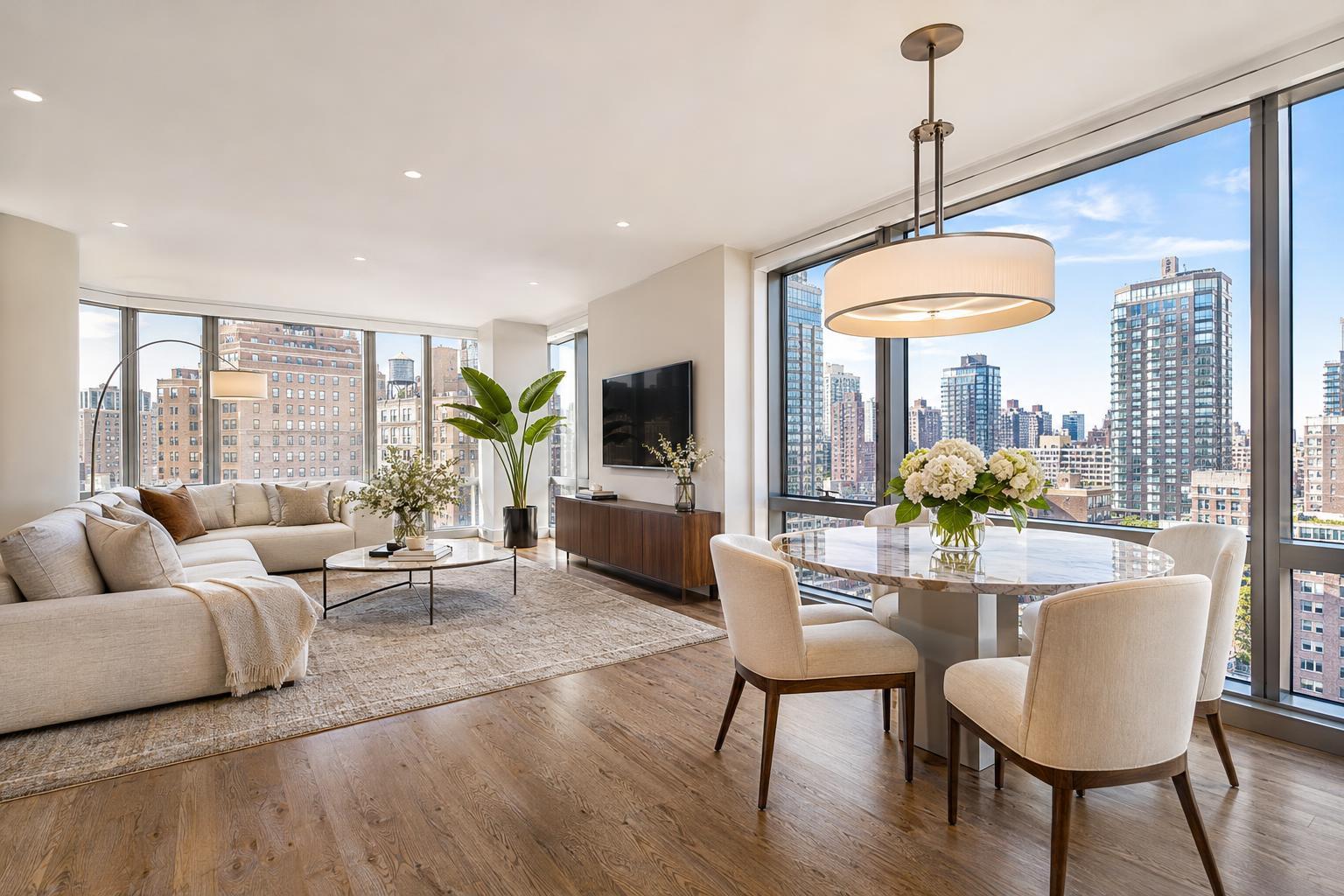
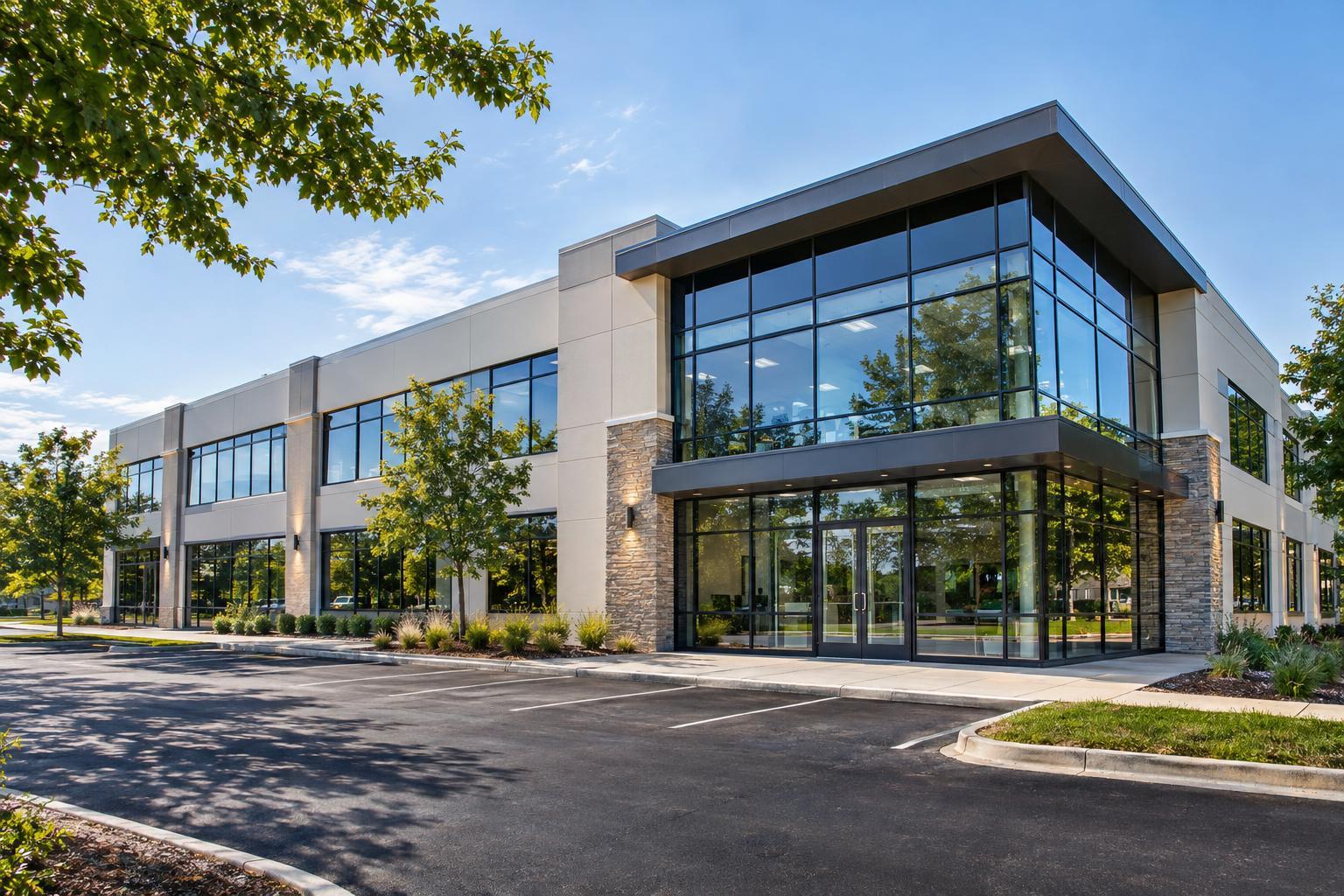
A modern commercial building with large glass windows and a sleek exterior is captured in professional real estate photography, showcasing its inviting entrance and surrounding greenery.

How to Choose Commercial Real Estate Photography for Your Property
Commercial real estate photography in NYC and New Jersey is more than a quick snapshot—it's about showing a space so that brokers, property managers, and business owners can attract the right buyers, tenants, or investors before anyone steps foot inside. The images you commission are your property's introduction, setting expectations about layout, light, scale, character, and details that matter to every potential user.
Let’s dive into what makes commercial property photography different, and how you can make sure you’re choosing the right professional for your next project.
Defining Your Commercial Space’s Purpose
Commercial buildings aren’t marketed just to one type of customer. While residential listings often emphasize “coziness” or curb appeal, business properties need to tell a story that speaks to tenants, investors, buyers, or even a company’s own employees. The requirements shift dramatically depending on whether you’re showcasing a Manhattan office suite, a North Jersey warehouse, or a corner retail space with high foot traffic.
Before you start comparing photographers, clarify a few things:
- Who is most likely to see these images first—an investor, prospective tenant, or someone else?
- What attributes set this property apart?
- Are there details that could easily be misunderstood without a clear photograph?
- Will the photos appear only on listing platforms, or will you need them for brochures, project proposals, social posts, and presentations?
Sitting down as a team to discuss these points can make the difference between a generic photo set and visuals that truly help your property stand out.
Why Commercial Real Estate Photography Demands a Specialized Approach
Hiring a commercial property photographer is not the same as finding someone for home listings. Business environments are complex—think elevator access, ceiling heights, conference room layouts, and operational zones for offices; or sheer warehouse volume, loading docks, and parking for industrial settings.
A seasoned commercial photographer will:
- Highlight both the architecture and how the space works day-to-day
- Capture street visibility, entrances, and building ID
- Showcase lobbies, common areas, and shared amenities
- Document operational infrastructure like loading zones, drive-ins, or truck parking
- Carefully control perspective so spaces look true to life (no warped lines or misleading wide angles)
- Balance natural light and interior illumination so neither part is lost or blown out
In commercial listings, accuracy is as important as visual appeal. The best photos help people make informed decisions rather than leaving them with unanswered questions about what makes a property valuable or practical.
Tailoring the Photo Plan to Your Property Type
Commercial real estate is a diverse world. Your shot list should match your property’s unique needs, and here’s how instincts (and experience) differ by building type.
Offices: More Than Just Cubicles
Good office photography illustrates not only aesthetic features but also how teams move through and use the workspace. Especially in NYC, square footage is at a premium, so things like window lines, efficient layouts, city views, and amenity access need to be clear.
Core shots for offices usually include:
- Street-level and entrance views
- Lobby, reception, elevators
- Open work areas and private offices
- Conference and meeting rooms
- Kitchens, lounges, and breakout zones
- Window orientation and lighting
- Circulation pathways
If the office is in use, consider a quick tidying pass to clear desks, put away personal items, and let staff know when photos are happening. A little coordination goes a long way.
Retail and Restaurants: Selling the Experience
Here, the street-facing story matters most. Show how the storefront sits in its neighborhood—what’s the approach like, how easy is it to spot, and what does a potential customer see from the sidewalk? Interiors should convey width, depth, and customer flow, whether you’re showing off dining tables or retail displays. If you can, schedule shoots to dodge busy customer hours or rearrange the sequence to capture high-traffic areas first.
Warehouses and Industrial: Scale and Access
In North Jersey, warehouses and industrial properties need photos that clarify everything from vehicle entry to aisle width—not just empty floors. Capture exteriors, docks, drive-in doors, loading and receiving zones, storage, mezzanines, and even signage that helps with wayfinding. Because these properties can be huge and tricky to light, a professional experienced in these environments is invaluable.
Mixed-Use or New Developments: Many Stories in One
Mixed-use spaces call for a broader approach—think street-level retail, upper-floor offices or apartments, amenities, exterior design, and community context. For in-progress developments, focus on finished areas and coordinate with the team if parts of the project remain under construction. More than one session might be necessary to document everything as work wraps up.
Reviewing Portfolios: What Actually Matters
A great portfolio is helpful, but it’s not just about pretty pictures. Look for real-world relevance:
- Do photos show architecture accurately, with straight lines and natural light?
- Are both small details and sprawling spaces easy to understand?
- Can you see consistent, thoughtful editing?
- Does the photographer showcase work inside active businesses, not just empty rooms?
Don’t be afraid to ask about past projects like yours, especially if your property presents unique challenges.
Pre-Shoot Logistics: Coordinating in Working Environments
Commercial shoots often take place during business hours, while tenants, staff, or clients are present. The smoothest sessions are planned with these logistics in mind. Share ahead of time:
- How to access the building (especially for secure or managed properties)
- Quietest hours for shooting
- Any off-limits zones or areas that require extra staging
- Required cleanups or decluttering before the appointment
- Whether to remove company names, confidential materials, or personal items
A walk-through or even just a marked-up floor plan with key priorities helps keep everyone aligned and minimizes surprises.
Editing and Post-Production: Consistency Over Gimmicks
Professional commercial property photography includes smart, property-appropriate editing—not flashy tricks. Expect adjustments like exposure balancing, color correction, and minor object removal when necessary. Be clear if you have special requirements, like blurring out sensitive data or ensuring certain images are reserved for internal documents; addressing these concerns on the day of the shoot is almost always simpler.
Add-On Media: When Other Formats Make Sense
While still photos are foundational, extra media can fill in the blanks where needed.
- Floor Plans: Useful for showing how spaces link up or clarifying circulation. RealtaSnap’s floor plans require on-site scanning—all relevant spaces must be accessible at the session.
- Matterport 3D Tours: Interactive, detailed, and especially useful for remote decision-makers. Like floor plans, these require a physical scan.
- Video: Great for illustrating spatial flow or a property’s “energy” as you move from room to room. RealtaSnap videos are filmed on site—not just stitched together from stills—for a more coherent story.
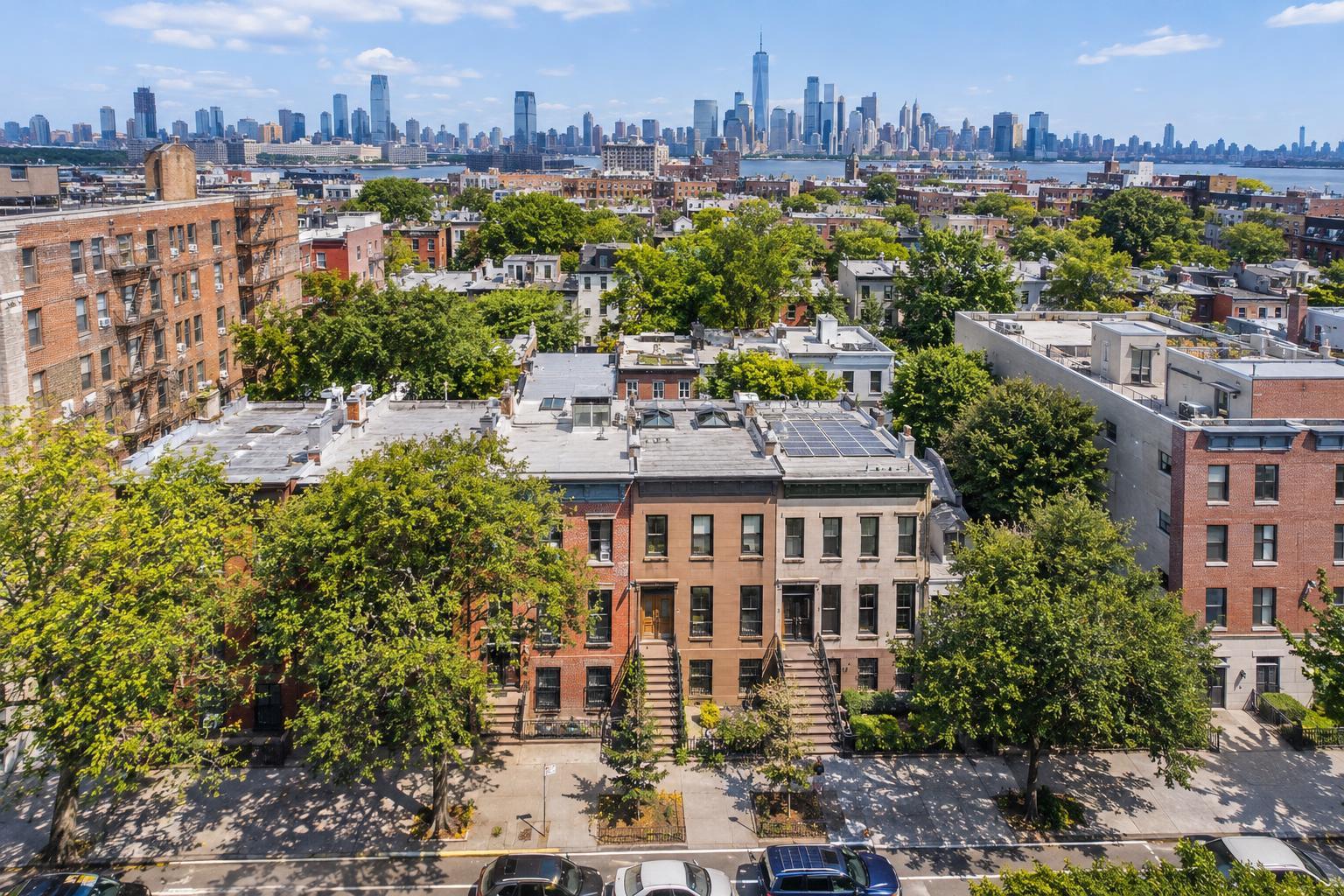
- Drone: Ideal for larger properties or when aerial context really matters. Drone flights must follow all regulations and may be limited by airspace, weather, and access.
- Virtual Staging: A good tool for showing possibilities in empty rooms. If furniture is present, it must be removed ahead of time or via approved clutter-removal editing before staging can be applied.
What to Ask Your Photographer Before Booking
Clear communication makes for better results. Consider these questions:
- Do you have experience with properties like ours in terms of size and use?
- What do you recommend prioritizing in the shot plan?
- How do you handle active operations or working around tenants?
- What needs to be ready before you arrive?
- Can you support floor plans, 3D tours, or video if needed?
- How are deliverables organized for the marketing team?
You’ll get the most value from a photographer who’s genuinely interested in your property’s real needs and not just selling a generic package.
RealtaSnap: On-Site Media for NYC and New Jersey Commercial Listings
For commercial properties in New York City’s five boroughs and across New Jersey, RealtaSnap tailors on-site media sessions to the realities of each space. You can combine photography with options like video, drone, 3D tours, and advanced floor plans, ensuring your marketing materials answer the questions your viewers actually have.
It’s simple to book: just enter your service address, pick your services, add special notes, and choose your appointment time online. If your property has special access needs or you want to outline a custom shot plan, include those details in your booking notes for the best experience.
Learn more or book your session at www.RealtaSnap.com.
FAQ
Question: How many photos will my commercial property need?
Answer: The necessary photo count depends on your building’s size and what features you want documented. A smaller office suite may require only key shots of entry areas, workspaces, meeting rooms, and amenities, while larger properties like warehouses or mixed-use developments typically call for wider, more comprehensive coverage.
Question: Can we photograph commercial spaces while they’re in use?
Answer: Yes, many commercial listings benefit from being photographed while active. Coordination is crucial: clear out clutter, remove sensitive information, and inform staff or tenants about the shooting schedule. Sometimes, it’s easiest to schedule photos before opening, after closing, or during quiet hours.
Question: Is drone photography possible for NYC and New Jersey commercial buildings?
Answer: Drone media is available when aerial views are needed for scale, site layout, or context. Each flight is evaluated individually based on airspace rules, weather, safety, and access. Some locations—especially in dense city areas—may have restrictions, so discuss this with your provider ahead of time.
If you’re planning a commercial real estate shoot in New York City or New Jersey, RealtaSnap keeps the process straightforward and the coverage focused on what matters. Explore your options or easily schedule your project online at www.RealtaSnap.com.