How to Choose Real Estate Photography Services in NYC for Your Next Listing
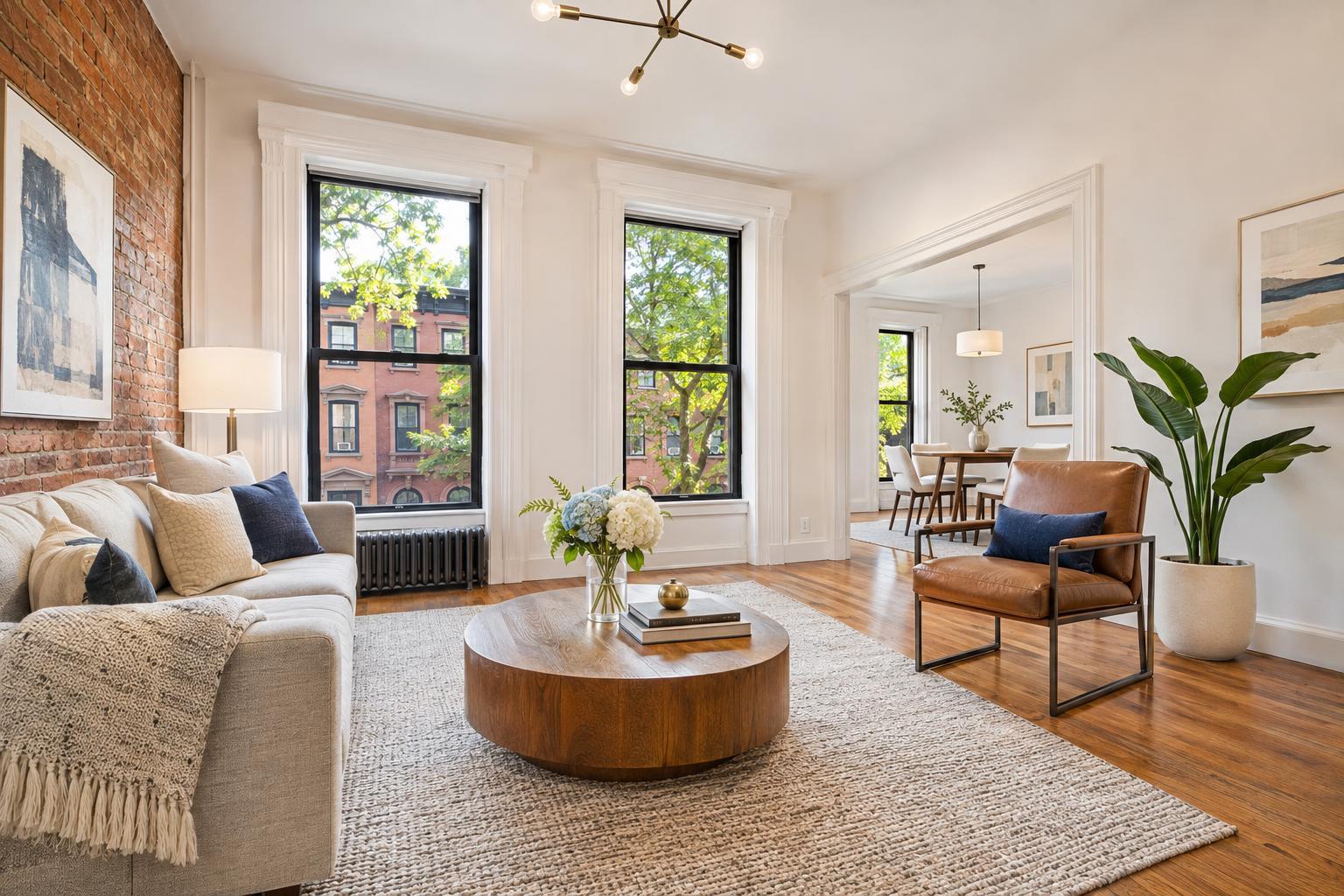
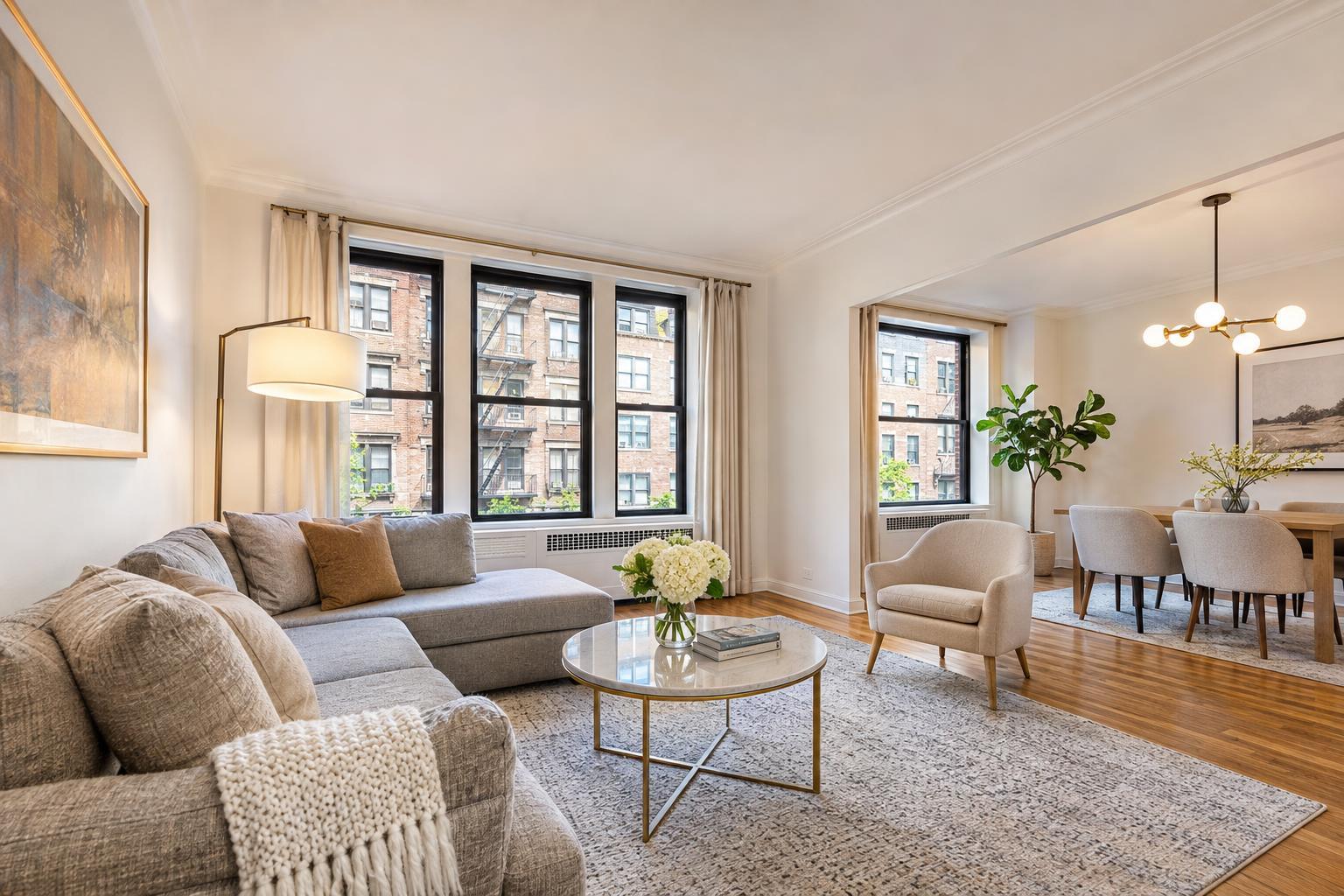
Bright and elegantly furnished living space showcases the expertise of real estate photography services in NYC, highlighting the natural light and tasteful decor.

How to Choose Real Estate Photography Services in NYC for Your Next Listing
When it comes to real estate photography services NYC agents, brokers, property managers, and sellers select, the right choice can make all the difference in listing performance. In a city defined by everything from snug studios to historic brownstones, a clear, professional visual presentation shapes the first impression a property makes—long before anyone walks through the front door.
So, how do you find a real estate photography company in NYC who truly fits your listing, neighborhood, and needs? It starts with understanding your own property, then recognizing what a professional media partner should provide, and finally, knowing how to compare options in a market packed with choices.
Think Listing First—Not Package First
Before digging through service menus, step back and ask: What should viewers actually take away from this listing?
Each property type in New York City offers unique challenges:
- A high-rise apartment might need images that explain spatial relationships and living area context, especially when open layouts make boundaries blurry.
- A classic Brooklyn brownstone could require more extensive architectural coverage, from exterior details and staircases to the natural flow of multiple levels.
- Commercial spaces and newly renovated condos might need to highlight finishes, flexible layouts, or surrounding amenities differently.
It helps to outline priorities:
- What are the property’s “must-show” features?
- Which spaces or angles could be confusing in a typical online scroll?
- Would a floor plan, virtual tour, or sequence of images help clarify the layout?
- Are there neighborhood or exterior elements (roof deck, garden, nearby park) buyers or renters would value?
- Will the space be vacant, furnished, or occupied?
- Are there access rules, restricted shooting hours, or necessary documentation like a certificate of insurance?
Starting your search with these answers helps avoid under- or over-ordering media, resulting in images (and possible add-ons) that provide real value for your listing.
What Good Real Estate Photography Delivers
Strong listing photography should help someone evaluating your property understand what’s actually on offer—no misleading tricks, no confusing layouts. Look for photographers whose portfolios show:
- Balanced Exposure: Especially with NYC’s dramatic window light, the best images let both interiors and exterior daylight views shine, avoiding washed-out windows or overly dark rooms.
- Straight Lines and Realistic Perspective: Slanted doorways or extreme wide angles can make a space seem awkward or misleading. A skilled photographer uses architectural lenses thoughtfully, ensuring openness without distortion.
- Purposeful Composition: Galleries should be organized to explain the property—from main living spaces through connecting rooms, exterior angles, and outdoor features. Each image in the sequence should add context, not just quantity.
- Consistent Editing: Fluctuations in color, brightness, or white balance across a gallery are distracting. A good editor smooths these out, allowing viewers to focus on the property itself. High-quality editing also corrects small distractions without creating a version of the property that doesn’t exist in real life.
At RealtaSnap, all editing aligns with the aim of clarity and authenticity. Professional edits—like basic retouching, clutter removal, virtual twilight, and AI virtual staging—are available where appropriate, with clear guidance on what’s possible for each project.
Navigating NYC Building Logistics
Getting access to New York City apartments and commercial spaces can present almost as many hurdles as staging the rooms themselves. Solid, responsive communication is essential—both before and on the day of the shoot.
Before booking, clarify:
- Does the building or board require advance notice, vendor approval, or a certificate of insurance?
- Is the unit accessible by elevator, stairs, or a service entrance?
- Are there time-of-day restrictions for vendors or photography?
- Can you photograph amenity areas or rooftops?
- Who will be on site—resident, tenant, owner, superintendent?
- How will keys, lockboxes, and entry codes be handled?
Occupied homes benefit most from advance preparation: decluttering surfaces, hiding personal or pet items, and tidying to ensure clear floors and countertops. The result is a space that photographs cleanly, helping viewers focus on what matters.
Matching a Portfolio to the Property Type
A deep, relevant portfolio matters more than a massive volume of unrelated shoots. When assessing a real estate photography company NYC, look for work with properties that actually resemble yours.
- For pre-war apartments or landmarked brownstones: Look for thoughtful coverage of historical details, stairs, exteriors, and floor-to-floor flow.
- For modern condos: Pay attention to how the photographer handles sleek lines, views, and smaller but well-appointed rooms.
- By borough, needs can shift. Manhattan calls for efficiency and versatility. Brooklyn often involves outdoor spaces, multi-unit buildings, and brownstones with distinct character. Queens, the Bronx, and Staten Island each introduce their own mix of building styles and listing sizes—so relevant local experience helps.
Communication and Prep Matter
Great photos are easier to capture when everyone is prepared and knows exactly what will happen. Strong providers give you clear, step-by-step prep guides, address building-specific entry logistics up front, and aren’t shy about confirming important points.
Before you book, ask how a provider handles:
- Pre-shoot preparation and guidance (especially for occupied or tenant-occupied homes)
- Building entry and access logistics
- Special requests for views, amenities, or particular features
- Service order changes or add-on requests
- File delivery, re-edit requests, and support after the shoot
For RealtaSnap, the online booking process allows you to select available appointment times, add entry notes, choose services and add-ons, and handle payment—all in one go. Standard sessions can typically be scheduled with at least 24 hours’ notice.
Comparing Deliverables: Beyond the Photo Count
Don’t judge photography service quotes by simple photo count. The number of images needed will depend on the listing type—a townhouse may require more detailed coverage than a compact studio, for instance.
Find out:
- What will the selected photo package cover?
- Will images be fully edited and ready for listing?
- What is the turnaround time? (RealtaSnap standard turnaround is 24 hours for photos)
- How are files delivered, and how long are they accessible?
- Can you add more images or complementary media later if strategy changes?
With RealtaSnap, packages range from 10 to 50 photos, letting you match coverage to the listing instead of forcing a one-size-fits-all solution.
Complementary Media: When Does It Make Sense?
Photography is the bread and butter of most listings. But sometimes, a floor plan, Matterport 3D tour, or drone view solves a problem photos alone can’t.
- Floor plans add helpful layout context, especially for larger properties or unusual configurations. These require on-site measurement and capture.
- 3D virtual tours (like Matterport) allow for immersive, online property tours—ideal for remote buyers, rentals, or detailed renovations.
- Video walkthroughs offer a sense of movement through a space and should be captured intentionally on site.
- Drone images and video can contextualize a property’s setting when safe, legal, and practical in NYC’s tight airspace.
- Virtual staging can help empty properties appear inviting and lived-in when done correctly. Staging works best on clean, vacant rooms; existing furniture typically needs to be removed or digitally cleared first.
It’s best to add complementary media only when it genuinely helps explain the listing—not just for the sake of “more content.”
A Practical Shortlist for Choosing Your NYC Provider
To keep your decision process focused and avoid overwhelm:
- Review portfolios for properties similar to yours
- Make sure photo galleries display balanced exposure and realistic architecture
- Get clarity on editing, turnaround, and deliverables
- Confirm the company can handle NYC-specific access and scheduling details
- Look for practical prep advice for occupied homes
- Choose a provider who makes communication straightforward—no endless back-and-forth
- Treat photo counts, add-ons, and price as part of the conversation, not the only factor
Reliable turnaround, predictable workflow, transparent pricing, and real local know-how are often worth far more than another two or three “included” shots.
Choosing Media That Makes Your Listing Easy to Understand
Professional property photography in New York City should never rely on visual tricks or empty flash. The best media partners start with the realities of the space and help it read naturally—whether it’s a one-bedroom in Queens, a new development in Manhattan, a family row house in Brooklyn, or a spacious Staten Island home.
Early preparation, clear priorities, and a provider who really knows city listings make the process simpler for agents and sellers—and more useful for prospective buyers or renters. RealtaSnap offers real estate photography services across all five boroughs, specializing in listing-ready media and an online-first booking approach. When you’re planning your next listing, see RealtaSnap’s service details and book online.
FAQ
Question: How many real estate listing photos are best for an NYC apartment?
Answer: It depends on the property’s layout and features. A studio might need a focused set covering the main living area, kitchen, bath, and view, while a larger apartment or townhouse usually benefits from more images to clarify relationships between rooms, show outdoor space, and highlight unique design features.
Question: Should I include a floor plan or 3D tour with my listing photos?
Answer: Consider these add-ons when the layout is complex or you expect out-of-town or remote viewers. Floor plans help explain spatial relationships. 3D tours allow interactive exploration. Both require on-site capture, so plan these needs in advance.
Question: What’s the best way to prepare for a real estate photography shoot in NYC?
Answer: Clean, declutter, and make sure the space will be accessible at the scheduled time. Turn on lights, open relevant shades, clear surfaces, and communicate any special entry info ahead of time. For occupied spaces, sharing a preparation checklist early gives everyone time to make the space photo-ready.
Ready to make your next listing shine? For transparent scheduling, reliable NYC coverage, and listing-focused photos, visit www.RealtaSnap.com.