When Is Drone Photography Worth It for a Real Estate Listing?
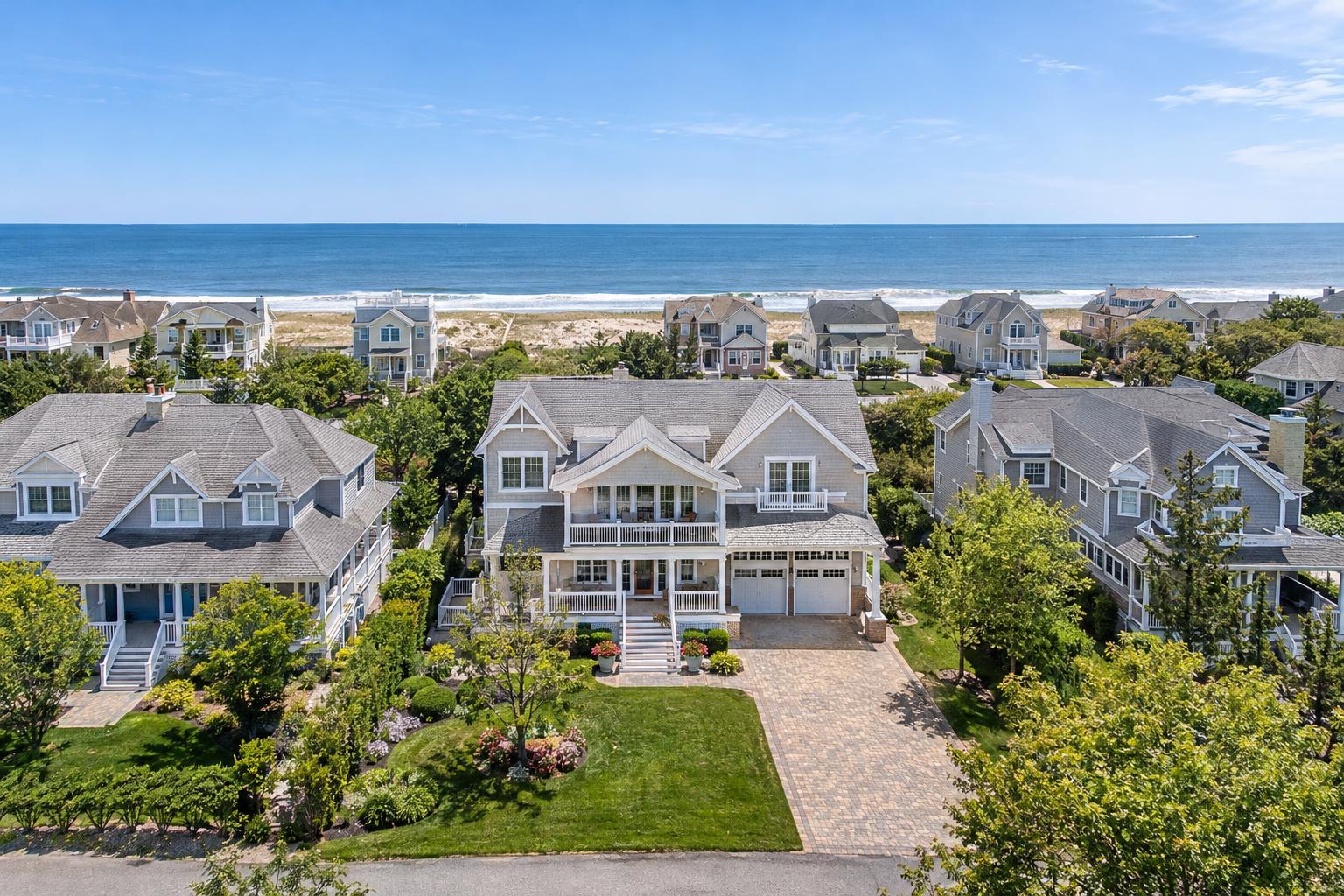
Drone photography beautifully captures coastal real estate, highlighting elegant beachfront homes and their proximity to the ocean.

When Is Drone Photography Worth It for a Real Estate Listing?
Drone photography real estate is on many agents’ radar—but deciding when it genuinely adds value is less obvious. The simplest way to decide? Ask if an aerial perspective helps a buyer understand something about the property that ground-level images just can’t provide. Sometimes, a thoughtfully composed aerial can reveal the full story of a home’s setting, the true scale of a lot, or the connection to water or amenities. Other times, drone coverage doesn’t add enough to justify the planning involved.
Let’s dig into when using drone photography services makes sense for listings, especially in markets like New York City and New Jersey, and when a more traditional approach is the smarter call.
What Drone Photography Can Reveal That You Can’t Get From the Ground
Regular listing photos do a great job showcasing interiors—rooms, finishes, light, and curb appeal. On-site video can help buyers see how the home flows. Aerial real estate photography, however, does something different: It puts the property in context, explaining things like scale, layout, land relationships, and setting.
From the air, you can clearly see:
- How a property sits on its lot, including size, shape, and boundaries
- The approach to the home: winding driveway, gates, or private roads
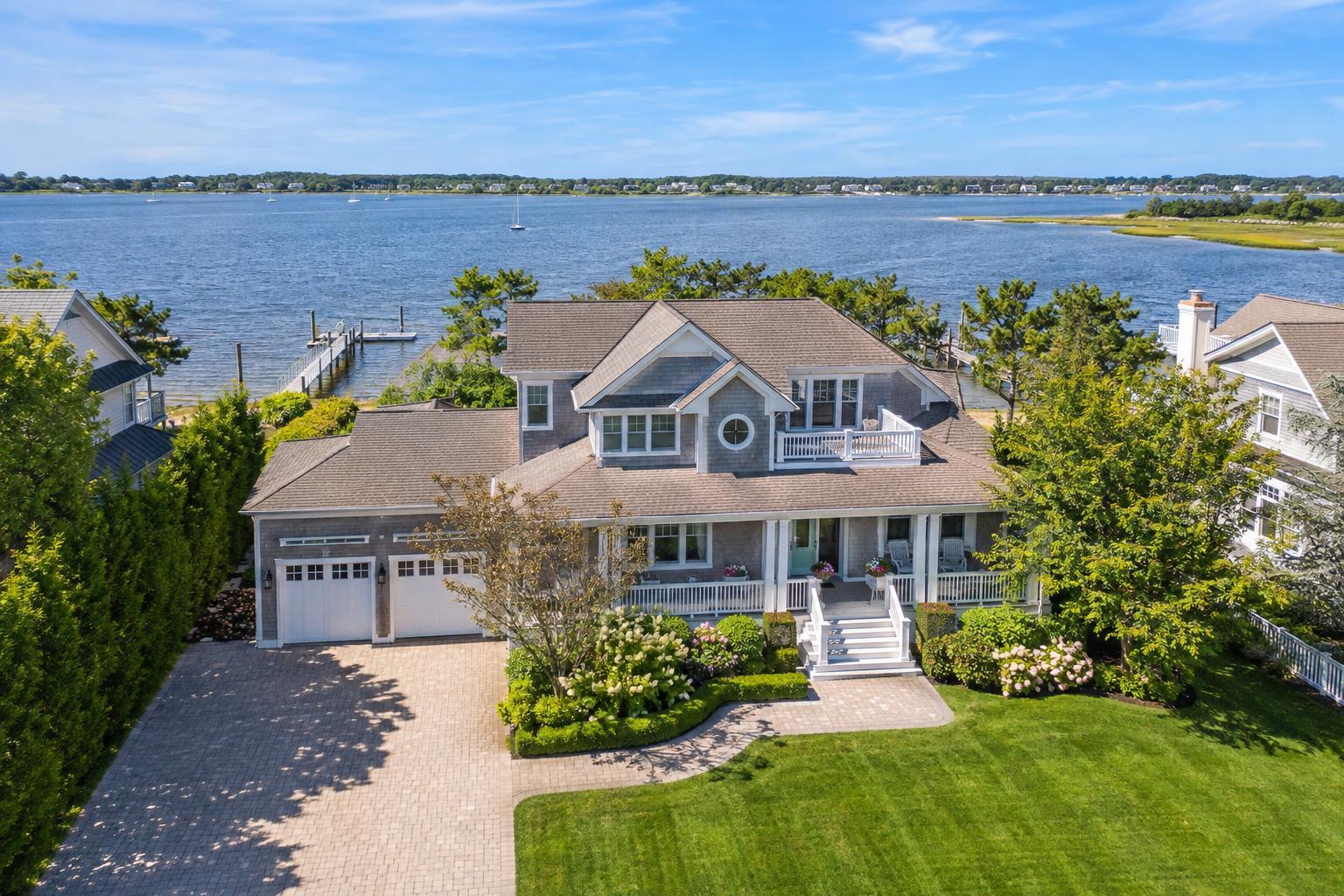
- Waterfront access—showing docks, beaches, or marina proximity
- The relationship between a home and neighboring parks, open space, or water
- Rooftop amenities or terraces that are hard to convey otherwise
- Outdoor features: pools, sport courts, gardens, or patios
- The footprint and architecture of larger homes or multi-family buildings
- Commercial property elements like parking, access roads, and nearby infrastructure
A single drone shot can often condense what would otherwise require multiple exterior ground photos, making it a valuable complement when exterior context is truly a selling point.
Listings Where Aerial Media Often Makes a Difference
Not every property needs drone coverage. In general, aerials pay off most when the exterior setting, land, or amenities are central to the property’s value. Consider drone photography for:
Properties With Land or Unique Settings
Suburban homes, estates, and rural properties are classic picks for aerial photography. If a property has a long driveway, large lawn, mature landscaping, or multiple outbuildings, an overhead view helps buyers understand how it all fits together. Even vacant land can benefit from drone photos if it helps show boundaries, sightlines, or special features.
Waterfront Homes and Shore Listings
This is where drone work often gives the biggest payoff. Waterfront and vacation-oriented properties—especially along the New Jersey Shore—rely on location and outdoor amenities for their appeal. Overhead media shows how close the house is to water, the shape of a beach or dock, or the scope of outdoor entertaining spaces. The most successful images are specific, answering questions like, “How does the backyard connect to the shoreline?” rather than settling for generic wide shots.
Distinctive Rooflines or Architectural Forms
Modern homes with striking roofs, properties with central courtyards, or buildings with bold architectural layouts can be beautifully captured from above. These perspectives lend clarity to the property’s design and underscore unique features that buyers might miss from ground angles.
Rooftop Decks, Terraces, and Shared Outdoor Spaces
In urban settings, amenities like a roof deck or shared terrace are key marketing features but tough to show off from eye level. Drone images can communicate the usable space, layout, and views that make these features stand out—when access and safety allow.
Commercial and Larger Multi-Family Properties
For commercial listings or large residential complexes, aerials provide structure: parking layout, courtyard access, multiple building placements, and where the property sits within its neighborhood. For marketing purposes, these images often help clarify access points, logistics, and exterior amenities.
When Drone Photography May Not Add Much
It’s tempting to book drone coverage just because it’s available, but aerials should earn their place in your marketing plan. If the overhead view doesn’t highlight something meaningful, your dollars go further with excellent ground-level work.
Drone services might not be worth the extra effort for:
- Condos and apartments with no outdoor space
- Densely packed buildings where there’s little outside to feature
- Small homes on tight city lots
- Listings where the selling points are all interior-based (recent renovations, floor plans, or interior views)
- Locations where surrounding rooftops, ongoing construction, or limited open space make flying impractical
- Properties with restricted airspace or safety limitations that prevent drone flights
In much of Manhattan, Brooklyn, or other dense NYC neighborhoods, a property may simply not be a fit for drone work—especially if tight gaps between buildings make flight risky or illegal.
Special Considerations for NYC and Urban Markets
Flying a drone in New York City is not like flying in the suburbs. Dense blocks, shifting airspace regulations, narrow streets, unpredictable weather, and the presence of pedestrians all add complexity. Roof access can help, but it doesn’t guarantee a feasible or safe operation.
Every assignment should be evaluated for:
- FAA rules and NYC airspace classification
- Local restrictions and authorization requirements
- Weather and wind on the shoot date
- Safe launch and landing options
- Proximity to buildings, people, and obstacles
- What the property genuinely needs to show
- Pilot discretion—safety always comes first
Sometimes, flights that seem workable still aren’t possible due to municipal or law enforcement regulations. If a listing requires special permits, those are the client’s responsibility, and not every assignment can be accommodated.
Choosing Aerial Stills, Video, or Both
What’s the right fit for your property’s story?
Aerial stills: Best when you need to illustrate lot size, water relationships, rooftop spaces, or the shape and scale of a building. Select a few intentional images that add tangible value, rather than lots of similar overhead shots.
Drone video: Choose this when motion actually helps—such as slow fly-ins toward a waterfront, sweeping views over a large backyard, or tracking the connection from building façade to a rooftop deck. Drone footage works best when it enhances a listing video shot on-site, not when it’s added just for dramatic effect.
Ground-level photos and video should still do most of the heavy lifting, showing interiors, flow, and eye-level curb appeal.
Planning for a Successful Drone Shoot
Starting the discussion with your photographer or media provider is all about clarifying what you actually need:
- Which exterior features can’t be shown well from the ground?
- Is lot size, water access, rooftop, or an amenity central to the listing?
- Are there nearby landmarks whose context helps tell the story?
- Would high-quality stills suffice—or would movement (video) add more?
- Is there safe access for drone operations?
- Are there building management rules or permits to check beforehand?
- How will aerial assets complement ground photography and video?
Clear answers up front avoid wasted footage and keep the final gallery focused on what sells the story.
Blending Aerials With Traditional Media
Drone imagery is rarely a standalone solution. The best real estate marketing combines eye-level photography, interior and exterior video, and, when warranted, strategic aerials that set the scene.
For example, a waterfront home in New Jersey might use interior photos for spaces, a video walkthrough for flow, and drone stills to emphasize outdoor lifestyle—the dock, water’s edge, and privacy. A Brooklyn townhouse, on the other hand, may only need aerials if a roof terrace or skyline view genuinely adds to what buyers need to see.
When aerial capture feels right for your listing and the location supports it, RealtaSnap offers professional 4K HDR drone photography and video services in NYC and New Jersey. Find out more at drone photography and video services.
Making the Perspective Earn Its Place
If an aerial perspective answers a specific question buyers will have—or shows off features that can’t be captured any other way—then drone photography is worth considering. For interior-focused homes, or listings where the exterior scene is not a true selling point, you’re often better off sticking to traditional photography and video.
If you want to discuss whether aerials will help market your NYC or New Jersey property, or just want answers on feasibility, you can connect with RealtaSnap at www.RealtaSnap.com.
FAQ
Question: Can every property take advantage of drone photos?
Answer: No—drone work depends on FAA rules, airspace, local authority restrictions, weather, safety, property access, and the pilot’s judgment. Urban locations, particularly in NYC, may have limited or no viable takeoff zones.
Question: When is drone photography most worthwhile for real estate?
Answer: Aerial photography delivers the most impact when you need to communicate setting, scale, unique land, waterfront, roof features, or outdoor amenities that can’t be shown well from the ground. For interiors or tightly packed buildings, it adds little value.
Question: Should I choose drone stills or aerial video for my listing?
Answer: If you just need to show how elements relate (like a pool, deck, or lot boundaries), stills are usually best. Video makes sense when movement is part of the story, such as flying toward a feature or moving across large outdoor areas. The choice depends on what buyers need to see—not just what looks dramatic.
Ready to find out if drone media will help your next listing? Explore your options at www.RealtaSnap.com.