How to Choose a Commercial Real Estate Photographer for Your Property
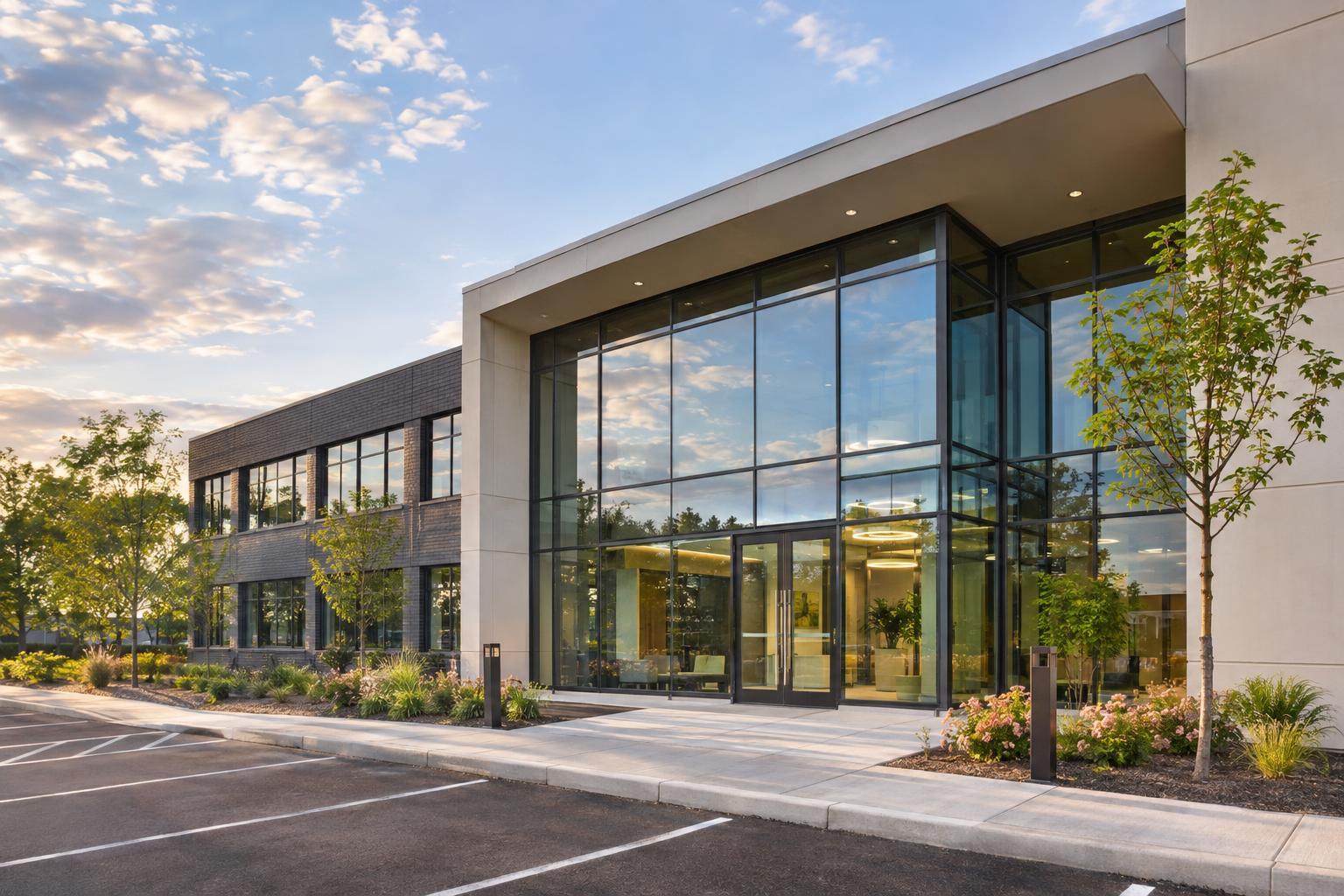
A commercial real estate photographer captures a modern office building with large glass windows and a landscaped entrance under a sky dotted with clouds.

How to Choose a Commercial Real Estate Photographer for Your Property
A commercial real estate photographer is more than just someone who shows up with a camera. For brokers, property managers, developers, and business owners in NYC and New Jersey, selecting the right professional can make the difference between a set of images that move a property and a gallery that leaves key questions unanswered. Unlike residential photo shoots, commercial real estate photography needs to clearly communicate scale, function, finishes, access, and the very purpose of the space before the first walkthrough ever happens.
Getting Clear on Your Property’s Marketing Needs
Before diving into portfolios or collecting quotes, take a step back and consider the aim of your campaign. Commercial property photos serve a broad range of goals: sales, leasing, investment, tenant recruitment, or simply raising brand visibility. What you want from your images shapes what your photographer should prioritize.
Maybe you’re an office broker looking to show off collaborative spaces and window exposure in a tight Midtown building. Or perhaps you manage a Brooklyn retail spot where curb appeal, foot traffic, and signage visibility matter most. For North Jersey industrial listings, loading zones, parking, and wide exteriors might be your focus.
Get clear on these essentials first:
- Who is your audience: tenants, buyers, investors, users, or the general public?
- Where will your images appear: listing platforms, offering memos, websites, email campaigns, signage, or social?
- Which property features absolutely need documentation?
- Are there access, timing, or security constraints?
- Would video, drone/aerial, floor plans, or 3D tours add value to your campaign?
This level of prep leads to a better brief—and a much smoother project.
What Makes Commercial Real Estate Photography Different?
Unlike residential shoots that sell a lifestyle, commercial images need to tell a practical story. The right photos not only look polished but also help people quickly size up whether a space fits their business, logistical, or investment plans.
For Office Properties: Showing Flow and Use
Office photography should give a sense of how people will actually move through a suite. It’s about clarity—clean, confident visuals of reception areas, workspaces, conference rooms, and paths between. Especially in dense markets like Manhattan, where daylight and space can be uneven, a skilled commercial property photographer works to keep corridors honest in scale and perspectives natural and readable. It’s less about making each room look big and more about making the entire workplace feel coherent.
For Retail Spaces: Capturing the Street Connection
Retail properties are about more than just interiors. Potential tenants and buyers pay close attention to storefront visibility, signage opportunities, foot traffic, neighboring businesses, and that all-important curb appeal. Exterior shots might need to catch the facade in the best light or show how the corner relates to pedestrians, while interiors should prioritize the sales floor, ceiling height, and key logistical zones like storage or fitting rooms.
For Industrial and Development Sites: Emphasizing Scale and Access
Industrial listings, warehouses, or development parcels shine when images combine detail shots (like loading bays or ceiling height) with broader views that communicate true scale, access points, and overall site footprint. Don’t worry about getting every last square foot on camera; instead, think about delivering a set that explains the property’s operational heart.
Reviewing Portfolios: What Really Matters
Lots of photographers can shoot a nice apartment, but commercial spaces present a unique challenge. When you look at a prospective photographer’s work, seek out assignments that share your property’s use, size, and lighting complexity.
Ask yourself:
- Are structural lines clean and straight?
- Do large rooms feel proportionate?
- Are window views and lighting well handled?
- Can you see how rooms connect and how space is used?
- Does the style fit a professional, business-facing audience?
Experience with offices, retail, industrial, or other commercial categories matters more than sheer quantity of images.
Technical Quality: More Than Just Looking Pretty
Technical skill in dealing with challenging commercial lighting, correcting perspectives, and balancing indoor and outdoor exposures is non-negotiable. Ask how your photographer handles:
- Mixed lighting situations (overhead, daylight, desk lamps)
- Reflective surfaces like glass, metal, and stone
- Views out of windows
- Keeping verticals straight to avoid distortion
- Active workplaces or properties with foot traffic and business activity
You don’t need a lecture in photo theory—just confidence that your photographer is tuned into why these things matter.
Defining Scope and Setting Expectations
Unclear scope leads to missed shots and last-minute stress. Especially with multi-suite buildings, mixed-use sites, or properties with tight access windows, lay out:
- The address, main contact, and all points of entry
- A room-by-room or feature-by-feature shot wishlist
- Any "do not shoot" areas
- Special timing requests for exteriors, lobbies, or active business spaces
- Required paperwork, such as building sign-in or certificate of insurance
- Whether stills, video, drone, floor plans, or 3D scans are needed
A one-room office and a 200,000-square-foot warehouse require very different levels of coverage.
Working Around Occupants, Tenants, and Operations
Most commercial shoots need to be timed carefully. Empty suites are easy; operating offices, retail shops, or warehouses are not. Work with management or tenants to:
- Schedule when spaces are available and free of high traffic
- Make the most of daylight or quieter hours
- Ensure key areas are staged and as clutter-free as possible
Removing boxes, outdated flyers, and personal desk clutter in advance helps keep the space neutral and inviting for the intended audience.
Deliverables: Let the Campaign Lead the Media Mix
Still photos typically anchor commercial real estate marketing, but sometimes a campaign will benefit from extra context:
- Floor plans help explain layout at a glance (these require on-site capture)
- Video is ideal for capturing movement through a campus or open plan suite
- 3D tours let remote viewers virtually explore key spaces
- Drone media is assessed on a per-property basis due to rules, weather, and location
If your North Jersey property has acres of parking or you’re marketing a dense Manhattan building, your media slate may need to flex accordingly. Not every listing needs every format.
Comparing Proposals: Look for Clarity, Not Just Cost
Price is important, but understand what’s included: number of images, coverage areas, retouching level, on-site time, additional service pricing, and exactly how and when you’ll get final files. A lower quote might not include the coverage or extras your marketing actually needs.
Be sure to ask:
- What’s included in the base quote?
- How are additional areas or complex requests handled?
- Which edits or retouching are included?
- Is floor plan, video, or drone separate?
- How are files delivered and organized?
A clear, upfront answer beats a vague promise every time.
RealtaSnap: A Practical Partner for New York and New Jersey Commercial Property
For commercial property teams in NYC and New Jersey, RealtaSnap provides professional images designed for clarity and business use. Whether you need listing photos, a video tour, a 3D scan, or an accurate floor plan, the process is straightforward: share the property address, let us know about any timing or access notes, and select your needed services. Our experience with local office, retail, and industrial properties means you get visuals that work for your campaign, not just a generic set of images.
Ready to learn more? Explore our real estate photography services for details on coverage and easy scheduling.
If your project could use a thoughtful partner who knows the local landscape, RealtaSnap is happy to help craft a media plan around the spaces that matter for your listing or campaign.
Let us know if you have an upcoming project—no pressure, no hard sell. You can always start at www.RealtaSnap.com.
FAQ
Question: What information should I give a commercial real estate photographer before our shoot?
Answer: Provide the property address, main contact info, clear access instructions, a priority list of features or areas to capture, any special building requirements, and let them know about any spaces that shouldn’t be photographed. If the property will be occupied, include suggested timing and privacy considerations.
Question: How is photography for commercial real estate different from architectural photography?
Answer: Commercial real estate photography typically prioritizes practical details that help market, lease, or sell a property—think layout, access, amenities, and operational features. Architectural photography often focuses more on design, materials, and the broader vision behind a building. Some jobs will blur these lines, but knowing the intended audience helps shape the shot list.
Question: Can my commercial property be photographed if it’s currently in use by tenants or staff?
Answer: Yes, as long as access is scheduled thoughtfully. Coordinating timing with tenants or management, reducing clutter, and planning for peak or off-peak hours can help minimize disruption and ensure your listing gets strong, clear images—even in occupied spaces.