The Ultimate Guide to Real Estate Photography in NYC: Boosting Listings with Professional Media
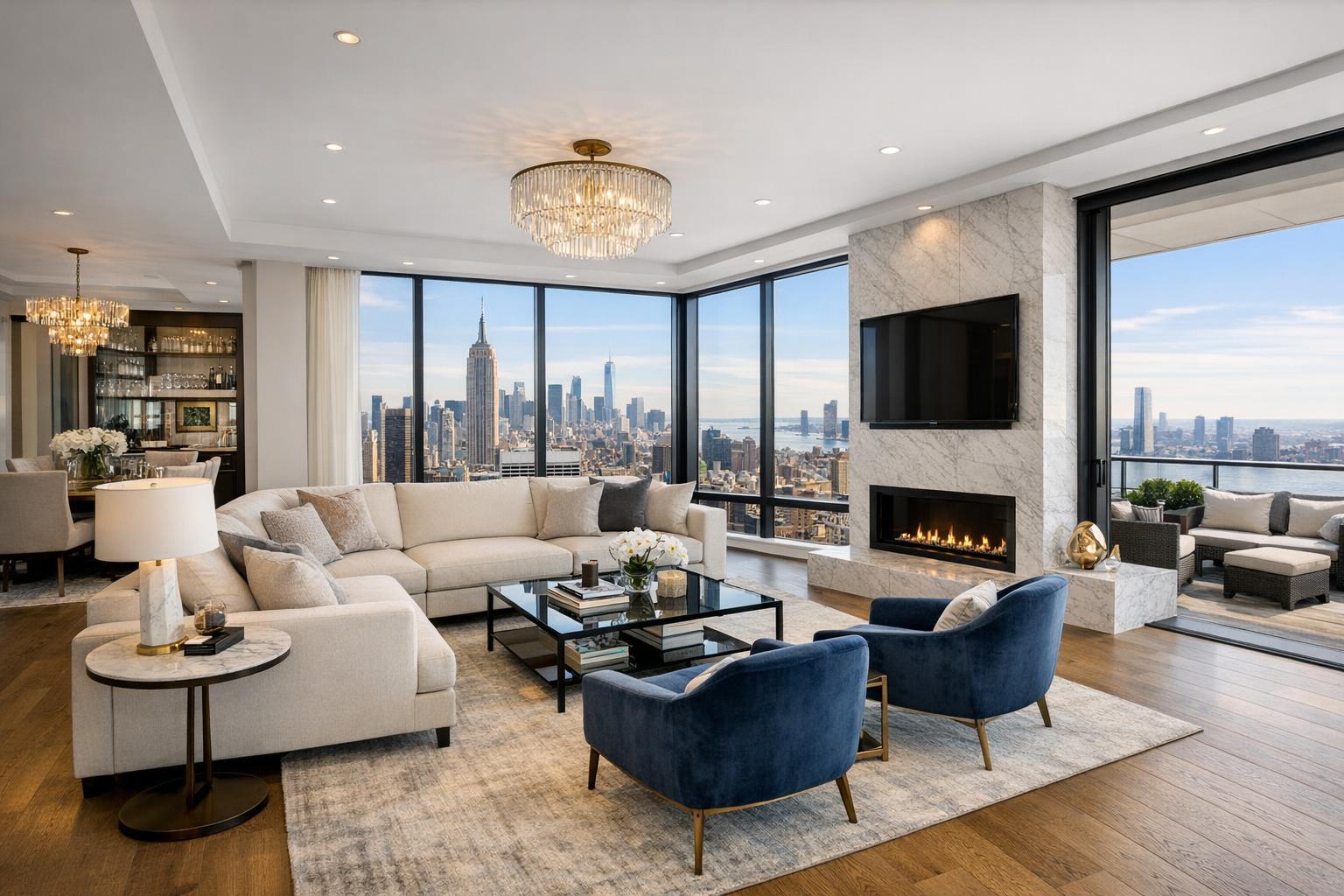
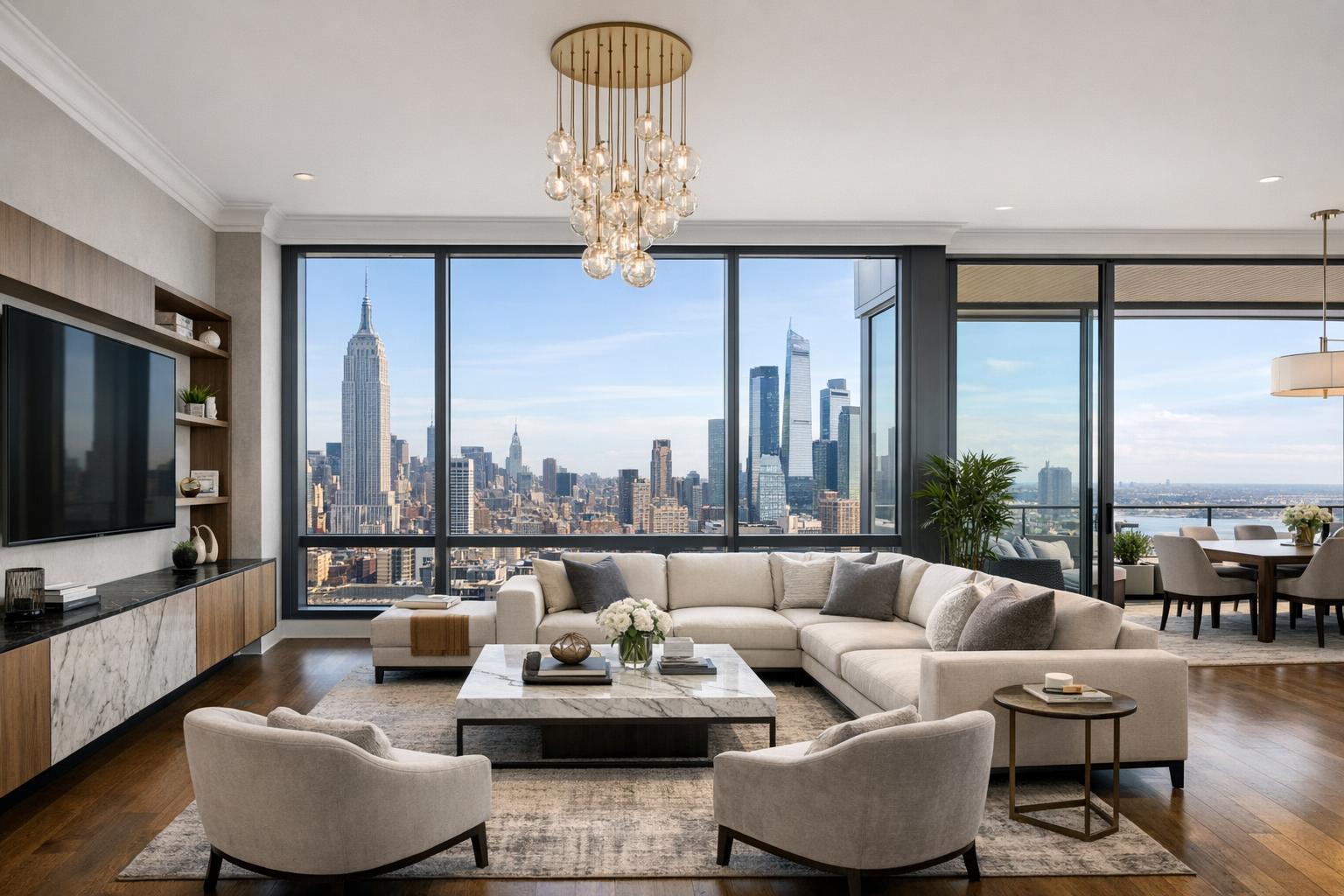
A stunning example of real estate photography in NYC, showcasing a luxurious living space with breathtaking skyline views through floor-to-ceiling windows.

The Ultimate Guide to Real Estate Photography in NYC: Boosting Listings with Professional Media
When it comes to real estate photography in NYC, first impressions aren’t just important—they’re everything. In a city where listings are stacked side by side across digital screens, professional photography gives agents, owners, and property managers a powerful head start. Clear, well-crafted visuals invite potential buyers and renters to imagine a property’s true potential before they ever step through the door.
This guide walks you through the essentials of New York City real estate photography, why high-quality visuals matter, the latest trends, and what it actually takes to capture images that move the needle on offers and showings.
Why Photography Is a Game Changer for NYC Listings
New York City real estate comes with its own set of challenges. Studio apartments need to tell a big story in just a few images. Brownstones and pre-war buildings might offer stunning details, but those details can easily get lost without the right composition. Each property benefits from visuals that show what’s unique about its space—and do so honestly.
Having sharp, inviting, and accurately edited photos does more than just fill a gallery. For agents, these images create a professional, consistent presence across all the places a listing might appear—MLS, brokerage sites, email campaigns, and social media. For sellers and landlords, knowing their property is presented in the best possible light can bring real peace of mind.
What Makes Great Property Photography in NYC?
Professional real estate photography isn’t about “stretching the truth”—it’s about clarity. It’s about making every square foot count, showing flow between rooms, and highlighting what makes each space feel special.
Light, Composition, and Storytelling
Capturing the right light is half the battle. In an Upper West Side apartment, getting both the skyline views and the living room mood in a single frame means balancing natural daylight with interior lighting. In Brooklyn brownstones, the warmth of the woodwork and the architecture’s rhythm deserve careful attention.
Strong real estate photographers focus on:
- Choosing the optimal angle for each room
- Mixing daylight and room lighting for warmth and clarity
- Guiding viewers visually from entry to main spaces
- Keeping lines straight and proportions accurate
- Editing for a clean, natural finish
Wide-angle lenses help in smaller NYC apartments, but pros know how to use them without introducing confusing distortion. Good editing straightens verticals, corrects perspective, and maintains an honest scale throughout.
Details That Make the Difference
The right set of images pairs broad room shots with a handful of thoughtful detail photos, such as:
- A marble fireplace in a Park Slope townhouse
- Stylish kitchen fixtures or custom cabinetry
- Expansive terraces or rooftop views
- Amenity-rich common spaces when relevant
Too many close-ups without context can leave buyers wondering about layout. The best portfolios strike a balance, telling the whole story of the home.
Prepping Your Listing: Small Efforts, Big Results
Even the best photographer can’t edit away clutter or poor light. Preparation is crucial. Agents and property owners should do a camera-ready walk-through before the shoot:
- Clear counters, shelves, and floors
- Remove personal photos, holiday decor, and visible cords
- Hide trash bins, laundry, and pet supplies
- Turn on all interior lights and replace burnt bulbs
- Make beds, straighten dining chairs, and tidy up bathrooms
- Open shades where privacy allows
- Ensure elevator codes, building access, and amenity details are provided ahead of time
Occupied homes don’t need to look empty—they should simply be as distraction-free as possible. A tidy, well-organized space lets the features shine.
Want a step-by-step room-by-room guide? Check out the RealtaSnap real estate photography prep guide.
Beyond Basic: Understanding Different Levels of Real Estate Photography
Not every NYC real estate shoot needs high-end production, but knowing when to go beyond basics can make all the difference.
Standard Coverage
This works well for studios, smaller one-bedrooms, or rental units that need straightforward marketing shots. Key areas—living spaces, kitchen, bathroom, view—should be photographed cleanly and efficiently. The photo count should fit the property, not an arbitrary quota.
Luxury and High-Detail Projects
Large homes, penthouses, and new developments often call for wider coverage: more photos, attention to architectural details, lifestyle shots, and supporting media like video or drone imagery. High-end listings benefit from images that show craftsmanship, unique amenities, and how someone might truly live in the space.
If you’re wondering whether to invest in premium coverage, ask: What would a buyer need to see to understand what sets this property apart?
Enhancing NYC Listings with Advanced Media
Photography is just the beginning. For some properties, extra layers of media can clarify what static photos can’t.
Video Tours: Movement and Atmosphere
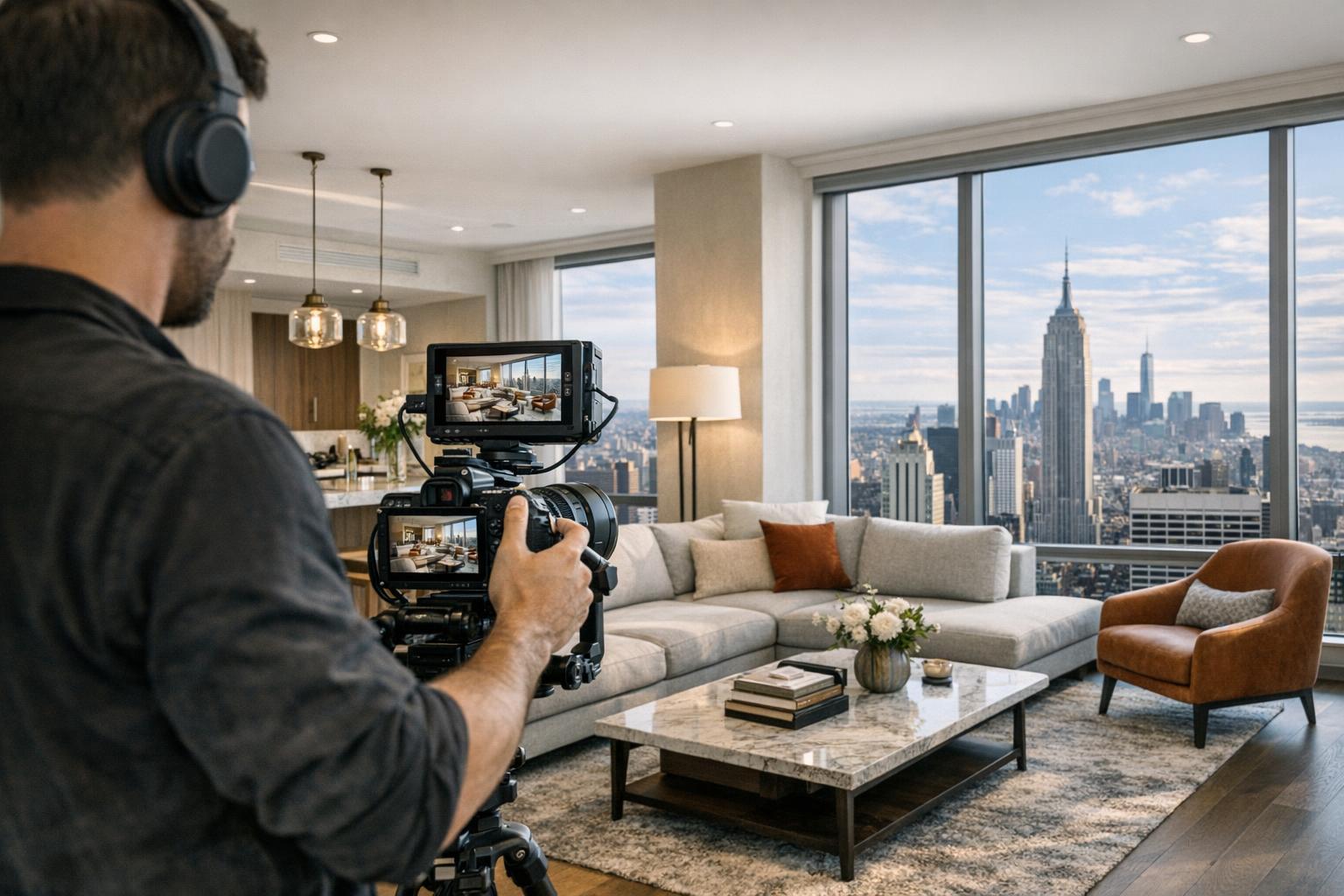
A true listing video shows the flow between rooms, captures moving light, and sometimes reveals connections that stills miss. These are best captured onsite for a smooth, intentional feel—not compiled from photo slideshows.
Explore more about real estate video services at NYC real estate videography.
3D Tours for Interactive Exploration
Matterport and similar 3D tours let remote viewers “walk” the property virtually. This is especially handy for relocation buyers, busy clients, or listings benefiting from detailed digital walk-throughs. Keep in mind: all 3D tours require on-site scanning—there’s no shortcut using photos or floor plans.
Learn how these tours work for local listings: Matterport virtual tours NYC.
Floor Plans: Making Sense of Layout
While images show finishes and style, floor plans answer layout questions for buyers. In NYC, where layouts can be quirky or unique, a visual map helps prospects understand circulation, room placement, and scale. Like 3D tours, floor plans must be captured on-site for accuracy.
Drone & Aerial Photography
Aerial imagery gives context—great for townhouses, lofts, multi-family homes, or anything with outdoor space. But NYC’s dense airspace has its rules. Drone flights are always case by case, depending on location, weather, safety, and pilot approval. Roof access can boost the odds, but coverage isn’t guaranteed everywhere.
Virtual Staging
For empty homes, AI virtual staging can transform a space, helping prospects picture a furnished room. This works best in decluttered, vacant rooms. If there’s still furniture, either have it removed before shooting or request clutter removal edits first for a natural result.
Choosing a Real Estate Photography Company in NYC
Photographers are not all alike. If you’re interviewing a real estate photographer in NYC, dig into the details:
- Does their portfolio show crisp images, true verticals, and consistent lighting?
- Is there quality work in smaller apartments as well as larger homes?
- Can they deliver video, drone, 3D tours, or floor plans as needed?
- How do they handle building access and shoot logistics?
- Is their editing process clearly explained?
- Do they set realistic expectations for virtual staging and object removal?
- Is booking and pricing transparent?
A trustworthy photographer will clarify what’s possible, what’s not, and how the whole process unfolds. A reliable workflow is as important as a pretty sample photo.
Listing Success Starts with the Right Visuals
Great real estate marketing in NYC boils down to preparation, the right media, and clear representation. Start with high-quality images that cover the essentials. Add video, 3D tours, floor plans, virtual staging, or drone footage only where they add meaningful context, not just for the sake of having more media.
If you’re looking for professional, market-ready photography and media services across NYC and New Jersey, RealtaSnap offers hassle-free booking, clear options, and an easy workflow that fits any listing—from compact rentals to showpiece penthouses.
See what’s possible for your next listing at www.RealtaSnap.com.
FAQ
Question: How many photos should I use for an NYC apartment listing?
Answer: The best photo count depends on your property’s size and features. Studios and one-bedrooms may need just a core set of images, while multi-bedroom apartments or homes with outdoor spaces benefit from more comprehensive coverage. Focus on showing every important room and feature clearly, rather than hitting a set number.
Question: Can I use virtual staging on a furnished or cluttered room?
Answer: Virtual staging works best for empty rooms. If there’s existing furniture, it should be removed or professionally edited out before staging is added. This keeps the final image clean and realistic, helping buyers imagine the space without distractions.
Question: Are drones always an option for NYC real estate photography?
Answer: Drone work in NYC depends on airspace, safety, and the property’s logistics. Not all areas allow drone flights, and feasibility is always reviewed by the pilot. If aerial media is important for your listing, discuss this early to assess what’s possible for your location.