Why Manhattan Real Estate Deserves Professional Photography: Drive Sales with Stunning Visuals
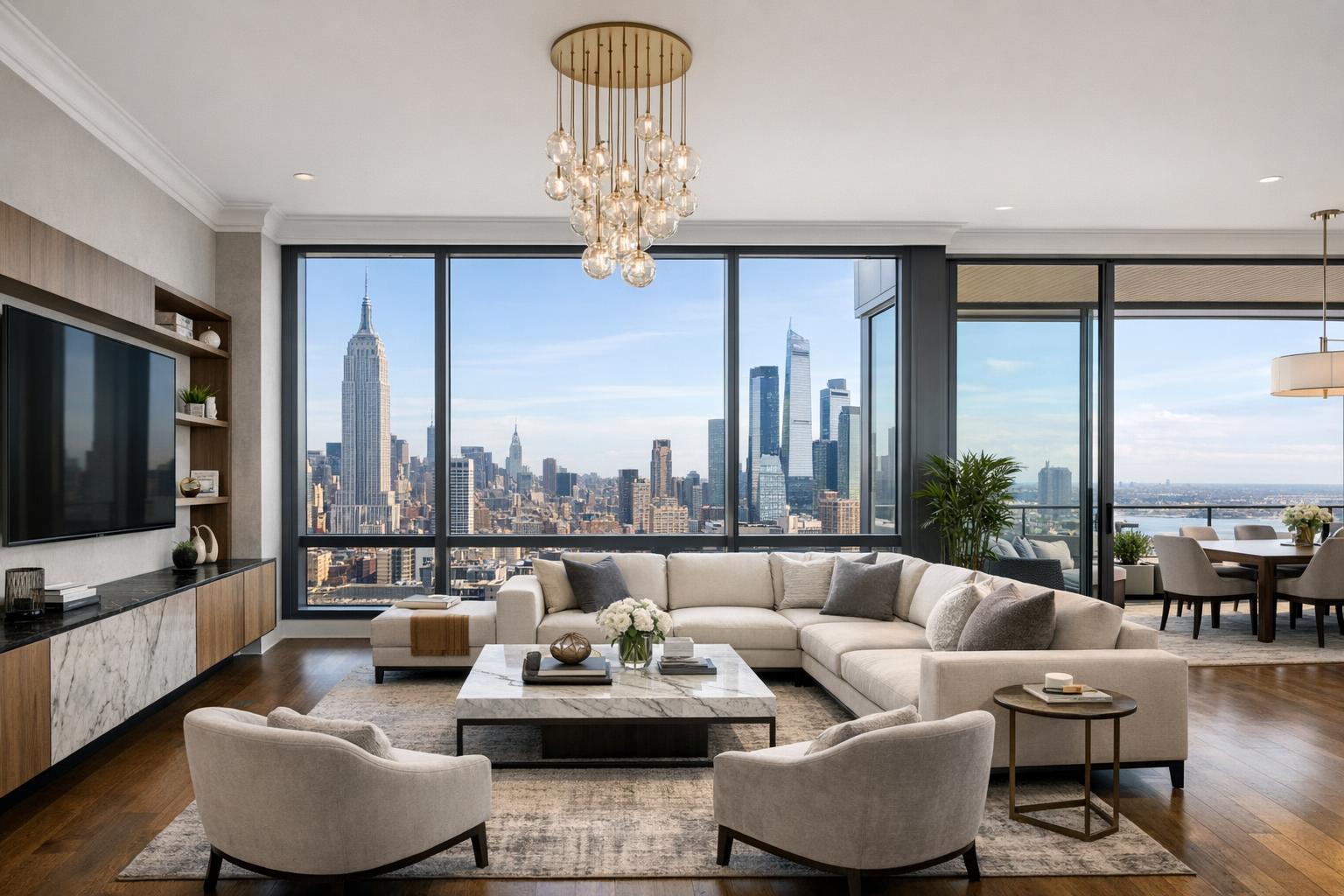
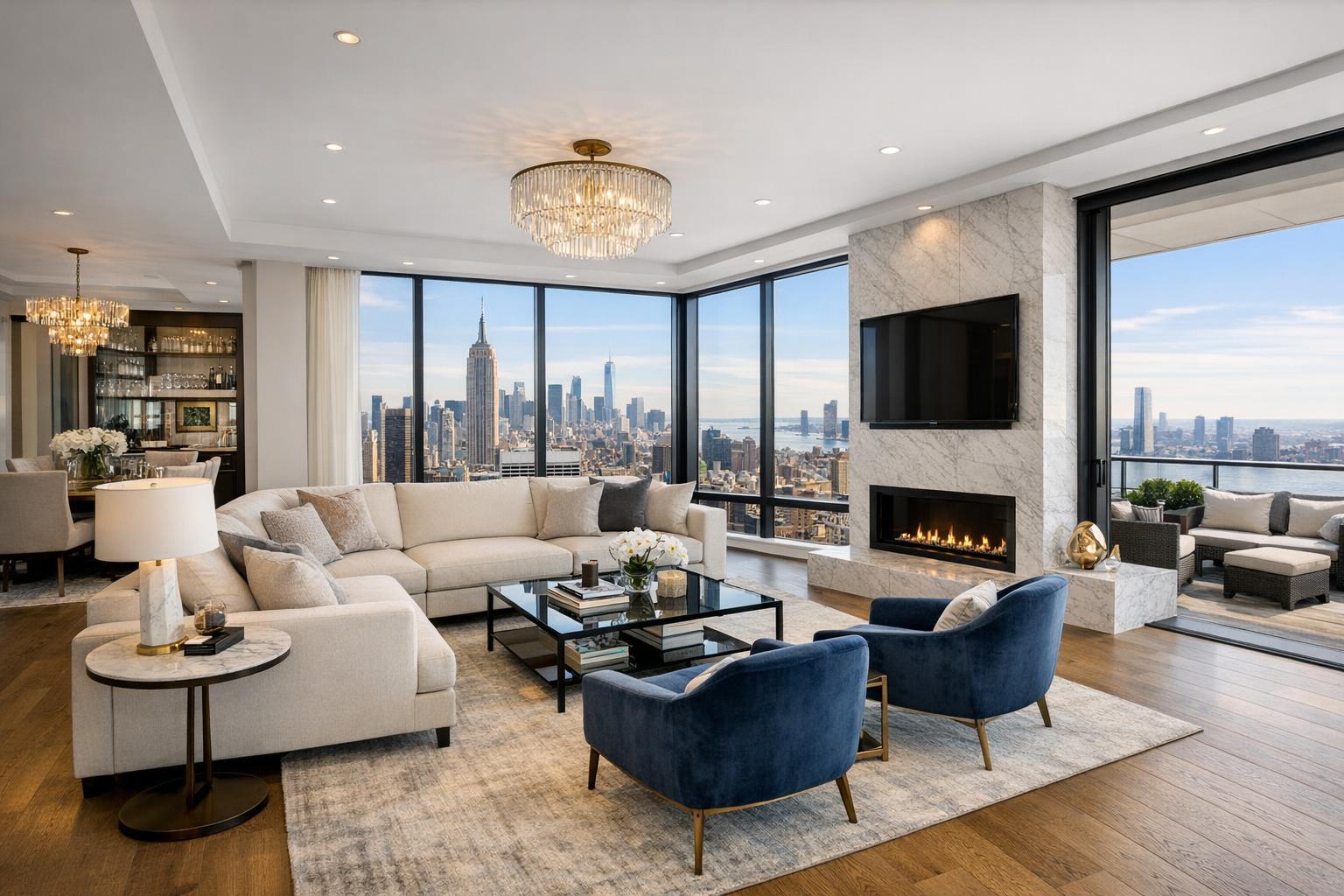
Captured by a Manhattan real estate photographer, the luxurious living room features expansive city views, elegant furnishings, and a modern fireplace.

Why Manhattan Real Estate Deserves Professional Photography: Drive Sales with Stunning Visuals
A manhattan real estate photographer is more than just someone with a nice camera. In New York’s competitive property market, the visual impact of a listing is often what gets a property noticed in the first place. Whether you're marketing a pre-war apartment, a glassy new condo, or a spacious brownstone, the photographs are usually a buyer’s first real introduction to your space. In a world where nearly every property search starts online, the way you present your listing visually can determine whether a prospective buyer explores further or keeps scrolling.
Why Great Photography Matters for Manhattan Listings
Manhattan apartments aren’t just measured in square feet—they’re defined by their unique architectural details, layouts, light, and, when you’re lucky, a killer view. Capturing these subtleties can’t be left to chance. Dim, rushed, or distorted photos won’t help buyers understand what makes your property stand out, and can even mislead or confuse.
Today’s buyers and renters often browse dozens of listings before scheduling an in-person tour. If your images miss the mark—maybe parts of a room are in shadow, the windows turn into glowing rectangles, or the space feels cluttered or cramped—your property may be overlooked, no matter how strong its features.
Here’s what a property photographer brings to the table that phone photos or quick snapshots can’t:
- Attention to lighting, making sure both interior and exterior views are visible and appealing
- Thoughtful composition, which means showcasing a room’s proportions, flow, and connections to other spaces
- Careful sequencing of images, so viewers can imagine moving through the property logically
- Dedicated shots for standout features, like built-in shelving, unique moldings, balconies, or roof decks
The best real estate photography does more than make a space look attractive—it helps buyers actually understand what it would be like to live there.
Beyond Basic Snapshots: How Professionals Add Value
Professional real estate photography in NYC goes far beyond using a high-end camera. It’s about understanding how to present each space honestly, attractively, and accurately, so potential buyers or renters can picture themselves in the home.
A skilled photographer knows how to:
- Avoid making rooms look artificially large or misrepresenting features
- Straighten vertical lines so doors, cabinetry, and windows look natural
- Balance exposures in rooms with both bright windows and shaded corners
- Maintain consistent color and tone across the image set
- Organize photos to logically explain the layout and flow of the home
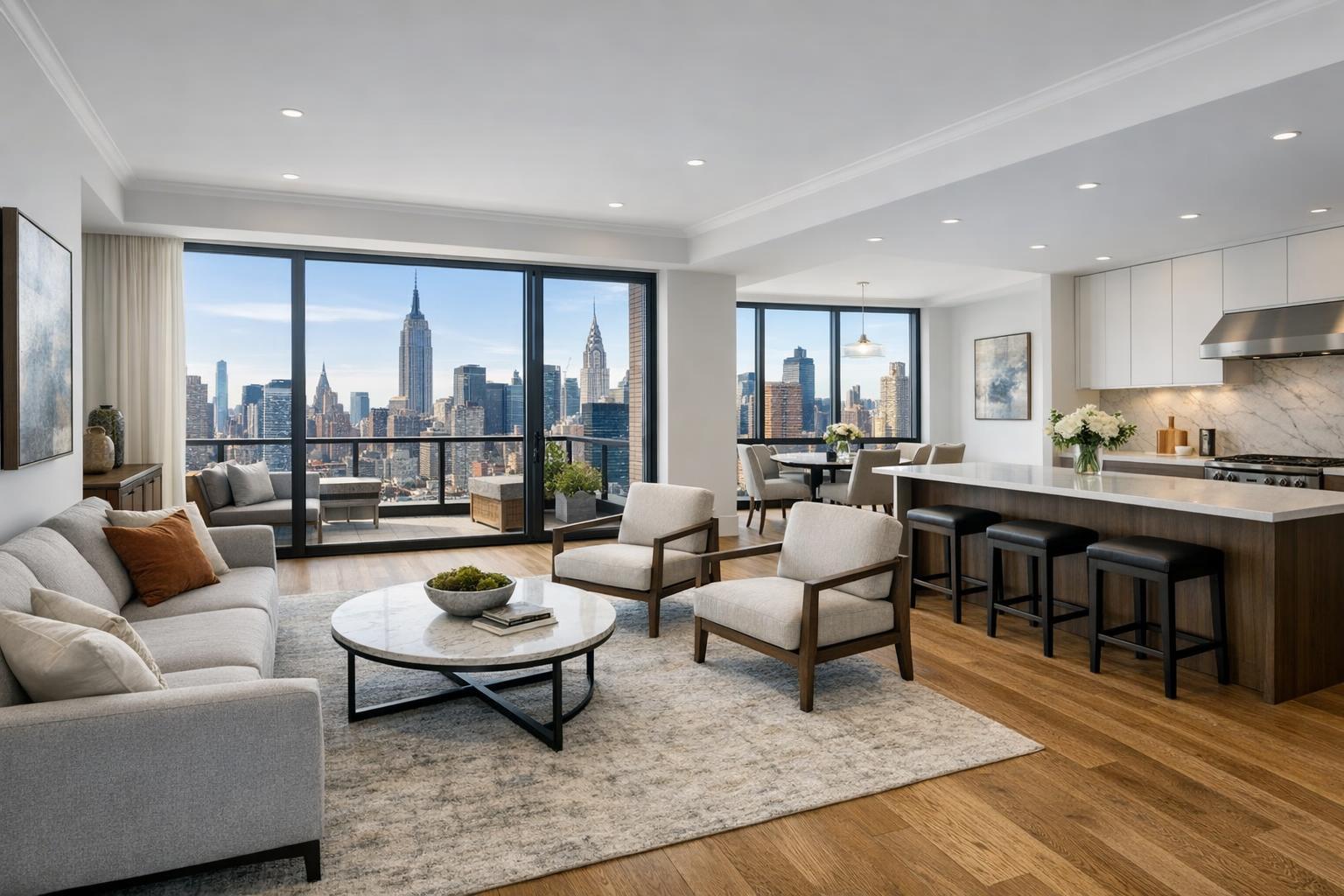
For example, in a Manhattan one-bedroom, a buyer may want to see zones for dining and relaxing, or how far the bedroom is from the living space. In an Upper East Side co-op, details like crown molding or custom millwork may help the property command a premium. In every case, clear, well-lit images make these distinctions visible online in a way rushed photos can’t.
The Power of Natural Light and Smart Composition
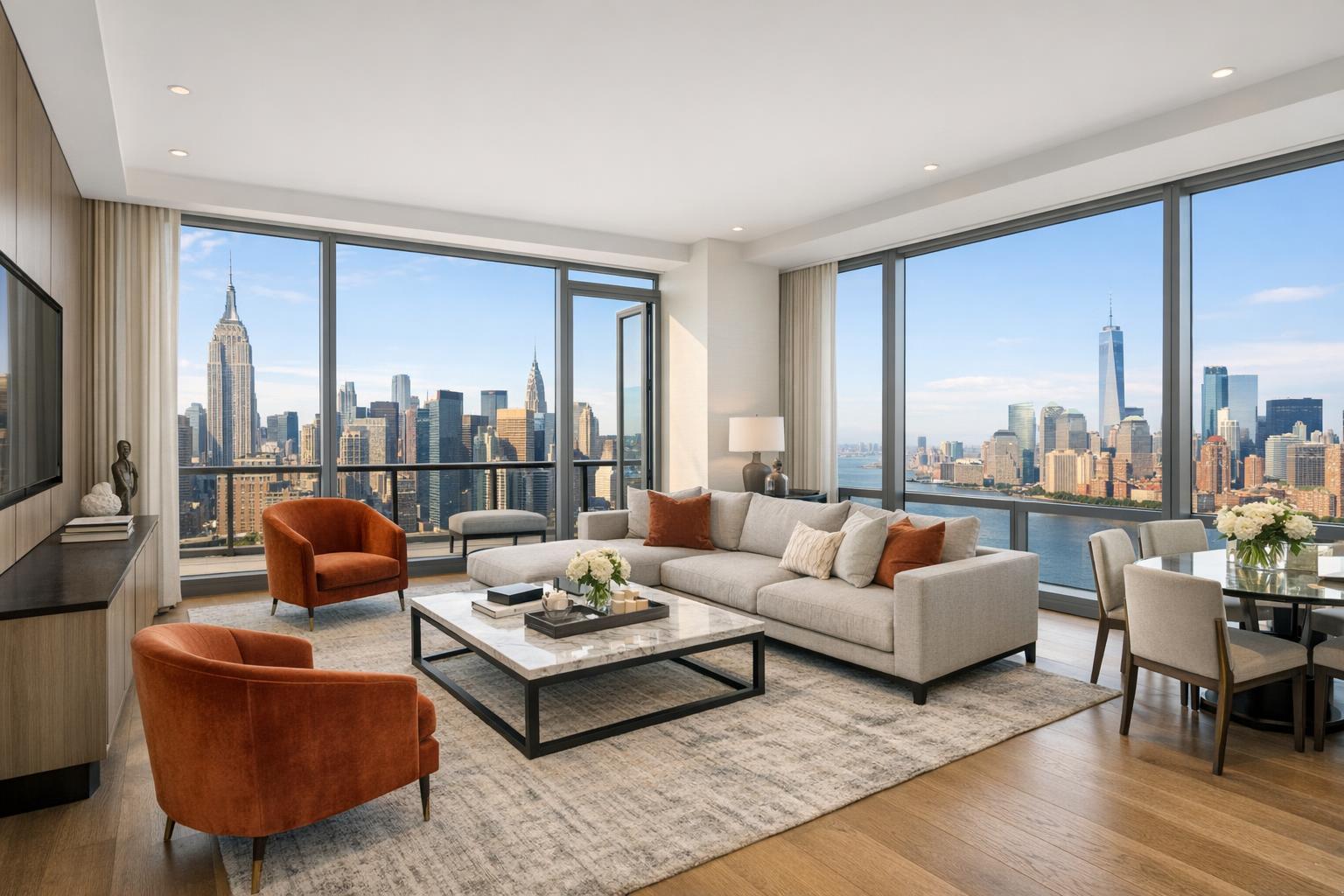
Light plays a critical role in New York real estate photography. In some homes, you’ll have south-facing windows pouring in daylight; in others, a garden-level space needs some extra care and expertise to avoid feeling dark or flat. Professional HDR (high dynamic range) techniques allow a photographer to show detail in both a bright city view and the shaded interior, giving buyers an accurate sense of the property.
Composition is just as important. Wide-angle lenses can be useful, but used carelessly, they may distort the space. The right angles and framing can show off both the size of a room and its best features—maybe it’s an open kitchen, or the relationship between a home office nook and the main living area. Done well, images help an online viewer “walk through” the apartment before ever stepping inside.
What Listing Photos Should Communicate
While phone snapshots are fine for quick updates or social media, marketing-grade images serve a bigger role. They’re the foundation for listings on major real estate platforms, brokerage sites, email campaigns, and even offline marketing materials.
Professional images deliver:
- Straight, undistorted lines
- Balanced light—no more blown-out windows or inky shadows
- Consistent color from photo to photo
- Framing that makes rooms appear organized and inviting
- Logical image sequences that help explain how the home is laid out
- Detail images only where they genuinely add information
A property photographer’s goal isn’t to mislead or over-edit but to create a bright, honest representation of the space. For properties with special features—maybe a high-end appliance package, restored architectural elements, or a landscaped terrace—these images help buyers see what’s unique.
Getting Ready for a Successful Real Estate Shoot
Even the best photographer can only do so much if the home isn’t prepared. In a Manhattan apartment—where storage is sometimes tight and every inch shows up in the pictures—a little preparation goes a long way.
Some practical tips before the shoot:
- Clear countertops of everyday items and clutter
- Remove magnets, notes, and personal photos from visible surfaces
- Make beds neatly and pick simple, coordinated linens
- Stow away pet bowls, litter boxes, and toys
- Open window treatments where privacy allows, maximizing natural light
- Double-check that all interior lights work and replace burnt-out bulbs
- Hide or remove laundry, bathroom products, and trash bins
- Rearrange furniture as needed to open up circulation and highlight key features
- Tidy up balconies, terraces, or outdoor areas to show usable space
- Confirm access instructions for buildings with doormen, elevators, or entry procedures
If your property is vacant, you may consider virtual staging—showing buyers what a space could look like with furnishings. Virtual staging is most effective when it’s used transparently and the base photos are clean and clear.
For more detailed property prep guidelines, RealtaSnap offers a helpful real estate photography preparation guide.
Photography Trends in Manhattan Real Estate
Not every trend in the world of real estate photography is worth following, but several current approaches fit New York well:
Bright, Clean Editing
Today’s buyers expect photos that look natural—over-processed images with saturated colors or blown-out highlights can make a listing feel less trustworthy or disconnected from reality. Balanced color, controlled window exposures, and natural brightness have quickly become the baseline for professional presentation.
Selective Detail Shots
Strategically included images (like a close-up of restored molding or a unique tile backsplash) add character, but the main focus should always be full-room and flow shots. Detail images support the listing’s story, but shouldn’t replace essential room perspectives.
Media That Explains the Home
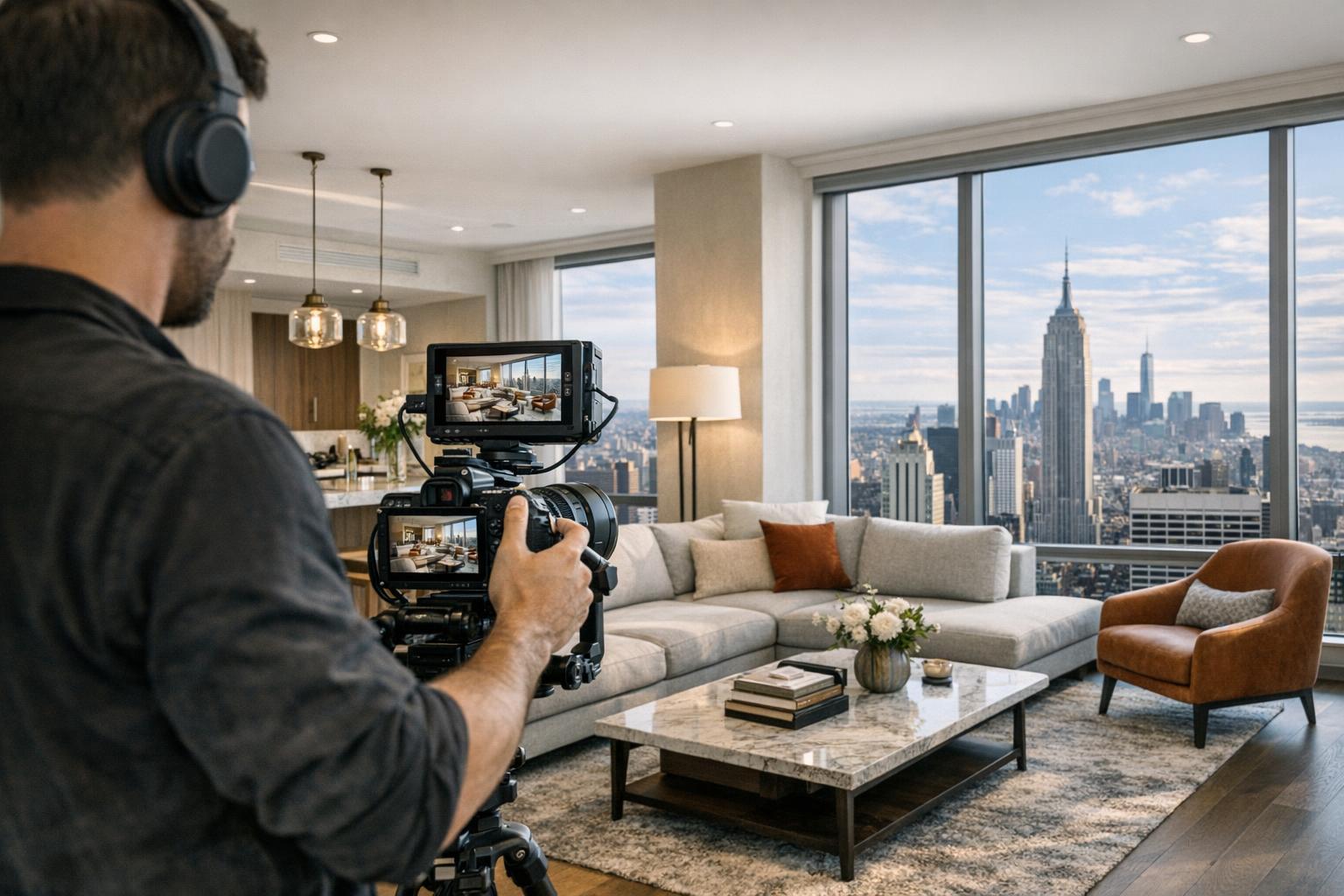
Static photos remain the bread and butter, but floor plans, short videos, and (when practical) 3D tours can help buyers understand flow and scale, particularly in larger or uniquely arranged Manhattan homes. Not every listing needs every media format—a studio may only require a compact photo set and a floor plan, while a high-end luxury property or complex layout could benefit from additional tools.
For properties with significant outdoor space or a location-driven appeal (like a rooftop or park-facing terrace), drone images may add real context, always subject to airspace, weather, and access rules.
Choosing the Right Manhattan Photographer
Finding the best property photographer for a Manhattan listing comes down to more than just liking a few portfolio shots. When considering who to hire, ask:
- Has the photographer captured a range of Manhattan property types and sizes?
- Do the photos look bright, balanced, and true to life?
- Are vertical lines and proportions carefully kept intact?
- Is there a clear understanding of photographing NYC’s changing light, city views, and unique layouts?
- Do the images help explain the property’s flow and defining details?
- Is there an option for complementary services like floor plans, drones, or video when needed?
- Are booking expectations, deliverables, and prep requirements clearly communicated up front?
Don’t just review highlight images—ask to see a full set from a similar listing for a true sense of what you’ll get.
The RealtaSnap Difference
For listing agents, property owners, or brokers looking for elevated Manhattan real estate photography, RealtaSnap focuses on sharp, inviting images that emphasize natural light and bright, editorial presentations. Packages typically range from 10–50 images, and additional media coverage is available to suit the needs of each property—not simply bundled for the sake of it.
When a property calls for it, RealtaSnap can also capture advanced floor plans or listing videos (always shot on-site—not from stills). Drone and virtual staging services are available where appropriate and when conditions allow, following all local, FAA, and building rules.
For those ready to book or just looking to see what’s included, you can review RealtaSnap’s real estate photography services for more information. Examples of current work, preparation tips, and answers to common questions are also available on the site.
Put Your Property’s Best Features Forward
In Manhattan, every square foot counts—but so do the bigger-picture qualities: proportions, lighting, architectural craftsmanship, outdoor access, and that all-important sense of “home.” Quality photography gives these attributes the attention they deserve and helps buyers walk into a showing already understanding what makes your property special.
If you’re preparing a Manhattan listing and want a solid visual foundation, start with a well-organized apartment, a plan for key shots, and professional photography that’s true to the space. To learn more or schedule your listing, visit www.RealtaSnap.com.
FAQ
Question: How many images should I include for my Manhattan property listing?
Answer: The right number of photos depends on the size and features of your apartment. A studio generally needs fewer images, while a multi-bedroom or amenity-rich property benefits from more. Aim for a complete but concise photo set that covers every important space without unnecessary repetition.
Question: Is staging required before professional real estate photography?
Answer: Staging can make a meaningful difference, especially when it helps define spaces or gives buyers visual context in an empty property. At minimum, focus on decluttering, cleaning, opening blinds, and removing personal effects. Virtual staging is an option for unfurnished spaces and is most effective when the room is clean and ready.
Question: Can professional photography capture my apartment’s view accurately?
Answer: Yes—an experienced photographer will plan for both the interior and the view, using HDR techniques and careful editing to ensure exterior scenes are visible and true-to-life. Cleaning windows and prepping window-adjacent spaces can also make a big impact in the final result.