What to Look for in Real Estate Photography for NYC Listings
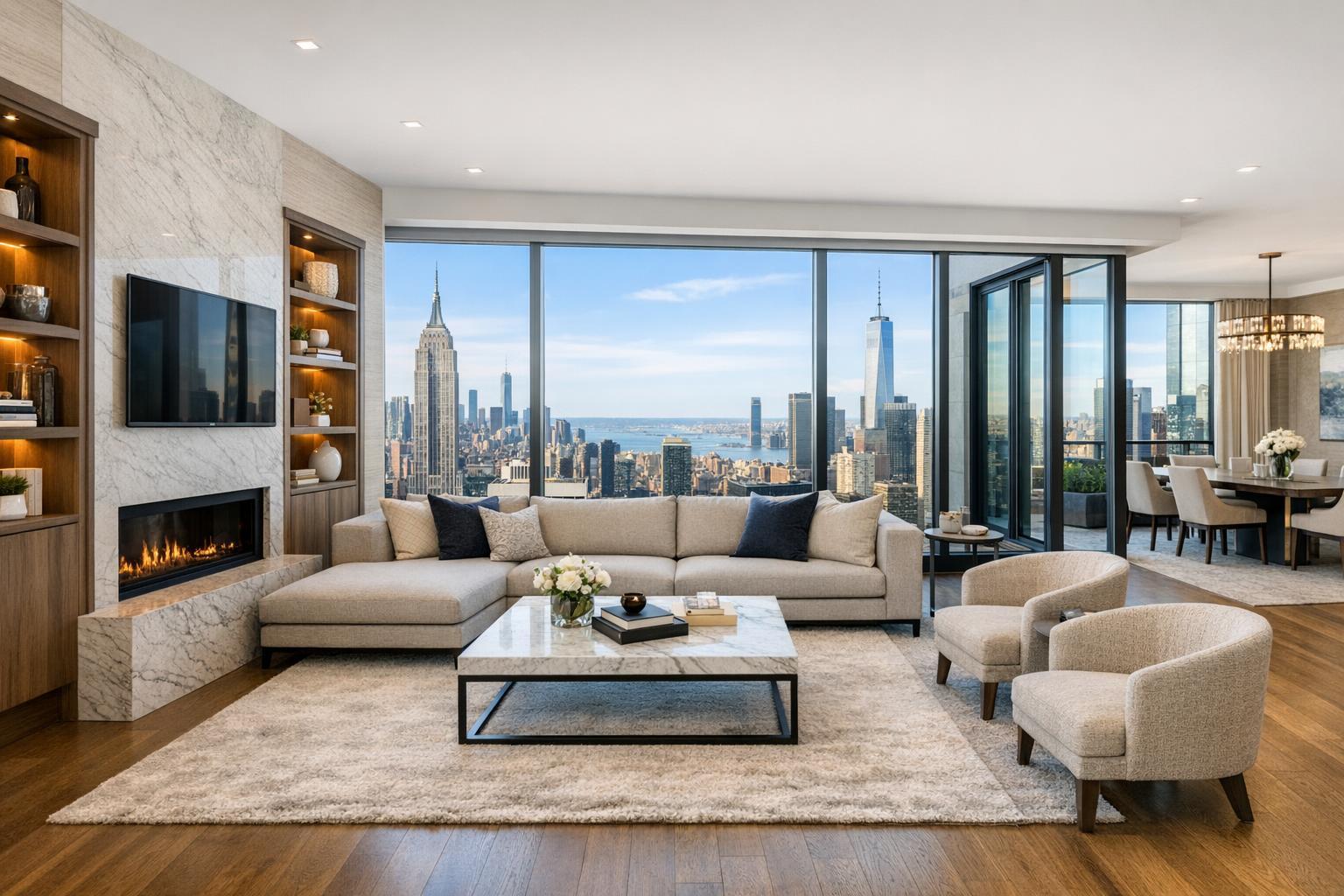
A luxurious living area in a high-rise apartment features a spacious, modern design with floor-to-ceiling windows offering a stunning city skyline view.

What to Look for in Real Estate Photography for NYC Listings
Real estate photography for New York City listings is more than a box to check on your listing prep list. Whether you’re an agent or an owner, the media you choose will shape how buyers or renters feel about your property—usually before they’ve even stepped foot inside. In a fast-paced market like NYC, where each listing is packed with competition, strong images make the difference between an overlooked scroll-by and an inquiry.
But what actually goes into getting professional property photos that reflect your space and draw genuine interest? It’s not just about finding a portfolio full of beautiful shots. A deeper look at the photographer’s approach, technical skill, and workflow can help ensure you’re making the right choice for your listing.
Evaluating More Than Just a Pretty Portfolio
A smooth real estate shoot in NYC presents its own set of challenges, far beyond just clicking the shutter. Properties may offer limited daylight, compact layouts, eye-catching city views, and glossy or reflective finishes. Schedules can be tight, and building access isn’t always straightforward. Look for a real estate photographer who has proven they can handle:
- Mixed lighting (from window glare to dim hallways)
- Small and awkward spaces, like studio nooks and entryways
- Exterior shots through busy sidewalks or over parked cars
- Respect for occupied spaces and personal items
- Building rules, doormen, or elevator timing
A strong portfolio is a start, but the real test is whether a photographer’s galleries show consistent handling of these specific NYC scenarios.
Authentic Lighting—Not Over-Processing
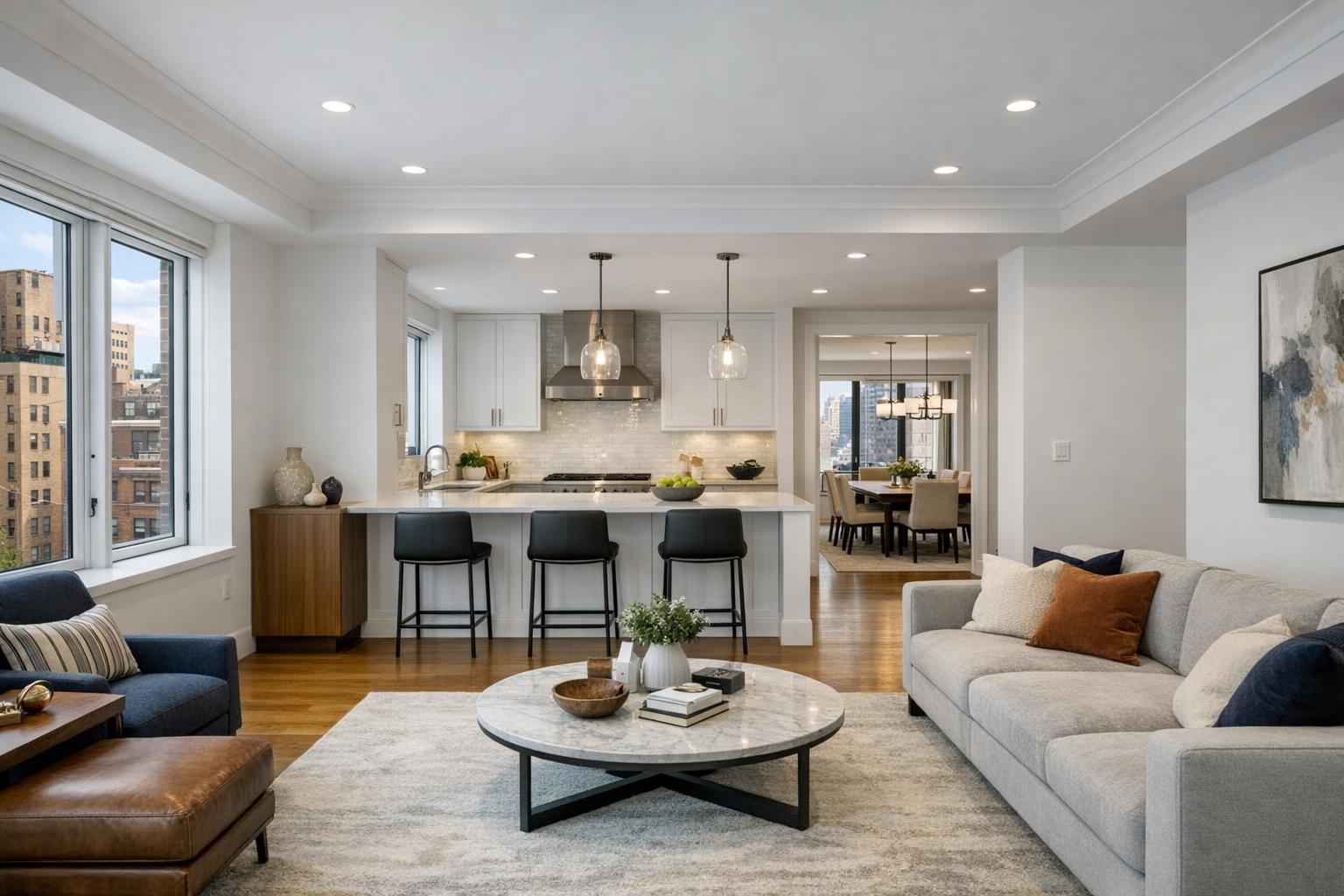
One of the principal marks of great listing photography is natural-looking light. In New York City, this might mean striking a careful balance in a room with sunlight streaming through dramatic windows but deep shadows just steps away. Professional images should allow viewers to understand the space—showing material details, color, and mood—without flattening everything to an artificial “lit-from-all-sides” effect.
Here’s what you want to see:
- Room layouts and depth that are easy to understand
- Accurate colors and visible material textures
- Window views that feel present, not blown out or digitally replaced
- Details in both the brightest and darkest areas
Beware of images with pasty, grayish walls, super-bright halos, or artificially blue window views. Strong editing is meant to clarify, not distort, what makes the property special.
Balanced and Believable Window Exposures
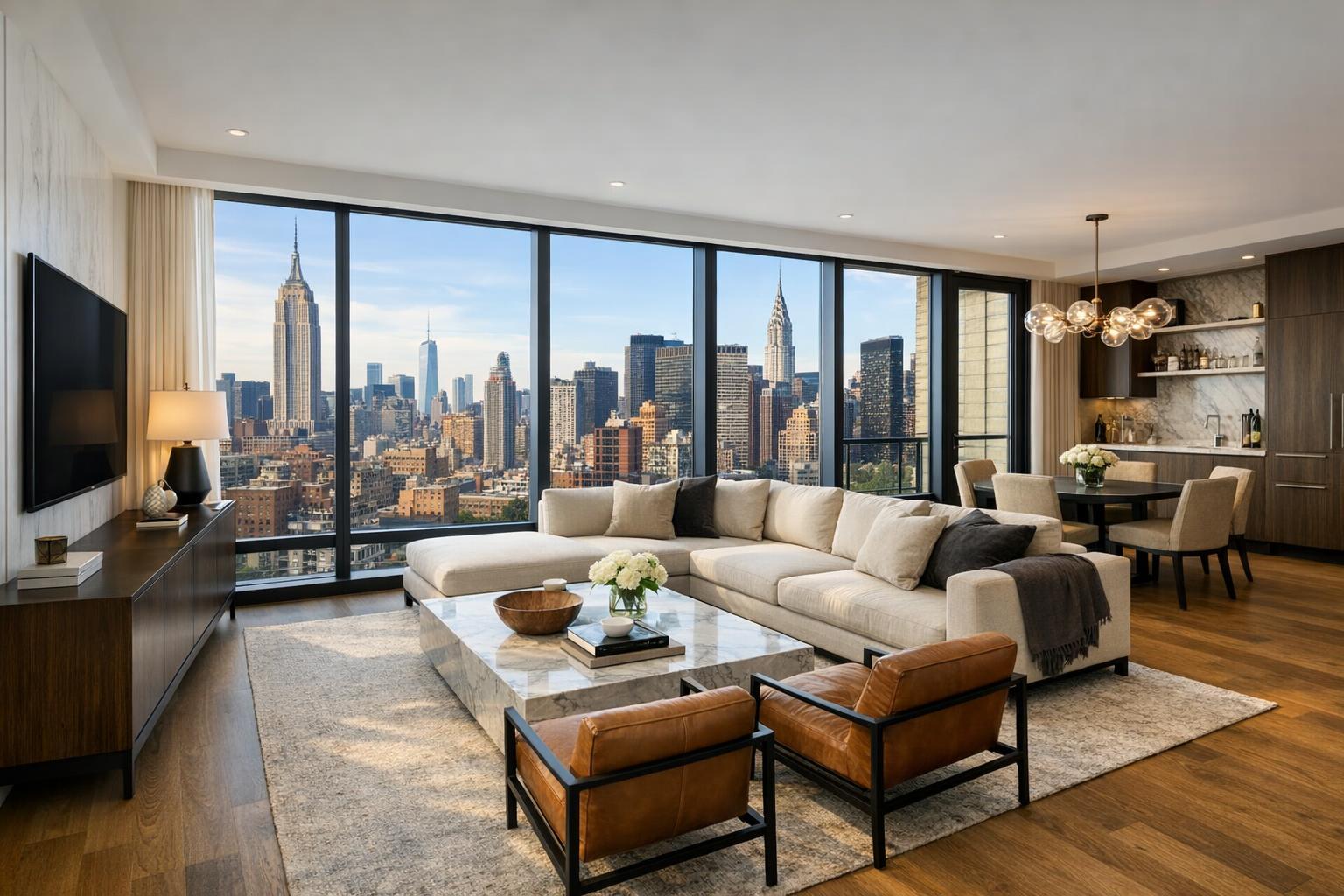
Windows are often the “money shot” in an NYC home, whether it’s a skyline view, leafy courtyard, or just a rare rooftop glimpse. But they’re also a technical challenge. Pictures that prioritize only the interior light often lose all exterior context to a sheet of white. Shots that expose only for the window reduce the rest of the room to a murky cave.
Talented photographers blend these extremes for a balanced, believable image—showing what’s outside without sacrificing the feel of the room itself. If your property has oversized windows, a terrace, or a view that’s central to the value, ask to see how the photographer approaches similar situations in their past work.
Keeping Lines Straight and Proportions Honest
Wide-angle lenses are a staple in real estate photography, but in clumsy hands, they can warp vertical lines and balloon the real size of a space. This is more than just a minor detail; it can influence how buyers and renters imagine the flow and proportions—setting expectations that reality might not match.
When reviewing any sample gallery, check for:
- Straight walls, door frames, and cabinetry
- Level horizons in both interior and exterior images
- Consistent perspectives that don’t make compact spaces look cavernous
- Furniture and fixtures that retain their real shape and size
Sustainable trust in your listings depends on images that tell the truth—even when the truth requires finesse.
Show Us the Real Room Flow
A picture can’t replace touring a space, but it can reveal how rooms work together and what you can actually do with each area. This is especially important in NYC, where square footage is gold and buyers scrutinize every possible use. The best real estate photographer NYC agents turn to will always favor honesty about room flow and layout.
A good set of listing photos will make it obvious:
- Where you might reasonably put a dining table or small home office
- How a studio is zoned between living, sleeping, and kitchen spaces
- Whether or not a guest or nursery space is possible
- How hallways, terraces, or unique architectural details connect
If every shot seems to be hiding door locations or relying on mysterious angles, it may not serve your listing well in the long run.
Visual Consistency Tells a Smoother Story
Stepping through a photo gallery should feel like moving naturally through the home. Big jumps in color temperature, contrast, or exposure from room to room can break this illusion and leave buyers distracted.
Look for:
- Consistent color and brightness from shot to shot
- Finishes (like tile or paint) looking the same in different rooms
- Editing that’s balanced, not wildly varied, across bathrooms, kitchens, and views
Before you book a shoot, ask to see full galleries—especially for properties similar in size or condition to yours.
Preparation Comes First: Set the Stage for Success
Even the best real estate photographer can’t fake a well-prepared space. In NYC’s snug apartments, brownstones, and busy condos, excess items and visual clutter show up immediately in listing photos.
Before your appointment:
- Remove countertop appliances, cleaning supplies, and visible cords
- Put away personal items, overflowing shelves, and paperwork
- Hide pet beds, toys, and food bowls
- Straighten or remove any extra furniture crowding the walkways
- Clear bathroom counters, replace towels, and put away laundry
For occupied spaces, take a final walk-through with the agent or photographer’s shot list in mind. Try to leave permanent features—view, fireplace, built-ins—easy to see and not blocked by last-minute clutter.
A light touch with décor is fine, but too many small objects create confusion in photos. The cleanest presentation lets the property do the talking.
What Listing Photography Can (and Can’t) Do
Professional property photos are designed to show your listing at its best, but there are limits to what’s possible or appropriate through post-production. Routine editing can correct light, color, and minor objects, but it’s not a replacement for proper cleaning, decluttering, staging, or repairs.
At RealtaSnap, for instance, all photography, video, floor plans, and 3D tours are captured on-site and edited for a clean, market-ready look. Permanent building features aren’t digitally changed, and heavier changes—like clutter or virtual staging—should be handled through specific service add-ons and with the right prep. AI-based virtual staging is intended for empty rooms. If a space still has furniture or clutter, those items will appear unless a clutter-removal edit is ordered and completed first.
Setting expectations before the shoot helps avoid unwanted surprises and ensures your final gallery is as strong and honest as possible.
When to Consider Complementary Media
While crisp photos are the primary tool for most NYC listings, some properties benefit from supplemental media:
- Floor plans clarify circulation and layout, especially in large homes, walkups, combination units, or complex condos. These are drawn from on-site scans—and require physical access.
- Video walkthroughs are powerful for showing transitions, flow, and indoor-outdoor connections. These are always captured as video on-site, not created as photo slideshows.
- 3D virtual tours let remote buyers explore a space interactively at their own pace—ideal for out-of-town clients or unique layouts.
- Aerial media (photos or video) can be a fit for listings with land, outdoor amenities, special views, or distinct exteriors. In NYC, aerial work is handled case by case—airspace, weather, and building access matter, and every drone flight is subject to feasibility and safety constraints.
Only add extra media if it genuinely answers common questions about the property layout, view, or value—not just to pad the listing.
Choosing the Right Photography Partner in NYC or NJ
Selecting a photographer for your NYC or New Jersey listing isn’t just about the “wow” image. Dig deeper:
- Ask for full galleries of properties similar to yours, not just highlight reels
- Review how they handle challenging light, window exposures, compact rooms, and occupied spaces
- Confirm what services are included and what add-ons are possible
- Share all relevant building rules, access info, and special requests early
- Make sure you understand the flow and expectations for booking, payment, and delivery
For a straightforward, online booking process, RealtaSnap clients can reserve services, add notes, and choose an appointment—right from the scheduling page at www.RealtaSnap.com/schedule. Payment is handled at checkout.
With clear expectations and expert on-site work, accurate and appealing listing photos are well within reach. To explore RealtaSnap’s clean, listing-focused media services for NYC and New Jersey, visit RealtaSnap’s real estate photography services.
FAQ
Question: How many professional photos does an NYC real estate listing usually need?
Answer: The right number depends on your property’s size and features. A compact studio in Manhattan often calls for a tightly focused set—main room, kitchen, bath, essential details. Larger condos, brownstones, or homes may need broader coverage to show bedrooms, multiple levels, outdoor areas, and unique details, making sure nothing important is left out.
Question: Can I photograph a lived-in apartment, or does it need to be empty?
Answer: You can absolutely show a property with lived-in furnishings, as long as the space is clean and visually organized. Personal items, cluttered surfaces, or oversized furniture can make photos feel busy or cramped. Decluttering before the shoot generally has a bigger impact than digital cleanup after the fact.
Question: Is adding a floor plan to my listing worth it?
Answer: Floor plans offer real value when the property’s layout isn’t obvious from photos alone. They can help buyers or tenants understand room size and flow in multi-level homes or irregular apartments. RealtaSnap’s floor plans require a brief on-site capture at the property.
Ready to set up a photography appointment for your next NYC or NJ listing? You’ll find clear booking and service details at www.RealtaSnap.com.