Why Every NYC Listing Needs Professional Real Estate Photography in 2024
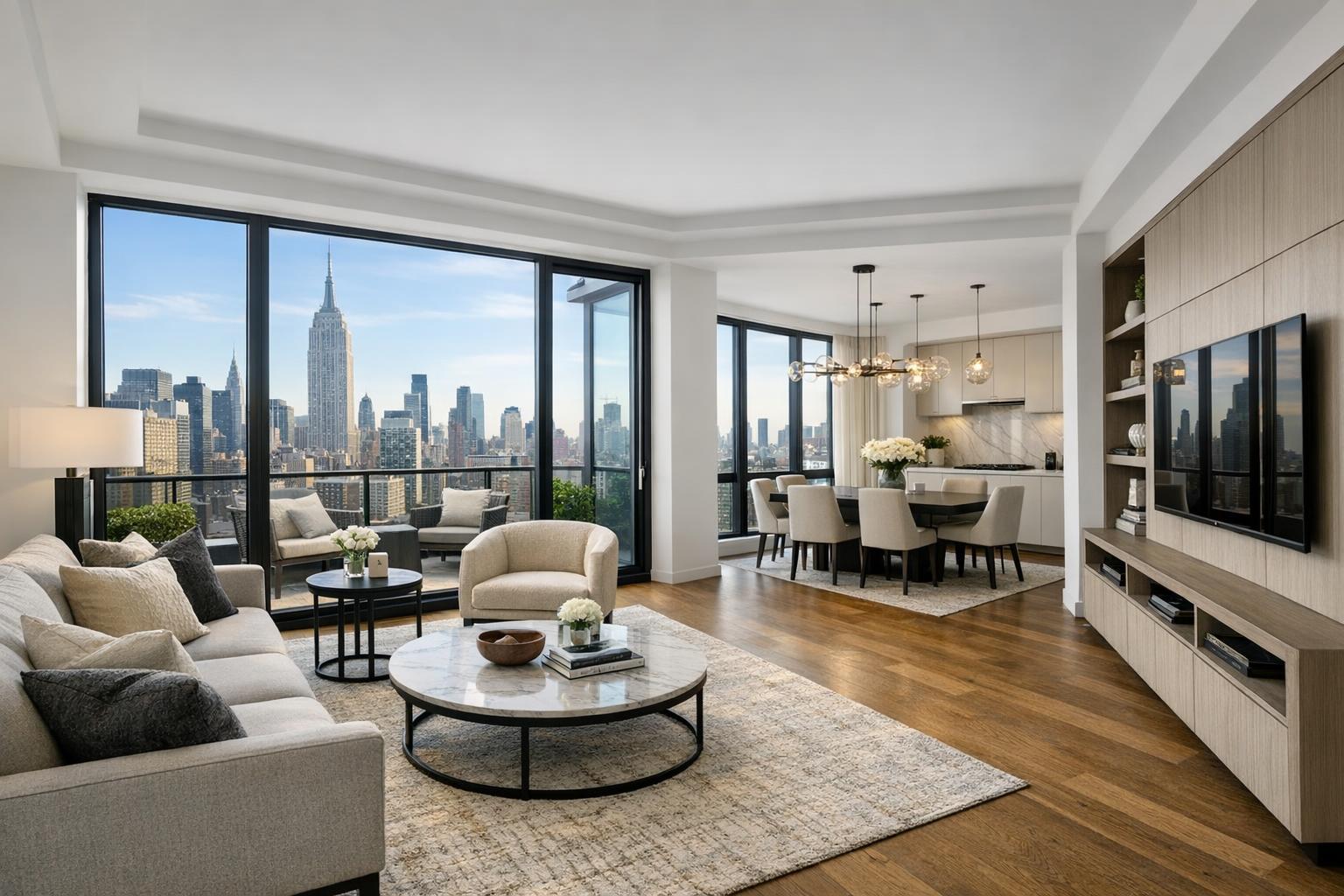
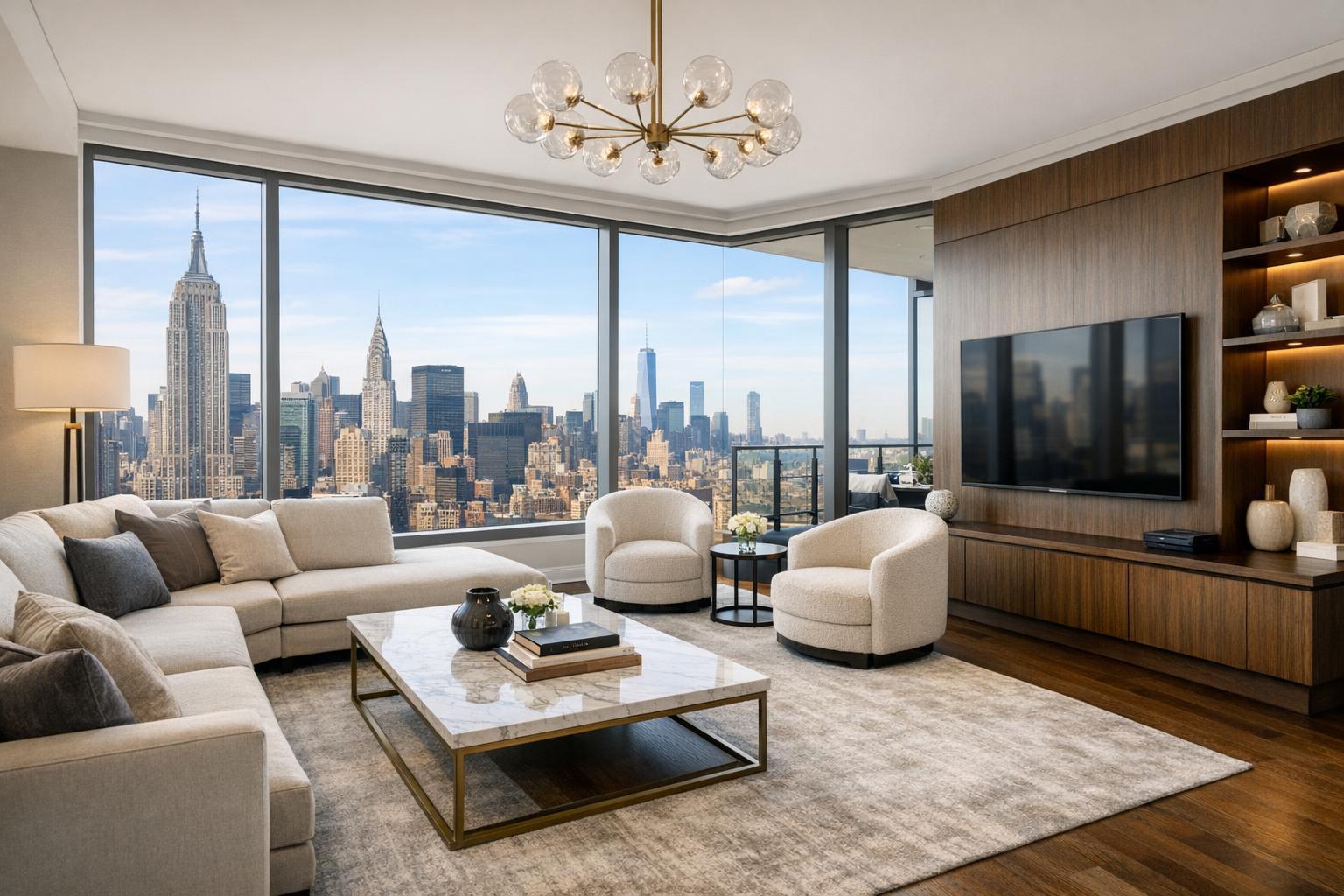
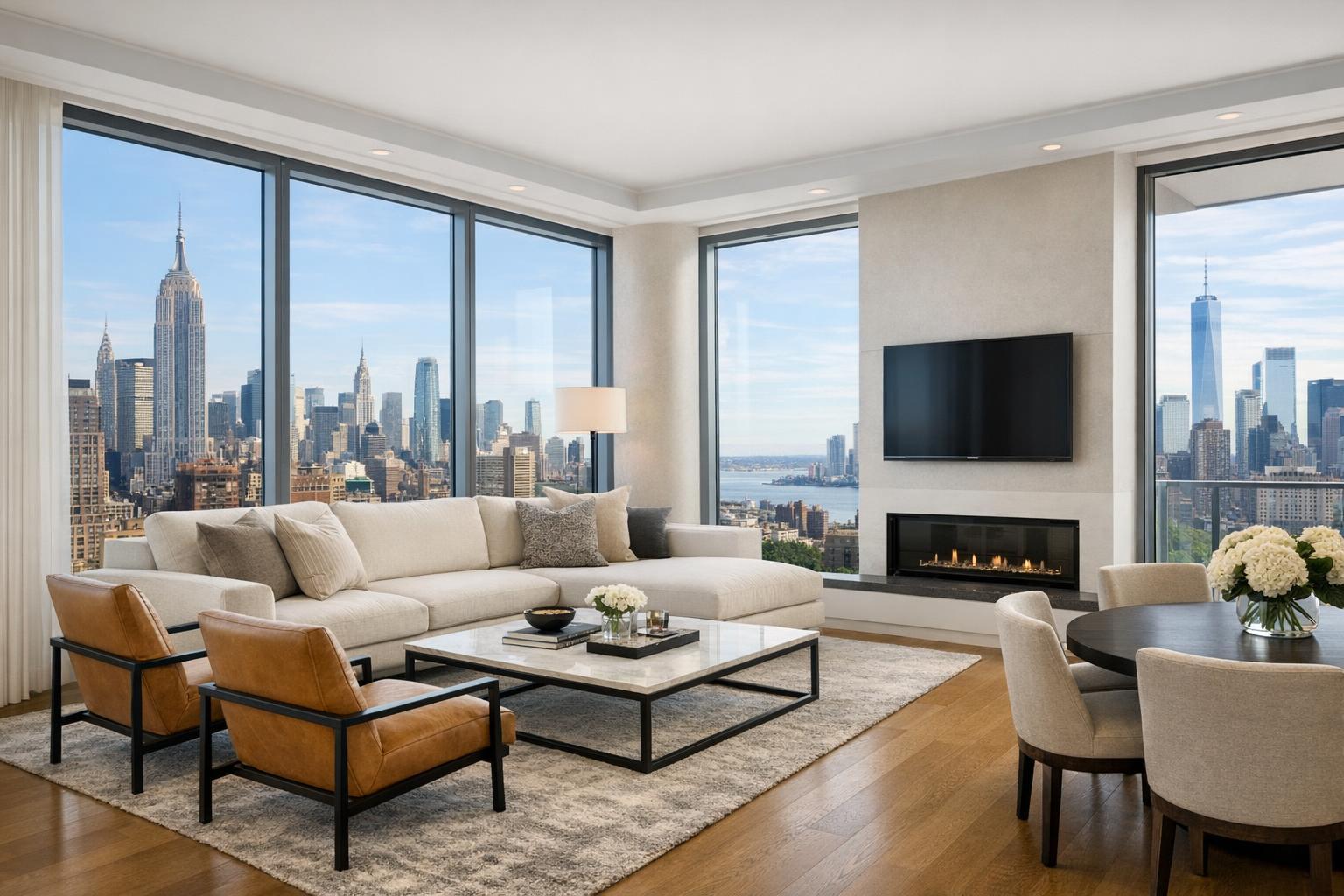
Real estate photography in NYC captures a luxurious living room with modern furnishings and expansive windows offering a stunning skyline view.

Why Every NYC Listing Needs Professional Real Estate Photography in 2024
Real estate photography in NYC does more than simply record a set of rooms—it frames the first impression every potential buyer has of a property. In a city where buyers scroll through compact co-ops, bright Brooklyn brownstones, sparkling new condos, and sought-after rentals all in one sitting, the visual presentation is your listing's chance to stand out.
The Impact of Images in NYC Real Estate
Most NYC buyers begin their search online, quickly flipping through thumbnail galleries. The images used in your listing aren’t just placeholders—they fundamentally shape the early viewing experience. Clear, intentional, and believable photos:
- Help buyers understand spatial flow and room relationships at a glance.
- Showcase light, views, and details that set a property apart.
- Encourage buyers to explore a listing for more than a few seconds.
For example, a Manhattan studio's functional layout or a Brooklyn townhouse’s original staircase might be overlooked in poor photos, but brought instantly into focus with professional coverage.
Why Professional Photography Makes a Difference
There's more to professional real estate photography than having a good camera or using wide lenses. NYC homes are famously challenging to photograph: natural light can be limited, spaces might be tight, and city views demand careful balancing of exposure.
A professional real estate photographer in NYC brings both experience and strategy—knowing how to highlight a property's best aspects while ensuring the results feel honest and inviting. Here’s how:
Composition for Clarity, Not Illusion
In smaller city spaces, making a room look larger is less important than making it understandable. A thoughtful composition will:
- Reveal practical room shapes and circulation.
- Show connections between the kitchen, living, and dining spaces, or among multiple floors.
- Present the full sequence of a loft or townhouse without making the set feel disjointed.
Balanced Exposure: Letting Every Detail Shine
NYC apartments often have a tricky mix of bright windows and shadowed corners. Professional HDR techniques capture a wider range of light, so you see both the detail in a sun-soaked skyline view and the nuanced tones of stone countertops or hardwood floors.
Credible Perspective for Buyer Trust
Nothing derails trust faster than photos with leaning walls or warped proportions. A good photographer corrects verticals and perspectives in post-production, so the property looks as it truly is—especially important in spaces with unique architectural lines or high-end finishes.
Side-by-Side: Smartphone vs. Professional Service
Not every photo tells a useful story. Here’s how amateur snapshots stack up against a dedicated real estate photography experience:
- Amateur: Photos are snapped quickly, often from wherever the shooter happens to be standing—resulting in uneven light, distorted rooms, and visible clutter.
- Professional: Images are intentionally composed, light is balanced, and distracting elements are managed or removed. There’s a natural order to the sequence so viewers can imagine moving through the home.
Professional real estate photography isn’t about hiding flaws—it’s about making the space understandable and attractive without creating unrealistic expectations.
Preparing Your NYC Listing for a Successful Shoot
The process doesn’t start when the photographer arrives. Agents and sellers can get far better results by preparing beforehand:
- Declutter major surfaces, especially in kitchens and bathrooms.
- Simplify bedrooms—make beds, minimize nightstand items, store away toys, pet gear, or excess decor.
- Open shades and check lightbulbs.
- Move vehicles if there are exterior shots.
- Notify residents or staff to maintain clear access.
In NYC, where even well-designed apartments can feel smaller with excess stuff, streamlining makes a big difference. If certain objects must remain, discuss possible paid clutter removal edits with your photographer.
For more preparation tips and a printable checklist, see RealtaSnap’s real estate photography prep guide.
How Many Photos Does a Listing Really Need?
More photos aren’t automatically better. The best number depends on the property:
- Studio apartments may need focused coverage (main room, kitchen, bath, view, building exterior).
- Larger units or townhouses benefit from images showing each room, features, and logical flow—but without repetitive angles.
- Exteriors, amenities, and outdoor areas are included as needed.
RealtaSnap’s photography packages are tailored by property type, usually starting at around 20 photos for standard listings, with options for expanded sets as needed. This keeps your listing visually engaging without overwhelming buyers with redundant views.
Advanced Add-Ons: More Than Just Still Photos
While great photos should remain the foundation of your marketing, some NYC listings benefit from additional media—especially when special features or unique layouts are involved.
Virtual Staging
Empty homes can be tough for buyers to imagine furnished. Virtual staging places digital furniture into a clean, vacant room, helping viewers better picture the space’s potential. Just remember: for the best results, rooms should be decluttered and truly empty before staging is applied.
Drone Photography
For listings with roof decks, gardens, water views, or properties that deserve an aerial perspective, drone images add valuable context. In NYC, aerial work is always dependent on airspace restrictions, safety, weather, access, and pilot judgment.
Learn more about what’s possible at RealtaSnap’s drone photography NYC page.
3D and Matterport Tours
If your property has a complex layout or attracts out-of-town buyers, a Matterport tour lets remote viewers explore at their own pace. Like professional stills, these require careful on-site capture and preparation—and make a big difference for spatial understanding.
For details, see the Matterport virtual tours info page.
Choosing the Right NYC Photographer: What to Ask
Don’t just browse sample albums—ask practical, listing-specific questions:
- How do you adjust your approach for compact vs. spacious properties?
- Are HDR and perspective corrections included?
- What’s your process for access, communication, and file delivery?
- Which add-ons do you offer if I need virtual staging, drone images, or a Matterport tour?
- What do you expect from me before the shoot?
With RealtaSnap, you can book appointments online, include entry instructions, and select the coverage that matches your listing—serving all of NYC, including Manhattan and Brooklyn, plus New Jersey.
Photography as a Lasting Marketing Resource
Professional photos aren’t just for listing portals. You’ll use them in presentations, flyers, social posts, and future outreach. A strong suite of images signals thoughtful preparation to sellers and adds real value for your ongoing marketing, while also making your listings more competitive.
If you’re seeking to capture a property’s true character—from city studios to sprawling brownstones—investing in experienced real estate photography is an essential step toward a clear, compelling listing.
Ready to present your listing at its best? Visit www.RealtaSnap.com to learn more about scheduling, options, and local expertise for your next NYC property.
FAQ
Question: How many professional photos should I book for a typical NYC apartment?
Answer: It depends on the size and layout. Studios or one-bedrooms often need 10 to 20 focused images, while larger apartments or townhouses require more to cover all spaces and features. Aim to show each important area clearly and avoid redundant shots.
Question: Is it better to leave a property furnished or empty for real estate photos?
Answer: Furnished homes photograph well if they’re clean and decluttered. Remove excess items and oversized furniture. For vacant spaces, virtual staging can help—but rooms should be empty and tidy first for the best staging results.
Question: Can I get drone images for any NYC listing?
Answer: Not always. NYC drone photography depends on several factors—airspace, weather, safety, building access, and current FAA rules. Not every property is eligible, but when possible, drone images offer valuable exterior and location context.
Explore all your options and find practical tips at www.RealtaSnap.com.