Why Real Estate Photography NYC is Essential for Faster Sales in 2024
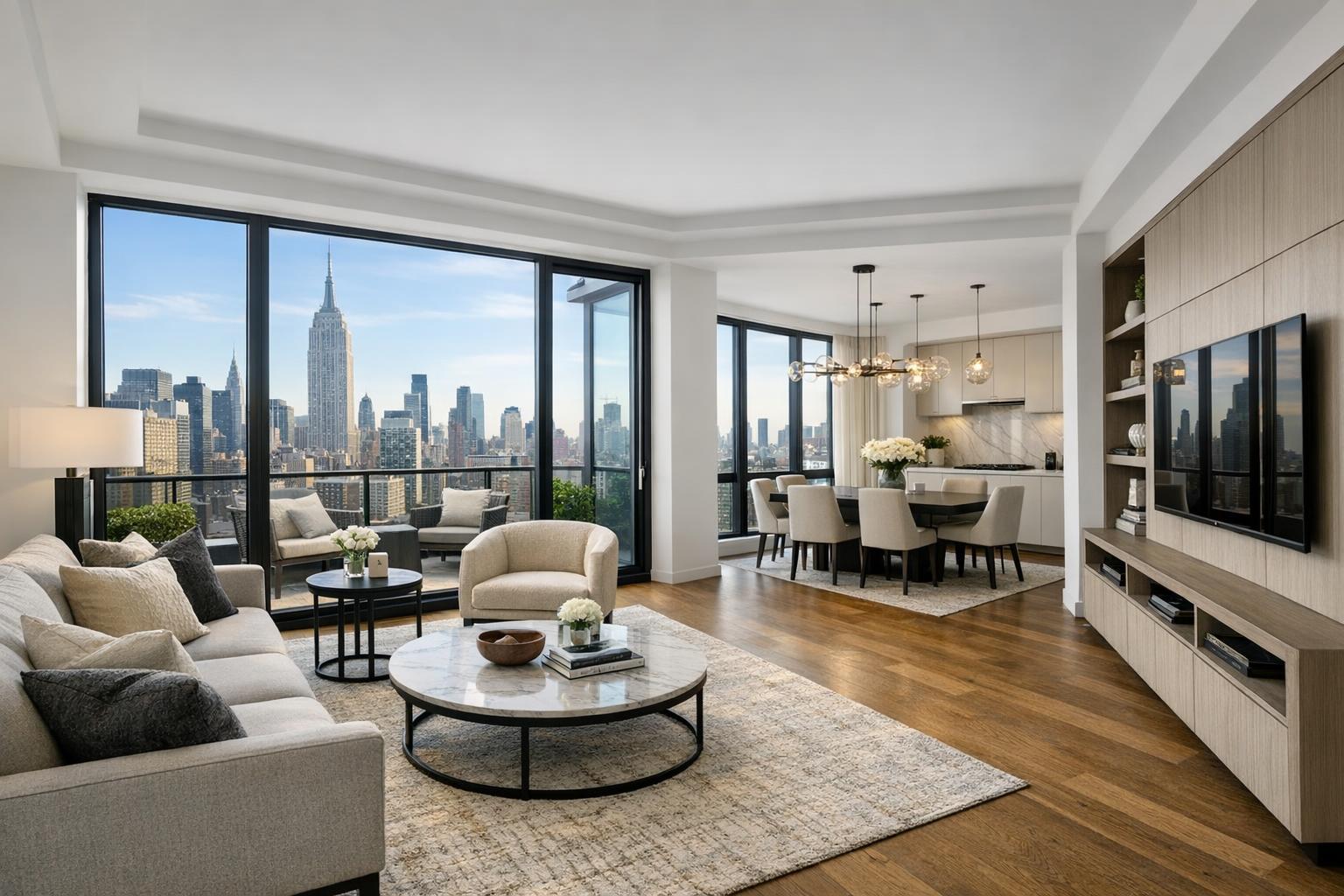
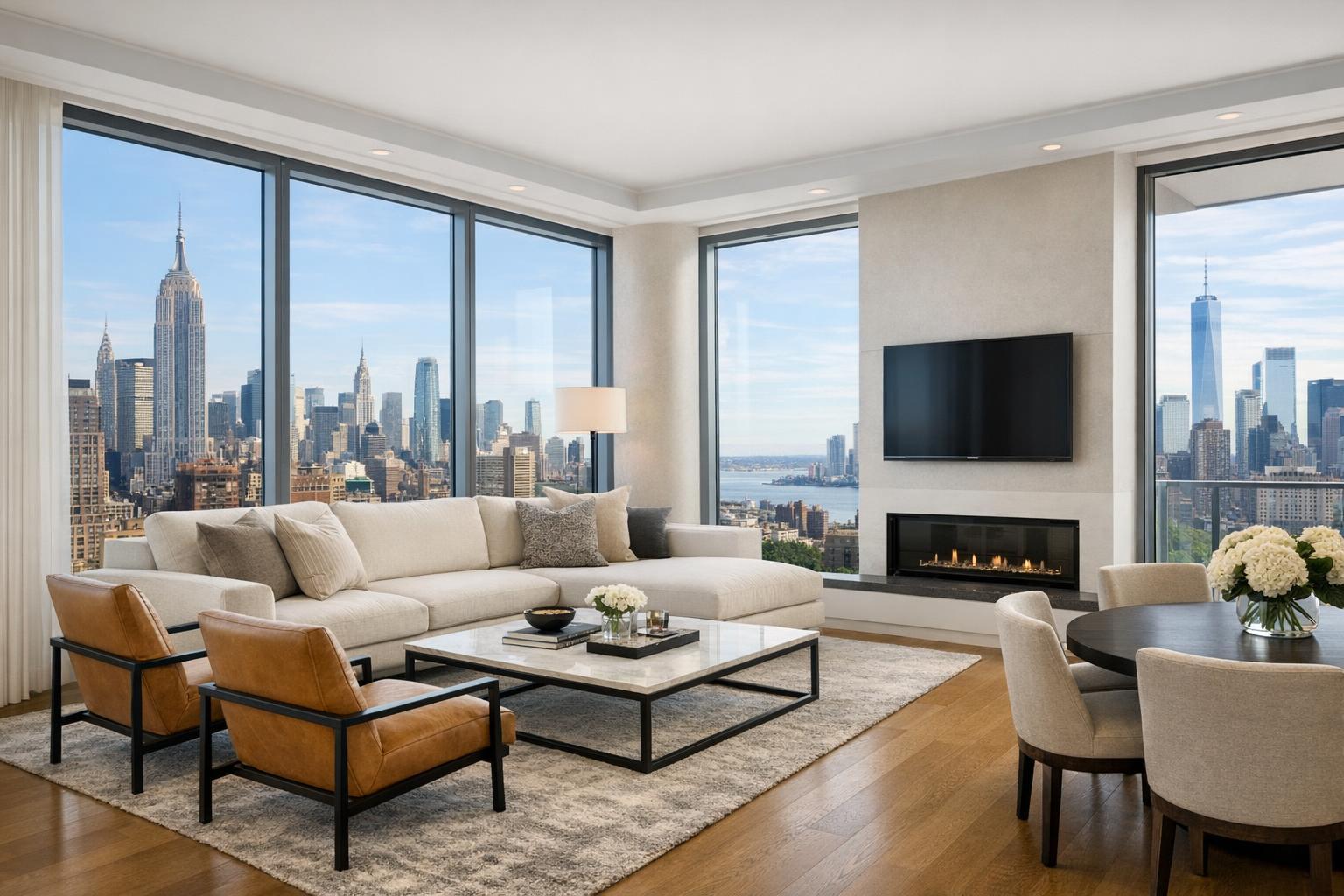
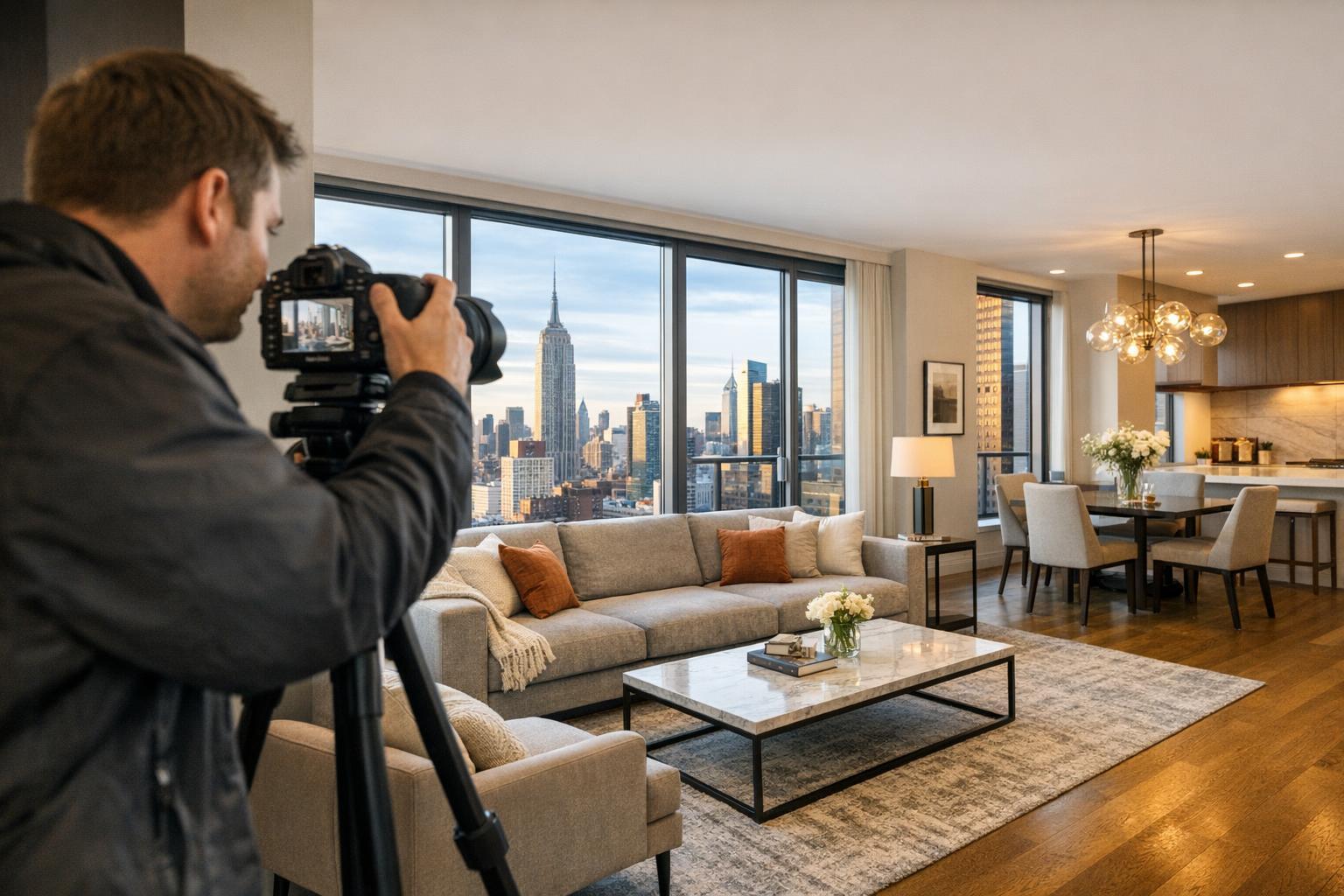
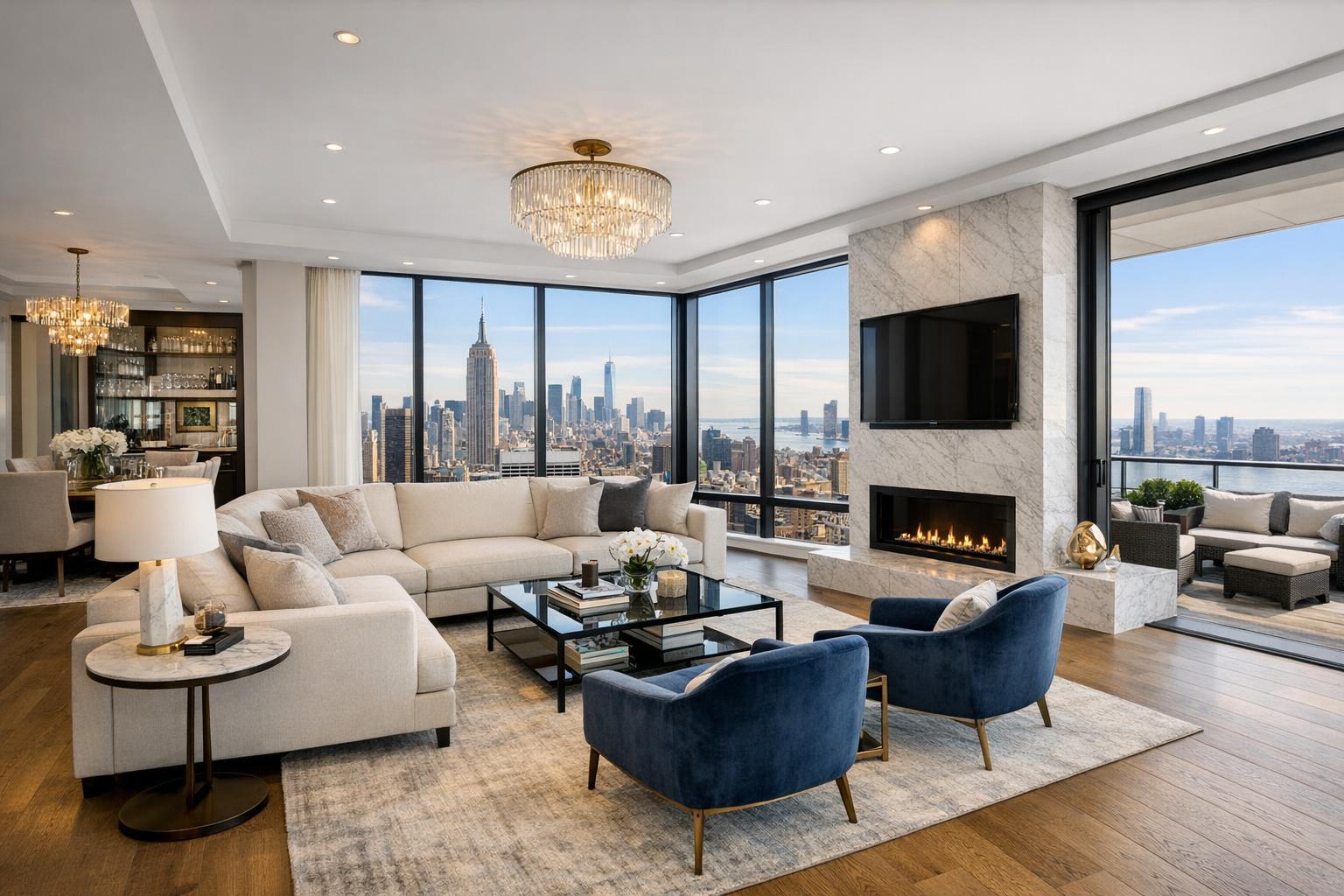
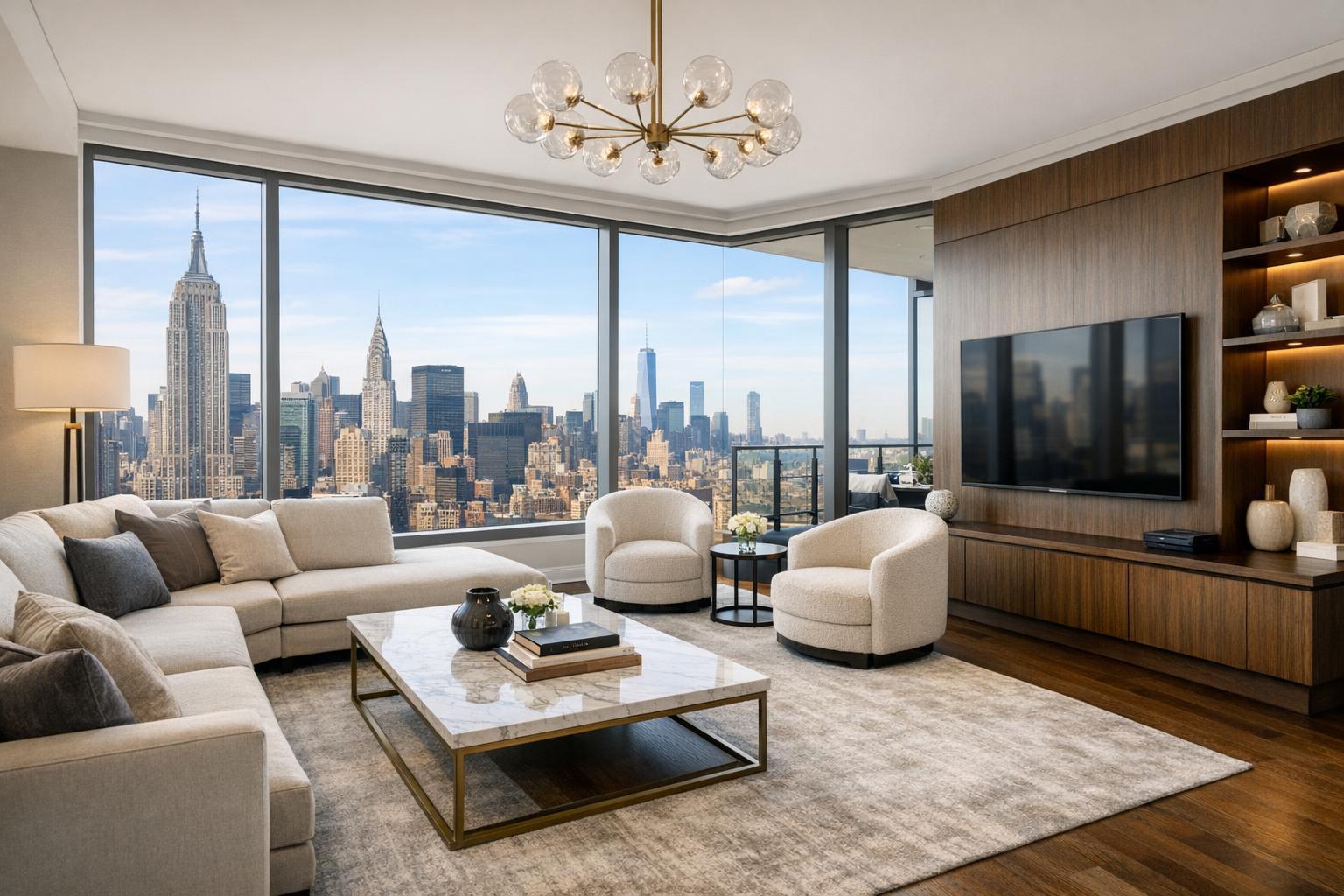
Real estate photography in NYC captures a luxurious living room with expansive city views through floor-to-ceiling windows.

Why Real Estate Photography NYC is Essential for Faster Sales in 2024
In the world of real estate photography NYC agents trust, the right images are the actual beginning of a property’s story—not just decoration. They shape that critical first impression for every homeowner, renter, investor, and broker who discovers a listing online. In a city as visually competitive as New York, the visual narrative you build is often the difference between being scrolled past and actually getting a showing.
The Crucial Role of Imagery in NYC Listings
Nearly every real estate search today starts on a phone or computer. Prospective buyers and renters scan potentially dozens of properties in just a few minutes. If a listing’s photos don’t stand out—if the first shot is dark, awkwardly composed, or overly cluttered—many users won’t ever see the property’s best features. Real estate marketing in NYC is built on convincing people to stop scrolling, take a closer look, and imagine themselves in the space for real.
Professional images don’t guarantee a sale, but they do help interested parties understand layout, scale, and flow before they even open the door. Studios in Chelsea, sunlit co-ops on the Upper West Side, brownstones in Brooklyn, and new condos in Long Island City each require a tailored visual approach to reflect their unique character.
Visual Storytelling That Helps Buyers Understand the Space
The best property photos are about more than just capturing a room—they tell the story of the home. Images should lead viewers from entryway to living spaces, connecting the dots from kitchen to bedroom and highlighting the features that define the property: a skyline view, a private terrace, original detailing, or a modern, open-plan kitchen.
In New York City, photography is about overcoming visual hurdles:
- Floor plans can be quirky, rooms unusually compact or weirdly shaped
- Sunlight shifts differently floor to floor and block to block
- Prewar details need intention; otherwise, they can look busy instead of special
- New developments thrive on clean lines and consistent editing
- Building procedures can make access complicated
Your images should clarify, not confuse. They need to explain each space and maintain a thread of visual consistency, so viewers not only see a home but feel how its different parts work together.
Lighting and Exposure: Why They Matter So Much
NYC interiors love to challenge photographers with high contrasts. A living room might be dim while a window floods light onto a skyline or leafy courtyard beyond. High-dynamic-range (HDR) methods can balance these conditions, making sure nothing important gets lost in glare or shadow. This approach helps communicate a real, natural look—never making the apartment feel artificial, just more comprehensible to the eye.
Composition: Making Spaces Feel Intuitive
Wide-angle shots certainly help in city apartments, but overdoing it can cause rooms to feel unnaturally stretched or distorted. Instead, the focus should be on:
- Straight, vertical lines and unwarped perspectives
- Angles that make rooms feel spacious but realistic
- Sightlines between spaces where it helps, not where it misleads
- Images that move logically from one area to the next, without unnecessary repetition
A small bedroom shouldn’t be disguised as something it isn’t—it should be presented simply, telling the viewer how it functions and connects to the rest of the home.
Details That Bring Out a Listing’s Personality
Big, sweeping room shots are rarely the only important photos. Sometimes the best way to set a property apart is a close-up of a vintage doorknob, custom millwork, or a view that reveals context—a rooftop terrace, window nook, or custom renovation. When these shots add new information, they bring out the home’s individuality.
Different Property Types Need Different Visual Strategies
There’s no single template that works for every NYC listing. Your approach needs to shift with the building type and the likely audience.
- Manhattan Apartments: Focus on main living zones, storage, window light, and the cityscape. Building amenities can add value in full-service properties.
- Brooklyn Brownstones and Townhomes: Capture vertical movement, original woodwork, and the transitions between social and private spaces—especially if they connect to gardens or outdoor areas.
- New Developments/Condos: Here, it’s all about clarity and precision. Emphasize clean lines, the quality of finishes, and amenities to give digital viewers a strong sense of what’s “new” about the space.
- Investment and Commercial Properties: The priorities are documenting condition, maximizing perception of usable space, and offering clear, honest context for managers and investors.
Preparing Your Property: What Really Makes the Difference
Professional photos reflect what’s physically present. While staging isn’t required, a few easy steps can make your photos more meaningful:
- Clear personal items from counters and tables
- Limit kitchen items to a useful minimum
- Put away pet and cleaning supplies, trash bins, chargers, and unnecessary cords
- Open blinds or curtains where privacy and building rules allow
- Turn on interior lights and swap out burned bulbs
- Straighten bedding and smooth out furniture
- Tidy bathrooms and hide excess towels or toiletries
- Move vehicles out of exterior shots
Occupied spaces may need advance coordination, especially if there’s oversized furniture or a crowded room layout. Sometimes, shifting or removing an item or two will let your space “breathe” in photos.
For more, see how to prepare your space for real estate photography.
Trends in NYC Real Estate Photography: What’s Actually Working
The ongoing trend isn’t about heavy filtering or extreme retouching. Today, it’s about combining media to tell a complete story. While listing photos remain the backbone of real estate marketing, tools like video, floor plans, 3D virtual tours, drone images, and virtual staging are becoming increasingly common.
- Short videos: Bring out flow and movement, helping viewers picture life in the space
- 2D floor plans: Clarify room relationships and layout
- 3D tours: Let buyers “walk through” from wherever they are
- Drone imagery: Provide aerial context—roof, surroundings, outdoor amenities—if regulations and safety allow
- Virtual staging: Illustrate possibilities in empty or decluttered rooms (not for rooms crowded with existing furniture)
Remember, each format has strengths and limitations. Drone flights in NYC require compliance with FAA rules, and feasibility depends on local airspace, weather, and property access. For 3D tours and floor plans, a physical visit is needed—these aren’t created from floor plan sketches or architectural renderings.
How to Choose a Real Estate Photographer in NYC
Not all professional images are created equal. When you’re comparing providers, look for consistency, a portfolio that matches your property type, and clear communication about process, scheduling, and deliverables. You might ask:
- Are photos well-composed, straight, and natural?
- How do they handle challenging lighting?
- Do they understand city-specific hurdles, such as building access?
- Will they provide the right number of images for your property without overdoing it?
- Can they shoot everything needed in one visit?
- Is documentation of add-ons, editing, and licensing clear and up front?
Your initial conversation should be tailored to your property—a small walk-up with skyline views isn’t photographed like a duplex or a raw commercial loft.
Integrating RealtaSnap Into Your NYC Listing Workflow
Most NYC agents need flexible booking, clear image packages, and predictable turnaround for their listings. RealtaSnap shoots in NYC and New Jersey, offering high-quality HDR photography in tailored packages, whether you need a small, focused session or a comprehensive shoot for a larger footprint.
Optional add-ons include floor plans, videos (always captured on site), drone photos and video (when eligible), 3D virtual tours, virtual staging for fully vacant or thoroughly decluttered rooms, and premium object-removal editing.
Every service—including real estate photography in NYC—follows a process designed for active listings, fitting sellers’ and agents’ schedules and capitalizing on practical marketing windows.
Bring Listings to Life—And Let Buyers See The Real Story
While photos are just one element in a successful sale, clear, thoughtfully produced images set a listing up for a strong launch. They help listings feel polished, let sellers present their homes at their best, and make it easier for buyers to imagine themselves in the space—long before they set up an appointment.
For more about RealtaSnap’s process or to discuss your next listing, visit www.RealtaSnap.com.
FAQ
Question: How many listing photos should I include for my NYC property?
Answer: The right number of images depends on the property’s size and features. A small apartment may only need a targeted set, while larger homes or those with outdoor spaces benefit from broader coverage. Prioritize images that add unique information and avoid repeating similar angles.
Question: Should I be present at my real estate photo shoot in New York City?
Answer: You can attend if needed, especially for access or building logistics. However, it’s usually easier to capture great images if rooms are set up and empty of people, pets, and personal belongings during the session.
Question: What do I need to know about virtual staging in NYC listings?
Answer: Virtual staging is best for empty or fully decluttered rooms. If there’s existing furniture, it must be removed—or clutter-removal editing ordered—prior to staging. This keeps the final images realistic and avoids an artificial look.
If you have an upcoming listing in NYC or New Jersey, we’d be happy to help you showcase it with professional property media.
www.RealtaSnap.com