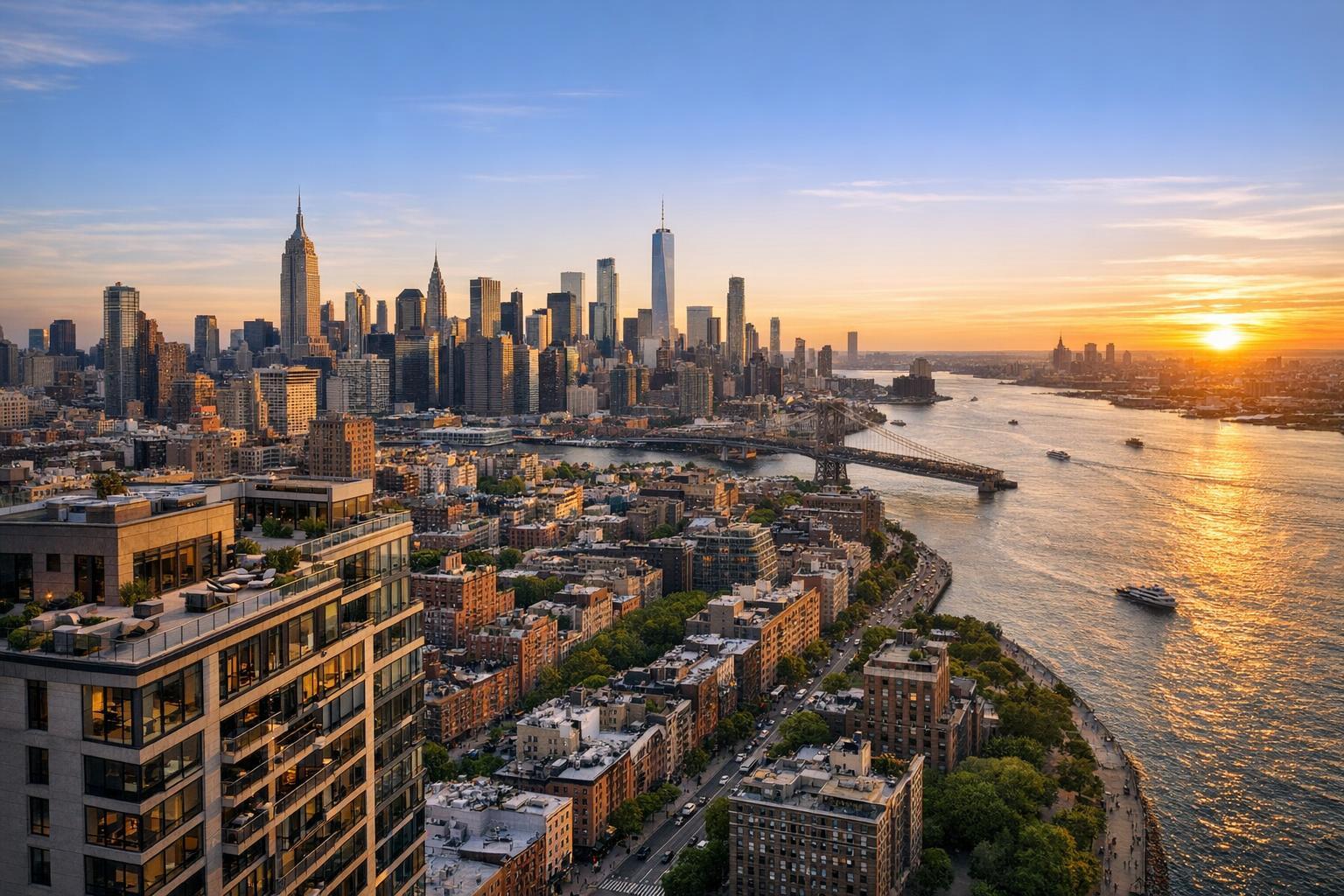
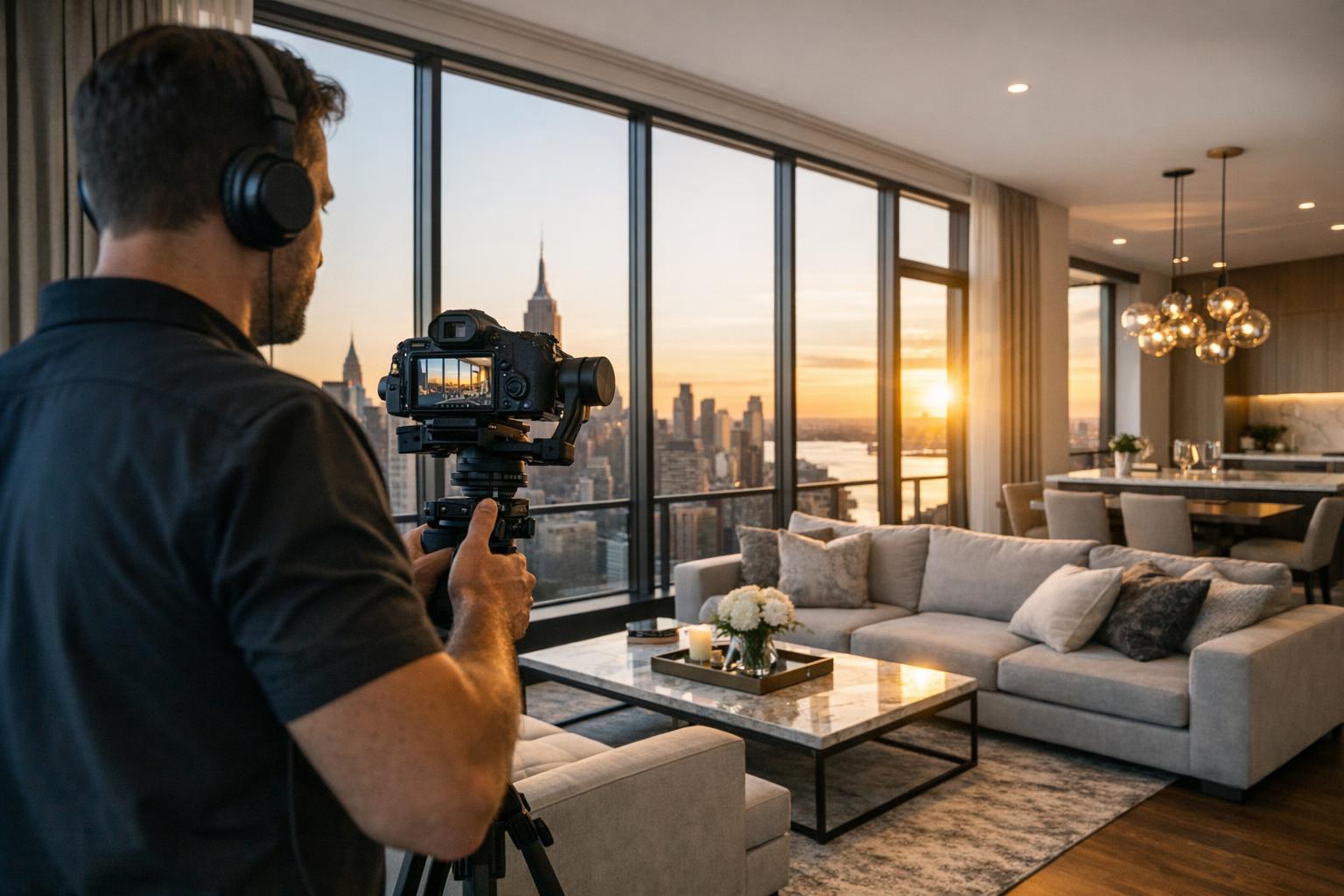
Why Professional Real Estate Photography Services in NYC Make All the Difference
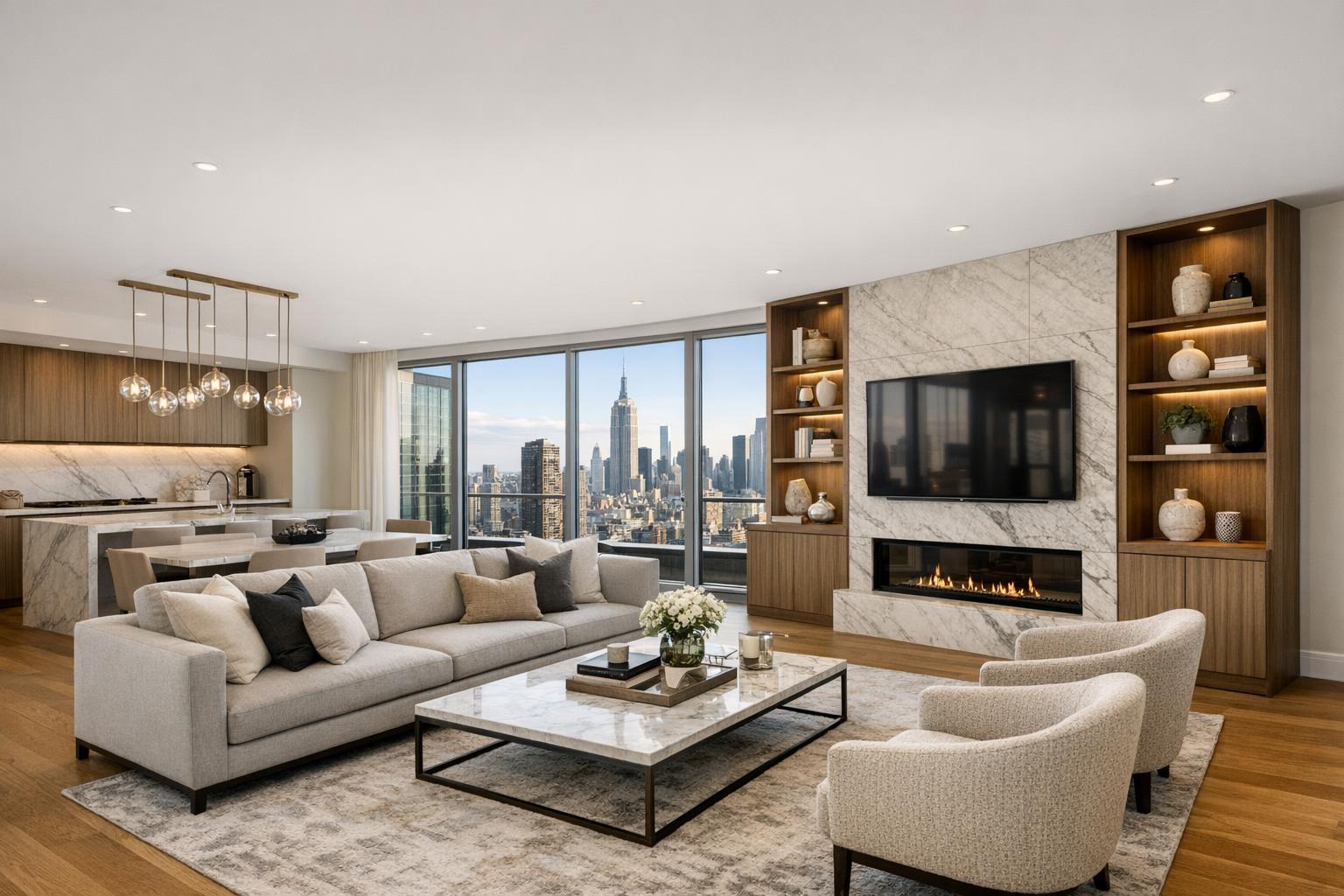
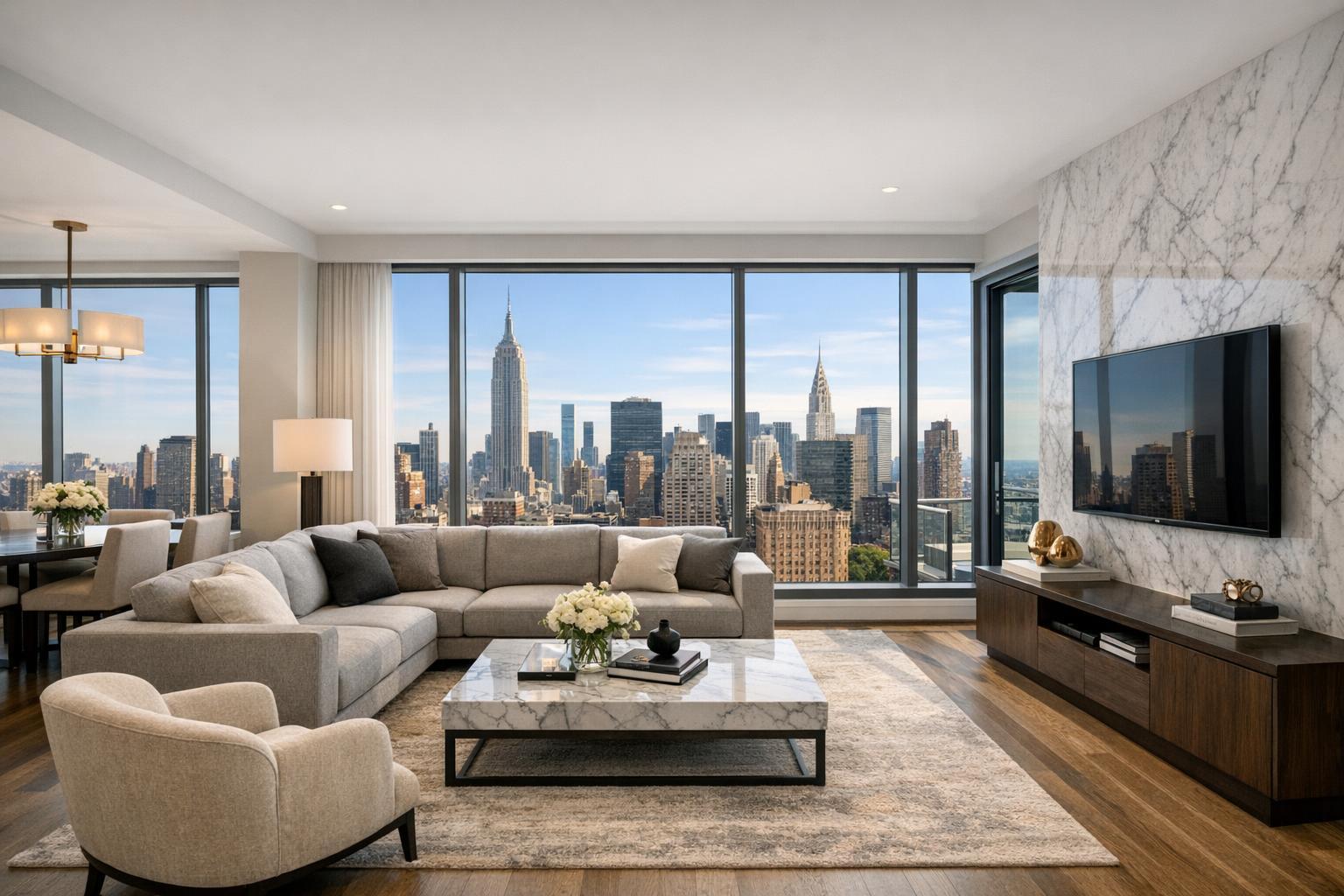
Real estate photography services NYC showcase a luxurious living room with stunning views of the city skyline through expansive windows.

Why Professional Real Estate Photography Services in NYC Make a Difference
When it comes to real estate photography services in NYC, visuals are more than just decoration—they are the foundation for a great listing. In a city where every square foot carries value and character, sharp, thoughtfully composed photos help buyers and renters immediately “read” a property before ever stepping inside. Whether you’re dealing with a pre-war co-op, a modern development, or a cozy rental, the right images can highlight what sets your listing apart in a market packed with choices.
The Stakes of Imagery in NYC Real Estate
It’s no secret that the New York City property market is both fast-paced and fiercely competitive. Most property searches today start online, and listing photos are what buyers see first. They have only seconds to make an impression. Is the living space actually as bright as it claims? Can you tell if the kitchen and dining area connect comfortably? Is the terrace inviting or merely functional? Carefully crafted images can answer these questions at a glance and help viewers decide if a property is worth their time.
Good photography isn’t just about documenting rooms. It’s about communicating flow, capturing true scale, and preserving the specific character that makes New York properties unforgettable—think original millwork, exposed brick, or classic rooftop gardens. A strong image can also help an agent’s brand feel more trustworthy and polished, making every listing feel purposeful and well-prepared.
Navigating NYC’s Unique Visual Challenges
Presenting a property well in New York City is rarely straightforward. Apartments and homes here don’t always follow common suburban patterns, and that’s part of their charm—and their challenge.
- Small studios may need to show how living, working, and sleeping all fit together naturally.
- Older units might highlight high ceilings, ornate fireplaces, or distinctive archways.
- Lofts or converted industrial spaces often need to convey flexibility and volume.
- Shared amenities, outdoor space, and building lobbies matter just as much as private rooms for many city-dwellers.
An experienced real estate photographer in NYC works with the quirks, not against them. They plan for available light, choose angles that reflect usable space (without exaggeration), and show how one area relates to the next. Thoughtful sequencing—starting at a brownstone’s stoop and moving through parlor, bedrooms, and backyard—can help a viewer get an accurate sense of layout and flow.
Getting the Most from Each Photo: Light, Color, and Composition
Great property images don’t leave the outcome to chance. New York’s light can be tricky: natural daylight might mix with artificial lighting, making colors tricky to balance and faces fade into shadow. Professional real estate photographers often use HDR techniques to ensure interiors and windows are properly exposed, so viewers see both the cityscape outside and the detail inside.
Composition matters, too. Photos should not only showcase standout features—like a row of windows or a custom island—but also convey how a person might move through space. The aim isn’t to make a room appear bigger than it is, but to clarify its real proportions and purpose. Consistent vertical lines, balanced framing, and logical photo sequences help listings feel organized and honest.
Editing can help polish the results, correcting color, straightening lines, or refining exposure. What it shouldn’t do is invent features, remove the realities of an older space, or mislead about the property’s condition. Buyers and renters expect the real home to match their online first impression.
Missed Opportunities: What Rushed Images Lose
While it’s tempting for agents to capture quick smartphone images or rush a photo session, this shortcut usually costs more than it saves. Common pitfalls include:
- Walls and cabinetry that appear to lean due to tilted camera angles
- Overly wide lenses distorting space, making rooms seem cavernous (or confusing)
- Harsh shadows or blown-out windows hiding real features
- Unnatural color casts from mismatched lighting
- Miscellaneous clutter taking up focus that should belong to the room itself
- Incomplete coverage, skipping over key features like storage, ceiling height, or unique finishes
These issues don’t just leave listings looking less professional—they cause buyers to question the property’s value or pass over listings that might otherwise have fit their needs.
Preparing for Professional Photography: Setting Up for Success
Even the best photographer is limited by what they see when they arrive. Preparing a property for photography isn’t about making it look unlived-in; it’s about putting its best foot forward while respecting its character.
Here’s a practical pre-shoot checklist for agents and sellers:
- Put away personal belongings, paperwork, pet items, and unnecessary small appliances
- Tidy kitchen and bathroom surfaces
- Make beds and straighten furniture
- Open window coverings to maximize natural light
- Replace any burnt-out bulbs and turn on lighting where it adds warmth
- Clear outdoor spaces—balconies, terraces, or gardens—of clutter
- Let everyone involved know which spaces need to be ready and accessible
For lived-in homes, this prep can be the difference between cozy and crowded in the final gallery. And for vacant properties, consider whether virtual staging would help an empty room’s potential shine, but keep in mind that staging is best for clear, unfurnished spaces. If there’s significant clutter or old furniture, it should be removed before virtual staging is considered.
For a full prep guide, RealtaSnap offers additional advice on getting your listing ready for photography.
Matching Photo Coverage to the Listing
Not all NYC listings need the same number of photos or degree of coverage. For a compact apartment, a concise, targeted photo set can make the layout easy to follow. In contrast, a large townhouse, loft, or commercial property may require more extensive coverage—capturing amenities, multiple levels, or unique architectural details.
Consider what buyers or renters will actually want to know:
- Does the photo set clarify how main rooms relate to one another?
- Are views, light sources, and special features featured clearly?
- For larger or more complex properties, would a floor plan, video tour, or 3D walkthrough help viewers understand the space more fully?
Many agents supplement strong photos with a few targeted add-ons, such as a measured floor plan or a professional listing video. Drone images can offer a fresh angle on exterior features when feasible but depend on airspace, safety, access, and pilot discretion.
Choosing a Real Estate Photographer in NYC
With so many photographers and companies offering similar-sounding services, it’s worth investing a few minutes to review portfolios and ask questions beyond price.
Look for:
- Clarity: Are rooms, windows, and features consistently visible and well-balanced?
- Accuracy: Are proportions honest, and do colors reflect real finishes?
- Cohesion: Does the gallery feel organized and easy to scroll, or is it a jumble of disconnected images?
- Approach: Does the photographer show understanding of a range of New York property types?
Before booking, some helpful questions include:
- How do you handle mixed lighting and challenging layouts?
- What is your approach to editing and perspective correction?
- How many photos are typically included, and what add-ons are available?
- Can you coordinate video, floor plans, drone, or virtual tours if needed?
- What do I need to prepare before you arrive?
- How will the final images be delivered and how quickly?
Strong communication is essential in NYC, where building access, elevator schedules, doorman policies, and tenant coordination can affect the shoot.
RealtaSnap: Streamlined, Property-First Media for NYC Agents
RealtaSnap specializes in professional listing photography for NYC and New Jersey agents, with options tailored to the unique needs and quirks of city real estate. Every photo package uses HDR capture to produce crisp detail, honest color, and balanced interior light, so your listings look their best without feeling over-processed.
Clients can select the photo count that fits their listing, from focused shoots to in-depth galleries. For those who need more, RealtaSnap also offers listing video, floor plans, virtual tours, drone work, and virtual staging, with clear add-ons intended to clarify—not complicate—the marketing process.
Experienced with everything from historic brownstones to modern condos and retail suites, RealtaSnap brings the technical skill and local knowledge downtown Manhattan and outer-borough listings require. If you’re preparing a property and want professional guidance from booking through final delivery, RealtaSnap aims to keep the experience smooth and dependable.
Make Your Gallery Work as Hard as Your Property
Real estate photography can't change a property’s bones, but it can make its best features clearer and easier for the right buyer or tenant to see. Thoughtful, accurate, and property-first photography gives you a stronger launchpad for every other part of your marketing. In a city of details—soaring ceilings, hidden gardens, flexible spaces—a single good image can be the deciding factor for a busy buyer.
For local guidance and a streamlined workflow, connect with RealtaSnap at www.RealtaSnap.com.
FAQ
Question: How many photos does an NYC property listing really need?
Answer: There’s no universal number—it depends on the size, layout, and complexity of the property. For studios or small units, select images that explain the space and relationship of rooms. Larger listings may require more photos to cover features, multiple floors, or shared amenities. Aim to answer practical questions with each image, not repeat similar angles.
Question: Should I prep an occupied apartment differently than a vacant unit?
Answer: Yes. Occupied homes typically need a more thorough pre-shoot tidying so personal effects don’t distract from the space. For empty rooms, careful framing (and sometimes virtual staging) helps convey purpose and scale. Virtual staging works best in fully cleared, unfurnished rooms.
Question: Is it necessary to add a floor plan or video tour to my listing?
Answer: Not always, but both can be valuable in explaining complex layouts or when remote viewers need more context. For some properties, a floor plan provides essential clarity; for others, a video walk-through might show how spaces connect. Good photography should be the foundation, with add-ons used as needed for your specific listing.