How a Professional Real Estate Photographer Can Elevate Your NYC Listing
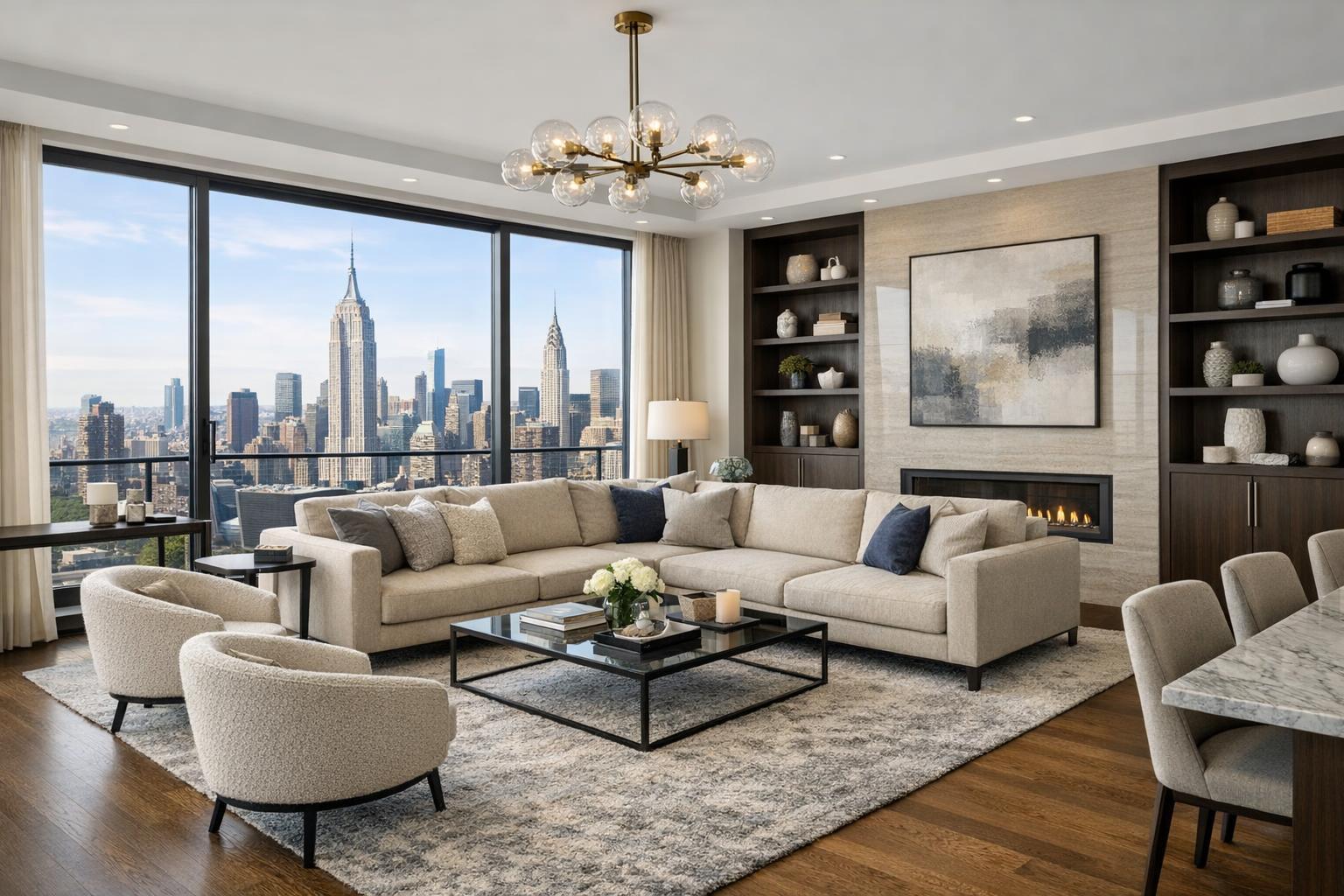
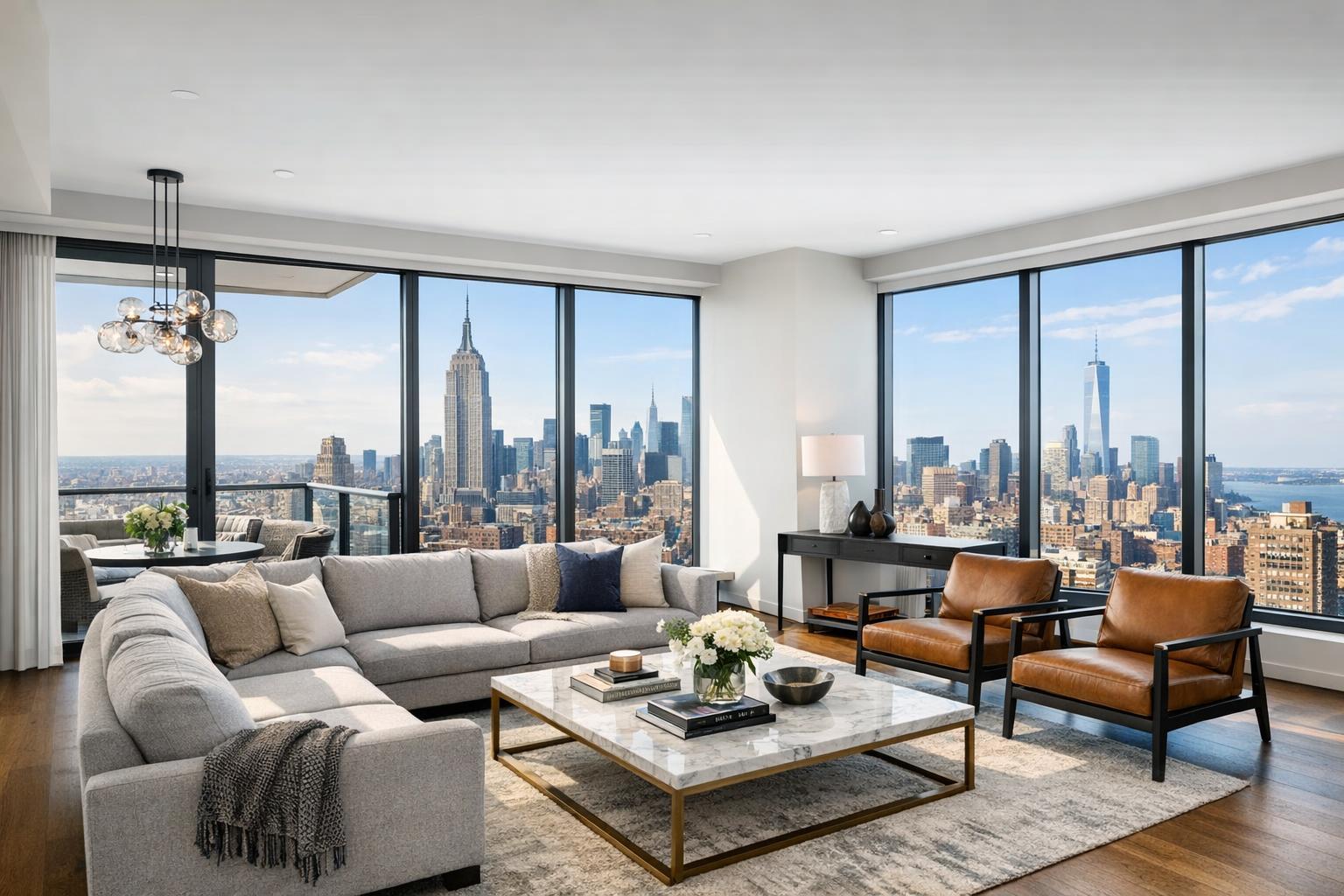
A luxury living room with panoramic views of New York City is expertly captured by a real estate photographer NYC.

How a Professional Real Estate Photographer Can Elevate Your NYC Listing
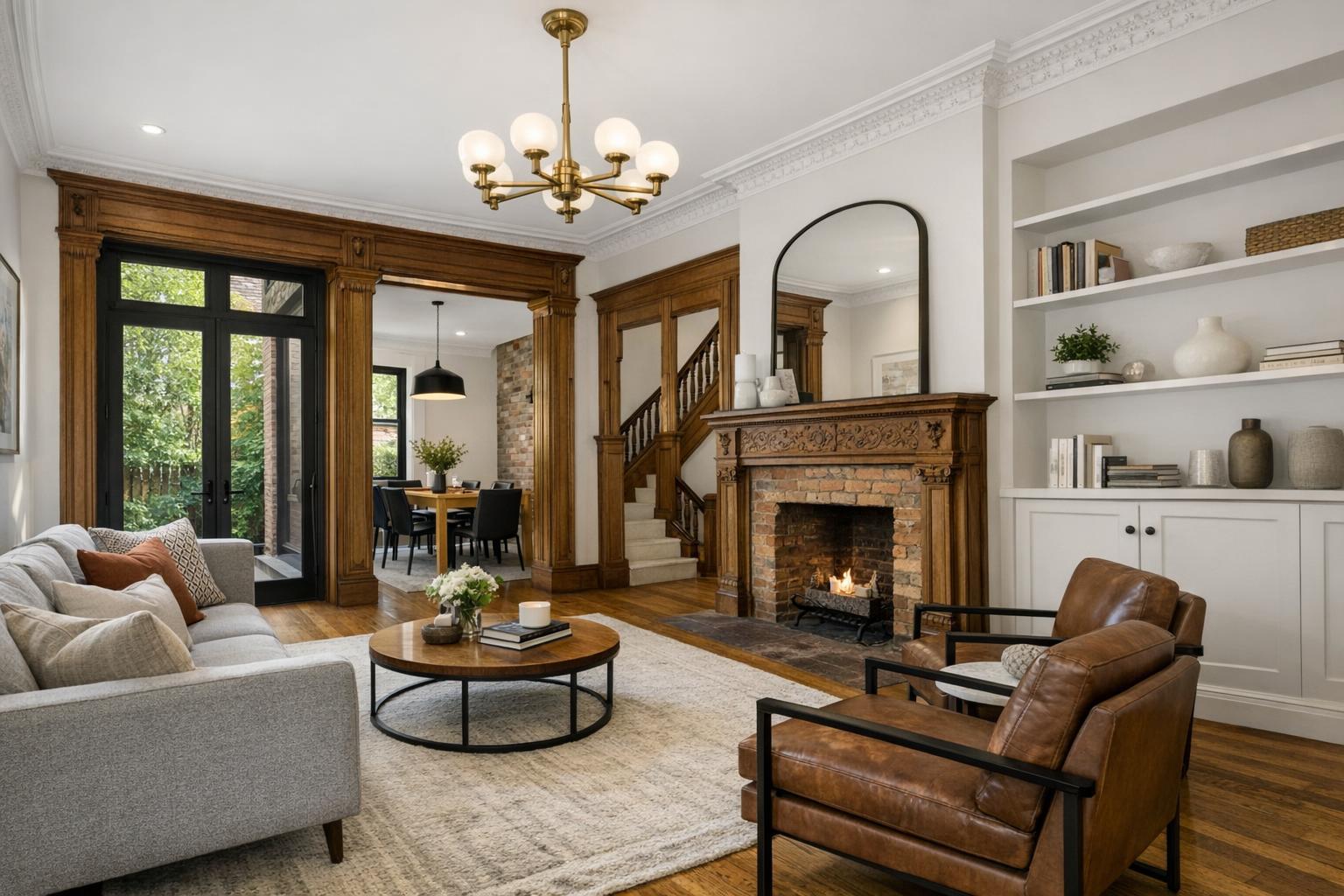
A real estate photographer in NYC does more than simply snap photos of a space—they capture a property’s personality, light, and layout in ways that inspire confidence and curiosity in potential buyers. In a city with extraordinary variety—high-rise condos, brownstones, prewar co-ops, and everything in between—great visuals aren’t just decorative. They are essential for getting buyers in the door, especially when a listing’s first showing is often on a phone screen.
Why Photography Really Sets the Stage
Before an interested buyer sets foot inside, photos are doing most of the heavy lifting. If images are dark, off-balance, or simply uninspiring, critical selling points like smart renovations, flexible layouts, or grand views may pass unnoticed. But when photos are thoughtfully composed and professionally edited, they answer essential questions at a glance:
- How do the main rooms connect?
- What kind of light and views can a buyer expect?
- Are there standout features—restored moldings, renovated kitchens, or a big backyard?
- Is there convenient access to outdoor space or amenities?
For example, imagine a loft listing: leading with a photo that captures soaring ceiling height and oversized windows, then following with images that reveal the kitchen’s relationship to the living area, a dramatic staircase, and the zones of the primary suite. Each photo builds the story of the space, helping buyers imagine how they’ll use it.
Professional vs. Amateur: What Makes the Difference?
Modern smartphones are capable of sharp images, but real estate photography is about more than clarity—it’s about interpretation. The difference between a phone snapshot and a professional photo comes down to decisions made throughout the process:
- Balanced Lighting: NYC’s architecture means tricky exposures are common—think bright windows next to deep shadows. A skilled property photographer creates natural, readable images without losing the skyline in overexposed glare or leaving interiors gloomy.
- Meaningful Compositions: Where an amateur photo might focus on one attractive corner, a professional image establishes scale, flow, and function. A compact kitchen looks inviting but not misleading. An outdoor terrace is shown in context with both usable space and enticing views.
- Respectful Editing: Professional editing brings out the best in each shot without misrepresenting the property. Clean color, true-to-life contrast, and expert retouching are paired with a commitment to accuracy—what you see is what exists.
For property listings that need special attention, services like AI virtual staging, virtual twilight, or clutter removal provide extra polish, always within strict guidelines for realism.
Making Listings Memorable with Believable Detail
Real estate isn’t just transactional—it’s personal. The right photograph can help a buyer picture their morning coffee in a sun-soaked breakfast nook or an evening unwinding on a city-view terrace. These emotional cues come from thoughtful image selection, not over-styling.
Consider a set of photos balanced between:
- Orientation shots showing main spaces and layout
- Detail images that zoom in on craftsmanship, finishes, or unique features
- Lifestyle moments capturing light, views, and outdoor ambiance
The best sets tell a complete story. Orientation images help with the practical decision-making. Detail and atmosphere shots offer reasons to feel excited about scheduling a tour.
NYC-Specific Challenges: What Local Listings Demand
Real estate photography in NYC comes with its own set of complexities, from tight apartments to expansive townhouses. Here’s what makes local experience invaluable:
- Compact Spaces Need Honesty: Small rooms shouldn’t be “stretched” with deceptive lenses—clarity is essential. Decluttering and shooting with smart angles ensure buyers get a truthful sense of space.
- Views Are Worth the Effort: A city or river view can be a deal-sealer, but it must be photographed so neither the interior nor the vista is sacrificed in the shot. Planning for the right time of day may make all the difference.
- Building Logistics Matter: Doormen, service elevators, and amenity access can set the tone for a smooth shoot. Good communication between agents, sellers, and photographers is key.
- Townhouses Need a Narrative Approach: A multi-level home calls for images that establish entry, connect the living areas, and highlight both private and public spaces.
RealtaSnap, for example, covers all five boroughs of NYC as well as statewide New Jersey, which helps agents build consistency in their visual marketing when portfolios cross the river.
Getting the Most from Your Shoot: Preparation Tips
The best photography can’t overcome a space that’s visually noisy or cluttered. Preparing a property for a shoot is a team effort among sellers, agents, and stagers. For a clean, compelling result:
- Clear off countertops and remove everyday clutter.
- Tidy beds and smooth linens.
- Hide personal items, laundry, trash bins, and pet gear.
- Neatly arrange furniture and fluff pillows.
- Remove papers or magnets from refrigerators.
- Ensure all important rooms are accessible for shooting.
For empty spaces, AI virtual staging can help buyers imagine possibilities—but remember, this service works best on rooms that are truly vacant or have been cleared with a clutter removal edit when necessary.
A useful, room-by-room photography prep checklist is available in the RealtaSnap photography prep guide.
What to Ask Before You Book a Real Estate Photographer
Since every listing is different, a one-size-fits-all approach rarely works. Before booking your photographer, consider these practical questions:
- Can they show you a portfolio similar to your property type?
- How do they handle tricky lighting, small spaces, or unique features?
- What’s their recommendation for the number of images based on your layout?
- Will they cover amenity spaces or exteriors if relevant?
- Do they explain editing boundaries and add-ons clearly?
- How far in advance do you need to schedule, and what access is needed?
In addition, think about what other media could be useful—maybe an on-site floor plan, a 3D Matterport tour, or a short lifestyle video. Not every listing needs every option, but the right extras can help remote buyers or highlight unique selling points.
Trends in Real Estate Media: Going Beyond Still Photos
Photos remain the backbone of listing marketing, but buyers increasingly expect a robust visual experience:
- Floor Plans: A big help for buyers trying to grasp layout nuances or flexible spaces. RealtaSnap creates floor plans based on physical on-site capture, ensuring accuracy.
- 3D Virtual Tours: Interactive navigation—ideal when buyers can’t visit in person—lets viewers virtually walk through a home at their own speed. Matterport tours are available for a wide range of property sizes.
- Short-Form Video: Video can demonstrate how a space flows from room to room, show building amenities, or even highlight the sidewalk-to-lobby approach for NYC apartments.
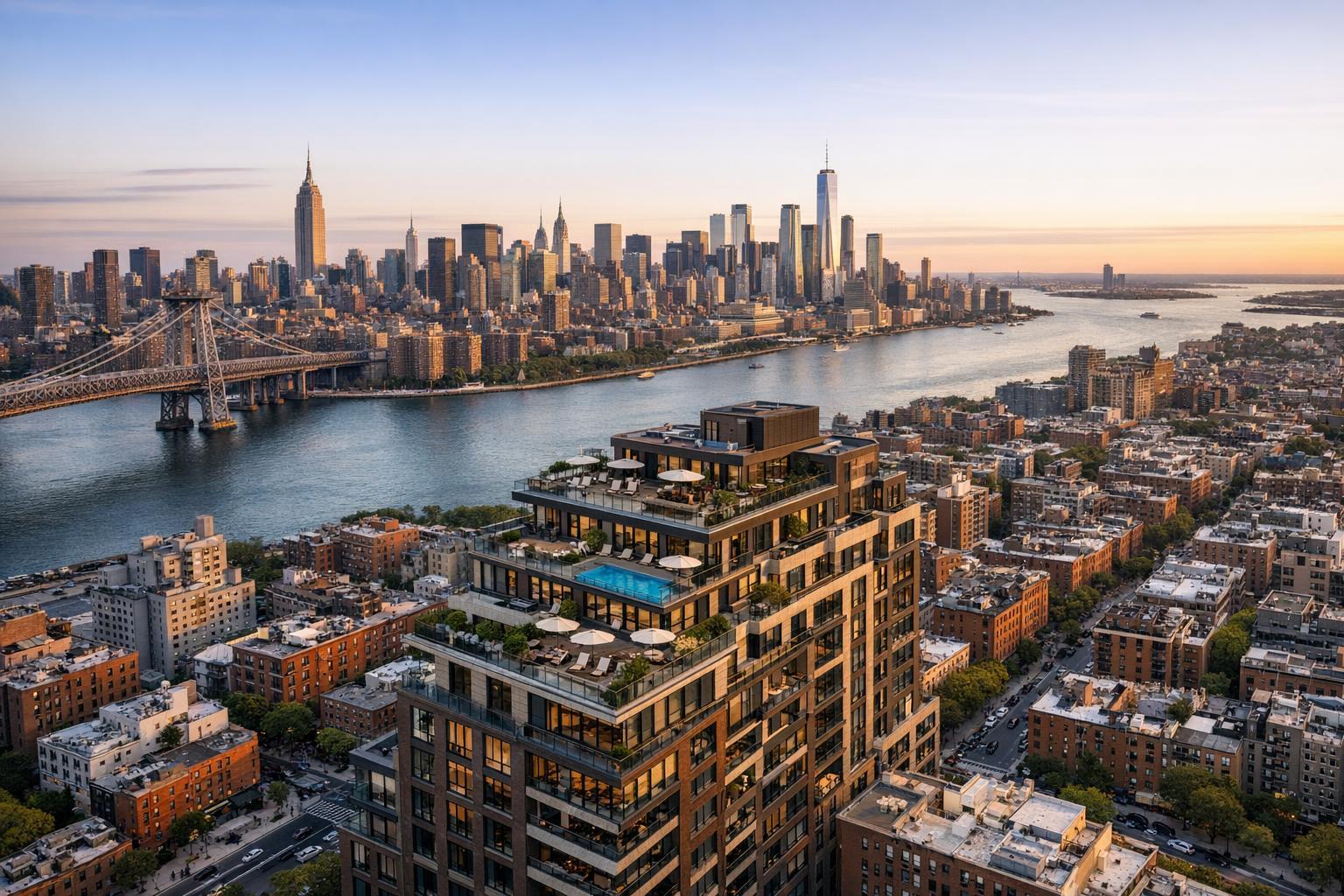
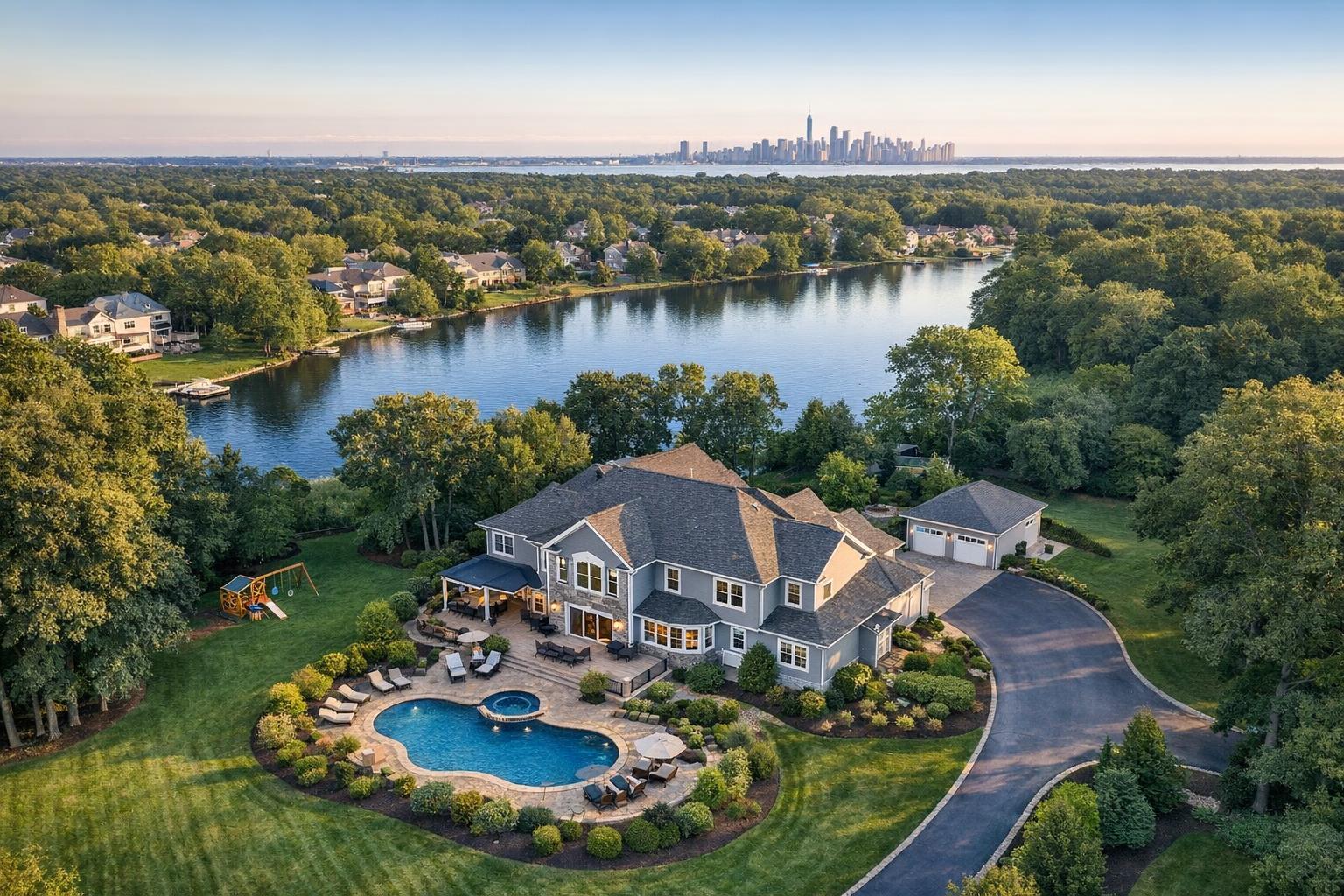
- Drone Photography: Where possible, aerial images can reveal the bigger setting—backyard, neighborhood, skyline. However, drone flights are subject to airspace rules, safety, and access, with feasibility determined case by case.
For more about RealtaSnap’s media services, visit RealtaSnap’s NYC real estate photography page.
Pricing & Package Considerations
Every property is different. RealtaSnap’s packages range from 10 images to 50, accommodating both simple studios and sprawling homes. Pricing is transparent—photo packages start at $149 for 10 images, scaling up as needed. Add-ons like AI virtual staging ($10/image), virtual twilight ($20/image), and clutter removal ($20/image) allow for customized presentation.
Floor plans, drone shoots, Matterport 3D tours, and more are offered as additional services—details and current rates are always listed up front. Services are available across all NYC boroughs and throughout New Jersey.
Final Thoughts: Build the Listing Around the Property
Instead of defaulting to a pre-set formula, tailor your marketing package to tell the property’s truest story. Whether that means a sharp set of photos, a detailed floor plan, a virtual tour, or a curated video, the objective remains the same: give buyers a real sense of what makes the home worth visiting.
When you’re ready to enhance your listing with visuals that make an impact, explore what’s available at www.RealtaSnap.com.
FAQ
Question: How many professional photos do I need for my NYC listing?
Answer: The ideal number depends on your property’s size and layout. Choose enough to show every main space, key feature, and any amenities that add value. Studios may need fewer photos than multi-level townhouses, but avoid repetitive shots that add no new information.
Question: Is virtual staging a good idea for a furnished apartment?
Answer: Virtual staging works best for empty or thoroughly decluttered rooms. If a space still contains furniture, it should be removed before the shoot or you’ll need a clutter removal edit before any staging is added. This keeps the images accurate and appealing.
Question: Can drone photos be used for every property in NYC?
Answer: Not always. Drone photography depends on local regulations, airspace, access, and safety assessments. Some city locations require special authorization or may not be feasible for drone flights. Check with your photographer in advance to determine if it’s possible for your listing.