Your Guide to Real Estate Photography NYC: Boost Listings with Stunning Property Photos
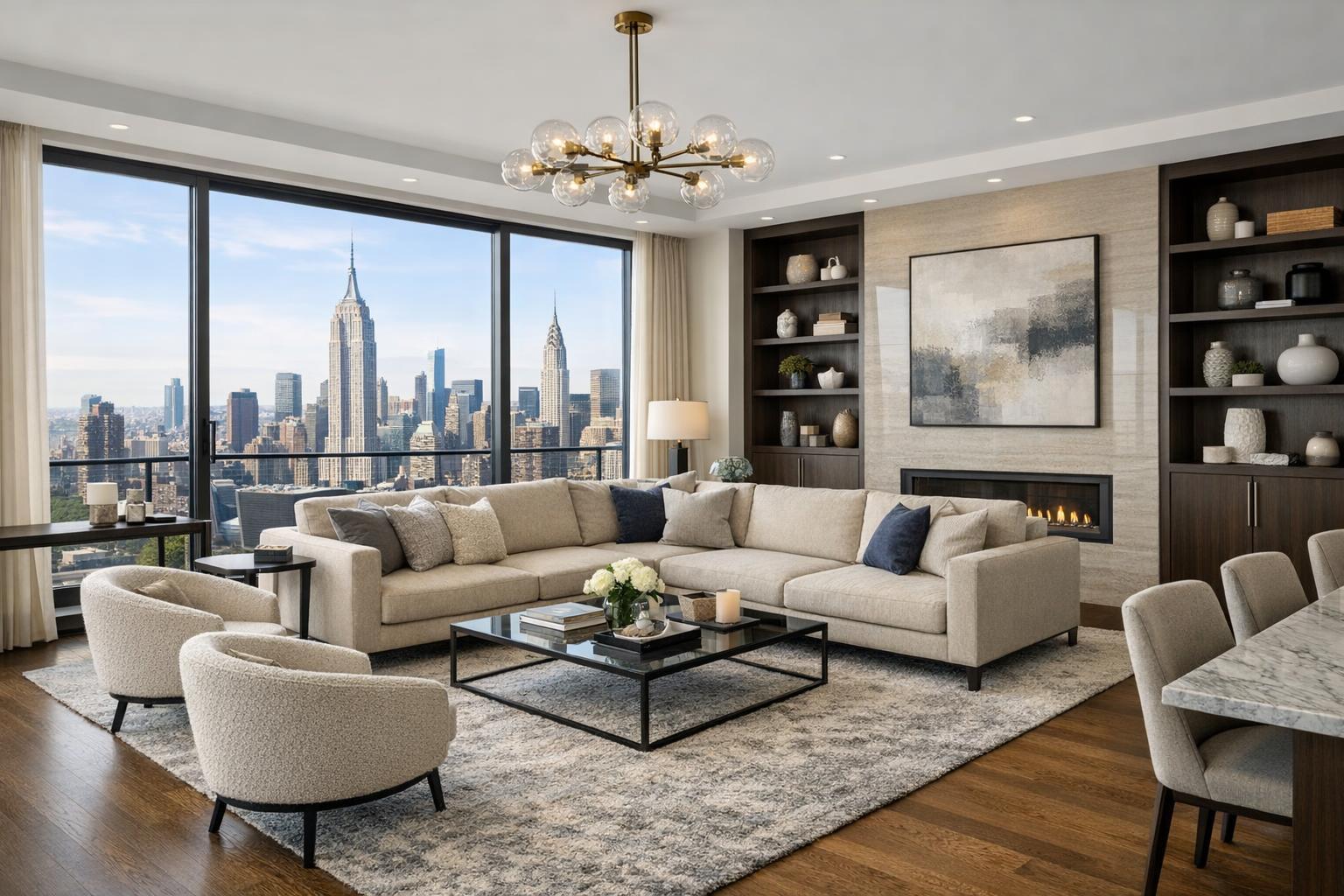
Real estate photography NYC showcases a luxurious living room with a stunning view of the city skyline, featuring sleek modern furnishings and elegant decor.

Your Guide to Real Estate Photography NYC: Boost Listings with Stunning Property Photos
Real estate photography in NYC is more than a listing necessity—it’s the first handshake between a property and its potential buyer. In a city where every square foot carries a story, compelling images can be the difference between a quick showing and a missed opportunity. Whether you’re marketing a prewar co-op, a fresh market condo, or a charming brownstone, the right visuals are essential for standing out in one of the world’s most dynamic real estate environments.
Why Real Estate Photography Matters in NYC
In New York City, architectural diversity, compact layouts, and unique building features present both challenges and opportunities. Buyers scroll through dozens of listings in minutes. Photos aren’t just about beauty—they must reveal spatial relationships, natural light, and the distinctive characteristics that make each apartment or house memorable.
A well-produced gallery helps buyers immediately answer questions like:
- How do the rooms flow together?
- Is the living space open, cozy, or flexible?
- Where does natural light enter, and how bright is the home during the day?
- Are there renovated kitchens, original details, or notable features that add value?
- What about amenities—does the building offer outdoor space, a gym, or skyline views?
Great real estate photography in NYC doesn’t simply show every wall. Instead, it tells a visual story that prioritizes what makes a property unique, providing a sense of orientation and character before a buyer ever sets foot inside.
The Difference Between Attractive and Truly Effective Listing Photos
Anyone can snap a room with a smartphone, but meaningful real estate imagery demands expertise. The best listing photos strike a balance: bright and appealing but also honest and relatable. Achieving this takes careful planning, thoughtful composition, and editing that stays true to the property.
Photographing With Purpose
Every shot should answer an unspoken question about how a space could live. For a studio, that might mean demonstrating a clever furniture layout and the amount of usable space. For a townhouse, it could be highlighting connections between floors, garden access, or showing off period architecture.
- Living rooms should communicate seating, flow, and focal points.
- Kitchens are most useful when layout, appliances, and connectivity to dining or entertaining areas are clearly visible.
- A hero shot of a terrace or view may carry the emotional punch that wins over a buyer even before the first visit.
Photography is most useful when selective. Not every angle is important—instead, emphasize the features that make the property memorable.
Wide Angles With Restraint
Wide-angle lenses help explain space, but distortion can misrepresent room proportions or make furniture look unnatural. Professional real estate photographers in NYC position themselves to offer contextual views of:
- How spaces connect (living, dining, kitchen)
- Window placement and light
- Ceiling height and unique structural details
- Special features like fireplaces, built-ins, or historic finishes
Detail shots of standout features also add depth, as long as they supplement the main photo sequence instead of overwhelming it.
Color and Light That Feels Real
NYC homes range from sun-flooded lofts to garden-level units with less direct light. Professional editing should balance exposure and color without exaggerating brightness, turning windows into whitewashed voids, or producing unnatural hues. Consistency and credibility are key—buyers should feel, once onsite, that the home matches the promise of the photos.
Getting the Property Ready for Its Close-Up
Preparation is one of the defining differences between ordinary and extraordinary listing photos. Even the best photographer can’t work around cluttered surfaces, crowded rooms, or distracting personal items.
Home Prep Checklist
A quick walk-through before your appointment can make a dramatic difference. Here are straightforward ways to boost your shoot:
- Clear kitchen counters of small items and excess décor
- Stash cords, toiletries, pet supplies, and laundry
- Make beds neatly and straighten pillows, throws, and towels
- Remove personal paperwork, magnets, and family photos where feasible
- Open shades or curtains that reveal a view or bring in natural light
- Replace burnt bulbs and turn on all light sources visible in the images
- Clean mirrors, glass doors, and stainless appliances
- Organize closets or storage rooms if they’ll be photographed
- Arrange balconies, rooftop spaces, or outdoor furniture
- Confirm building access (e.g., elevator codes, service entrances, amenity room access)
For a more detailed, room-by-room prep guide, consult RealtaSnap’s official preparation checklist.
Don’t overlook building logistics. Coordinating ahead on elevator use or check-in requirements keeps the session focused on capturing the property, not untangling access issues.
How Many Photos Is Enough?
Photo coverage should match what the listing needs to communicate, not just its square footage. A small but feature-rich apartment may require more images to tell its story, while a sprawling home calls for a broader narrative—without causing viewer fatigue.
Consider prioritizing:
- Key rooms that drive buyer interest
- Features that reinforce the price (views, renovations, amenities)
- Spaces that could be misunderstood if left out
- Areas that set the property apart from comparable listings
At RealtaSnap, NYC property photography is offered in packages: 10 images ($149), 20 ($189), 30 ($209), 40 ($269), and 50 ($299). Each package comes with an allotted shoot time, so thorough prep helps keep the session moving efficiently.
A compact one-bedroom might be covered with 10–20 photos, while larger homes or listings with multiple outdoor spaces could benefit from 30–50 images. The goal is to provide enough clarity that buyers can visualize themselves living there.
Beyond Photos: When to Add Floor Plans, Videos, or Virtual Staging
While crisp photography forms the basis of every strong listing, some homes shine even brighter with storytelling aids.
Floor Plans for Clarity
Floor plans help buyers understand dimensions, room placement, and how spaces flow—especially in apartments with unusual layouts or multiple uses for secondary rooms. Accurate plans require onsite capture; old blueprints or altered PDFs don’t tell the true story.
Videos That Create a Sense of Movement
Listing videos provide a walk-through experience, showcasing how rooms connect and giving buyers a sense of arrival and flow. Video works best when a property features dramatic spaces, open-plan living, or spectacular building amenities—not just for the sake of checking another marketing box.
Virtual Staging for Empty Homes
Vacant rooms often feel smaller and less inviting on camera. Virtual staging lets buyers imagine how a space could function, provided the room is empty or meticulously decluttered before the photos are taken. Staging is only added to truly clear spaces; digital overlays on top of existing furnishings are not supported without pre-ordered clutter removal.
Aerial Images Add Context—When Feasible
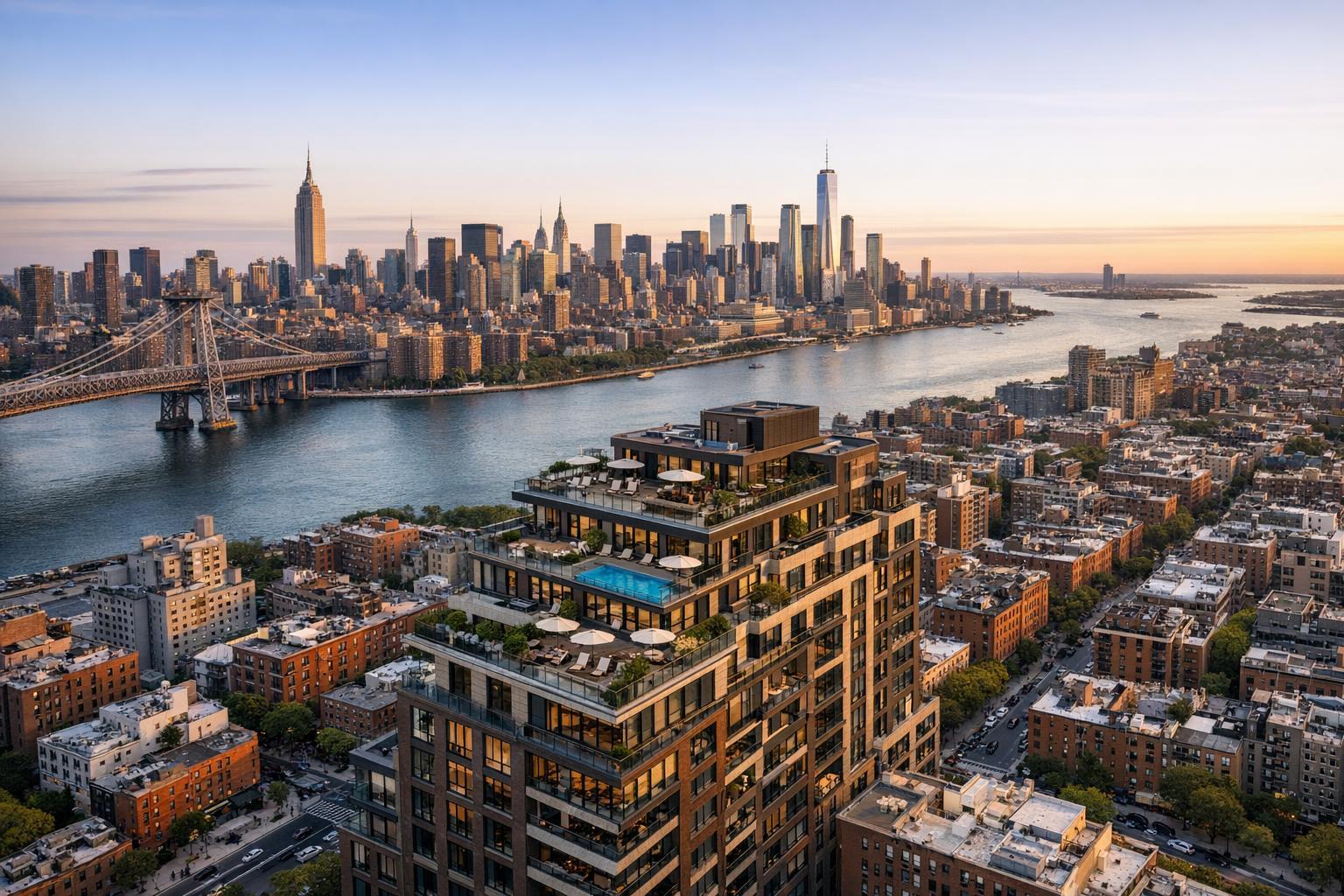
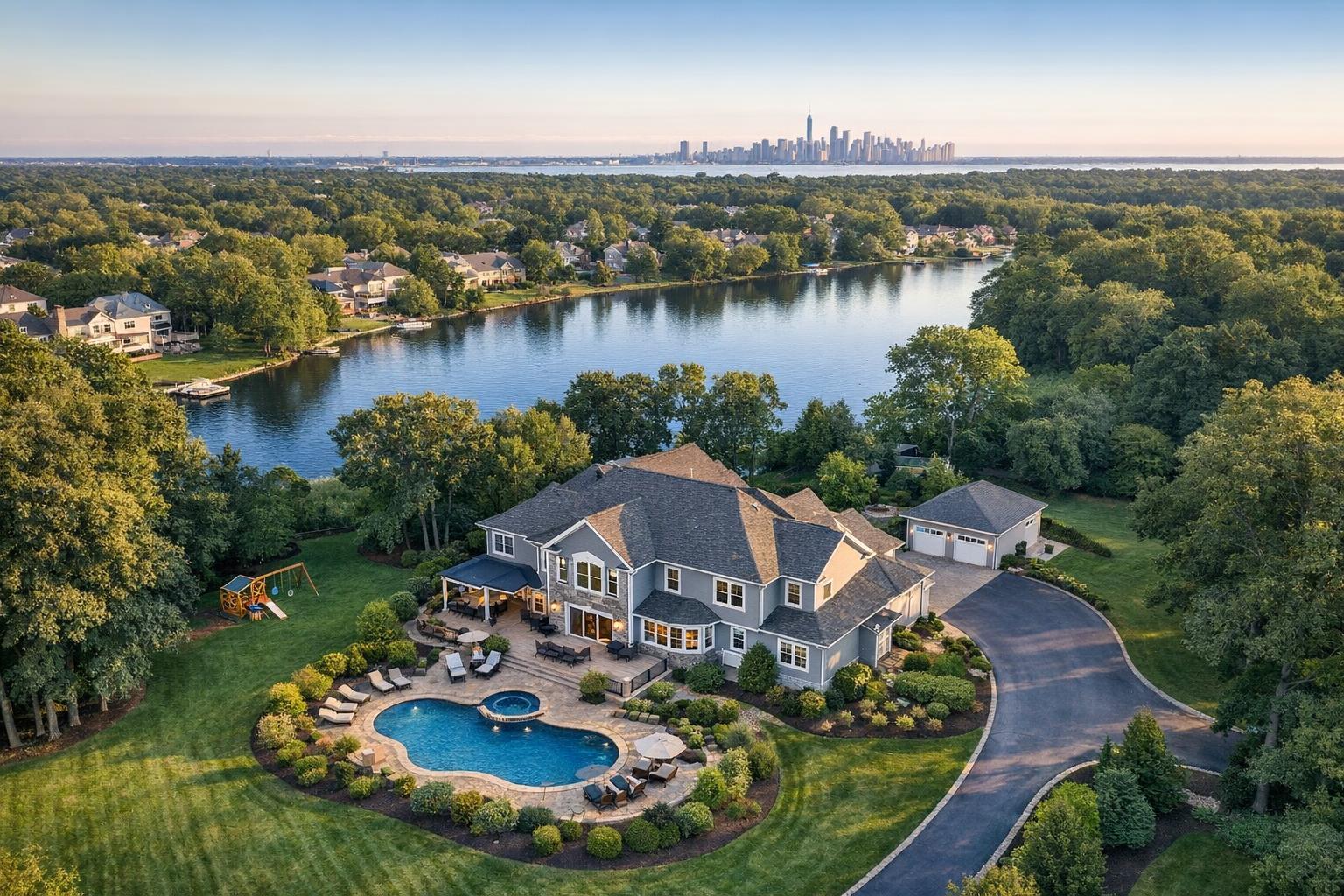
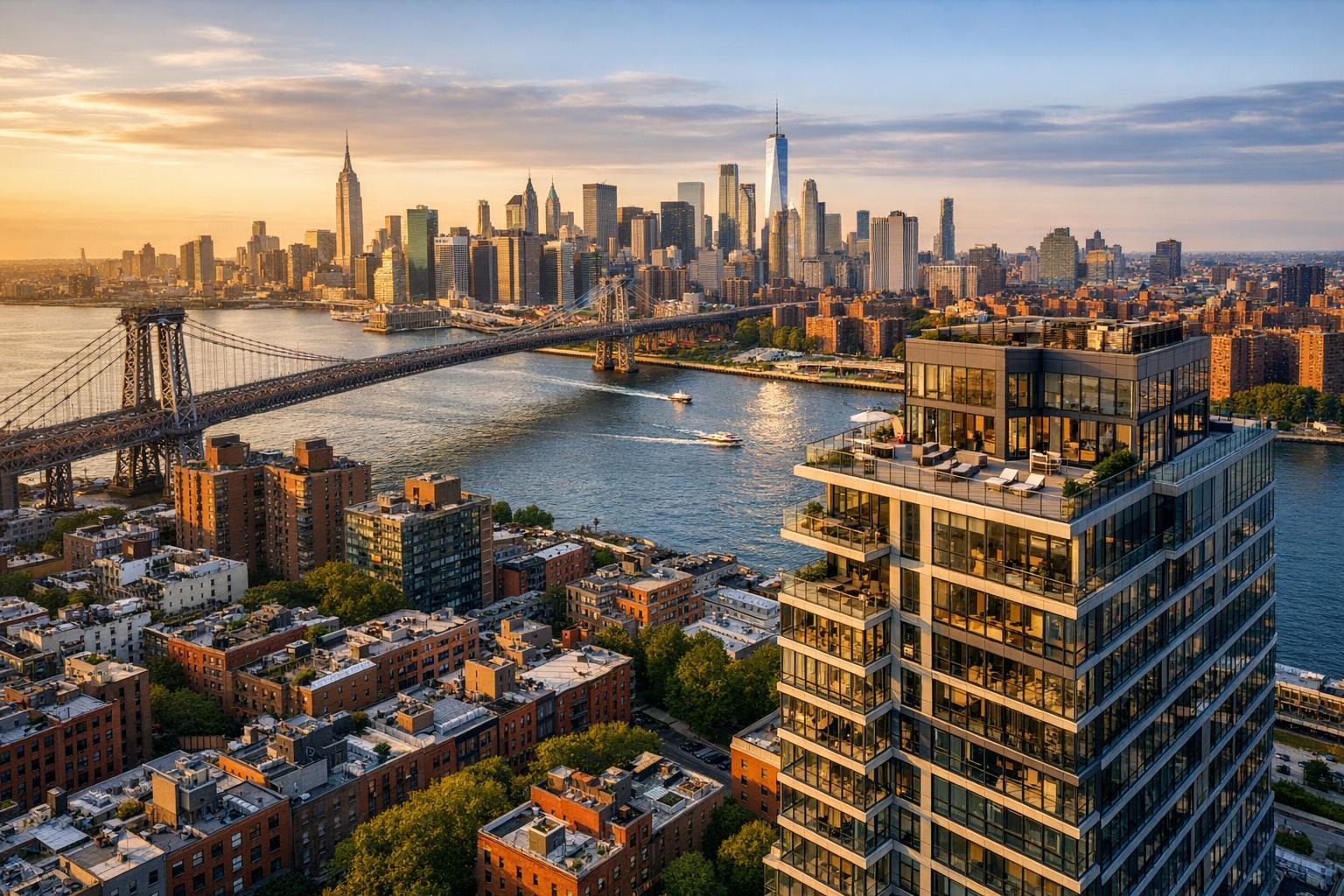
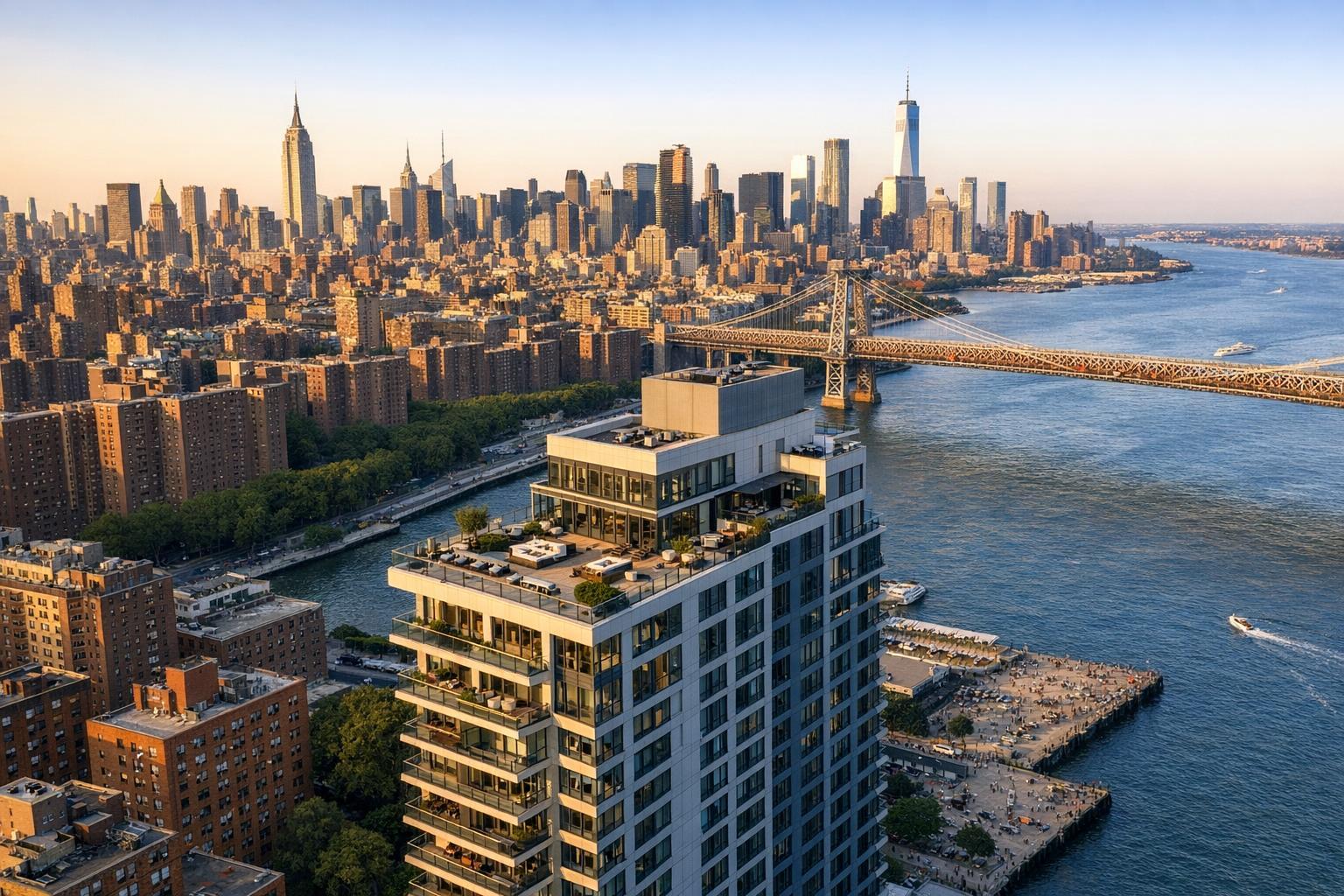
Drone photos or video can spotlight a roof deck, garden, or prime city views, provided conditions allow. In New York, flights depend on airspace rules, weather, building access, and pilot discretion; not every site is eligible for aerial capture.
How to Choose the Right Real Estate Photographer in NYC
Selecting your listing photographer is about more than just the lowest rate. Look for a partner who understands your target audience, the nuances of your property, and how to navigate NYC logistics.
Ask questions that matter:
- Are there portfolio examples of similar properties?
- Is photo quality consistent across all rooms and lighting scenarios?
- Are vertical lines straight, and is natural light handled well?
- Can the photographer handle special requests, access instructions, or tight time windows?
- What’s included in each package, and are add-ons clearly explained?
- What prep steps should you complete beforehand?
- How is scheduling handled—what’s required at booking?
Walk through their galleries beyond highlight shots. Do standard rooms look clear and inviting? Are window views presented thoughtfully? Is the story of the property easy to follow from the photo sequence?
Scheduling NYC Real Estate Photography With RealtaSnap
RealtaSnap serves all five boroughs—Manhattan, Brooklyn, Queens, the Bronx, and Staten Island—as well as all of New Jersey. Booking is straightforward and fully online. Simply visit RealtaSnap’s NYC real estate photography page, enter your service address and access details, select the photography package and any add-ons, choose an available appointment, add special notes, and complete payment to confirm.
A few tips for smooth scheduling:
- Book at least 24 hours in advance
- Use the “order notes” section for special access needs or to highlight must-have shots (e.g., a terrace, garden, or newly renovated kitchen)
- Be clear about apartment numbers and any building check-in protocols
If the real-time calendar shows an open slot, it’s available. Payment is collected in full upon confirmation.
Make Every Image Count
Strategic, professional real estate photography does more than fill a gallery—it opens the door to buyer interest, tours, and offers. By preparing your property, prioritizing its most appealing features, and teaming up with a photographer who understands the NYC market, you can present your home in its best light and maximize its selling potential.
For expert guidance and tailored packages, visit RealtaSnap for NYC photography services or start your booking at www.RealtaSnap.com.
FAQ
Question: How many photos should I expect for my NYC real estate listing?
Answer: The ideal number depends on your property’s size and standout features. A simple studio often needs fewer images than a two-bedroom with renovations and outdoor space. Focus on highlighting the main rooms, kitchen, bathrooms, views, and unique qualities that help buyers understand the value.
Question: What’s the difference between shooting an occupied versus a vacant home?
Answer: Occupied homes require extra tidying—remove personal items and minimize clutter to showcase the space itself. For vacant homes, composition is key, and in some cases, virtual staging can help buyers visualize furniture placement (as long as rooms are empty or clutter has been digitally removed beforehand).
Question: Can I add virtual or aerial services for my property?
Answer: Yes, RealtaSnap offers AI virtual staging for empty or decluttered rooms and drone media where airspace, safety, and building access allow. Both services have clear guidelines—virtual staging is not applied over existing furniture, and drone capture in NYC depends on multiple factors, including regulatory allowance and pilot discretion.