How to Choose a Brooklyn Real Estate Photographer for Your Next Listing
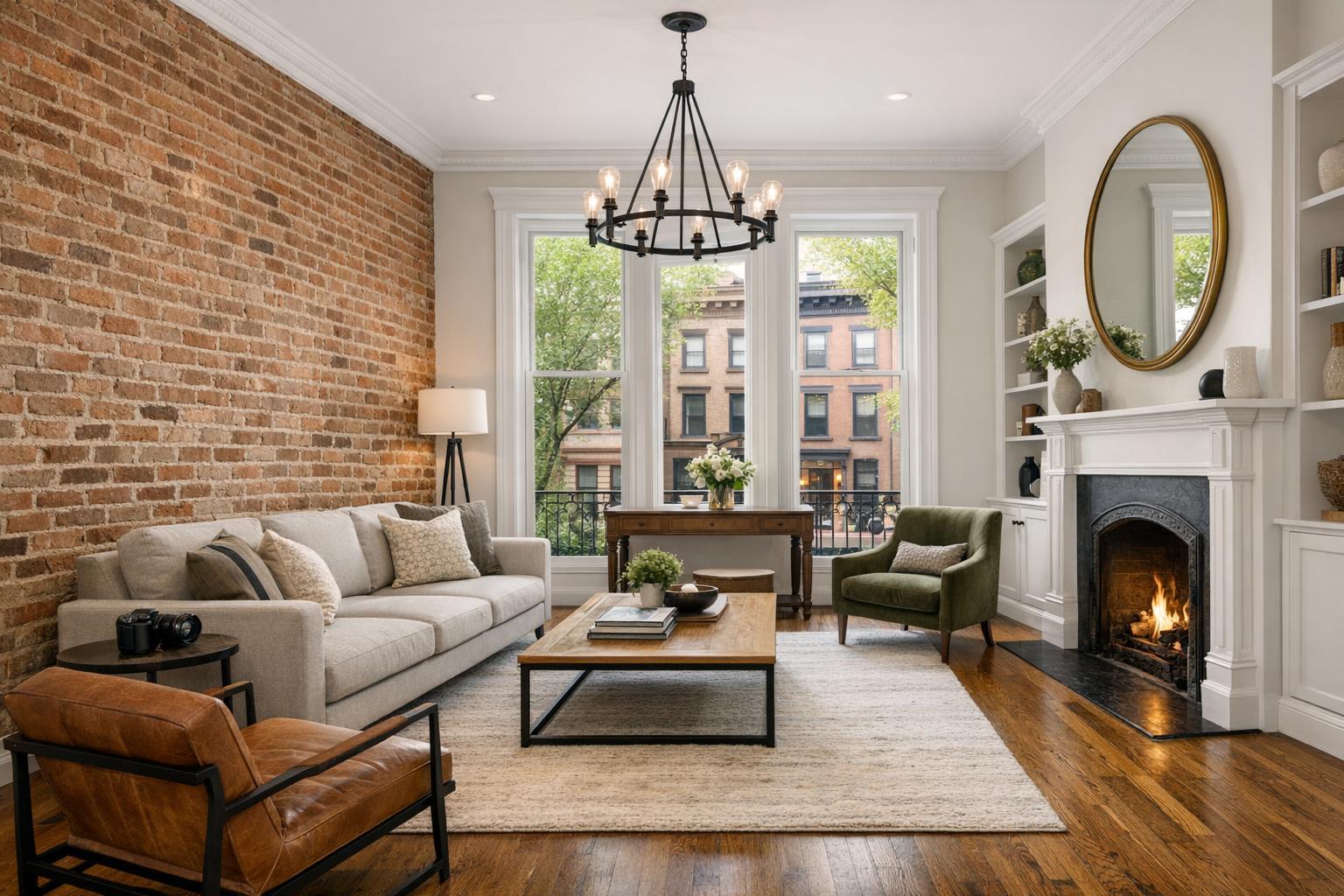
Captured by a Brooklyn real estate photographer, this stylish living room features a cozy fireplace, exposed brick wall, and large windows overlooking classic brownstones.

How to Choose a Brooklyn Real Estate Photographer for Your Next Listing
A Brooklyn real estate photographer isn't just someone who snaps attractive images—they're a partner in presenting your property thoughtfully online. In a market as diverse as Brooklyn, where listings range from compact condos and classic brownstones to detail-rich pre-war co-ops and sprawling townhouses, the right photographer will help clarify your property's story for buyers, not just fill a gallery with cookie-cutter views.
Let's dig into what really matters when hiring real estate photography in Brooklyn—and how to find a photographer who understands the borough's unique set of challenges (and opportunities).
Start With the Property, Not a Package
Before comparing rates or scrolling through portfolios, take a moment to outline what your listing needs—not just how many photos you want. Brooklyn real estate comes in every imaginable shape, so an effective shoot starts with a clear objective:
- Which rooms or features are selling points? Is it the kitchen, outdoor space, high ceilings, or period details?
- Are there elements like fireplaces, stained glass, or exposed brick that should be documented?
- Is there a roof deck, terrace, garden, or other standout exterior?
- Would a floor plan or 3D tour make sense for less straightforward layouts?
- Are building amenities or neighborhood context relevant to your target buyers?
- What is the home's current state: empty, occupied, or still being prepared?
By clarifying these points upfront, you’ll be able to communicate the property’s real priorities with any Brooklyn property photographer you contact. This helps you select a pro based on their judgment and the fit with your listing, not just on price or photo count.
What to Look For in a Real Estate Photography Portfolio
Browsing photographer portfolios is about more than aesthetics. In Brooklyn, the right fit means someone who understands how to handle small spaces, varied lighting, and all the quirks that come with older buildings or mixed-use developments.
When you scan sample galleries, keep an eye out for:
Interiors That Feel Natural
A good listing photo should look polished, but the colors, finishes, and light should still feel plausible in person. Heavy-handed edits can make rooms look brighter or whiter than reality, while flat shots can undersell an otherwise beautiful space. Instead, favor portfolios where the photography looks honest, balanced, and accurate—even when spaces are challenging.
Balanced Window Exposures
Brooklyn properties often face daylight challenges—urban density means bright living rooms and dim bedrooms, or tiny kitchens tucked away from the windows. Look for evidence that the photographer knows how to capture both the room’s interior and the view beyond the windows, instead of ending up with rooms full of blown-out white or deep shadows.
Straight Lines and Accurate Proportions
Slanted doorways, curved walls, or wildly stretched furniture are telltale signs of awkward lens choice or rushed editing. Real estate photography should help viewers understand space and flow, not exaggerate size. The best portfolios present rooms as they actually are—bright, professional, and inviting, but not distorted.
Visual Flow, Not Just Highlights
An effective property gallery feels like a mini-tour. Photos should follow a logical order, showing how rooms connect and answering the questions buyers are likely to have ("How do you get to the garden?" "What does the entry look like?"). If a portfolio sequence jumps around or repeats the same angle, it's worth asking the photographer how they approach shot planning and narrative.
Navigating Brooklyn's Real Estate Photography Challenges
Every borough brings its quirks, but Brooklyn properties routinely challenge photographers to adapt in the field. Here’s how a seasoned Brooklyn real estate photographer approaches different property types:
Small Apartments and Studios
In compact spaces, just a few misplaced items can overwhelm a shot. Good composition means making the most of tight angles and using supporting images for helpful details (think custom closets or clever storage). Decide ahead of time which areas need prominent attention and which details can be handled with close-ups.
Brownstones and Multi-Level Homes
Brownstones might have grand entrances, staircases, multiple floors, backyards, and roof access—all of which are selling points, but also complicate shot lists. Your photographer should create a sense of flow without getting bogged down in repetition, and be ready to work around daylight, room readiness, and building access.
Don’t forget: outdoor areas often look their best at particular times of day. It’s smart to discuss sunlight, shadows, and access details well in advance.
Pre-War and Detail-Rich Interiors
Brooklyn is full of architectural treasures—moldings, fireplaces, built-ins, and intricate flooring. The strongest galleries give these details their due without losing sight of the bigger picture. Ideally, you’ll see a mix of full-room shots and focused vignettes.
Condos, Co-ops, and Shared Spaces
Access can be an issue in large buildings. Elevator reservations, doorman policies, and amenity restrictions are common. Double-check what can be photographed before setting a shoot date, especially if building features are a key part of your listing’s value.
The Role of Preparation
Even a top-tier photographer is limited by a room that’s cluttered, half-packed, or in the middle of cleaning. Prepping the space before the shoot unlocks better angles and more usable photos. Here’s a handy prep checklist:
- Clear most items from kitchen counters, bathrooms, and surfaces
- Remove magnets, cords, pet gear, visible trash, and family photos
- Open curtains and blinds where possible
- Replace burned bulbs and turn lights on
- Make beds and tidy linens
- Move bins, cleaning tools, and unnecessary furniture out of walkways
- Stage outdoor areas by tidying furniture and removing excess
- Confirm building access and amenity availability ahead of time
Occupied homes require extra coordination: tenants, pets, movers, and building staff all affect timing and access. Let your photographer know ahead of time if there are special limitations or if rooms will be in use during the appointment. Setting expectations with everyone involved goes a long way.
Supplementing Photography: Floor Plans, Video, and More
While sharp photos should be the backbone of any Brooklyn listing, supporting media can sometimes clarify a property’s layout or highlight its unique advantages. Think carefully about whether your space would benefit from:
- Floor plans: Essential for odd layouts, multi-floor spaces, or homes with separated wings. They require on-site capture—no creating new plans from existing photos or PDFs.
- Video walkthroughs: Captured on site and great for showing movement and flow, especially in larger or highly unique homes.
- Virtual tours: Interactive 3D tours can help remote buyers get a good feel for the layout. Like floor plans, these require a site visit.
- Drone imagery: Can add context or drama for listings with roof decks, large outdoor spaces, or compelling locations. Feasibility in Brooklyn depends on access, local rules, airspace, and pilot discretion. Discuss the need for drone shots before the shoot.
- Virtual staging: Best for empty rooms, helping viewers imagine the possibilities. If existing furniture is present, clutter removal would need to be handled first for realistic results.
Decide which assets genuinely support your listing instead of checking every box.
Questions to Ask a Brooklyn Property Photographer
To narrow in on the right real estate photographer, go beyond price and ask:
- Can I review full galleries for similar Brooklyn properties?
- How do you handle small spaces or multi-floor homes?
- What’s your typical photo count recommendation, and why?
- How can I prepare the home to get the best results?
- Are floor plans, video, or drone shots practical or worthwhile for this property?
- What building access details should I confirm before the shoot?
- How are additional edits or requests handled if needed?
- What do you need from me before the appointment?
The best answers will be specific to your listing, covering space, access, readiness, and your marketing priorities.
Working With RealtaSnap
RealtaSnap specializes in real estate media for Brooklyn and the broader New York City and New Jersey areas. Every shoot starts with listing details—size, flow, features, condition, and any factors that might affect access. You’ll be able to select from photo sets that fit your property, with related services (like floor plans, video, 3D tours, aerials, and virtual staging) available as add-ons when they provide extra value.
Booking is straightforward. Agents and owners can schedule a shoot online at any time by entering the service address, choosing desired services, setting up access notes, and selecting an available time slot—from there, you can pay and finalize in just a few clicks. Start your online booking here.
You can also browse portfolio samples and learn more about service options on RealtaSnap’s homepage.
Making the Most of Every Brooklyn Listing
Choosing a property photographer is about more than good-looking images—it's about trusting someone to capture your Brooklyn property honestly, efficiently, and with local expertise. Take time to vet portfolios, prepare your space, and provide clear access and instructions. Only invest in supplemental media when it truly deepens your listing’s story.
For seasoned, professional listing photography and related media services in Brooklyn and across NYC, visit www.RealtaSnap.com.
FAQ
Question: How many listing photos should I order for my Brooklyn apartment?
Answer: There’s no universal number. The best photo count depends on the home’s size, layout, architectural features, outdoor space, and any building amenities worth showing. Studios or one-bedrooms may need fewer images, while multi-floor properties usually require more. Every photo included should offer meaningful information, not endless variations of the same view.
Question: Can a floor plan or virtual tour be made from existing photos?
Answer: No. Accurate floor plans and 3D tours require physical, on-site scanning of the property. They can’t be produced from listing photos, PDFs, or rough sketches. If you need these assets, plan ahead to provide access to all relevant areas.
Question: Is there a different approach for photographing occupied vs. vacant spaces?
Answer: Absolutely. Occupied homes call for more coordination around belongings, furniture placement, pets, and access—clean-up and decluttering are crucial. Vacant properties can be easier to prep and are ideal for virtual staging, provided the rooms are clear of furniture and clutter.
Ready to present your Brooklyn property at its best? Visit www.RealtaSnap.com.