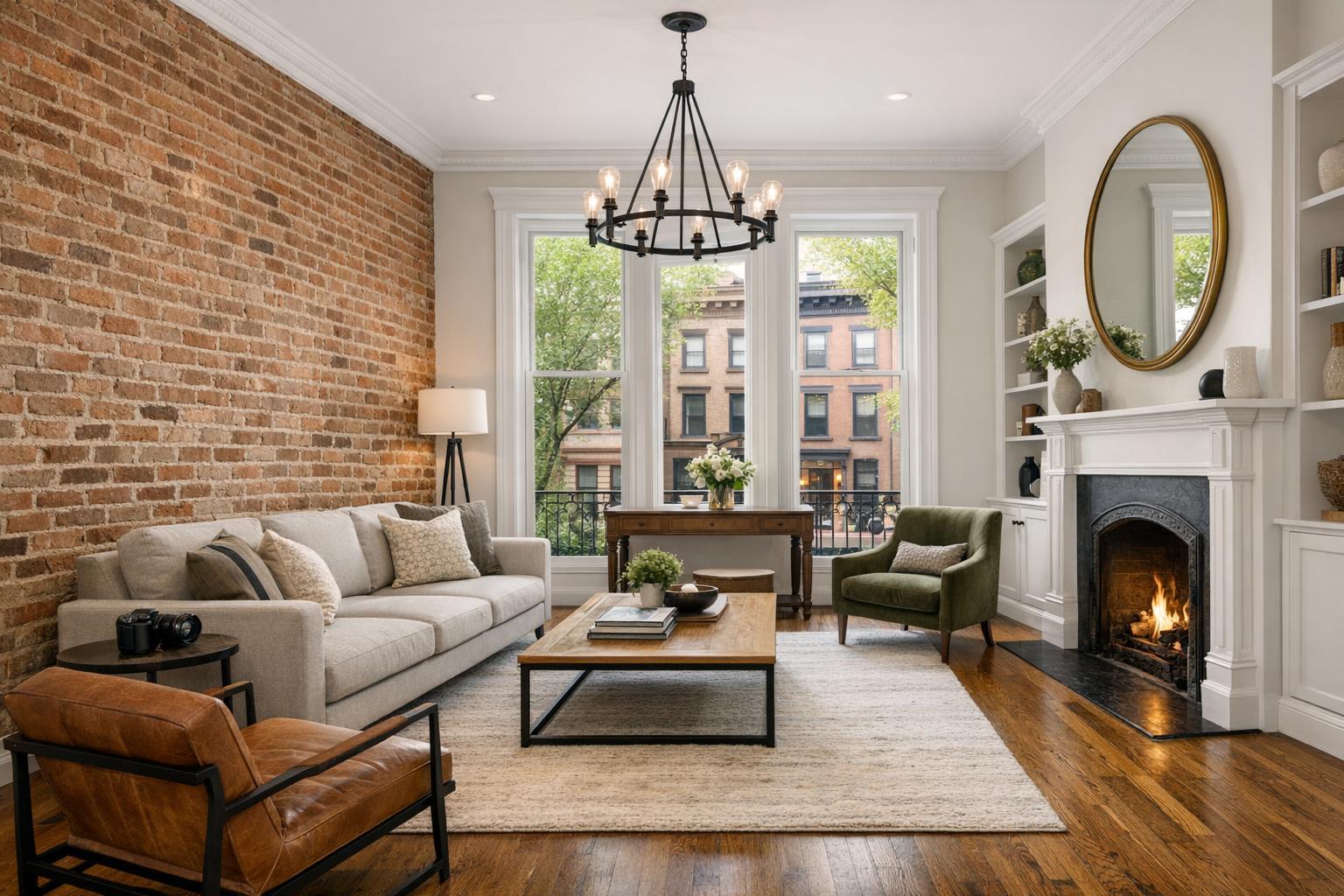
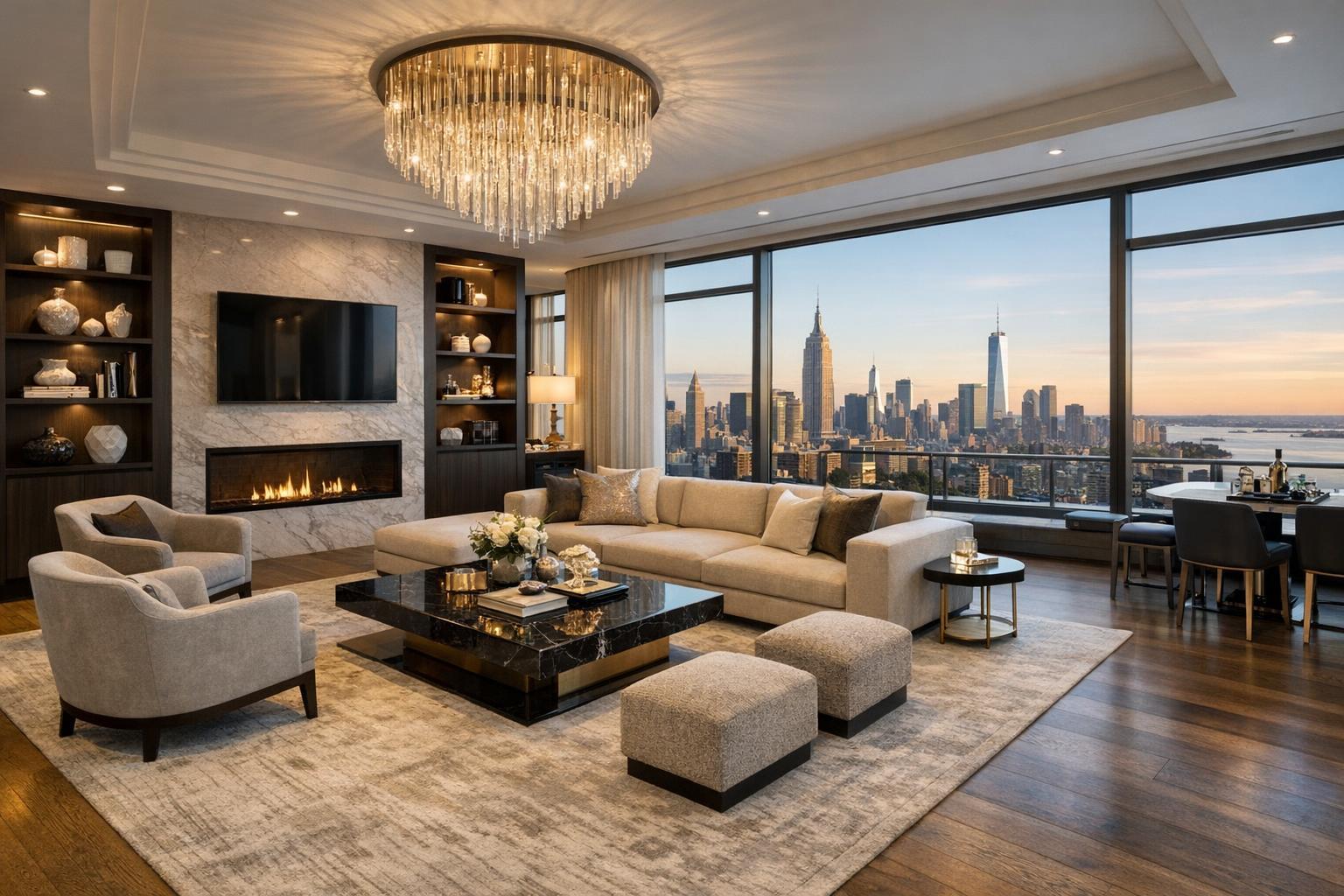
How to Choose a Manhattan Real Estate Photographer for Your Next Listing
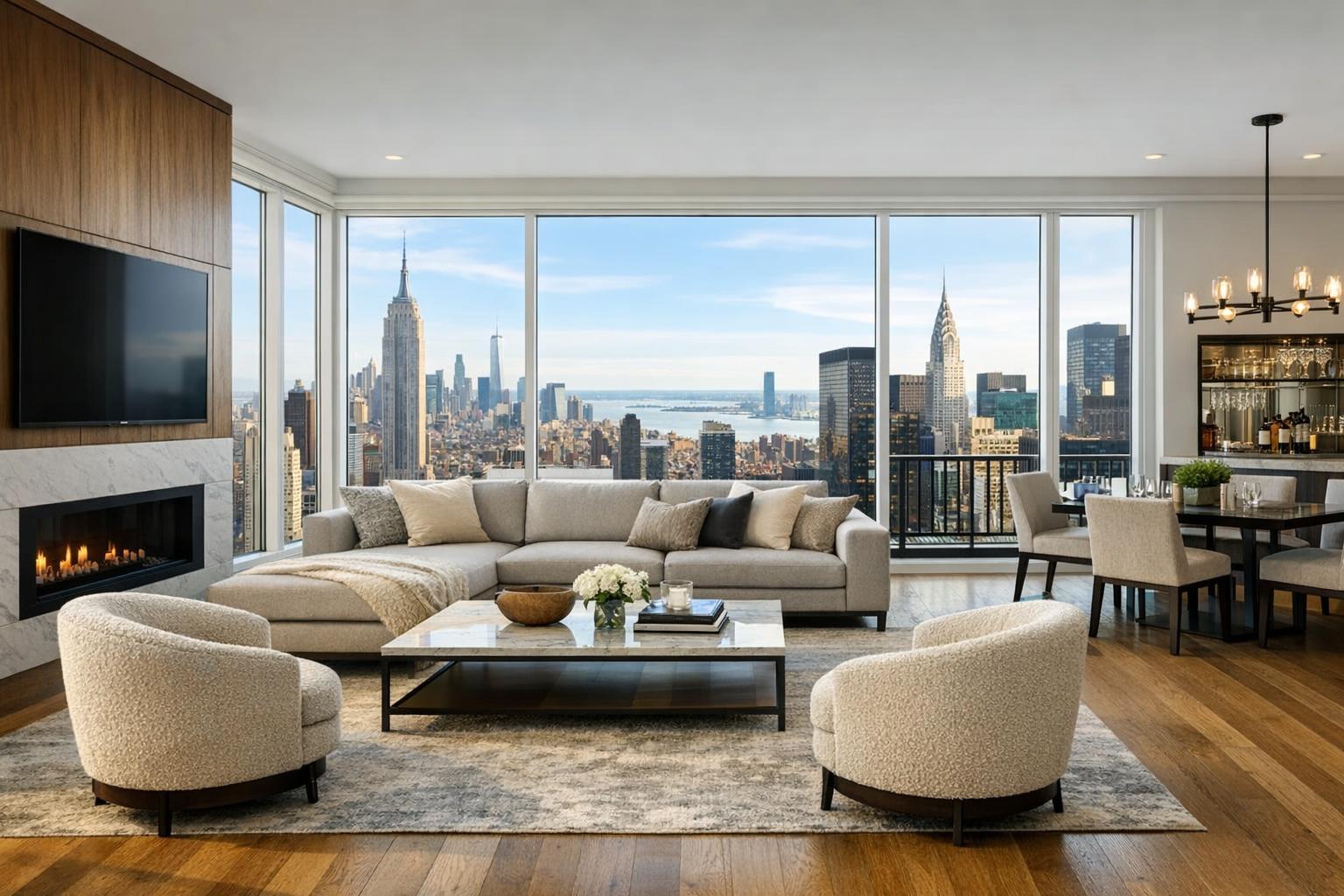
A Manhattan real estate photographer captures a luxurious living room with a breathtaking view of the New York City skyline, featuring the Empire State Building and Chrysler Building.

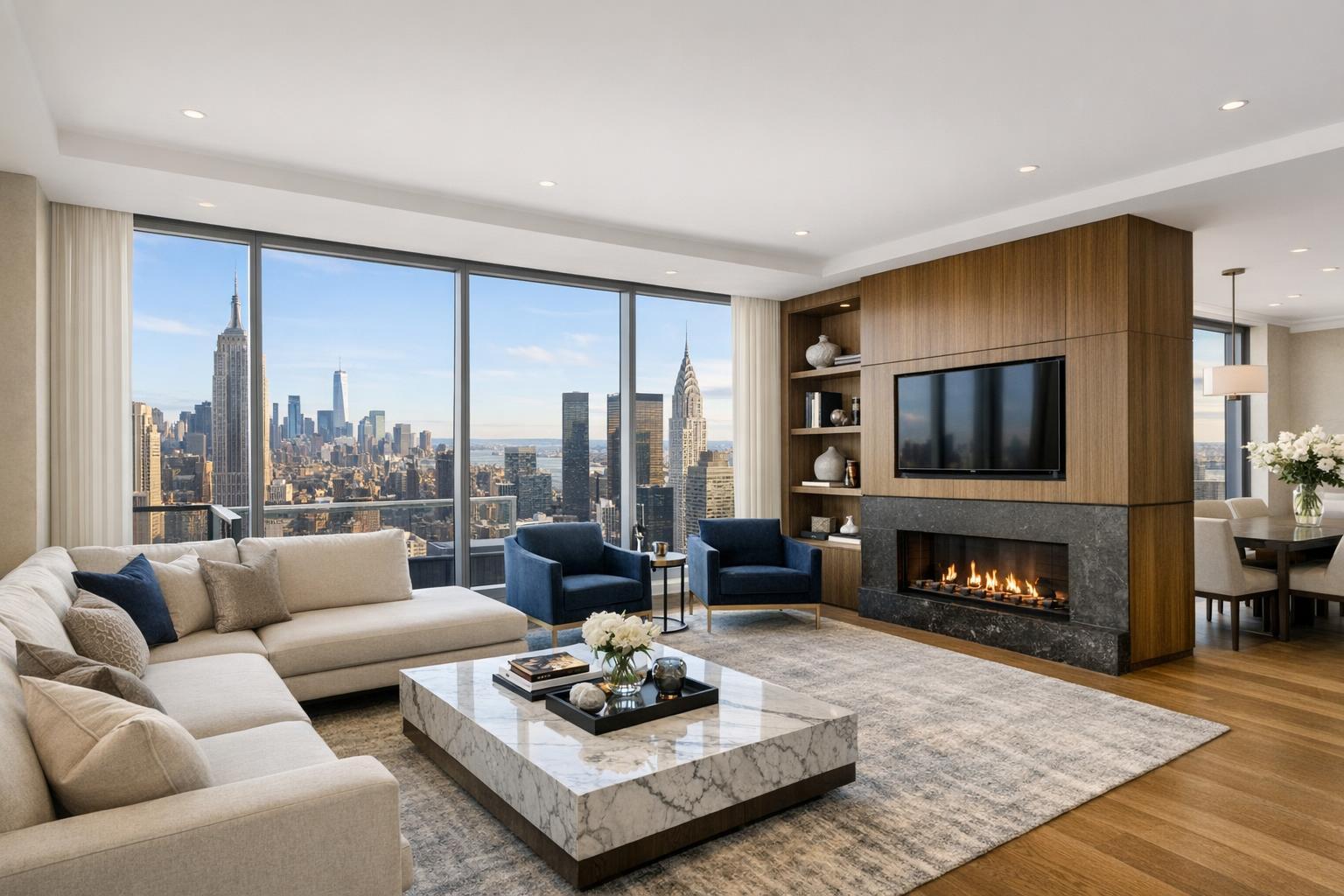
How to Choose a Manhattan Real Estate Photographer for Your Next Listing
Selecting a Manhattan real estate photographer is about more than simply getting bright, attractive photos. For agents, brokers, developers, and property managers, it’s about presenting properties accurately while working within the unique realities of New York City buildings.
In Manhattan, the challenge is in the details: compact spaces, iconic skyline views, classic architectural elements, building access policies, service elevator reservations, and the ever-present energy of a busy city. An experienced real estate photographer understands that it’s their job to create a visual record while keeping the process organized for everyone involved.
Let’s walk through what you should consider when evaluating a real estate photography NYC provider—beyond just reviewing a portfolio—and how to match your media package to the true needs of your listing.
Moving Past the Portfolio
It’s tempting to judge a photographer on their most beautiful shots alone. But to get meaningful results, you’ll want to dig deeper.
Look for More Than Pretty Pictures
A professional property photographer should deliver images that help buyers, tenants, or clients clearly understand the space—not just make it seem bigger or brighter than it really is. As you review galleries:
- Focus on how rooms are composed. Are spaces presented logically, not distorted by unnecessary wide angles?
- Check if features like skyline views, pre-war details, and unique layouts are visible and believable.
- Make sure the transition from room to room in the gallery helps the viewer “walk through” the property in their mind.
Mind the Details: Lines and Light
New York properties are defined by strong lines—windows, moldings, cabinetry, and more. Be sure to check:
- Do verticals (like window frames and doors) look straight, not leaning or bowed?
- Is window exposure balanced, allowing both interior and exterior views to be legible?
- Does the color look natural across images, or are walls and wood finishes tinted with odd color casts?
High-quality real estate photography should avoid excessive editing tricks. Property photos should look professional, organized, and—most of all—honest.
Consistent Editing Matters
A successful photo set isn’t just a collection of dramatic shots. It’s a gallery that feels cohesive and tells the full story of the property, from main rooms to hallways, bathrooms, and utility spaces.
Look for:
- Consistency in tone, exposure, and style throughout the gallery.
- Accurate representation of each room, including less glamorous areas.
- Clarity around what’s included in standard editing versus what might be considered retouching or advanced object removal.
Don’t hesitate to ask for complete galleries, not just highlight reels. This gives you a sense of how the photographer manages whole listings—messy rooms, dark bathrooms, and all.
Navigating Building Logistics in Manhattan
A polished portfolio won’t help if the shoot can’t happen smoothly. In Manhattan, access and logistics are half the job.
Before booking, ask about:
- Building requirements: Will the photographer need a certificate of insurance? Service elevator reservation? Security check-in?
- Timing restrictions: Are there building rules about when work can be performed?
- Occupied units: Will the shoot need to work around residents, tenants, pets, or contractors?
- Spaces with limited access: Are you able to get into the roof deck, amenities, or all private rooms?
A seasoned NYC photographer will want these details upfront. This helps avoid last-minute snags and keeps everyone moving on time.
For occupied homes, preparation matters even more. If you’re coordinating with residents or tenants, encourage them to tidy visible surfaces and minimize personal items. Small touches—clearing counters, closing closet doors—go a long way.
Matching Services to Your Listing
While photography is the foundation for almost every listing, the best media package depends on the listing’s size, layout, and marketing plan.
When Photos Are Enough
Not every listing requires every media option. For straightforward rentals or listings with a clear, compact layout, a small, thoughtfully composed photo gallery can be more effective than layering on video or virtual tours. Focus on letting features like natural light and architectural character shine through.
The Right Time for Floor Plans
Floor plans are a valuable add-on when layouts are complex, feature awkward angles, or include alcoves and office nooks. They’re particularly useful for Manhattan co-ops and condos, where every square foot and hallway placement matters. Floor plans require physical, on-site capture—so access to all spaces in the apartment or townhouse is a must.
Using Video or 3D Tours
A listing video can help viewers understand how rooms connect and what it feels like to move through the property. For this to be meaningful, video should be captured on-site and designed to match the property—not stitched together from still photos.
Virtual tours, like those created with Matterport, are best for larger homes, new development, or any listing likely to attract out-of-town interest. Like floor plans, 3D tours require a separate visit for on-site scanning.
Virtual Staging and Drone Media
Virtual staging works best in empty rooms. If furniture is present, it should be removed prior to shooting or clutter removal should be ordered. Staging should complement the actual physical space, not cover up reality.
Drone photography isn’t a given in Manhattan. Whether a drone flight is possible depends on airspace, weather, safety, building permissions, and pilot discretion. Talk about aerial needs early if exterior context matters for your listing.
Communication and Booking
Great results come from clear expectations. Before booking, ask the provider about:
- Their booking process: Is everything handled online? Will you receive a confirmation and a list of included services?
- Special instructions: Is there a place to note building access or requests?
- Turnaround: How long will it take to get your media back? Is there support for urgent timelines?
- Add-ons and edits: What happens if you need extra images, virtual staging, or special edits after the initial delivery?
With RealtaSnap, for instance, you can schedule, select services, enter access info, leave order notes, and complete payment all online. The platform is designed for agents who want a hassle-free way to arrange professional listing photography in Manhattan and across NYC. To see the best option for your property, you can browse available packages and book online here.
Comparing Value Beyond Price
Cost matters, but a low quote is only useful if the service and communication meet your standards. When comparing real estate photography NYC providers, weigh:
- The quality and consistency of full galleries, not just best-of shots
- Familiarity with Manhattan building logistics and policies
- Editing standards—does their gallery look believable and cohesive?
- Flexibility to accommodate your specific property, from floor plan capture to video and virtual staging
- Clear delivery timelines and transparent pricing
Especially for high-end listings or commercial assignments, it can be worth a brief call with the provider to discuss access and the best approach for showing your property.
Final Thought: Choose Media That Clarifies, Not Confuses
A Manhattan real estate photographer is more than someone with a good camera. The right provider knows how to show your space clearly, work within building constraints, and keep everything organized from booking to delivery.
Start by thinking about the experience you want for viewers—whether that means just a set of clear, professional photos or a media package with floor plans, video, and 3D tours. If you’re preparing to list a NYC property, consider RealtaSnap as a straightforward, experienced partner for getting the job done.
Learn more or get started at www.RealtaSnap.com.
FAQ
Question: How much advance notice should I allow when scheduling Manhattan real estate photography?
Answer: The best timing often depends on your building’s requirements. Some need advance paperwork, insurance certificates, or elevator reservations. With RealtaSnap, at least 24 hours' notice is standard, and the online calendar will show times you can book in advance.
Question: Is it always necessary to get a floor plan for a Manhattan listing?
Answer: Not always, but floor plans are especially helpful in apartments or homes with unusual layouts, office nooks, or split-bedroom designs. They make it easier for viewers to understand the space—just remember, on-site access is required to capture a floor plan.
Question: Can virtual staging be applied to rooms that already have furniture?
Answer: No, virtual staging is designed for empty rooms. If furniture is present, it needs to be removed before the shoot, or you’ll want to include professional clutter removal in your order so that the result is clean and realistic.