How to Choose a Commercial Real Estate Photographer for Your Property
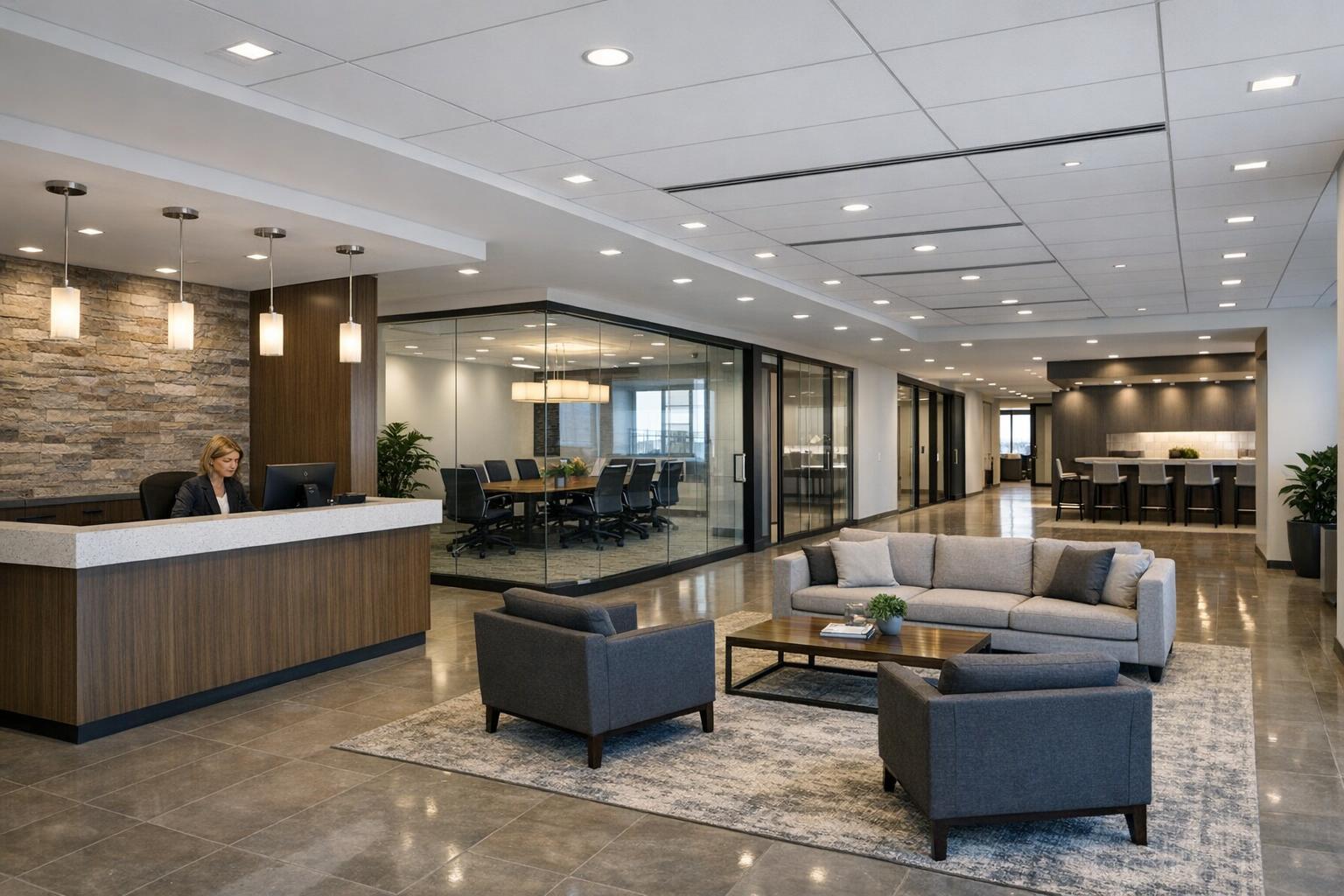
A commercial real estate photographer captures a modern office reception area featuring a sleek design with a lounge, meeting room, and a reception desk.

How to Choose a Commercial Real Estate Photographer for Your Property
A commercial real estate photographer is a key decision maker for commercial brokers, landlords, and developers looking to position a property for lease or sale. Unlike standard residential photography, effective commercial real estate photography services must capture much more than just clean interiors or wide rooms: they need to spell out usable square footage, highlight natural light, convey a sense of scale, showcase workplace amenities, or illustrate how a retail storefront draws customers in off the street.
If you’re evaluating photographers for an office suite in Manhattan, a retail space in Brooklyn, or an industrial asset in North Jersey, expect the process to demand more than simply flipping through pretty portfolios. The right photographer brings a distinct approach, tailored deliverables, and a clear understanding of what your audience needs to see.
What Sets Commercial Photography Apart
Presenting a commercial space is a different challenge than photographing homes. Commercial listings often have to answer practical questions on first glance: How flexible is the floor plan? How much daylight reaches the space? Is the flow intuitive for employees or customers? For a warehouse, can a potential tenant visualize loading docks, clear spans, office buildouts, and truck access just from the photos? A model office unit in a new development may need to express both architectural design and branding consistency across images, even if shot months apart.
Photography here isn’t just about beautiful images. It’s about clarity and context. Good images should help a viewer instantly understand how the space works and why its features matter. They don’t have to answer every single question, but they should tell enough of the story that interested parties know what to ask next.
Identify the Marketing Goal First
Before you begin your photographer search, it helps to step back: How will this property be marketed? Who needs to see it? Will the images live on a national listing platform, end up in investment decks, anchor a developer’s website, or appear in a press release? Different formats call for slightly different approaches and priorities.
Knowing your audience sharpens the shot list. Office tenants may want to see flexibility in work areas and plenty of meeting rooms. Restaurant operators will focus on point-of-sale visibility, seating flow, kitchen access, and sidewalk frontage. Investors may need more context about the building’s position in the neighborhood or parking access.
Share these goals with your photographer upfront. It’s the simplest way to avoid a common mistake: receiving a beautifully edited set of images that don’t really answer the questions your audience cares about.
Evaluating the Photographer’s Portfolio
Anyone can assemble a collection of stylish, well-lit images. What you want is a portfolio of spaces similar to yours—office suites, retail storefronts, warehouses, medical practices, hotels, or multifamily common areas. This shows the photographer understands the quirks of your asset type, from dealing with mixed lighting and reflective glass to balancing interior and window views.
As you scroll through sample galleries, consider:
- Are vertical and horizontal lines corrected, or do walls “lean” in strange ways?
- Do images show the true layout of a space, or are they overly reliant on wide-angle effects?
- Is there a consistent style and quality across the portfolio?
- Do exteriors help viewers understand the property context (location, signage, frontage) instead of just serving as decoration?
Strong coverage gives priority to what matters—sometimes a styled conference room deserves three photos while a utility closet may not need any. The best portfolios reflect that kind of visual judgment.
Clarifying the Photographer’s Approach
Even an experienced commercial property photographer should ask a few questions before showing up with gear. Are specific features a priority (views, showrooms, high ceilings, loading bays)? Are there building restrictions, security procedures, or tenant schedules to work around? How many images will make sense for your project? What should be moved or prepped ahead of the appointment?
A thoughtful photographer will also clarify whether the session must occur around tenant activity, whether certain areas should be photographed empty or staged, and how daylight, reflections, or storefront glass will be handled. For Manhattan or Brooklyn offices, sometimes it’s necessary to book key meeting rooms or coordinate cleaning times; in warehouse environments, confirming access and keeping operational aisles clear makes a huge difference in the final results.
Consistency Across Campaigns
If you’re marketing a portfolio of suites, retail stores, or a large new development, campaign consistency is everything. Inconsistent editing and mismatched color can undermine the sense of a unified project, especially when images are shot over different days or across multiple buildings.
Look for:
- Even color balance and brightness
- Straight lines and steady perspective
- Room-to-room visual consistency
- A stable editing style
Brief your photographer about any specific editing needs ahead of time, especially if you need objects digitally removed or expect enhanced retouching. Most standard editing focuses on correcting exposures, minor cleanups, and color correction, not remodeling or dramatic changes.
Property Preparation: Setting the Stage
Even a highly skilled photographer can only do so much with an unprepared space. Invest time in organizing and tidying up before the shoot. A few basics can make a major difference:
- Remove trash, boxes, personal items, and temporary signage
- Straighten up reception desks, conference areas, and showroom floors
- Replace burned-out lights and make sure windows are clean
- Coordinate with staff, tenants, or building personnel so spaces are available when needed
- Give your photographer an updated access plan for rooftops, loading docks, or secured amenities
When the property is occupied, it’s not essential to clear out every sign of human activity. Instead, aim for intentional arrangements (a neat reception desk, a set meeting table, styled retail displays) and avoid clutter that distracts from the space itself.
For more on property prep, RealtaSnap offers a detailed real estate photography prep guide.
Selecting Practical Deliverables
Photography is almost always the bedrock of commercial real estate marketing. Depending on your asset and intended audience, it may make sense to add complementary media:
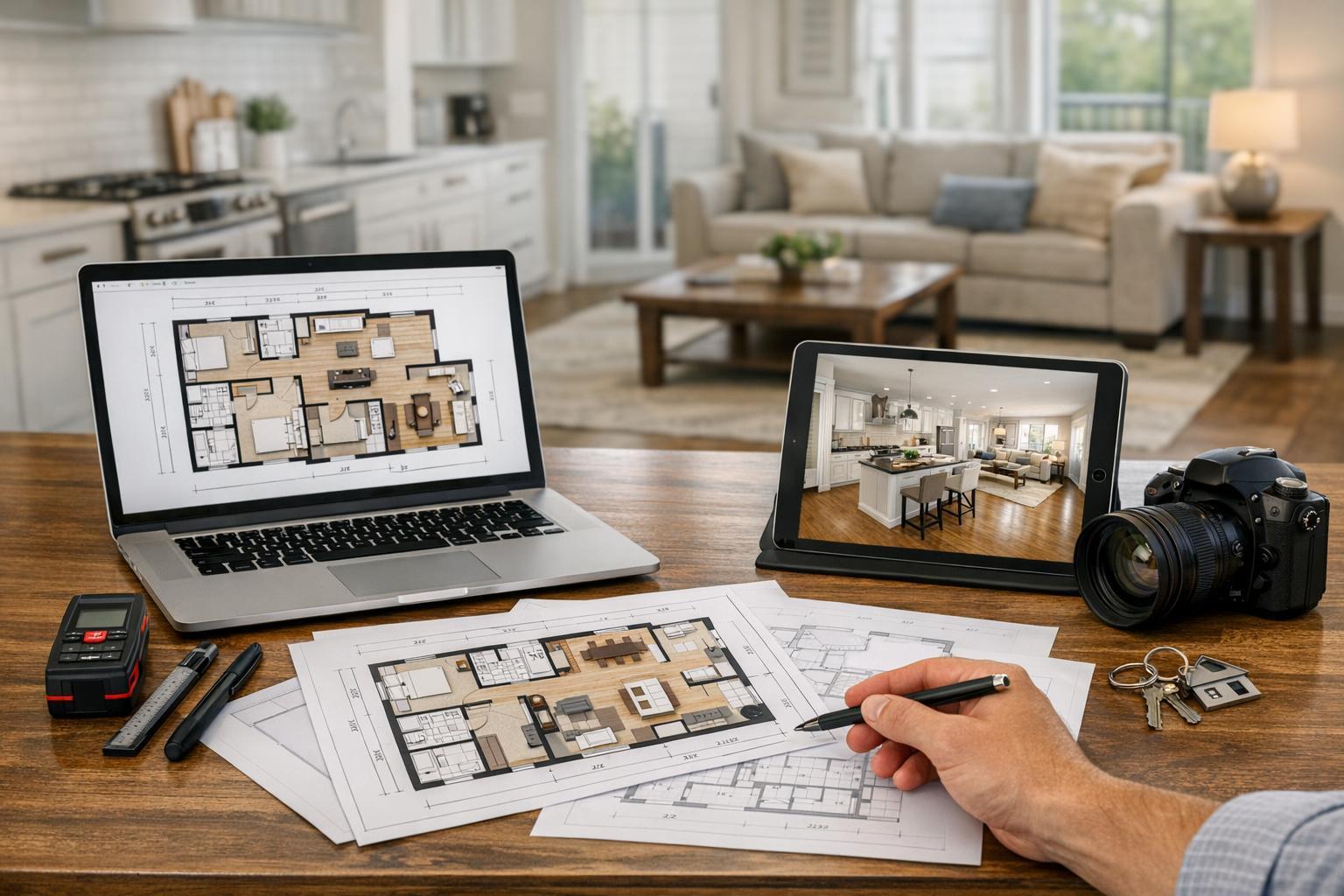
- Floor plans: Great for helping viewers understand room relationships and circulation. These require on-site measurement and capture and are especially useful for offices, retail, and creative spaces.
- Video: Motion walks viewers through a property and can showcase transitions, scale, and atmosphere. Site-captured videos (not slideshows) are ideal for lobbies, showrooms, and amenity sequences.
- 3D virtual tours: Useful for remote teams, decision-makers who can’t visit right away, or marketing assets with complex layouts. Requires on-site scanning—can’t be made from standard photos.
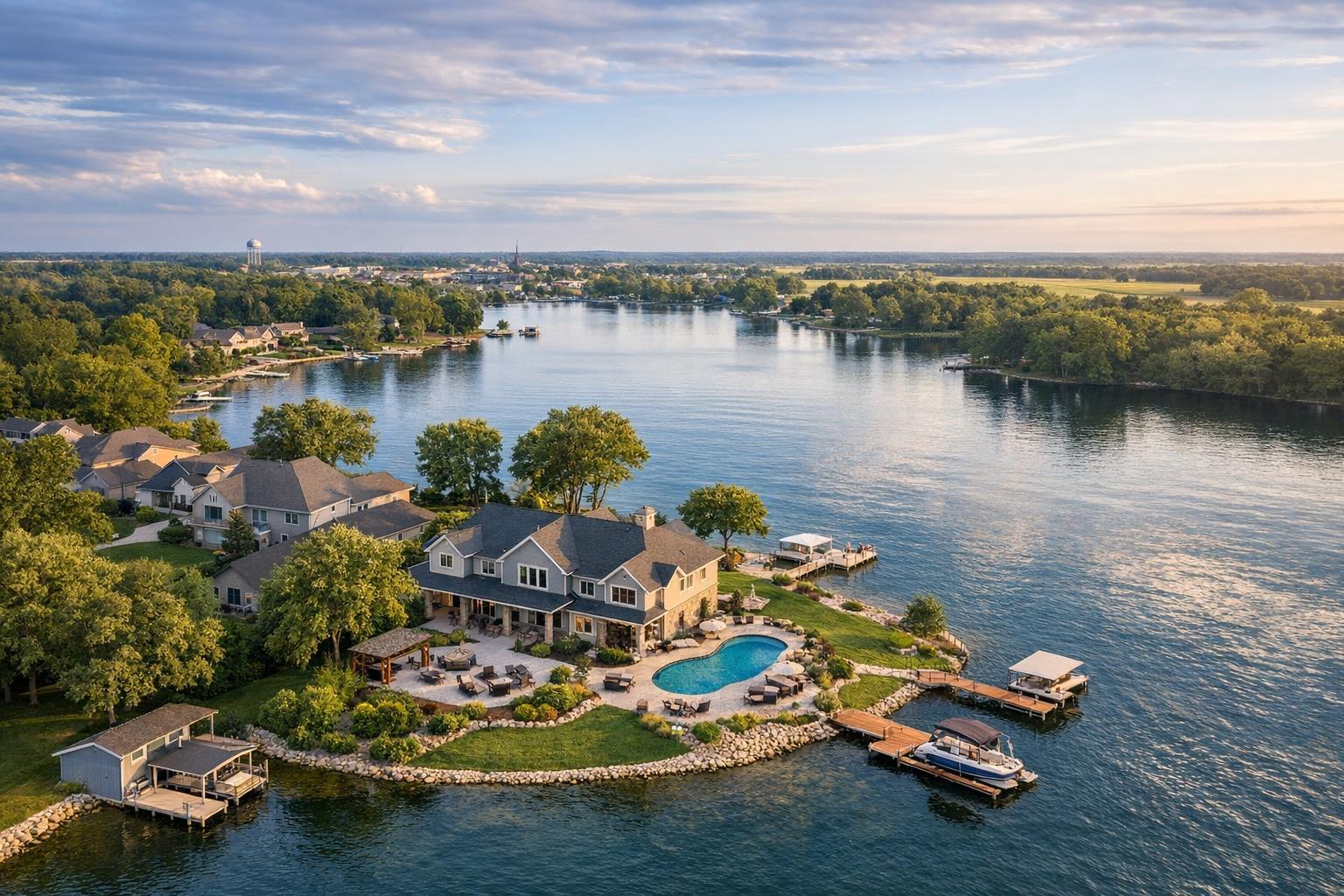
- Drone imagery: Aerial photos or video help contextualize larger properties, industrial sites, waterfronts, and distinctive buildings. Feasibility depends on airspace, weather, safety, and local rules; in NYC, roof access is often needed, but flights aren’t always possible.
Any add-on service should help your audience understand the property—not just add cost or novelty.
Comparing Quotes and Communication
Price always matters, but evaluating commercial real estate photography services isn’t just about comparing cost. It’s about weighing the value of included deliverables, the experience offered, and the communication skills of the provider. A reliable photographer should deliver:
- A clear explanation of what’s included (image count, coverage areas, editing scope, delivery method)
- Realistic scheduling and access coordination
- Options for additional media (floor plans, video, 3D tours, drone)
- A calm, professional approach—especially when juggling the moving parts of occupied or complex sites
Easy, open communication is priceless when your property is on a timeline or involves multiple stakeholders. RealtaSnap, for example, simplifies project setup with an online booking process that collects property information, access notes, and scheduling preferences in one step.
Finding the Right Match for Your Property’s Story
At the end of the day, a commercial property isn’t just about walls and windows—it’s about its story. The right images answer major questions for tenants, buyers, or investors, and make the space easier to assess before anyone walks through the door.
Choose a photographer whose work fits your property type, whose process matches the realities of your project, and whose communication feels smooth from the start. If you’re planning a campaign in NYC or New Jersey, RealtaSnap is happy to help you find the right mix of coverage and deliverables for your asset. Visit www.RealtaSnap.com to learn more or get started.
FAQ
Question: How many photos should I expect for a commercial property?
Answer: The right number depends on size, layout, and features. A small retail space might only need focused shots of its storefront, main floor, and a couple key amenities, while a larger building with multiple suites or amenities will call for more extensive coverage. The best approach is to focus on images that answer key questions, not just fill an arbitrary quota.
Question: Can commercial spaces be photographed while in use or occupied?
Answer: Yes. Occupied spaces often have the furniture or activity that makes the images feel authentic. The key is coordinating with staff, tenants, or cleaning crews so that spaces are tidy and accessible and any distracting items (boxes, loose wires, paperwork) are put away ahead of time.
Question: Is drone photography possible for commercial properties in NYC?
Answer: It sometimes is, but drone flights in New York City are subject to airspace, weather, building access, safety, and regulatory requirements. Roof access helps, but drone operations are not guaranteed at every site and are always decided case by case.
If you have questions about commercial property photography or want to book a session, we’d be happy to help at www.RealtaSnap.com.