How to Choose Real Estate Photography for Your Next Listing
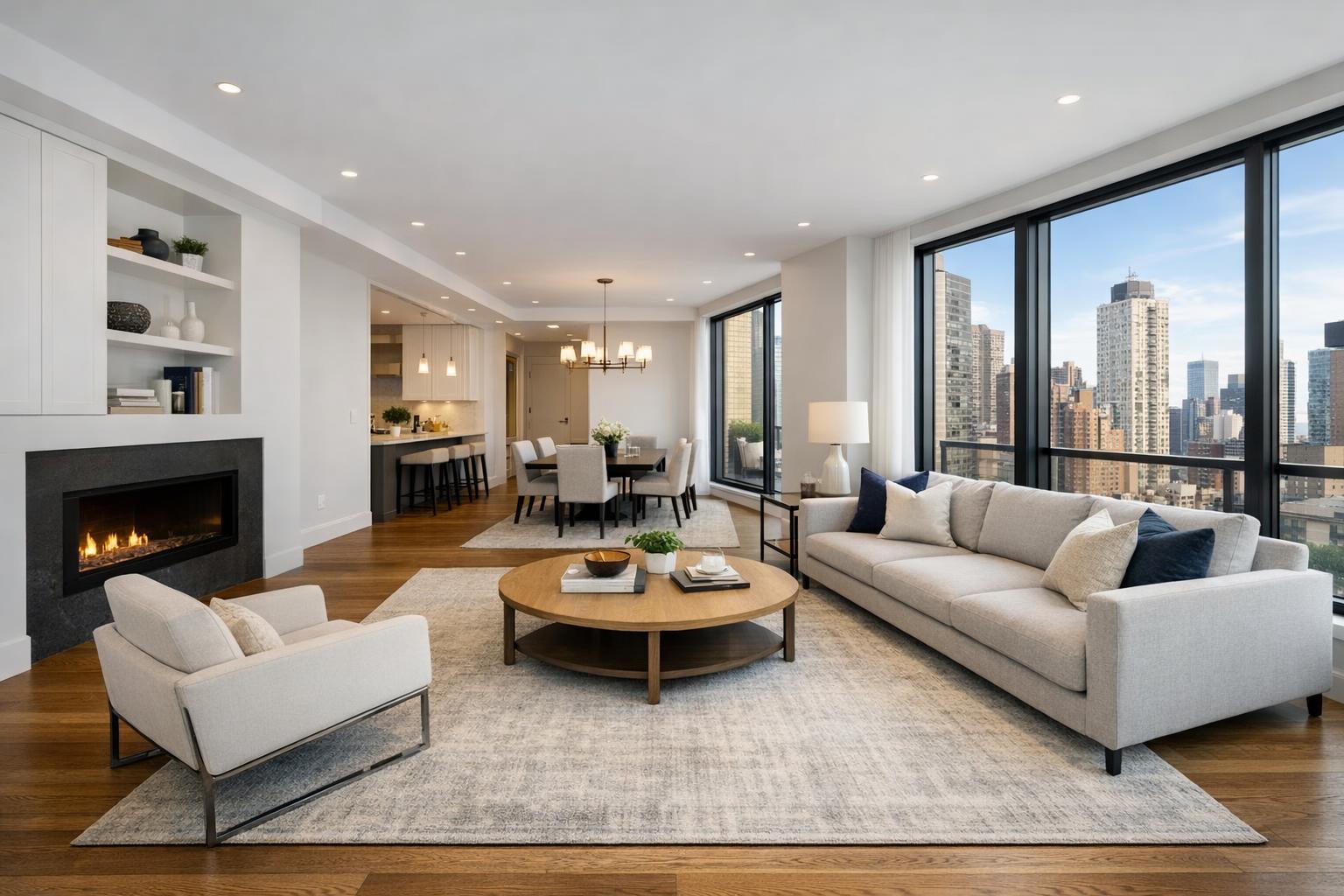
A beautifully staged open-concept living room depicted in real estate photography showcases a cozy seating area, a stone fireplace, and a view into a modern kitchen.

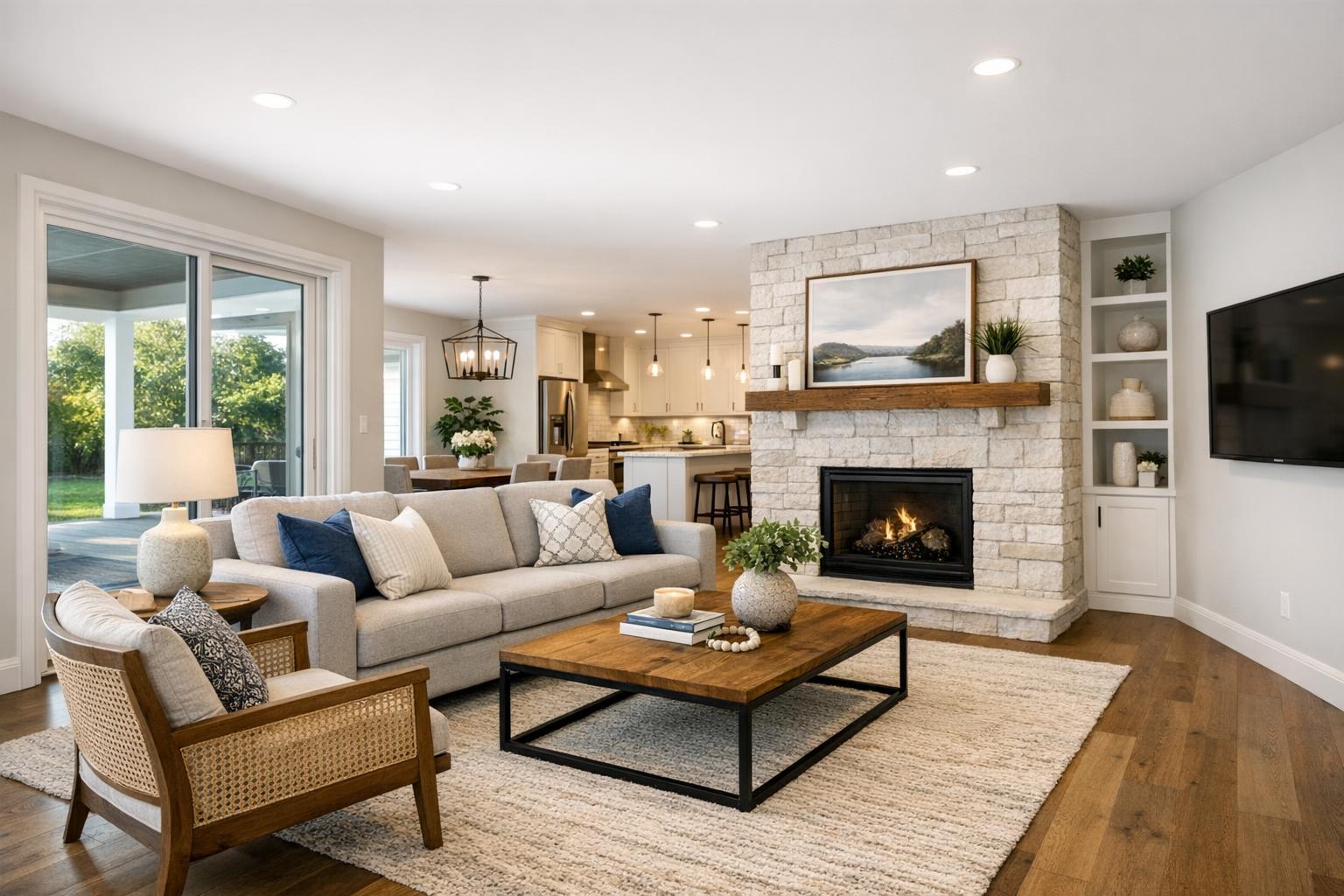
How to Choose Real Estate Photography for Your Next NYC or NJ Listing
Real estate photography is often the starting point for how buyers experience a listing—long before any showing is scheduled. In markets like New York City and New Jersey, compelling photos don’t just make spaces look good. The right images help potential buyers truly understand the flow, lighting, scale, and features of a property.
For agents, brokers, and owners, picking a real estate photographer isn’t as simple as finding the cheapest or quickest option. Professional photography should create a clear, honest, and inviting presentation—one that reflects the property as it actually exists while emphasizing what makes it special. That’s especially important in regions where every square foot and every architectural detail counts.
What Good Real Estate Photography Should Accomplish
Great listing photos give buyers more than just an attractive angle. They should:
- Map out how rooms connect and how the space flows.
- Show room sizes and proportions realistically—no exaggerated stretching or distortion.
- Balance daylight and interior lighting so images look bright, but natural.
- Highlight defining features—think terraces, skyline views, unique millwork, or a renovated kitchen.
- Show the property’s true colors, materials, and views, not a digitally enhanced fantasy.
The right photography style depends heavily on the property itself. A cozy Brooklyn brownstone, a Manhattan condo with sweeping city views, and a sprawling New Jersey home all deserve different approaches. For instance, open lofts might benefit from compositions that showcase windows and airy volume, while a classic townhouse may need photography that preserves the warmth of original wood or brick.
How to Evaluate a Real Estate Photographer’s Portfolio
Many photographers can show off a few dazzling portfolio shots. The better question: can they deliver clear, professional images across every type of space and under varying conditions?
When you review work from a potential provider, don’t just look for dramatic kitchens and penthouse terraces. Browse full listing examples, if possible. Notice how the photographer handles:
- Compact or oddly shaped bedrooms
- Small bathrooms with mirrors or mixed lighting
- Interior spaces with uneven daylight
- Rooms that rely on artificial lighting
- Views through big windows
- Cluttered, furnished, or occupied homes
- Exteriors taken across seasons and weather
Consistency is more important than isolated highlights. You want a provider whose work remains polished and informative from the entryway to the back deck—not just in one or two hero shots.
Matching the Photographer’s Style to Your Listing
Editing style matters. Some listing photos aim for a “bright and airy” feel; others lean toward dramatic contrast or a more editorial look. There’s no universal “best” style. What matters is that the final images are honest and useful for buyers.
Beware of overly heavy edits—colors that look way off, window scenes that don’t match reality, or exposures that feel synthetic. If a property’s value comes from its natural light or a signature view, the editing should show that relationship clearly. Likewise, in brownstones and older homes, capturing the texture and warmth is usually more important than making the place look as bright as possible at all costs.
Practical Questions to Ask Before You Schedule a Shoot
Prior to booking, take a few minutes for a practical conversation with your photographer or real estate photography services provider. Good questions include:
- How many final images are included?
- Have you photographed similar properties—in style, size, or location?
- What is the standard turnaround on deliverables?
- What is the scope of included editing, and are special requests possible?
- How should the property be prepped before your arrival?
- Can you accommodate access requirements for buildings with front desk staff, elevators, or tight scheduling?
- Are you comfortable working in occupied homes?
- Do you offer add-ons like floor plans, video, virtual tours, or drone imagery if needed?
- What’s your process if weather or a last-minute change affects the shoot?
Clear, straightforward answers are more valuable than flashy promises. Make sure you know what you’re getting, what prep is expected, and what will happen on shoot day—especially in busy NYC buildings or suburban homes where logistics can get tricky.
Handling the Realities of Lighting, Space, and Property Access
Photography for listings almost always comes with challenges—mixed light, tight rooms, tricky access, and exterior conditions. The best real estate photographers factor these challenges into their planning.
- Mixed lighting: Many homes combine overhead lights, daylight, and lamps. A skilled photographer manages color casts and avoids blown-out windows, usually performing exposure blending or HDR techniques so every room looks natural and bright.
- Tight urban spaces: In Manhattan and Brooklyn, compact layouts and building rules can limit shooting angles or scheduling windows. The goal shouldn’t be quantity of images, but quality—selecting the shots that actually help buyers visualize the property.
- Large suburban homes: Bigger properties with multiple living zones, finished basements, or extensive yards might need broader coverage and careful scheduling to make sure each important angle is captured in the best light.
If any unique exterior features or views drive the value of your listing, mention them upfront. Planning around sunlight, weather, or specific shot timing often makes a big difference.
What Editing Can (and Can’t) Fix
Editing is a valuable tool for professional property photography—it can correct exposure, straighten lines, refine color, and remove minor distractions. But ethical editing doesn’t change the physical reality of the property. Avoid providers who promise to digitally “enlarge” rooms, erase buildings, or invent features that aren’t really there.
If you’re considering virtual staging, it works best in empty rooms or in spaces that have been thoroughly decluttered first. Removing significant furniture after the fact is best handled as a pre-shoot prep task, not as an editing shortcut.
You’ll get the best results by preparing your property before the photographer arrives. Some handy steps:
- Turn on all lights, replace burned-out bulbs
- Open blinds or curtains if privacy allows and the view is a selling point
- Clear off kitchen counters and bathroom surfaces
- Minimize cords, bins, pet items, and visible cleaning tools
- Remove personal photos and documents
- Make beds, tidy cushions, and edit furniture if rooms feel overcrowded
- Ensure all spaces to be photographed are accessible
You don’t need to strip a lived-in home—but you do want to help buyers focus on what makes the listing great.
When to Add Floor Plans, Video, Virtual Tours, or Drone Imagery
Standard photography is usually at the heart of every listing. But some properties really benefit from supplemental media:
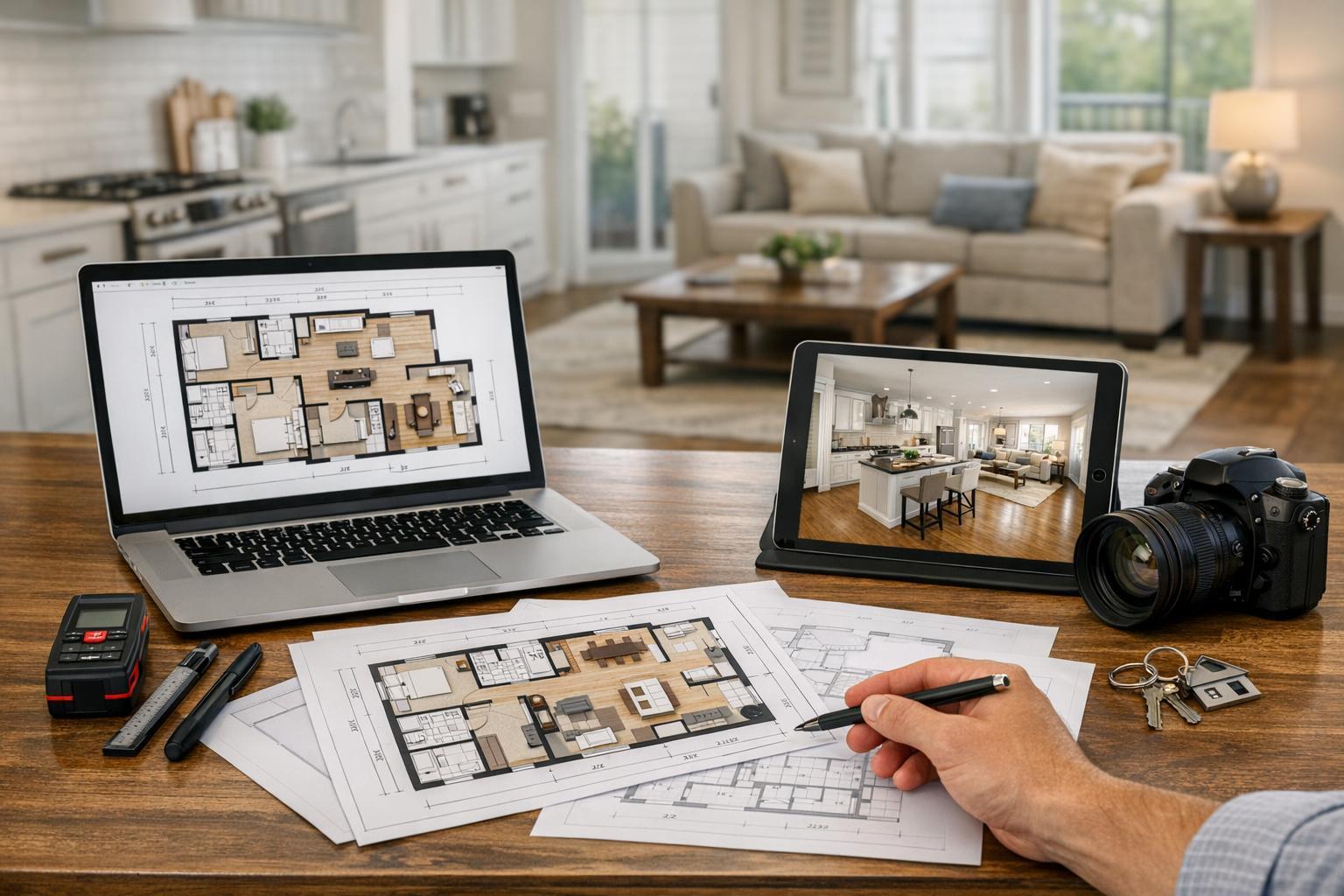
- Floor plans help clarify complex layouts, especially in homes with multiple floors, odd room connections, or special features. These require an on-site visit to capture measurable data.
- Listing videos show the flow and atmosphere, revealing things that are hard to explain in still images—like how you walk through the space or how indoor/outdoor areas connect.
- Virtual tours let remote buyers explore at their own pace, which can be crucial for listings likely to attract long-distance or busy prospects.
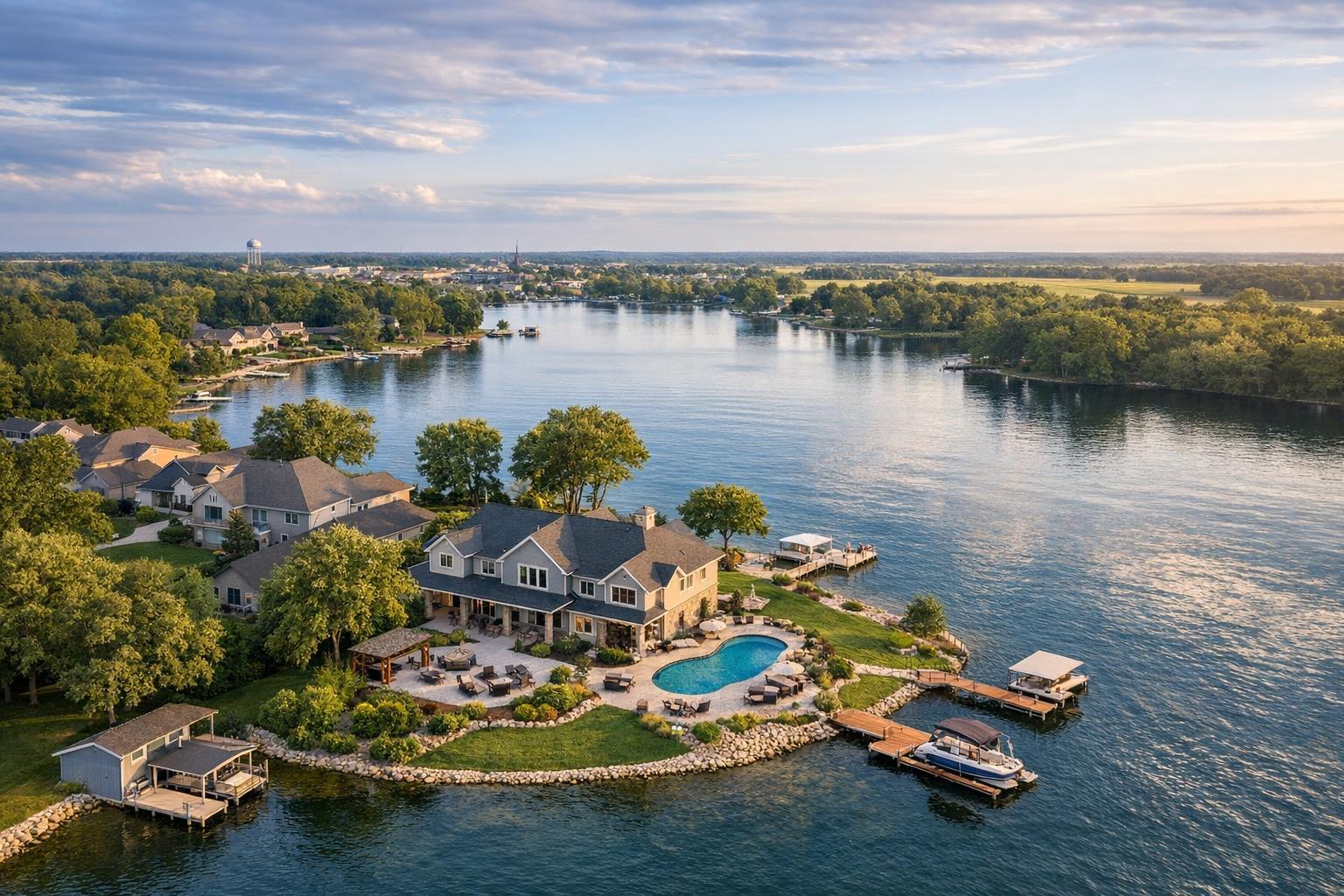
- Drone images add valuable aerial context for properties with land, waterfront, or unique positioning. Availability in NYC and nearby can depend on airspace, weather, building access, and pilot discretion.
Not every listing needs every media type. The right mix depends on the questions buyers are likely to have.
NYC & New Jersey Listings: Why Local Familiarity Counts
Navigating an NYC co-op, historic brownstone, or larger Jersey property isn’t just about snapping pics. Scheduling with building management, timing for the best daylight, and understanding how different spaces are used matters. Local familiarity helps avoid surprises and ensures the shoot focuses on the right features, at the right time.
That’s where working with a specialist like RealtaSnap can help. We handle real estate photography across New York City and New Jersey, working directly on-site. Our process includes careful communication about building rules, access, prep, and delivery so you’re not left guessing.
Want to preview examples or learn more about how we work? Visit RealtaSnap's real estate photography services page.
Make Your Listing Clear
Ultimately, the strongest listings are easy for buyers to “read”—even from a distance. They show space, light, flow, and features honestly, with a clear visual story. Choose a provider whose work feels consistent, whose edits feel natural, and whose process feels organized, so your property comes through as you intend.
If you need real estate photography for an upcoming New York City or New Jersey listing—or you’re not sure what media fits best—RealtaSnap is glad to help you plan and capture your listing. You can get a feel for our work and approach at www.RealtaSnap.com.
FAQ
Question: How many final photos should I expect from a typical listing shoot?
Answer: The right number depends on the size and complexity of the property. Smaller apartments might need a concise set of images that tell the story of the space, while larger homes may benefit from fuller coverage of each living area, bedroom, bath, and exterior feature. Focus on the number of distinct spaces important to buyers—not just square footage.
Question: Is it harder to photograph occupied, lived-in listings?
Answer: Yes. Occupied spaces often require more preparation and careful composition to minimize distractions from everyday objects, furniture, and personal items. The photographer can work with what’s there, but decluttering before the shoot almost always results in cleaner and more marketable images. Virtual staging is best for empty or cleared rooms.
Question: How far in advance should I book real estate photography?
Answer: Schedule once the property and access details are confirmed. This leaves enough time to prepare, coordinate with anyone else involved, and decide if you’ll want additional media. RealtaSnap’s online booking calendar always displays current appointment availability, and standard bookings require at least 24 hours’ notice. For more, see www.RealtaSnap.com.