How to Choose Luxury Real Estate Photography for High-End Listings
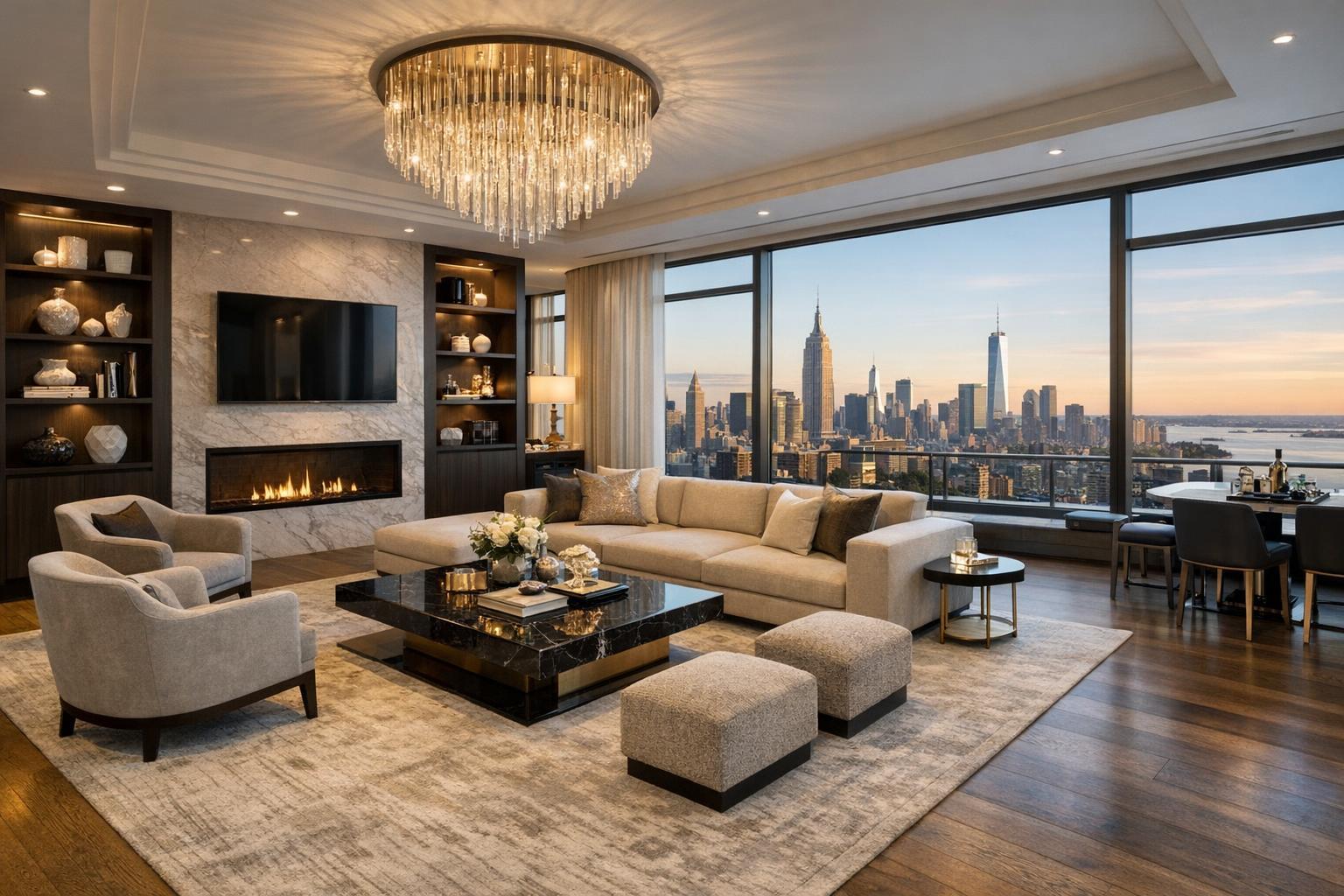
A luxurious living room exudes elegance with sophisticated furniture, a grand chandelier, and stunning views of a city skyline at sunset.

How to Choose Luxury Real Estate Photography for High-End Listings
Luxury real estate photography in NYC and New Jersey is fundamentally about much more than showcasing a home in bright, attractive light. For high-end listings, photography needs to translate the property’s design, spaciousness, finishes, and finer details into images that not only attract but also inform real buyers. Agents, developers, and sellers often find themselves navigating dozens of options, but understanding what sets premium property photography apart is the first step toward making the right call for a distinctive listing.
What Separates Luxury Listing Photography from Routine Shoots
The difference between luxury and standard real estate photography often lies in intent and execution. A true architectural photographer—especially those specializing in NYC—brings a careful eye to spaces where fine finishes, city views, layered lighting, and unique layouts deserve more than generic coverage. Here’s what to look for in galleries that genuinely elevate high-end listings:
- Images that represent room scale, use, and connection—without bizarre distortion
- Clean, straight vertical lines that honor the space’s true form
- Interiors that balance indoor light with the outside view, even in challenging exposures
- Composition that creates a smooth visual “walkthrough” of the property
- Detail shots when craftsmanship, fixtures, or finishes are a real part of the property’s appeal
- Editing that favors honest colors and believable proportions
Wides and close-ups both matter. Sweeping living rooms need broad shots to capture their scale, but they also benefit from focused frames on unique stonework, built-ins, or a killer skyline view. The strongest visual galleries lead viewers through a complete story, rather than repeating the same wide-on-wide approach.
Telling the Story of the Property with Every Image
Sophisticated interiors often come with strong lines, bold architecture, and curated furnishings. A skilled premium property photography provider doesn’t just capture everything at once—they make choices about what shapes, textures, and sequences reveal the true character of each home. In practice, this means:
- Respecting architectural lines for credibility (no leaning walls or exaggerated wide-angles)
- Watching for distorted spaces, especially when correcting verticals or balancing perspectives
- Bringing viewers through the property in a sequence that makes architectural sense
Light is another crucial variable. A kitchen with sun pouring in, or a penthouse with iconic Manhattan views, needs thoughtful exposure. The trick is balancing natural interior warmth with clear exterior views—overexposed windows or dim rooms won’t cut it.
Visual Flow: More Than Isolated Hero Shots
A top-tier listing photo gallery should feel like a guided tour, not a random album. Buyers want to know:
- How public and private spaces connect
- Which rooms offer major impact (living spaces, kitchens, baths, terraces)
- The relationship between rooms, levels, and outside areas
- Where details and amenities fit into the daily experience
When listings have complex layouts—think multi-level Manhattan condos, Brooklyn brownstones, new developments, or large New Jersey estates—a logical, flowing image sequence helps buyers mentally move through the home.
Tailoring Coverage to the Property
There’s no one-size-fits-all checklist for high-end real estate photography. Here’s how strong photographers approach different property types:
Manhattan Condos and Co-ops
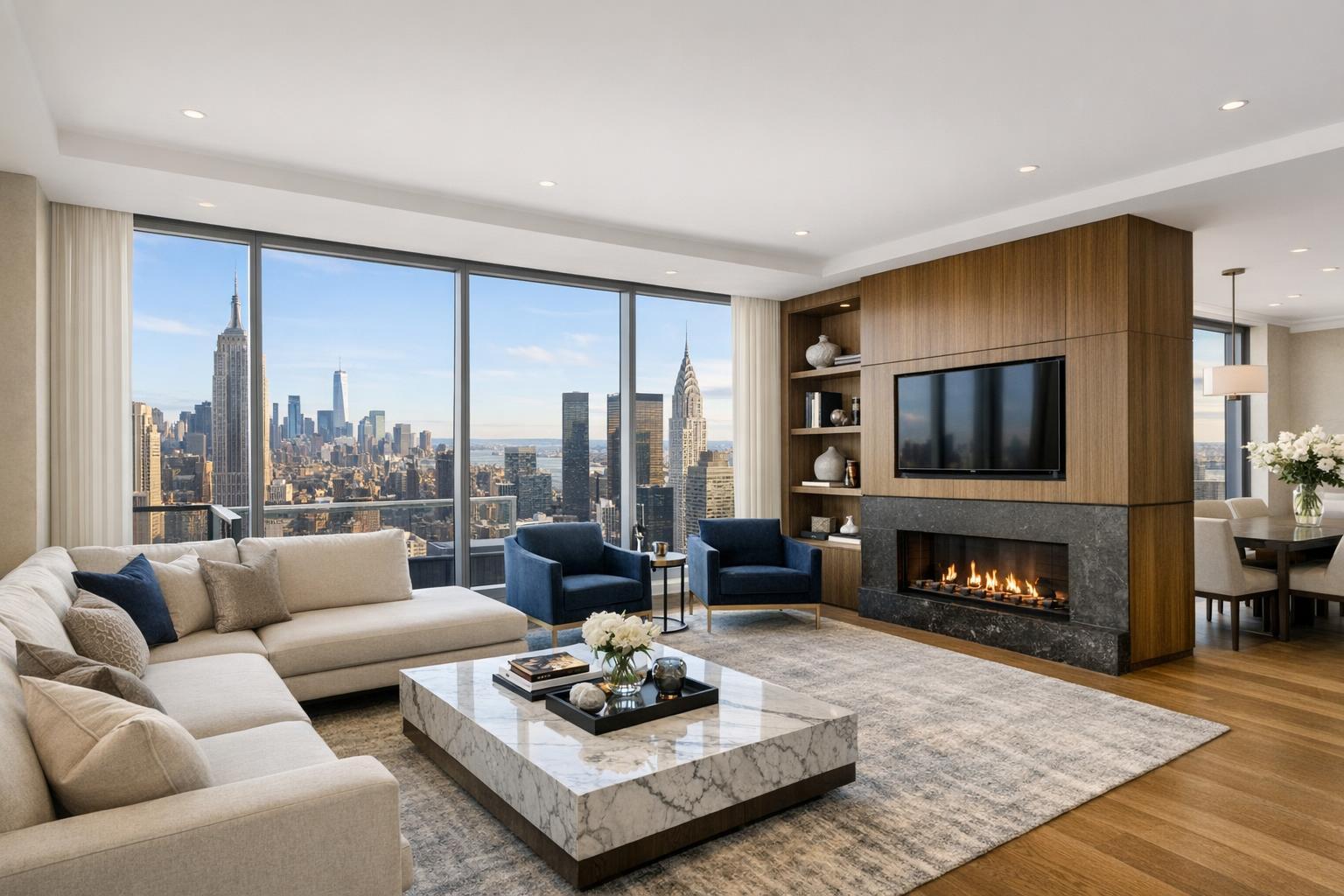
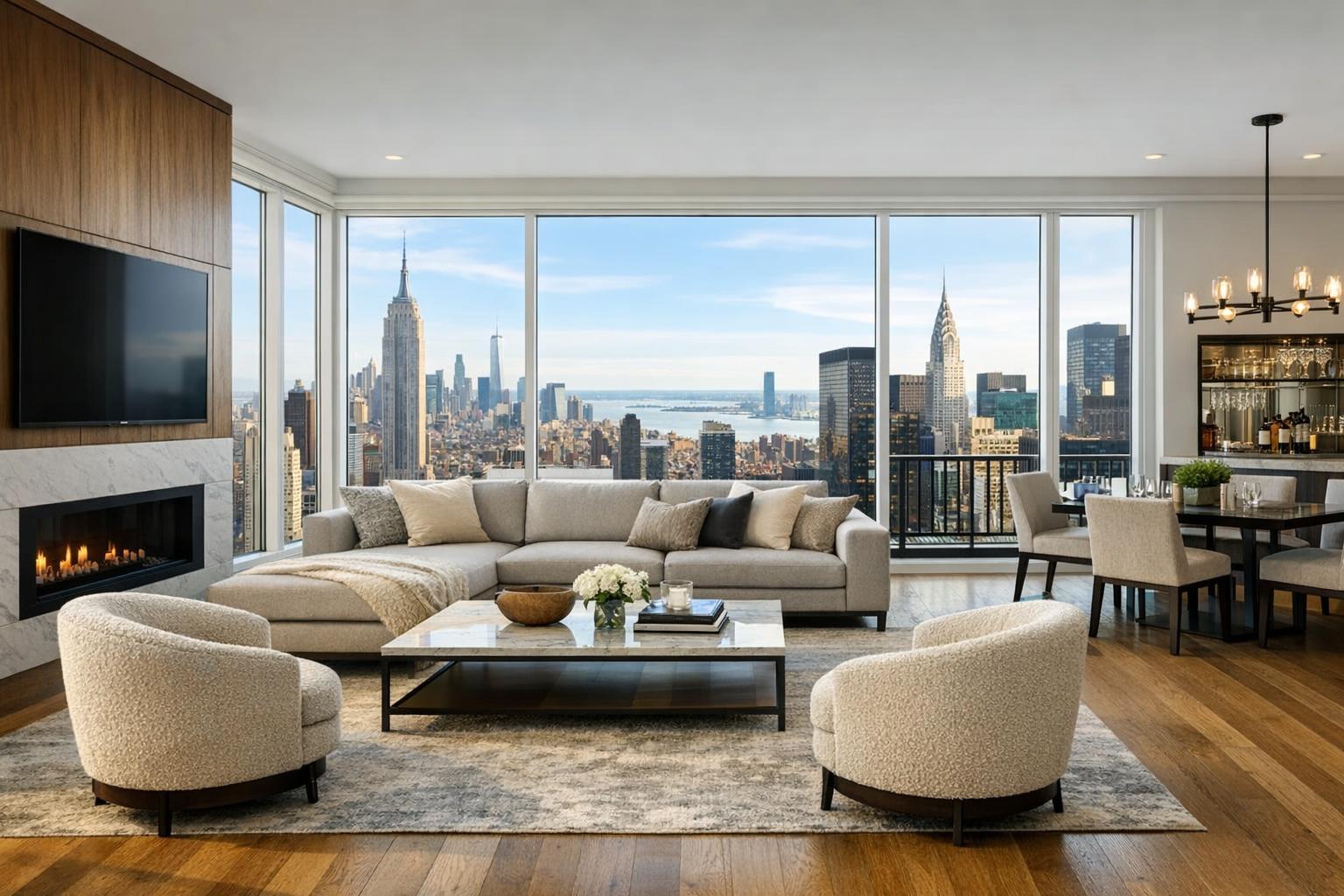
In NYC, it’s rarely just about square footage. Light, height, skyline, pre-war charm, and building amenities can all trump the raw number of rooms. If a unit has sweeping city views, confirm how the photographer handles windows in daylight and at sunset. For pre-war or newly renovated layouts, be sure those features don’t feel like afterthoughts. Setting expectations for building access (lobbies, elevators, terraces) before the shoot keeps everything running smoothly.
Historic Brooklyn Brownstones
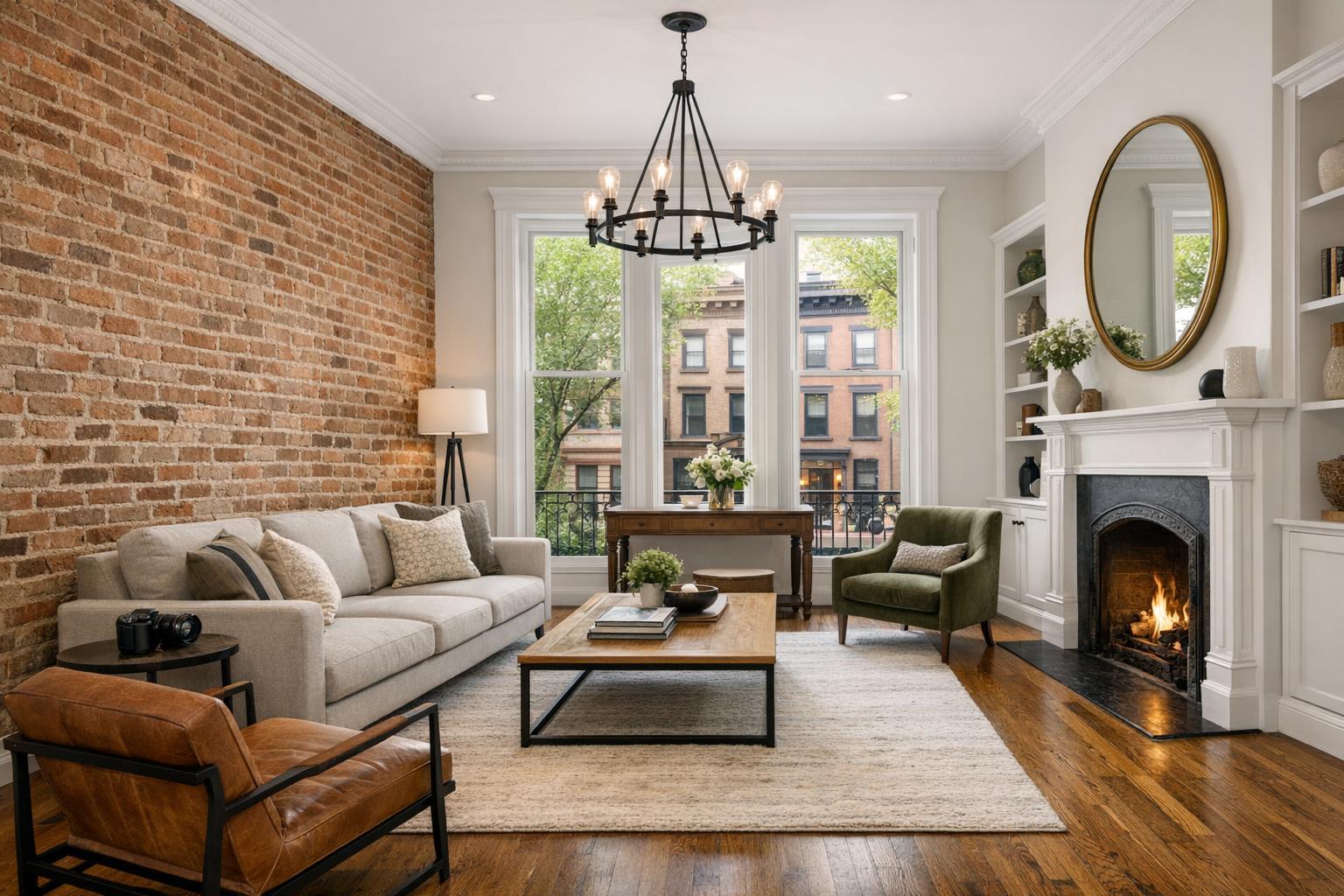
Brownstones often require a balance between honoring their history—think original millwork or fireplaces—and showing modern utility. Images should help viewers grasp both vertical flow and historic detail. Leaning too much on broad or tight shots alone can leave buyers with an incomplete sense of the home.
New Developments
Developments need consistent, branded visual coverage. This usually goes beyond just residence interiors, extending to lobbies, amenities, façades, rooftops, and more. It’s smart to coordinate ahead about which spaces are ready and which model units have the best layout or view for photos.
Large New Jersey Homes
In the suburbs, the appeal often extends outdoors. Buyers want to see a visual narrative that links the home, outdoor entertaining spaces, and yard or landscape features. Aerial images can be especially powerful for showing property size and relationship to surrounding features, when available and allowed.
Judging a Photographer’s Portfolio—Beyond Flashy Shots
When you review portfolios, skip past a handful of dramatic highlight shots and look for range and consistency. The best luxury real estate photographers show:
- Accurate room proportions and clear spacial relationships
- Reliable handling of window exposures
- Realistic, well-managed color across differing lighting conditions
- Composed sequences that explain a property’s flow
- Thoughtful detail images mixed with wider room perspectives
- Experience across both modern and pre-war, large and small, staged and lived-in properties
Beautiful images of sprawling, empty spaces are great—but can the photographer do the same with a tight pied-à-terre, a heavily lived-in home, or a historic library with dark wood?
Preparing the Home: Little Details, Big Impact
Even the most skilled premium property photographer needs a ready property. Effective prep makes a visible difference in the final gallery without making the home feel stiff or impersonal. For the best outcome:
- Clear kitchen counters and visible surfaces of clutter and personal items
- Remove pet products, loose cords, and distracting decor
- Straighten bedding, towels, drapes, and rugs
- Replace burnt-out bulbs and clean reflective surfaces
- Move vehicles and bins away from main exterior shots
- Confirm access for all areas to be photographed
For vacant homes, AI virtual staging can fill in the gaps—but it requires a truly empty or properly decluttered space. If existing furniture is still present, it must be physically removed or professionally edited out before adding virtual furnishings.
Understanding the Photographer’s Day-Of Approach
Capturing the best images on-site relies on more than an editing reel—it’s about smart workflow and attention to your unique priorities. Before booking, clarify:
- Target rooms, features, and must-have views
- Any off-limits areas or rooms not to be shown
- Building rules, elevator needs, or access instructions
- The property’s occupancy or staging status
- Timing for best daylight or special sunset exposures
- Whether you’ll need additional media, like video or drone, at the same time
A collaborative approach, where agents bring deep knowledge of the property and the photographer develops a practical plan for capturing it, leads to stronger galleries and fewer regrets after the shoot.
When to Add Extra Media: Video, Floor Plans, 3D, and Drone
Photography is almost always the cornerstone for high-end listings, but there are moments when adding complementary media makes sense. Professionally captured video can help visualize room-to-room movement in a way stills can’t, while floor plans clarify layout in complex homes. 3D tours allow interactive exploration, and drone work captures aerial scale and location. Each of these tools should be chosen thoughtfully—never as a default bundle, but as additions that genuinely help buyers understand the property.
Note: RealtaSnap’s drone services are evaluated case by case, always considering FAA rules, local airspace, weather, and building access. Floor plans and 3D tours require on-site property access for physical capture, and AI virtual staging requires rooms to be empty or properly decluttered.
RealtaSnap: Photography That Reflects the Property, Not Just the Market
For agents and property professionals in NYC and New Jersey, finding a reliable partner for listing-focused media can remove guesswork and stress. RealtaSnap’s clean, professional approach starts with understanding the specific character, layout, and target audience for each home. Their image galleries balance clarity, detail, and design, whether for a Manhattan penthouse, a Brooklyn brownstone, a new condo, or a wide-lot New Jersey residence.
You can learn more about RealtaSnap’s services or book directly through www.RealtaSnap.com.
A well-considered luxury property gallery helps buyers connect with both the big features and subtle character that set a listing apart. If you’re planning premium property photography in NYC or New Jersey, review the portfolio and approach of your photographer carefully—and feel free to start a conversation with a team who knows these markets inside and out.
FAQ
Question: How many photos does a luxury listing really need?
Answer: There’s no set number—the ideal gallery captures every important room, transition, and unique detail without repeating similar angles. A smaller condo might call for fewer images, while a multi-level property with outdoor space and amenities often justifies a broader range.
Question: Are video, floor plans, or 3D tours always necessary for high-end listings?
Answer: Start with strong photography. Consider video for movement and atmosphere, floor plans to convey layout, or 3D tours for remote viewers only when they add genuine value. These extras are most helpful for larger properties, new developments, or special layouts.
Question: Is drone photography realistic for NYC properties?
Answer: Sometimes. Drone use in Manhattan and other dense areas depends on FAA rules, airspace restrictions, weather, building and roof access, and the on-site pilot’s discretion. It’s often more feasible when roof access is available, but not all addresses qualify for flights.
For more information, explore RealtaSnap’s real estate photography services or reach out directly at www.RealtaSnap.com.