How to Choose a Commercial Real Estate Photographer for Your Property
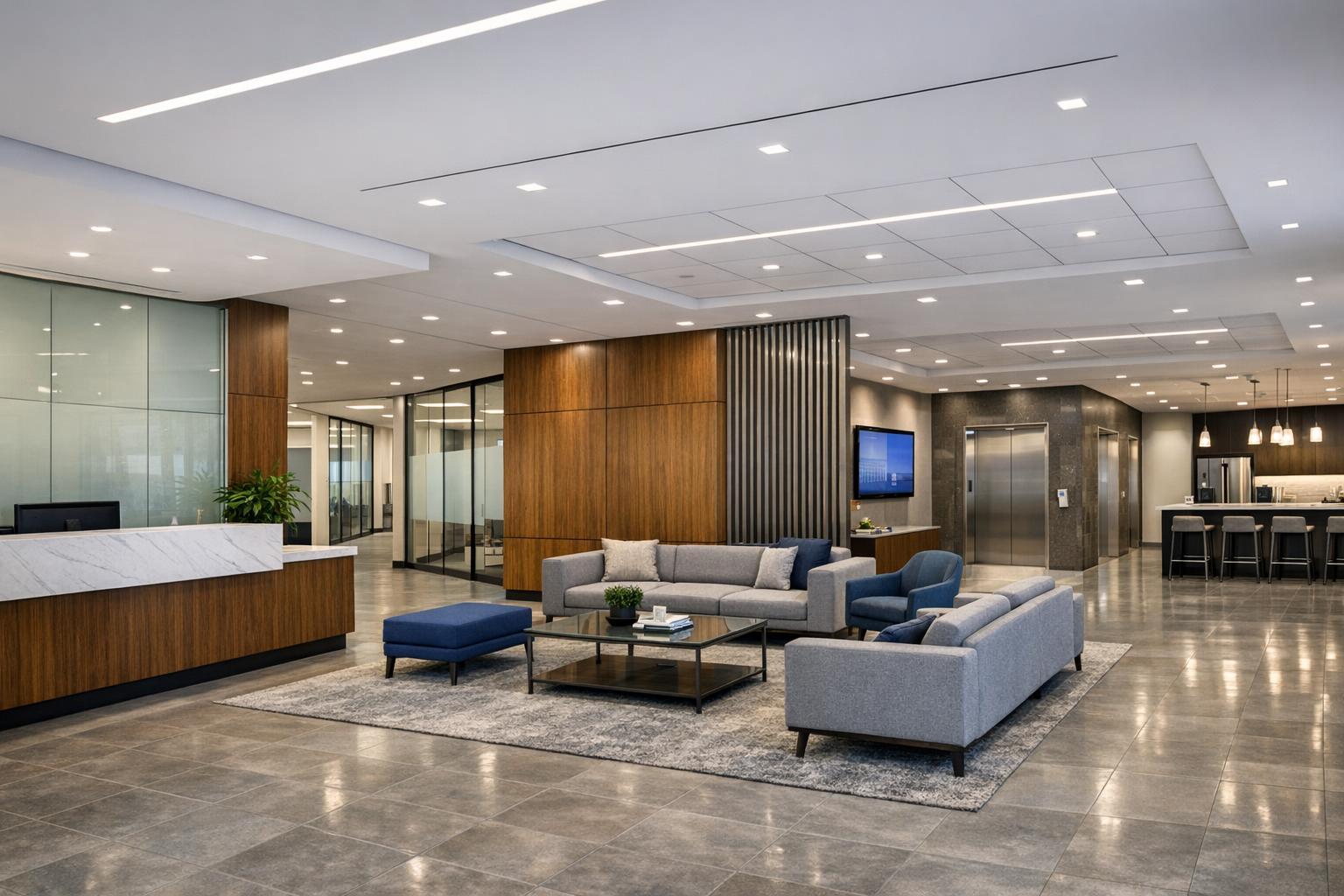
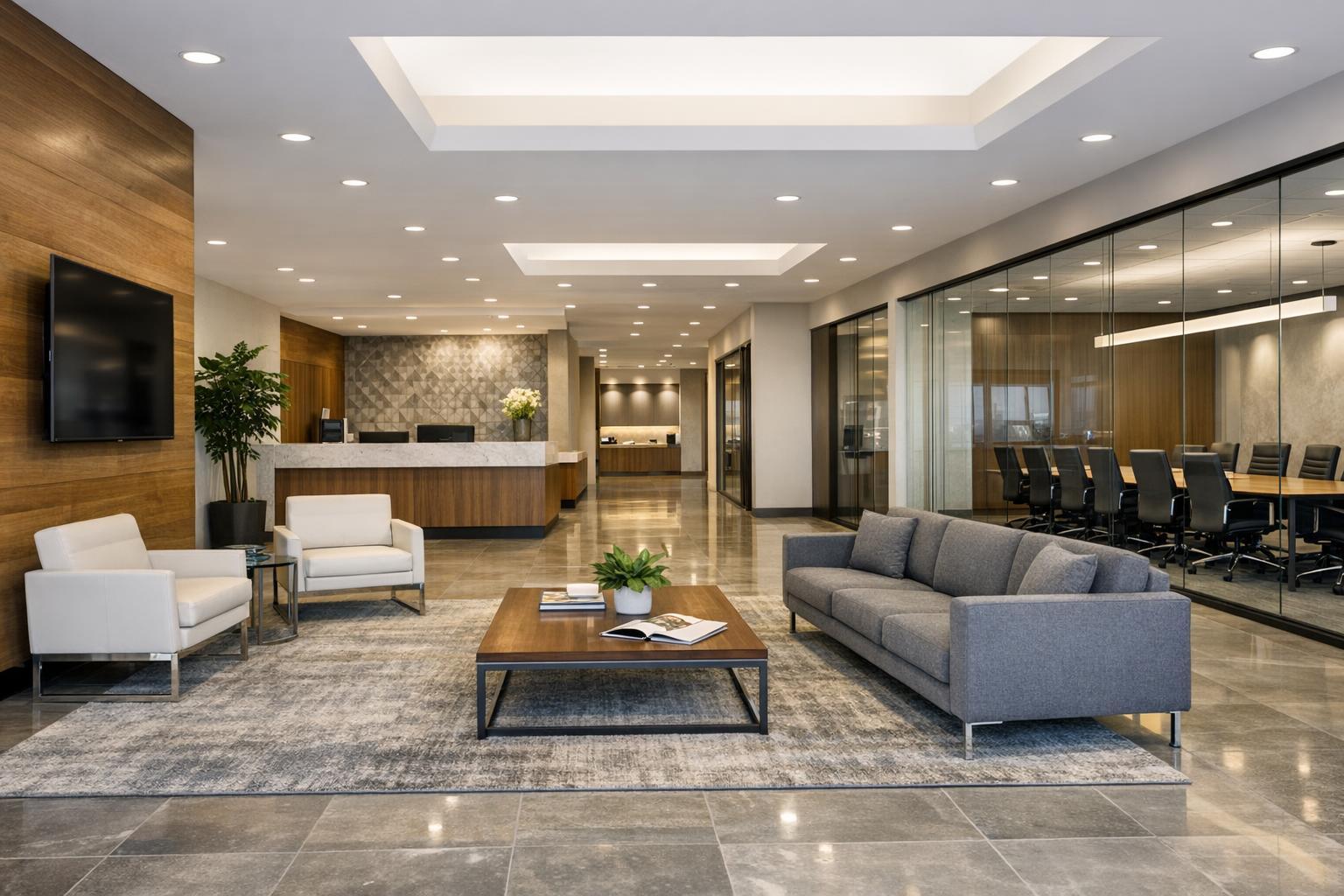
Commercial real estate photography showcases an elegant office lobby featuring modern furniture, a reception desk, and an adjacent glass-walled conference room.

How to Choose a Commercial Real Estate Photographer for Your Property
Commercial real estate photography in New York City and New Jersey is about a lot more than simply making a building look appealing. It’s a practical tool for brokers, leasing agents, property managers, developers, and business owners who need to show what spaces offer, how they function, and why they command value. The right images can make a listing more understandable and relatable for prospects—no matter if the focus is office, retail, industrial, hospitality, or development properties.
Navigating this process can feel daunting, especially with so many photographers vying for your business. Here’s a streamlined, expert-backed approach to finding the right commercial property photographer for your space.
Understanding Your Property’s Story and Audience
Start by getting clear on what your marketing needs to communicate. “Commercial” covers a lot of territory, and the must-have shots will look different for a warehouse compared to a coworking suite. Before you compare portfolios, ask yourself:
- Who is likely to view these images—tenants, investors, clients, guests?
- What decisions will they make based on what they see?
- Where will these images appear? (Think: OM, leasing brochure, public listing site, business website.)
For example:
- Offices benefit from straightforward, well-lit images of everything from reception to amenity spaces.
- Retailers need storefront visibility and neighborhood context.
- Industrial buildings require clear views of loading, storage, and access points.
- Hospitality projects should capture guest-facing finishes, amenities, and atmosphere.
- Construction or development updates typically need honest progress documentation.
A thoughtful brief helps your photographer plan for what matters—not just point the camera and hope for the best.
More Than Just Bigger Homes: Commercial vs. Residential Photography
Commercial property photography is not just residential photography scaled up. The job here is to visually communicate function, efficiency, and condition—not just atmosphere and warmth. While appealing light and good composition matter, so do clarity and context.
Images should help viewers grasp:
- The scale and zoning of key areas
- How rooms and spaces relate to one another
- Architectural features (and overall condition)
- Usable zones like breakrooms, loading docks, or customer entrances
- Clear points of access and flow patterns
This doesn’t mean photographing every nook; it’s about prioritizing what’s truly valuable to prospective tenants or buyers. Skilled commercial photographers know when to use wide shots to tell a story, when to showcase a detail, and how to control vertical lines and perspective so everything feels credible—never misleadingly warped or overenhanced.
Evaluating Portfolios: What to Look For
Photographic style is personal, but relevance trumps volume. When reviewing a portfolio, focus on examples similar to your own project. Have they documented a mixed-use building, an active office, a sprawling warehouse, or a busy restaurant? Pay attention to:
- The categories and sizes of spaces they’ve photographed before
- The clarity of images—can you “read” the room or site easily?
- Handling of light, especially around windows and reflective surfaces
- Consistency from shot to shot, even when spaces are highly varied
You want cohesive coverage, not just a handful of hero images with inconsistent filler in between.
Lighting, Detail, and Perspective: Hallmarks of Professional Work
Lighting can make or break commercial space photography. Natural light pouring in from high-rise windows or glass façades is a classic NYC and Jersey challenge. Overhead office lighting, bright retail displays, or the shadows of a cavernous warehouse all demand careful attention.
A capable photographer should:
- Balance light levels so interiors and exteriors are both visible, never losing window views to glare or shadow
- Keep architectural lines straight (unless an intentional artistic effect is needed)
- Include detail shots when they add meaningful context (think: custom finishes, critical signage, or amenities)
- Deliver a set that feels visually unified—without distracting shifts in brightness or color
Planning and Coordination: The Real Work Happens Before the Shoot
Commercial shoots go more smoothly when logistics and scope are reviewed upfront. For a productive experience, clarify:
- Which rooms, amenities, or exteriors are must-shoots?
- Is the property vacant, occupied, or even under construction?
- Are these images for leasing, sales, investors, web, or print?
- Is there a representative who can provide access and guidance?
- Any features, like loading or security areas, that absolutely must be documented?
Larger or more complex properties benefit from a shot list that covers what’s critical, but leaves angles and artistic approach to the photographer. For properties with ongoing activity or multiple tenants, let your photographer know about operational schedules or areas with special privacy needs.
Consider whether you’ll want to coordinate the photography session with capture for video, drone, floor plans, or 3D tours. Simultaneous media capture helps cut down on repeated site visits and produces a more cohesive package.
Site Access and Operational Concerns in NYC and New Jersey
Every commercial property has quirks. Dense Manhattan or Brooklyn shoots mean dealing with freight elevators, rush-hour lobbies, limited sidewalk space, and strict building security. Jersey sites may have bigger parking lots, sprawling exterior zones, or large warehouse components needing clear aerial or exterior shots.
If you’re hoping to include drone images, remember that flights in urban areas depend on airspace clearance, rooftop access, and weather. Not all properties can accommodate an aerial session, but a skilled team will let you know what’s possible.
And always keep tenant needs in mind—sometimes an early morning or after-hours shoot avoids disruption.
When to Add Video, Floor Plans, or 3D
Photography is usually the foundation of a commercial media package, but add-ons can be powerful—if they serve a real purpose.
- Video can reveal how you move through a property, which is helpful for large offices, showrooms, or hospitality spaces.
- Floor plans are invaluable for vacant suites or multi-room configurations.
- 3D tours allow for interactive remote viewing but require on-site scanning.
- Virtual staging is best suited to empty or properly decluttered interiors, not simply adding digital furniture to already furnished rooms.
Choose extras for a reason, not just because they’re available.
Key Questions to Ask a Potential Photographer
Before booking a commercial property photographer, having an informed conversation can make all the difference. It’s helpful to ask:
- Do you have experience with properties like mine?
- How would you prioritize coverage of the spaces and exterior?
- What should we do to prep the site?
- How much time is needed for access, setup, and shooting?
- How are tricky lighting conditions or architectural challenges handled?
- Can you bundle photography with video, 3D, or other services if needed?
- What do you need from property management or on-site contacts?
- How do you handle special editing requests or scheduling limitations?
Clear answers should give you confidence that the provider understands your goals and the realities of your space.
Choosing a Photographer Who Can Deliver
The right commercial photography partner is more than just an artist or technician—they’re a collaborator who understands the marketplace. Look for someone focused on telling the true story of your property: communicating value, function, and potential in a way that resonates with your target audience.
For office, retail, industrial, hospitality, or development opportunities across NYC and New Jersey, consider working with a provider like RealtaSnap. You can view examples of office space photography and browse the full set of real estate photography services directly on their website. Getting started or booking is simple—just visit www.RealtaSnap.com.
FAQ
Question: How is commercial real estate photography different from architectural photography?
Answer: While both involve professional imaging, commercial real estate photography is generally designed to showcase a property’s functional, leasable spaces for marketing or leasing, whereas architectural photography may focus more on design intent, materials, and the vision of the architect. Priorities should always be clarified at the start of the project.
Question: Should occupied spaces be photographed during business hours?
Answer: That depends on the space and its use. Capturing business activity can show atmosphere and function, but quieter times make for cleaner images. Consider privacy, workflow, and how much control you’ll need over what’s in the shot when scheduling.
Question: What should I share before booking a commercial photographer?
Answer: Provide the address, property type, intended use of photos, key areas to cover, access instructions, and any building management requirements. If there are multiple units, exterior features, or if you’ll need additional services like video or floor plans, mention those early to help with planning.
Ready to tell your property’s real story? Start with www.RealtaSnap.com.