How to Choose a Manhattan Real Estate Photographer for Your Listing
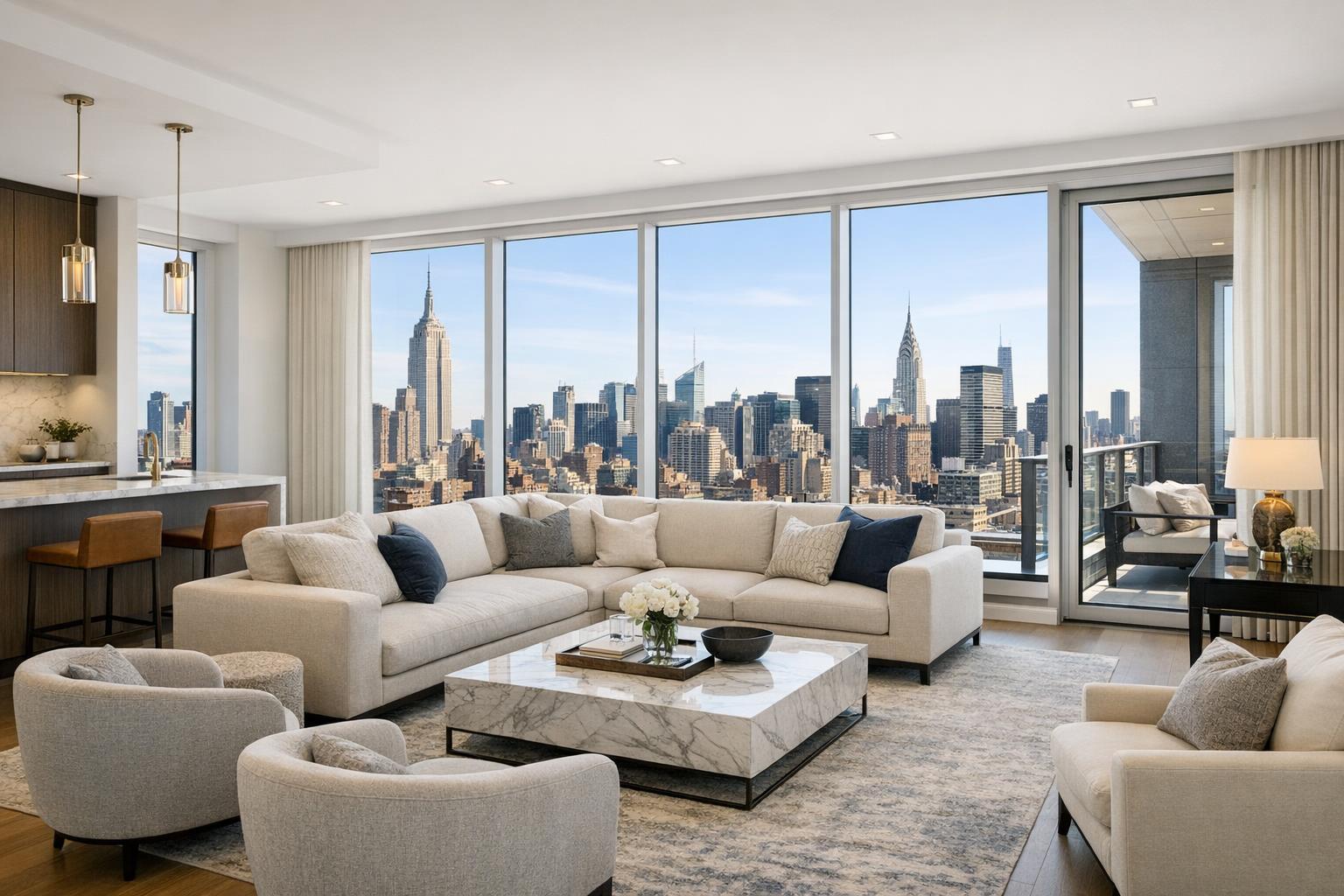
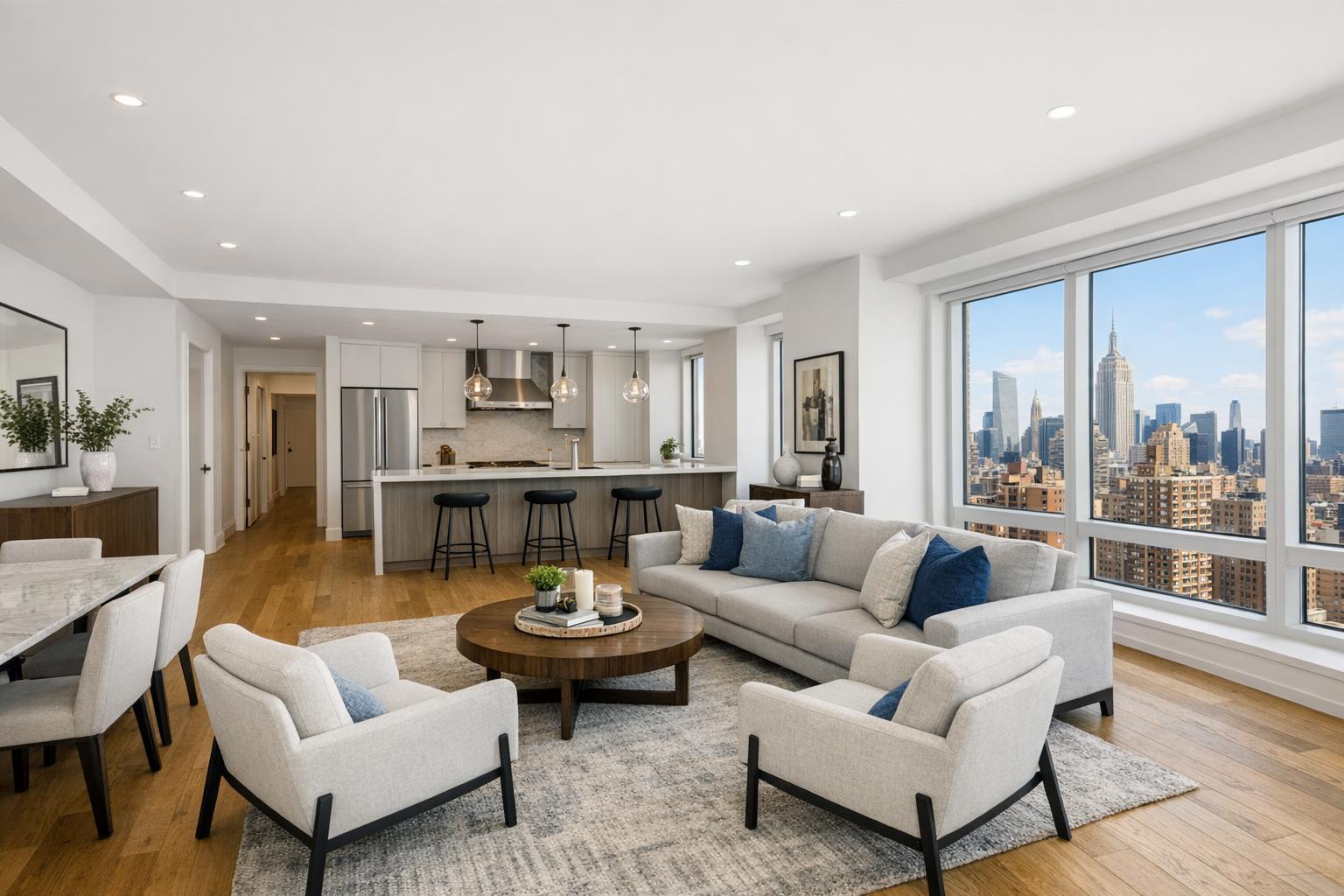
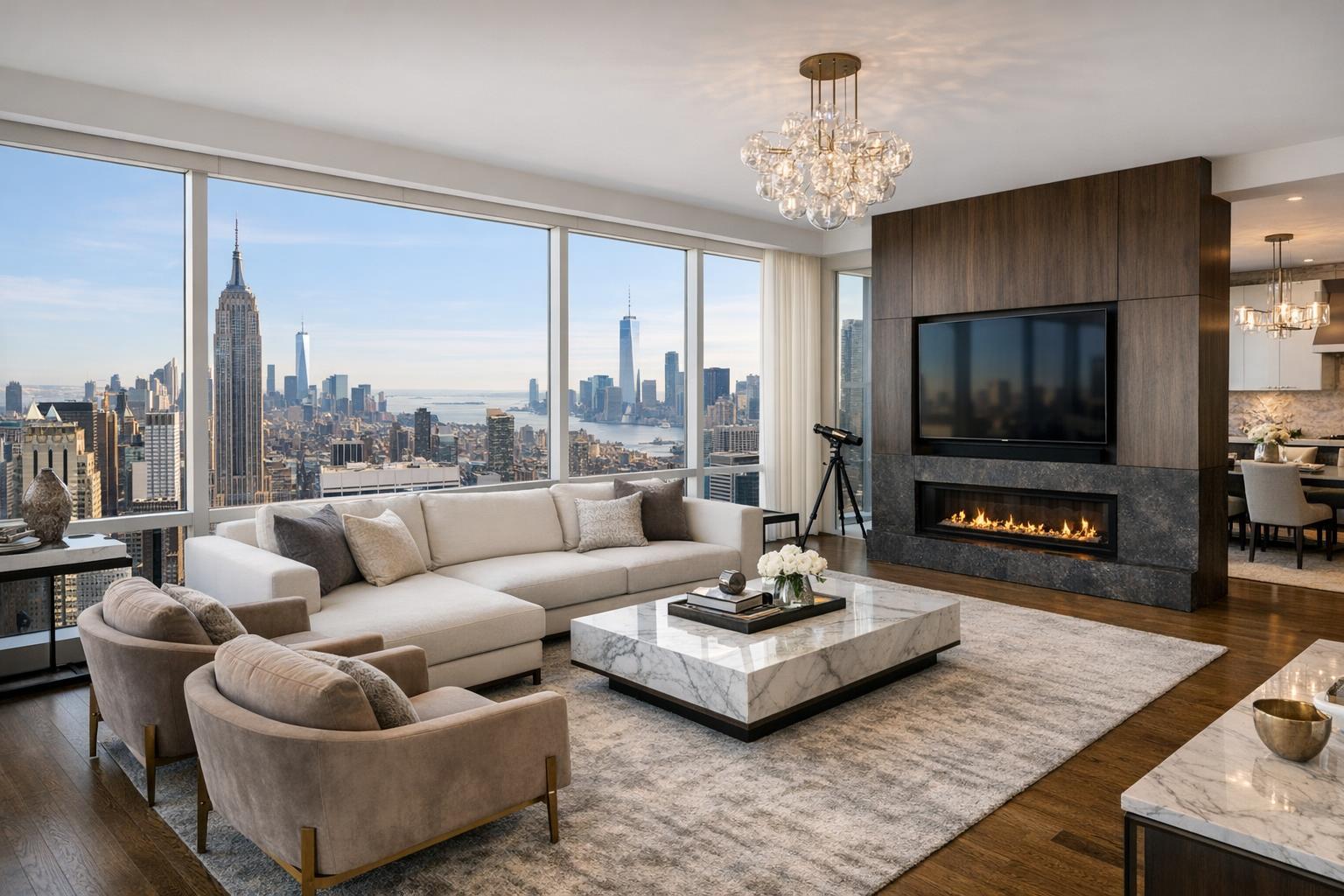
Captured by a Manhattan real estate photographer, a luxurious living room offers breathtaking views of the NYC skyline through expansive windows.

How to Choose a Manhattan Real Estate Photographer for Your Listing
Finding the right Manhattan real estate photographer can make the difference between a listing that simply looks good and one that actually helps viewers understand and remember the property. With NYC’s unique mix of tight layouts, quirky light, building rules, and a constant rush to list, you’ll want more than just pretty images—you’ll need a photographer who actually “gets” the Manhattan market.
Whether you’re an agent, broker, owner, or property manager, it’s worth knowing what to look for (and what questions to ask) when hiring someone to photograph your next Manhattan listing.
What Manhattan Experience Really Looks Like
Manhattan real estate isn’t a one-size-fits-all environment. The same photographer who shines with big, open new development spaces may not have the eye for lived-in, pre-war co-ops or the nimbleness required for occupied rentals and old walkups.
Review the photographer’s past work and ask:
- Have they captured properties similar in type, size, and state to yours?
- Does their gallery help you understand layouts, room connections, and the “feel” of each home—not just show off a dramatic shot?
Tailoring for Property Type
- Apartments, condos, and co-ops:
Most NYC listings live or die by how clearly the flow and space are presented. Look for a photographer who can show real room connections, balance wide angles without distortion, work around furnishings, and manage window light so views don’t blow out the room. - Townhouses and larger homes:
Multiple levels, staircases, and outdoor spaces demand a plan. Images should reveal vertical flow, distinct levels, entrances, and outdoor access, without leaving the viewer lost or overwhelmed. - New development or renovated units:
These need a balance between showing off quality details (finishes, fixtures, windows) and giving buyers a true sense of space. If your marketing plan includes building amenities or neighborhood scenes, confirm what’s photographable upfront—building rules come first.
It’s Not Just Style: Composition, Lighting, and Editing Matter
It’s easy to be wowed by a photographer’s highlight reel, but what you need is a gallery that serves your listing (and your buyers’ needs), not just their portfolio.
What Makes a Listing Gallery Useful
The best real estate photography in NYC looks intentional but not showy. Every photo should make the home easier to understand:
- Focal points are clear and rooms feel organized.
- Vertical lines (walls, cabinets, doors) are straight.
- Windows are exposed thoughtfully—neither so bright that interiors fade, nor so dark that views disappear.
- Editing feels seamless, not heavy-handed or inconsistent.
If possible, ask to see a full gallery from a recent listing—not just a handful of favorites.
Why Correct Window Exposure Matters in NYC
Differing daylight is a given in Manhattan properties. Your photographer should be able to balance views and interiors, especially for spaces with skyline outlooks, deep rooms, or mixed lighting from city streets and fixtures. If windows are blown out, or one shot feels cold while another looks overly warm, it can leave buyers confused about the actual space.
Prepping for the Realities of Manhattan Listings
Shooting in Manhattan comes with its own set of logistics, from building entry protocols to tight schedules. The right property photographer will help you navigate prep and access well before arrival.
Building Rules, Access, and Scheduling
- Always check building requirements for insurance, service elevators, photography permissions, and delivery access.
- Share contact names, entry instructions, and specifics about amenities or common areas.
- If your shoot is on a tight marketing deadline, clarify who will be on-site and whether furniture needs moving, shades opened, or other quick fixes are needed.
Working with Occupied Homes
Occupied apartments are normal here—but clutter, cords, pet gear, and personal photos almost always find their way into the shot. Simple pre-shoot prep makes a huge difference:
- Clear kitchen and bathroom counters.
- Remove very personal photos or items.
- Make beds and tidy up.
- Hide trash cans, loose cords, and pet items.
- Open window coverings where possible for light.
- Designate a place to stash bags and daily necessities during shooting.
If the space can’t be fully prepped, let the photographer know before arrival—they can help prioritize the most marketable rooms and angles.
Communication, Delivery, and Add-ons: What to Expect
A great NYC property photographer treats communication as part of the service. Ask concrete questions before you book:
- How is scheduling handled?
- What’s included in your photo package?
- How should you deliver access notes and prep instructions?
- How are final images delivered, and what’s the typical timing?
- What if you need extra shots or edits?
Clear communication up front makes it easier to coordinate copywriting, staging, showing schedules, and your overall marketing plan.
Picking Add-ons: Video, Floor Plans, Virtual Tours, or Drone Media
Not every listing needs every bell and whistle. The right add-ons fill gaps that still photography alone can’t cover:
- Video: Helps for larger spaces and properties with beautiful flow, amenities, or outdoor features. Video is shot on-site (not built from slideshows of still photos). Discuss your story and priorities early.
- Floor Plans: Perfect for explaining complex layouts, separate bedrooms/offices, or modified units. Note that a floor plan requires an in-person scan—existing PDFs can’t be used to make new plans.
- 3D Virtual Tours: Interactive tours (such as Matterport) are ideal for buyers who can’t visit in person, or for layouts that are tricky to visualize. These also require on-site scanning.
- Virtual Staging: Ideal for empty rooms where buyers struggle to envision scale and layout. The room should be empty or completely decluttered—digital staging isn’t applied over existing furniture without a clutter-removal service added.
- Drone Media: For the rare Manhattan home where exteriors, rooftops, or aerial views add value. Feasibility is determined case by case, with airspace, weather, and building access considered.
Comparing Manhattan Providers: Go Beyond Price and Photo Count
A lower price isn’t always the best value—especially if the provider’s process, communication, or approach to Manhattan quirks doesn’t match your needs.
When comparing options, think about:
- Is their portfolio a true match for your property type?
- Are lighting, window views, and proportions handled consistently?
- Do they understand access and building logistical realities?
- Are their deliverables clearly defined?
- Do their services fit your marketing plan—not just offer generic “extras”?
- Can they explain, up front, what’s realistic for your specific shoot?
A photographer who checks these boxes is simply easier to work with and more likely to help your listing launch smoothly.
Start with Clarity—and Build Your Listing Media from There
Every property is different. An occupied co-op, compact one-bedroom, high-floor condo, or classic Manhattan townhouse all call for their own plan. Photography should make the home’s story clear from the start. With the right base images, you can thoughtfully add video, a floor plan, or a virtual tour only if it adds true value for buyers.
If you’d like to see how a Manhattan real estate photographer with deep NYC experience can streamline your next listing, RealtaSnap offers clear, market-focused media packages and transparent online booking.
You can learn more or start your order at www.RealtaSnap.com.
FAQ
Question: How many photos should I order for a Manhattan apartment listing?
Answer: The right number depends on the property’s size, layout, and unique features. A smaller studio might only need angles that explain the main living area, kitchen, bathroom, and view. For a larger home, you may want shots of each room, outdoor spaces, and extras like amenities or architectural details. Focus on meaningful coverage that articulates the space—more isn’t always better.
Question: Should I wait until an apartment is vacant to photograph it?
Answer: Not necessarily. If current furniture helps buyers understand room scale and flow, photographing while occupied can work well with a little decluttering. However, if there’s significant clutter or difficulty accessing key spaces, it may be better to wait. Virtual staging is intended for empty or fully cleared rooms.
Question: Can I get drone photography for a Manhattan listing?
Answer: Drone photos and video can add value for some properties, especially those with rooftop access or significant exterior features. However, flights depend on local airspace, safety, weather, and pilot discretion—not every location is viable. If you think you might benefit, discuss your building and goals with RealtaSnap to check feasibility in advance.
If you need property photography or want to discuss media options for your next Manhattan listing, we’d be happy to help you get started.
www.RealtaSnap.com