How to Choose a Real Estate Photographer in NYC for Your Next Listing
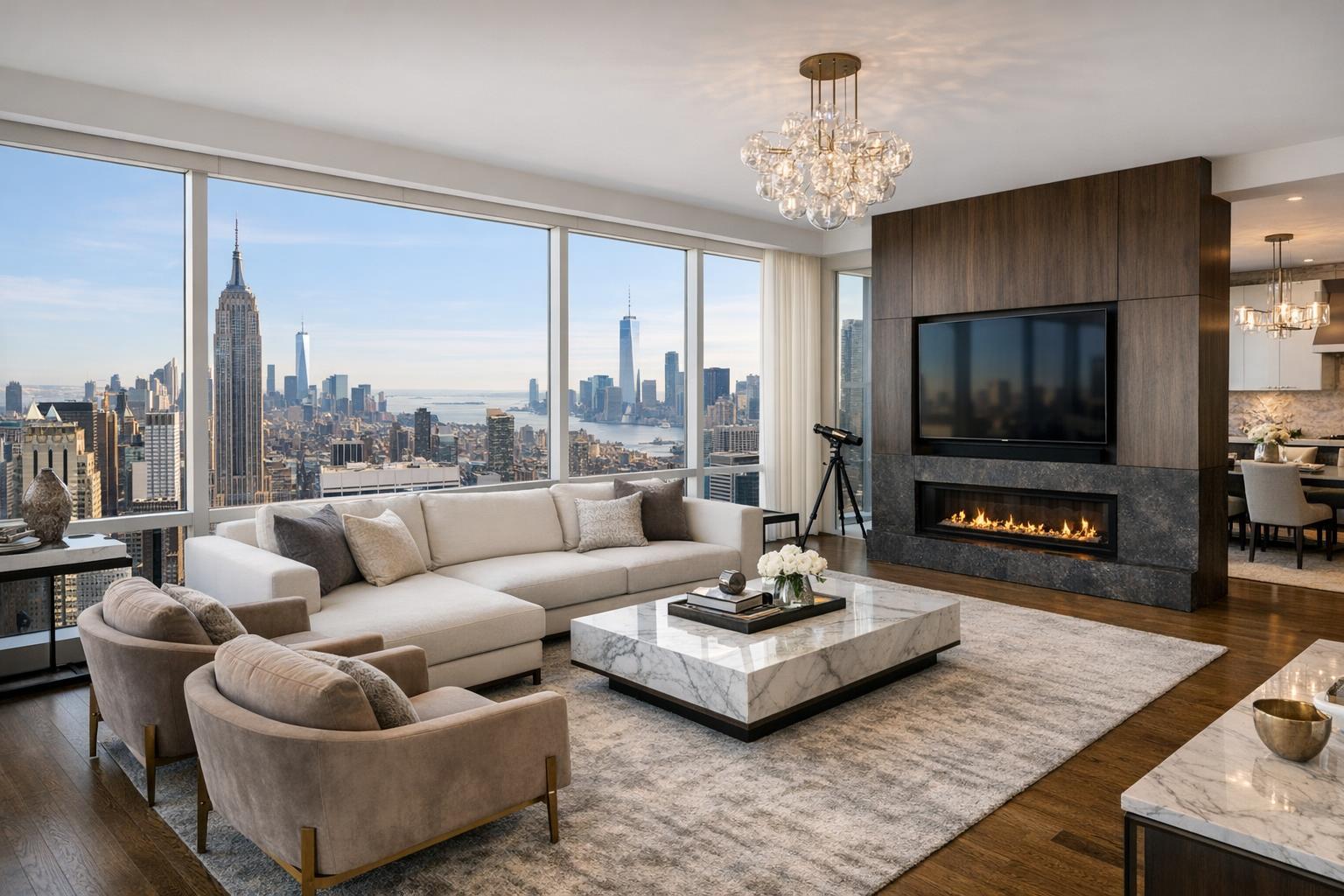
Captured by a real estate photographer in NYC, a luxurious living space with a stunning view of the city skyline is beautifully showcased.

How to Choose a Real Estate Photographer in NYC for Your Next Listing
Choosing a real estate photographer in NYC is about much more than picking someone whose website hosts pretty images. New York City’s housing stock is famously diverse and challenging, so success hinges on finding a photographer who brings both technical craft and a real understanding of local property quirks. Whether you’re a broker with a Manhattan studio, a Brooklyn brownstone, a Queens condo, or a large home outside the city, making the right choice can dramatically shape the way buyers and renters experience your listing online.
Below, you’ll find a practical guide to selecting a real estate photographer who actually fits your NYC property—and delivers crisp, clear visuals that tell its story.
Why Portfolio Alone Isn’t Enough
Every photographer has standout images. The real test is consistency. When reviewing portfolios, look for:
- Rooms that look realistically proportioned, not stretched wide
- Straight verticals in walls, doors, windows, and cabinetry
- Smooth flow from one room to the next
- Window light balanced against interiors without harsh glare or dull shadows
- Clean, market-ready images—not ones made “brighter” by unrealistically altered colors
Don’t just focus on grand, empty luxury apartments. NYC listings so often mean compact layouts, older buildings, mixed lighting, and lived-in spaces. The best NYC real estate photographers can handle these realities with just as much care and skill.
NYC Listings: Special Considerations
Properties in New York impose unique demands—just ask any agent who’s tried to book a shoot during a busy move-out or after being delayed by building doormen. Here’s what makes NYC shoots different:
Small Spaces
In NYC, even luxury units can challenge a photographer with tight rooms, awkward angles, and more furniture than floor. The camera position matters. The best photographers know how to make a studio or one-bedroom feel clear, inviting, and honest—neither boxed-in nor unrealistically huge.
Mixed Lighting
A typical New York apartment might combine ceiling lights, lamps, and hallway fixtures, all mixing with daylight and city reflections. High floors could mean intense sun, while first-floor units fight for every beam. Top photographers know how to use HDR and careful editing to reveal both views and interior detail, without turning images into unnatural composites.
The Role of Views
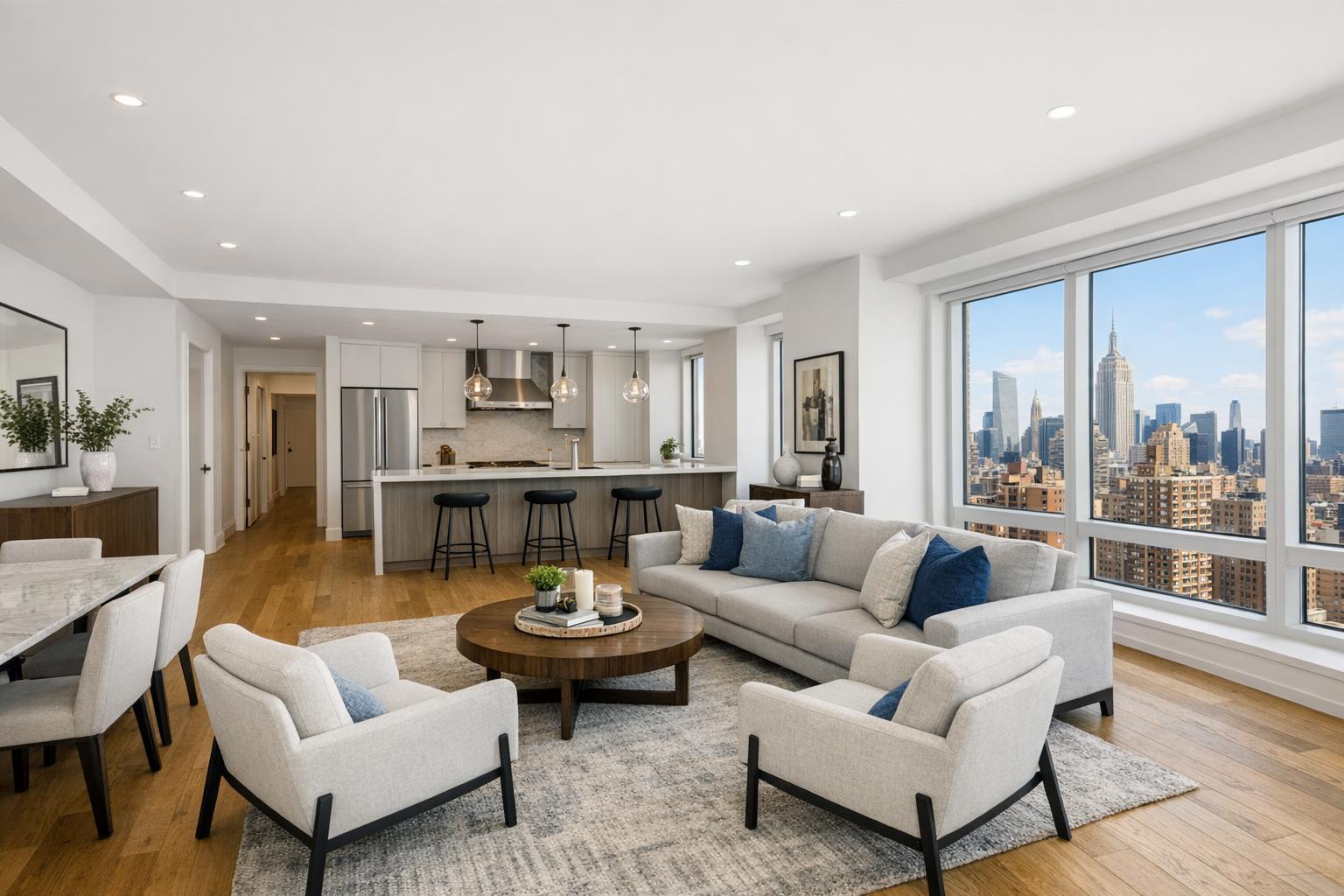
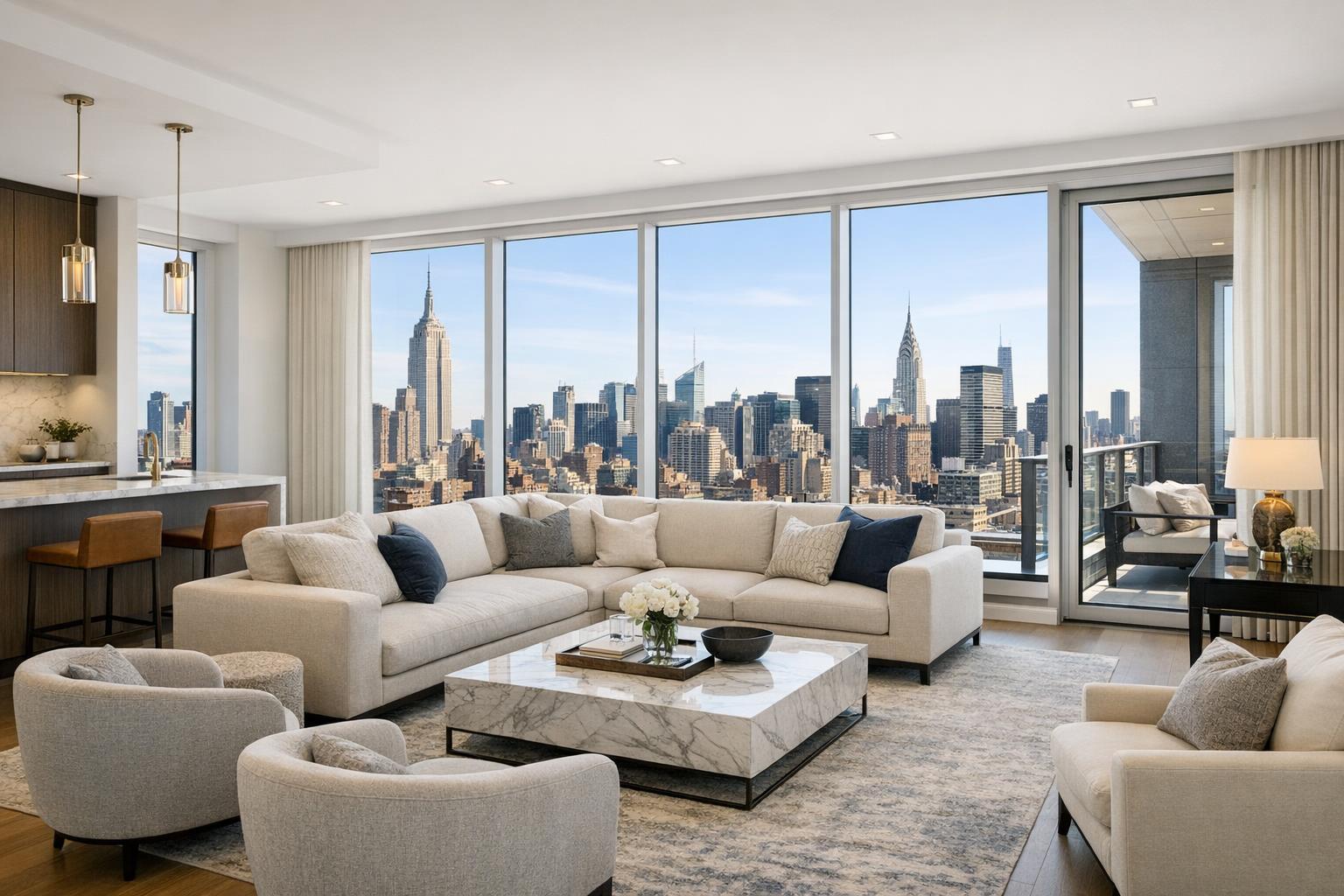
City views—whether of the skyline, street activity, or a peaceful garden—help listings stand out. But context is everything. Look for photographers who show how the view connects with the living space, not just as an isolated bonus shot.
Editing: What Looks Professional, and What Goes Too Far
Editing is the behind-the-scenes magic that makes photos look clean and appealing. In NYC real estate photography, you want edits that improve clarity but don’t mislead. Good editing will:
- Balance exposure between windows and indoor areas
- Correct color casts from multiple light sources
- Straighten bent lines and angles
- Address visual distractions, if requested
- Keep things crisp and polished, but not artificial
Heavy saturation, blurring, and distorted perspectives can turn off buyers who arrive only to find that reality doesn’t match the imagery. Reliable photographers focus on accuracy over flash.
Experience That Matches Your Property Type
Years on the job are valuable, but local familiarity makes all the difference in NYC.
- Apartments and Condos: Shooting within NYC means knowing how to use tight corners, elevators, and unpredictable daylight to tell a clear visual story. If your unit has shared amenities (lobby, roof deck, courtyard), discuss capturing those up front.
- Brownstones and Townhouses: Multiple levels, original details, and private gardens all need to be documented as a connected whole, rather than a disconnected sequence of rooms. Consider providing a floor plan so viewers get an understanding of how each floor flows.
- Homes With Outdoor Space: Larger homes benefit from wider coverage, potentially with aerial imagery for stand-alone houses or dramatic settings (see more on drone feasibility below).
Clear Communication Makes a Smooth Shoot
No matter how skilled your real estate photographer is, confusion about access, building rules, or prep can cause headaches. Before booking, make sure the photographer asks about:
- Access instructions and who will let them in
- Doorman or management procedures
- Elevator reservations or restrictions
- Permission to shoot shared amenities
- Any building rules regarding equipment or shooting hours
- The presence of pets or items that should be out of the way
The smoother this part goes, the more time the photographer can spend capturing strong images—and the less disruption for property owners, tenants, or building staff.
Matching Deliverables to Your Listing
You don’t always need every type of media for every property. Think about these options based on your listing’s complexity and audience:
When Photos Are Enough
For straightforward NYC apartments, rentals, or smaller homes, a sharp set of professional photos can often do the trick. Focus on key living spaces, bathrooms, and any meaningful views or outdoor access.
Floor Plans Add Clarity
Floor plans provide context for multi-level units, unusual layouts, or homes where buyers might struggle to understand room size and connections. Remember: floor plans require an on-site visit for accurate capture—they can’t be made from past listing photos or PDFs.
Video and 3D Tours
Video is valuable for properties with dramatic movement, unique flow, or key amenities. True listing videos are filmed on-site—not just a slideshow of stills. 3D tours (like Matterport) let remote prospects explore a property virtually, especially when in-person visits aren’t practical. Both services require in-person capture.
Aerial Media
Drone photography or video can help some NYC listings—particularly those with terraces, private rooftops, or compelling settings—stand out. But drone use is case by case, factoring in airspace, building access, weather, and pilot discretion. It’s smart to speak with your photographer about whether a drone shoot is realistic for your property’s specific address.
What to Ask Before Booking
Getting answers to a few direct questions will help set the stage for a successful shoot:
- How many final photos do you suggest for this specific property?
- Are you familiar with the property type and building procedures?
- What’s required prep-wise before your arrival?
- How do you handle window glare and mixed light?
- Can you provide a floor plan, video, or aerials—and does this property need them?
- Are any special edits included? What’s considered an add-on?
- What information do you need from my side ahead of time?
Top-tier NYC real estate photographers will give clear, experience-based answers.
Booking RealtaSnap for NYC Real Estate Photography
RealtaSnap delivers on-site HDR real estate photography and related media for agents and owners who want a clean, honest, professional presentation. You can easily view service options and book online. Scheduling is as simple as entering the property address, any specific access instructions, then selecting services and a convenient appointment time.
If your listing requires strong visuals—and you’re ready to streamline media coordination—RealtaSnap is equipped for NYC’s unique mix of apartments, condos, brownstones, and homes. Complementary services, such as floor plans, video, 3D tours, and drone coverage, are available for properties that need a touch more context or complexity.
For sample work, booking details, and service area information, visit www.RealtaSnap.com.
FAQ
Question: How many listing photos do I really need for an NYC apartment?
Answer: There’s no fixed number, since every apartment’s layout and features are unique. A small studio might need 10–12 images, while a large apartment with multiple bedrooms, a terrace, and amenities could require 20 or more. The goal is to show essential rooms and unique features clearly—without overwhelming viewers with too many similar angles.
Question: Can I get a floor plan from a past PDF or old listing photo?
Answer: An accurate floor plan requires an on-site visit and physical measurement. While existing images or PDFs may be helpful background, RealtaSnap (and most providers) create floor plans only through on-site capture to ensure accuracy.
Question: Is drone photography or video possible for NYC listings?
Answer: Drone shoots within New York City depend on several factors: airspace, building access, weather, and safety. Drone services are considered on a case-by-case basis, and feasibility is determined after the address is reviewed. Roof access can help but doesn’t guarantee approval.
Ready to get started or want to see what real estate photography could do for your listing? Head to www.RealtaSnap.com for details, sample images, and simple online booking.