How to Choose a Commercial Real Estate Photographer in NYC
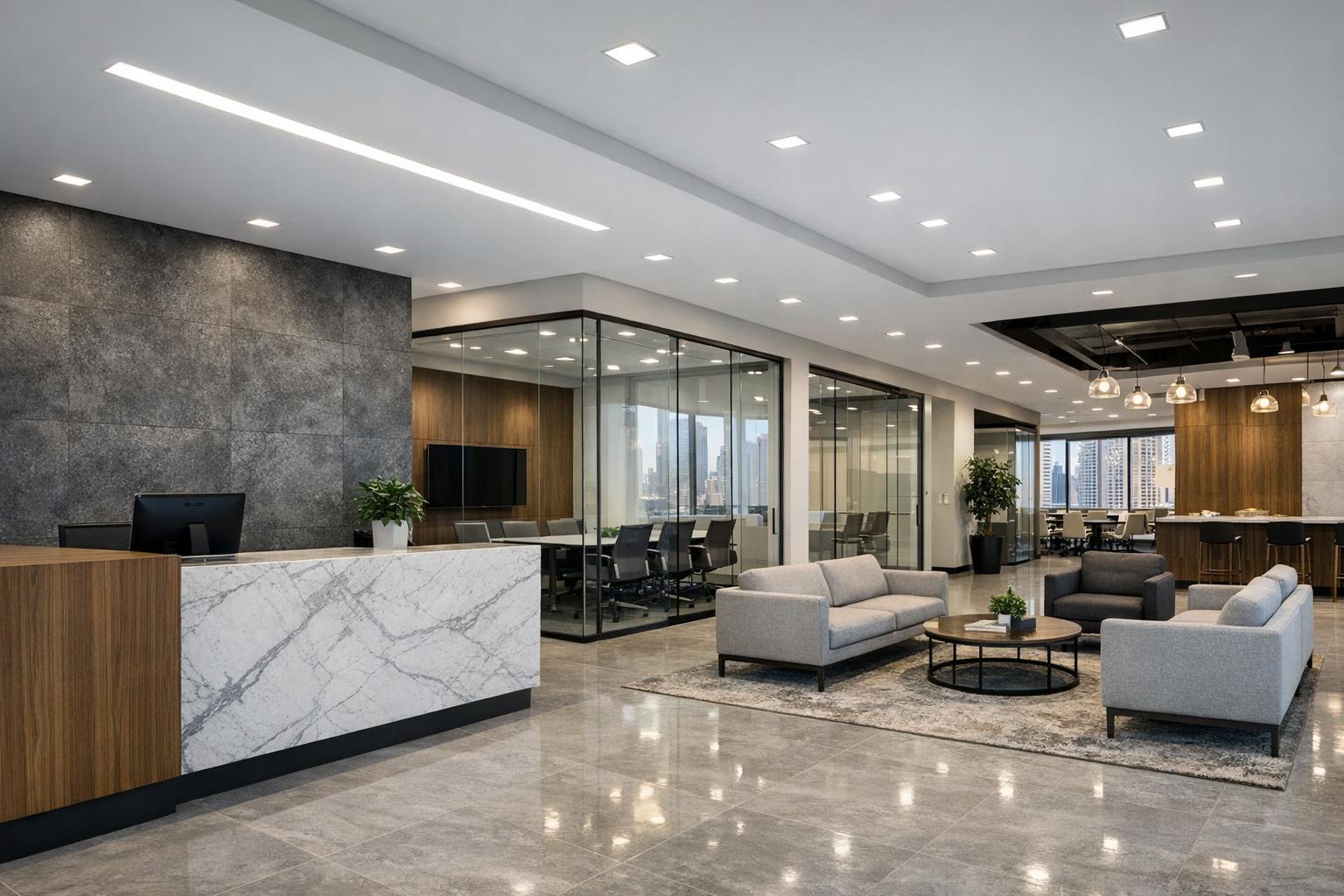
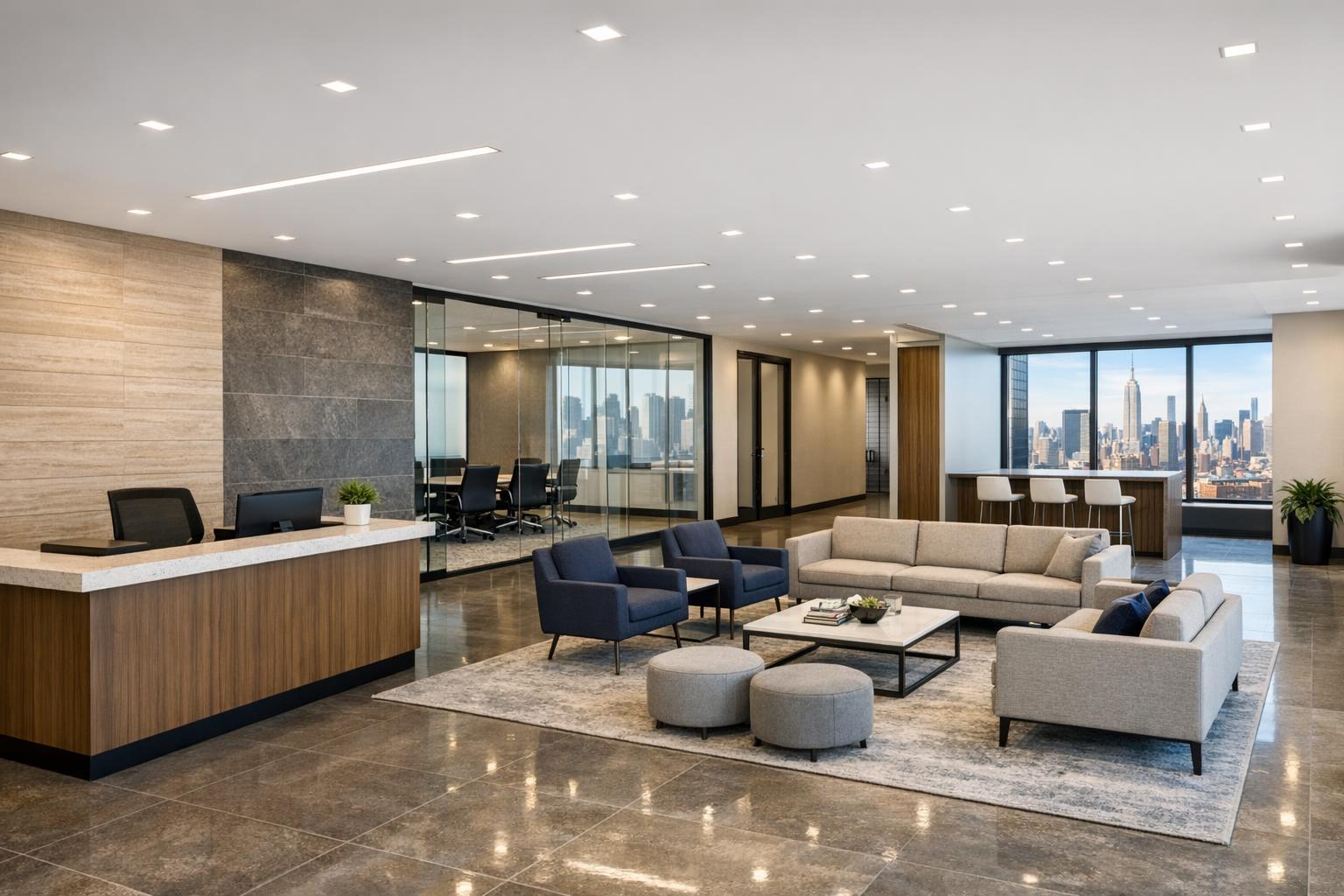
A commercial real estate photographer captures a modern office lounge with sleek furniture, glass-walled meeting room, and a stunning city skyline view.

How to Choose a Commercial Real Estate Photographer in NYC
Hiring a commercial real estate photographer in New York City or North Jersey means more than filling a folder with beautiful images. For offices, retail spaces, warehouses, or development projects, the real question is: Will these visuals help your audience understand the property before they visit? In markets like NYC and nearby New Jersey, a smart approach blends technical skill, visual storytelling, and an understanding of each property’s unique use case.
Whether you’re representing a Midtown office, a Brooklyn retail storefront, or a warehouse off the turnpike, it pays to look past just a polished portfolio. Here’s how to make the right choice—and what to expect—when booking commercial real estate photography.
Know What the Photos Need to Achieve
Before you start comparing photographers, clarify the job the images need to do. Commercial real estate photography isn’t one-size-fits-all. Photos might serve marketing for leasing, investment, sales, or recruitment. They could be intended for websites, investor presentations, pitch decks, or internal planning.
Start by asking: Who needs to understand this property, and what specifically should they see?
- Office tenants likely want to evaluate lobby space, meeting rooms, amenities, connection to daylight, and flow between zones.
- Retailers may focus on street visibility, facade width, storefront context, and how shoppers will move from the entrance in.
- Industrial tenants care about truck access, loading docks, ceiling heights, and whether logistics work in their favor.
- Developers might require progress documentation, consistent records across phases, or amenities showcased for pre-leasing.
A commercial property photographer who asks about your audience and marketing goals is already ahead of the game.
Look for Technical Skill Beyond Style
Anyone can highlight their best work online. But commercial space is all about clarity—straight lines, honest proportions, and images that don’t exaggerate (or diminish) the space. When you’re reviewing a portfolio, pay attention to:
- Architectural lines: Vertical walls, trim, and door frames should appear straight and intentional. Tilts distract and distort the sense of scale.
- Balanced lighting: Can the photographer handle challenging light—say, a bright exterior with a shadowy interior? View and interior should both be visible, but not overcorrected to the point of looking unreal.
- Consistent editing: Galleries should “feel” cohesive. Differences in color, warmth, or brightness between images can leave viewers puzzled—and make adjacent rooms look unrelated.
- Contextual composition: The best images show how rooms relate. That means not just a close-up of finishes, but also showing circulation: how you get from lobby to elevator, or from warehouse floor to loading dock.
Custom Shot Lists for Different Space Types
The needs for a Midtown office, a Brooklyn retail frontage, or a North Jersey warehouse aren’t interchangeable. Make sure your commercial photographer is willing to tailor a shot list to your exact property.
Manhattan Offices
For office listings, it’s about telling the story of work flow and natural light. What’s the arrival experience? How do team spaces, break areas, and private offices connect? Bonus if amenities or direct elevator access are part of the package.
Brooklyn Retail and Mixed-Use
Retail requires attention to both inside and out. Does the storefront grab attention? Can you see how a display would look from the sidewalk? Is there strong street life—or should shooting be timed to avoid construction or delivery trucks blocking the view? Mixed-use properties often call for distinct coverage of each use.
New Jersey Industrial
Warehouse or industrial spaces often need aerial views for footprint and location context, as well as shots of parking, dock doors, and maneuvering space. A good plan identifies high-priority equipment or areas. Drone media can be an asset if flight is feasible; in metro areas, that’s always a case-by-case call, based on airspace and safety.
Practical Details That Save Time and Headaches
A smooth shoot is all about preparation:
- Has the photographer covered properties like yours before?
- Will you get input on the shot list—and can you edit it in advance?
- What needs to be cleaned, staged, or moved ahead of time?
- Who will provide access, and are there security or building rules that impact scheduling?
- Is there a preferred time based on daylight, building activity, or tenant hours?
- Are complementary services like video, drone, floor plans, or 3D tours a real asset, or just added cost?
Advance planning helps avoid surprises, like discovering access is blocked to a rooftop, or a needed conference room is in use.
Timing and Occupancy: Coordinating the Real World
Many commercial shoots need to be organized around an active space—employees working, construction ongoing, retail hours, or tenant occupancy. Decide up front if you want staff, shoppers, or equipment in the images, or if you’ll aim for a quiet, staged look. Sometimes a little activity or a visible workforce can add life to a photo, but it should always be intentional.
A walkthrough before the shoot can flag things like temporary signs, bins, exposed cables, or personal items that shouldn’t end up in the final gallery.
Is Still Photography Enough? When to Consider Additional Media
For some properties, photography is only part of the story. If your listing needs more, consider:
- Video: Helps communicate movement, transitions, and environments—useful for offices, retail, or amenities with dynamic appeal. RealtaSnap’s listing videos are captured on-site, never created from still images or slideshows.
- Floor Plans: Essential for explaining property layout and circulation. Reliable floor plans require physical on-site capture; they can’t be made just from existing photos or old drawings.
- 3D Virtual Tours: Handy for buyers or tenants deciding from afar. Just like floor plans, these are built from on-site scanning, not stitched-together listing photos.
- Aerial Media: Useful for larger sites, complexes, or illustrating proximity to key infrastructure. Every drone project is vetted for local airspace, weather, and safety rules.
For more about what’s included and what’s possible in NYC or New Jersey, check the specific service pages on RealtaSnap's real estate photography for NYC or real estate photography in New Jersey.
Communication Counts—Not Just the Images
Commercial property shoots are often more complex than residential ones. Multiple stakeholders might need to approve shot lists, coordinate access, and synchronize timing across floors, phases, or units. Clear, straightforward communication—from booking to final delivery—is a sign of a professional provider.
Don’t hesitate to ask about:
- Handling on-site changes (maybe a space was unexpectedly occupied)
- Alternate schedules if weather or light isn’t right
- Ways to involve property managers, tenants, or security when necessary
Small adjustments on the fly are par for the course in active commercial properties.
RealtaSnap: Commercial Media for NYC and Northern NJ
If you need a dependable partner for commercial real estate visuals in NYC or New Jersey, RealtaSnap provides on-site media for a wide range of commercial listings—from single offices to large mixed-use and industrial buildings. Clients can book standard shoots online at www.RealtaSnap.com by entering the address, selecting services and options, and adding access notes. Unique or complex projects benefit from sending details in advance to ensure the approach fits the property.
Make Your Listing Easier to Evaluate
Commercial real estate photography is about clarity, not just curb appeal. Effective images show honest scale and layout, highlight what makes the space useful, and help decision-makers picture themselves there.
Ready to get started or have questions? Visit RealtaSnap’s homepage to see options and book your next shoot.
FAQ
Question: How many photos does a commercial property need?
Answer: The number varies with the property’s size, layout, and purpose. Smaller offices may need a focused set, while a multi-unit building or warehouse could require broader coverage including exteriors, amenities, and special-use areas. Start by listing the key spaces clients need to evaluate.
Question: Is it better to shoot occupied spaces during or outside business hours?
Answer: It depends on your priorities. Shooting during business hours shows a lived-in, active space but may mean people, computers, or operations are visible. Shooting off-hours or when a space is quiet often gives more control but less natural energy. Either way, organize and pre-stage areas you want photographed.
Question: Can drone images always be included for NYC commercial properties?
Answer: Drone flights depend on airspace, weather, safety, property access, and pilot discretion—especially in dense urban areas. It’s always best to confirm feasibility for your specific property address with your photographer ahead of time.
For easy, local commercial property photography and media, head to www.RealtaSnap.com.