How to Choose a Real Estate Photography Company in NYC
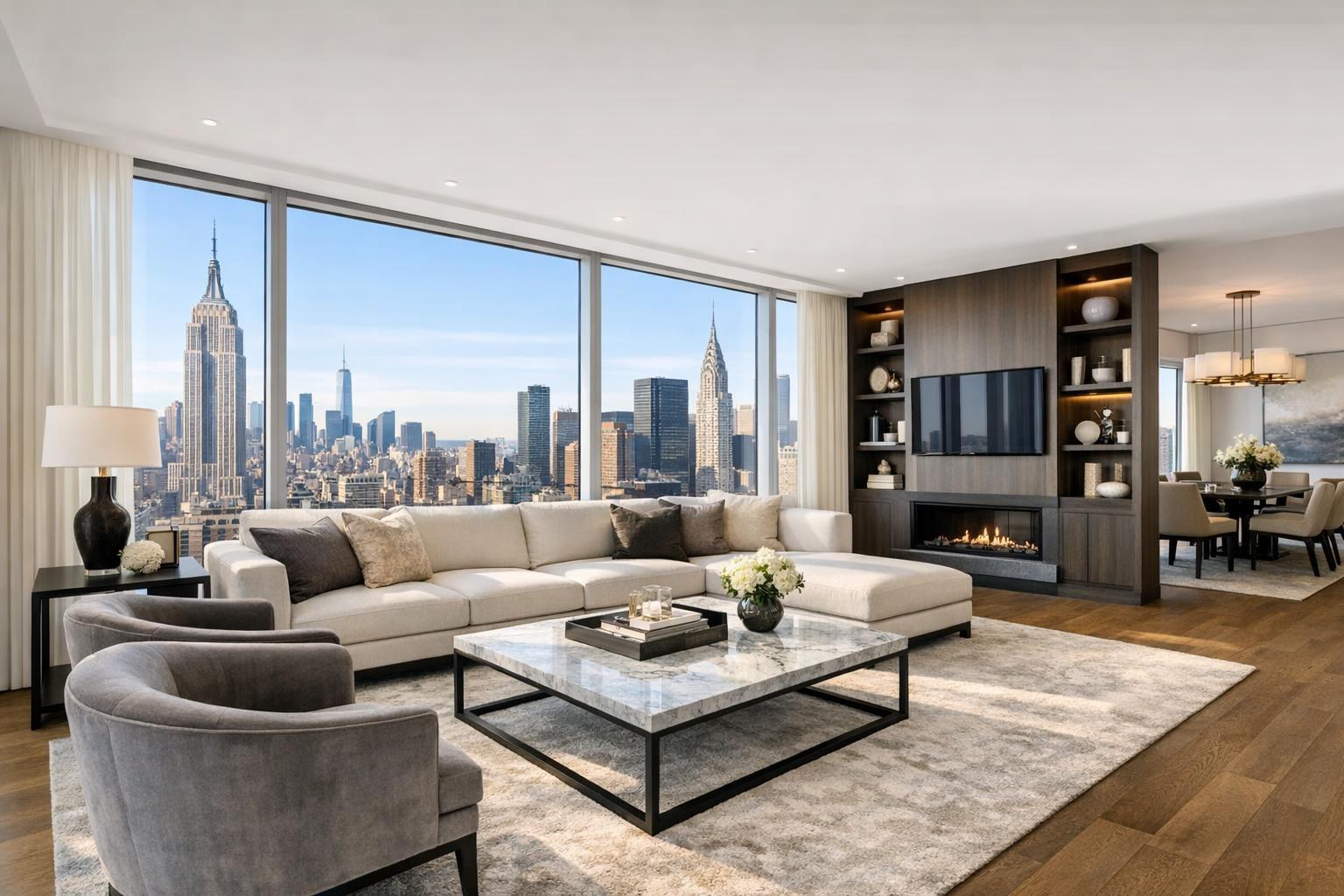
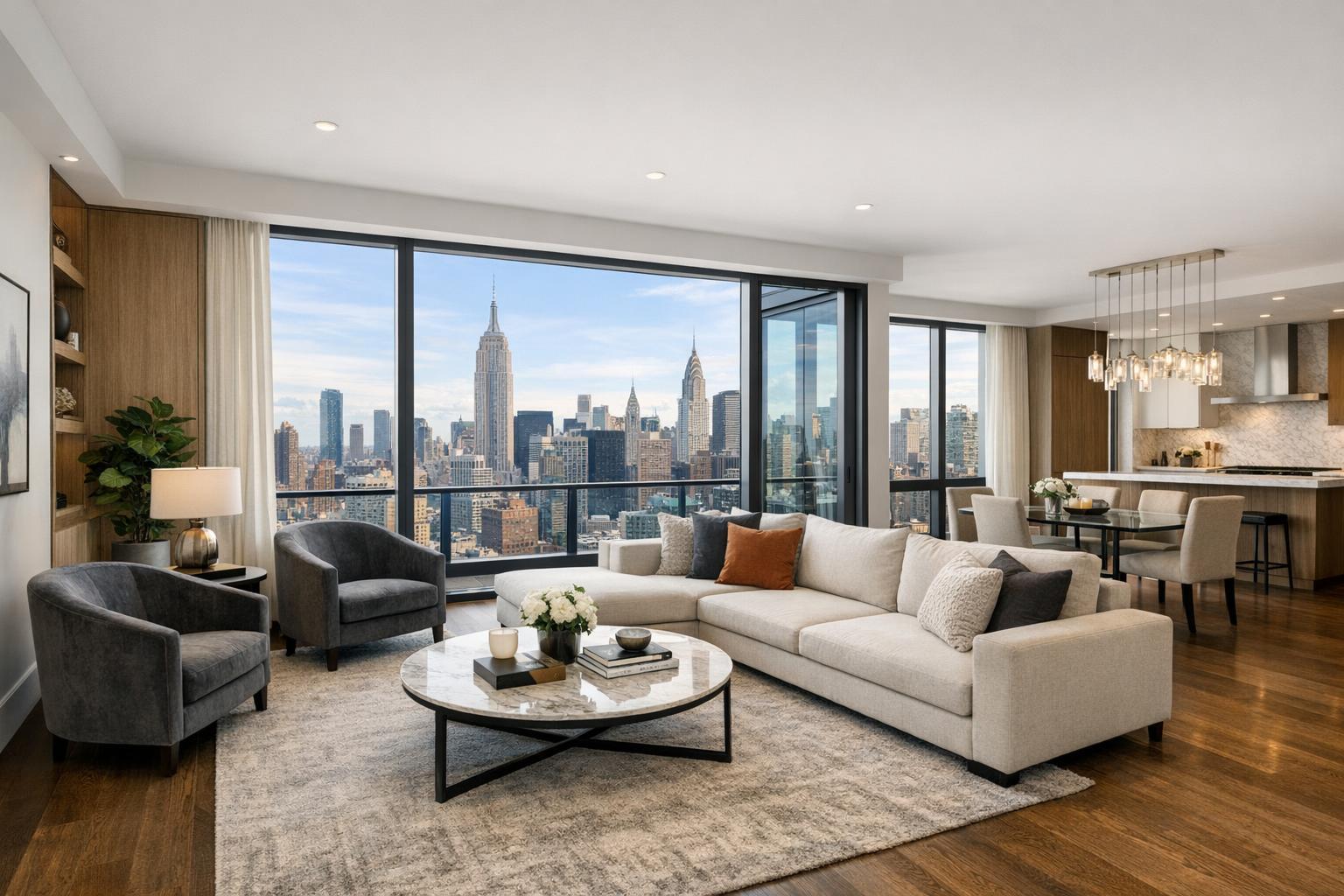
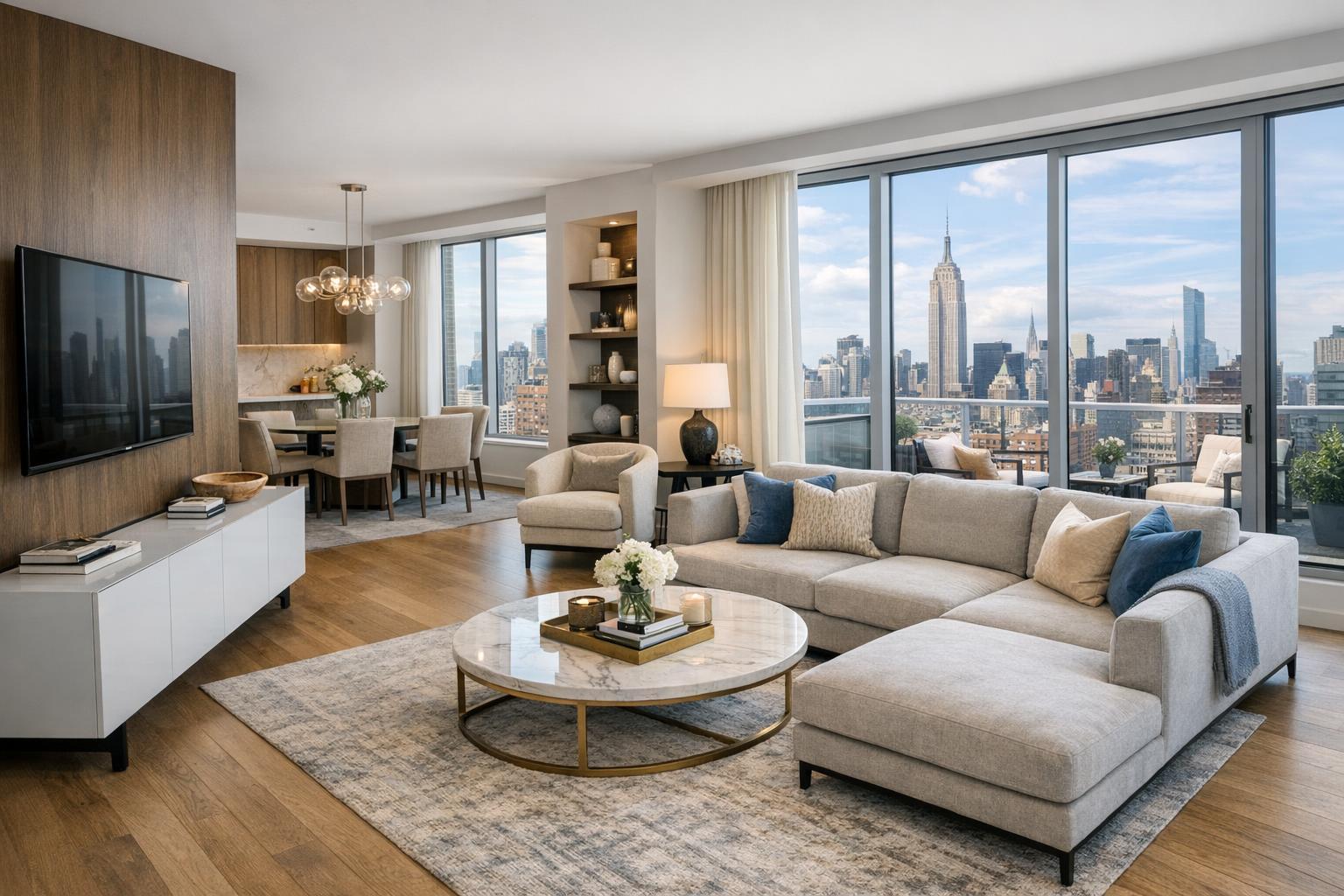
The real estate photography company NYC captured a luxurious modern living room with a stunning view of the Manhattan skyline through expansive windows.

How to Choose a Real Estate Photography Company in NYC
Finding a real estate photography company in NYC that agents, brokers, property managers, or developers can actually rely on means looking well beyond a good-looking photo gallery. In a city where every listing is unique and logistical challenges are the norm, your photography partner has to be more than just creative behind the camera—they need to understand the realities of local buildings, communicate clearly, and deliver exactly what’s needed to make your listing shine.
Here’s how to confidently select the right NYC real estate media team—and what to actually ask before you book.
Go Beyond the Portfolio: Evaluate Consistency
It’s easy for a company to cherry-pick their best images for an online portfolio, but as anyone who’s launched a listing in New York knows, one “hero shot” doesn’t tell the full story. Look for consistency across different property types, lighting situations, and sizes. Ask for examples that actually resemble what you represent, whether it’s a sunlight-challenged studio, a landmark Brooklyn brownstone, or a multi-family building somewhere in Queens.
What to look for:
- Apartments and condos with tough lighting or compact rooms
- Pre-war residences with original details
- Brownstones with multiple floors and tight staircases
- Townhomes with backyards or basement quirks
- Occupied units where prep and access are obstacles
Photographers need to show not just beautiful rooms, but homes that feel logically connected as you click through. Does the visual story take you from front door to living areas, bedrooms, baths, and outdoor space in a way that buyers or renters will actually understand? Individual pretty photos are great, but a clear listing journey is even more important.
The Little Details: Composition and Editing
You don’t have to be a pro to spot rushed work or heavy-handed editing. Review portfolios with an eye for technical faults and clarity:
- Look at the lines: Are verticals truly vertical? In smaller NYC rooms, perspective correction is non-negotiable. Walls, windows, doors, and cabinets should look natural, not warped by wide-angle lenses.
- Check the light: New York apartments often mean a mix of sun and shadow, odd-shaped rooms, and varied fixture types. Editing should balance the light—avoiding images that are so bright or saturated that they feel artificial.
- Purposeful images: More isn’t always better. Too many similar shots clutter a listing and don’t help with navigation. Ask how many photos are usually delivered and whether that number is customized for each property’s size and layout.
A thoughtful provider, like RealtaSnap, offers flexible photo options and helps you choose what’s actually needed for each listing.
NYC-Specific Challenges: Logistics Matter
Getting real estate media captured in New York City isn’t always simple. Entry requirements, doormen, keyed elevators, and narrow access windows can halt a photo day before it begins. Before booking, ask how the company manages:
- Building access—for both agents and photographers
- Concierge or front-desk procedures
- Freight or elevator reservations
- Tenant or owner coordination
- Occupied-home prep
- Any parking, loading, or building time limits
- Access to roof decks, courtyards, or amenities
You want a provider that works with you to capture these notes upfront so there are fewer surprises and less scrambling at the door.
Matching Media to the Listing
Most NYC properties sell the story with strong, accurate photography—but some properties benefit from additional context.
When Photos Will Suffice
Clean, professional photos are usually enough for compact rentals, standard co-ops, or straightforward condos where the layout is clear and the timeline is tight. A clear set of images showing the flow, natural light, and finishes often makes sense as a first priority.
When to Consider Video
Video walkthroughs are especially useful for larger homes, multi-level layouts, or properties where room-to-room movement matters. It’s important to remember that videos should be captured onsite, not simply assembled from still images, in order to truly show how a space connects.
When a Floor Plan is Worth Adding
Floor plans help buyers or renters see room sizes and relationships—particularly helpful for unconventional layouts, split bedrooms, or townhomes with extra levels. Make sure your provider creates authentic floor plans onsite and doesn’t rely only on old paperwork or PDFs.
When to Use Virtual Tours or Aerial Media
A 3D walkthrough gives out-of-town viewers a way to explore a space interactively. These should be done onsite for accuracy. Drone images, when permitted, can add context for larger properties or those with interesting settings—but never assume aerials are guaranteed. Airspace, weather, building approval, and pilot discretion all play a role.
Local Expertise in Every Borough
Manhattan, Brooklyn, Queens, the Bronx, and Staten Island each have their own idiosyncrasies. A strong NYC real estate photography team will adapt their approach to fit:
- Manhattan: Tight spaces, iconic vistas, luxury finishes, and access constraints often drive priorities. Fast, efficient scheduling is key.
- Brooklyn: Think: brownstones, garden apartments, new condos, walk-ups, original details, and multi-story layouts.
- Queens/Bronx/Staten Island: Larger lots, detached homes, more exterior coverage, but still a need for nimble, building-savvy teams.
Ask how the company adjusts for each borough and how they recommend presenting your specific listing.
Streamlined Communication and Simple Scheduling
Listing timelines can move fast, but that shouldn’t mean losing control of the process. Before signing on, you’ll want answers to questions like:
- How do I submit address and access notes?
- Can I easily select desired services and add-ons in one place?
- How soon can I schedule?
- How are special requests handled?
- What’s the typical turnaround?
- What if building access changes at the last second?
With RealtaSnap, scheduling is handled online. After you enter your service address at www.RealtaSnap.com/schedule, you can choose services, add property notes, and select from available appointment times—usually with just 24 hours’ notice. The booking process is simple, avoids back-and-forth emails, and lets you clearly document property-specific requests in advance.
Editing Boundaries: What’s Really Possible
All real estate media involves editing, but some requests are simply out of scope or require extra steps. Common edits (exposure, color, perspective) are standard; more extensive requests for virtual staging, clutter removal, or structural changes should be discussed upfront. For example, AI virtual staging works best in vacant, decluttered rooms. If furniture is present, removal services may be needed first.
Photos, videos, floor plans, and 3D tours are always based on what’s actually captured onsite—providers cannot authentically create these from old floor plans or still photos.
How to Compare Your Options
Before choosing a real estate media company for your next listing, run through the shortlist:
- Does their work look consistent with properties similar to yours?
- Are they careful with lines, composition, light, and edits?
- Do they get local logistical challenges and prep needs?
- Can you choose only the coverage you need?
- Are deliverables and turnaround clearly explained?
- Is the booking process realistic for your team?
- Do they communicate honestly about what can and can’t be done?
The answer to all these should be yes. Reliable NYC real estate photography isn’t just about pretty pictures—it’s about making the listing launch easier for everyone involved.
Ready to schedule professional media in NYC or New Jersey? Book online here or visit RealtaSnap.com for service details.
FAQ
Question: How much notice do I need to schedule a shoot in NYC?
Answer: RealtaSnap requires at least 24 hours’ notice for online bookings. Available appointment times are visible in real time, making it easy for you to plan based on your listing schedule.
Question: Should I always order a floor plan along with photos?
Answer: Not always. Floor plans are most useful for properties with complex, multi-level, or unusual layouts. For simple studios or one-bedrooms, high-quality photos are usually sufficient to help viewers understand the space.
Question: Can virtual staging be used if there’s furniture in the room?
Answer: AI virtual staging works best in empty or fully decluttered rooms. If the property still has furniture, it may need to be removed (physically or digitally) before staging can be added cleanly.
If you want to see service options or book directly, head to www.RealtaSnap.com.