How to Choose Commercial Real Estate Photography for Offices, Retail, and Industrial Space
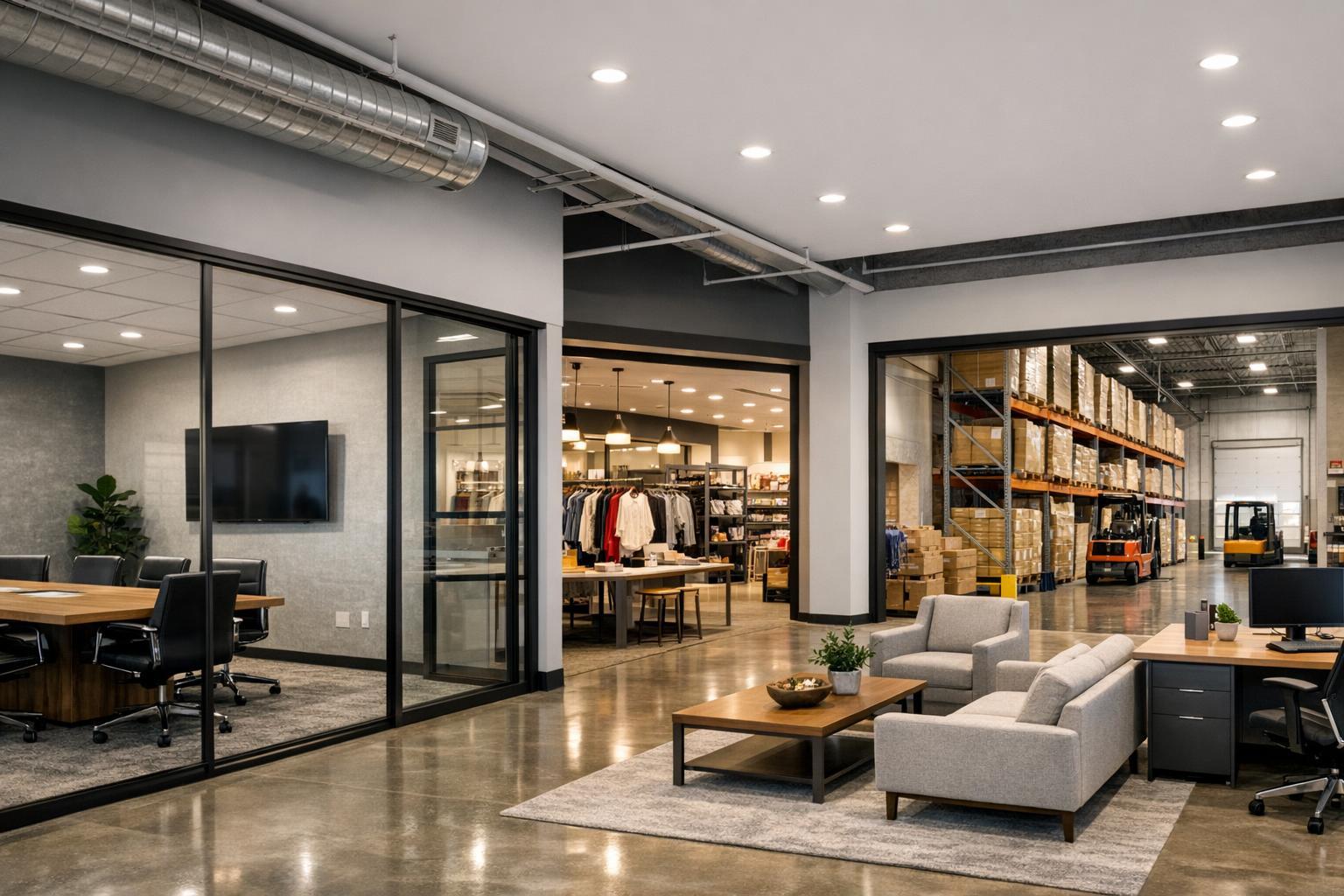
A modern commercial real estate space features an open office area, a conference room, a clothing showroom, and a large warehouse with shelving and forklifts.

How to Choose Commercial Real Estate Photography for Offices, Retail, and Industrial Spaces
Commercial real estate photography in New York City or New Jersey isn’t just about taking attractive photos. It’s about capturing essential business details so that prospective tenants, buyers, and investors can make sense of the space before they ever set foot in the building. Office suites, retail storefronts, warehouses, and new developments each demand a distinct approach—one that goes beyond surface appearance to clearly explain layout, functionality, and standout features.
If you’re a broker, property manager, developer, or business owner, selecting the right commercial property photographer can feel like a practical challenge. Here’s a breakdown of what to consider so your next commercial listing communicates the information your audience actually needs.
The Practical Role of Commercial Photography
Compared with residential listings, photos of commercial properties tell a multi-layered story. Not only do they need to look professional, but they must also answer specific questions:
- How is the floor plan laid out?
- Are branding sites and infrastructure easy to spot?
- What’s the scale and flexibility of the space?
- Does access suit the target user’s needs?
It’s crucial to showcase usable square footage, traffic flow, finishes, windows, infrastructure, and how each space interacts with its surroundings. For example, a bright photo of a glass lobby can leave an impression, but potential tenants will also want to see shared amenities, tech infrastructure, or parking arrangements.
Start with Where—and How—Your Photos Will Be Used
Before you even browse for a photographer, clarify the project’s audience and what they need from the images. Are you marketing to office tenants, retail brands, investors, business owners, or a combination? Each group may weigh features and visuals differently.
Consider these questions:
- Is your property for lease or sale? For a brand campaign, investor pitch, or construction update?
- Do you need to portray a bustling business, a vacant suite ready for fit-out, or a live construction zone?
- Where will the images be shown: listings, websites, presentations, print, or signage?
- Are there unique features that need extra attention?
The answers will inform your shot list. A seamless office story may focus on workflow between reception, open workspace, and client areas. Warehouse imagery might favor loading docks, clear bays, and access roads. Retail photographers should prioritize both street-facing visibility and customer experience inside.
Visual Priorities Across Property Types
Office Space
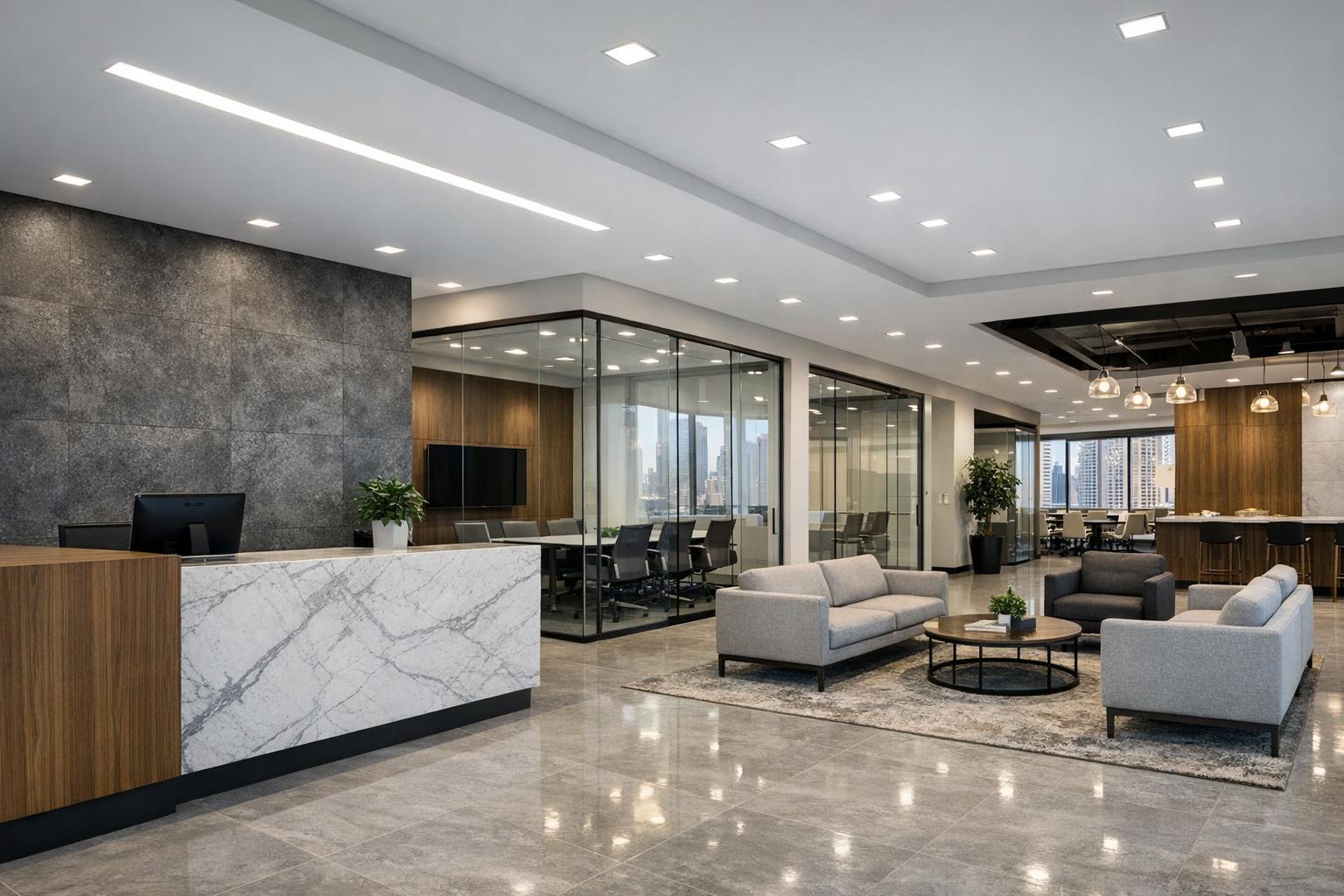
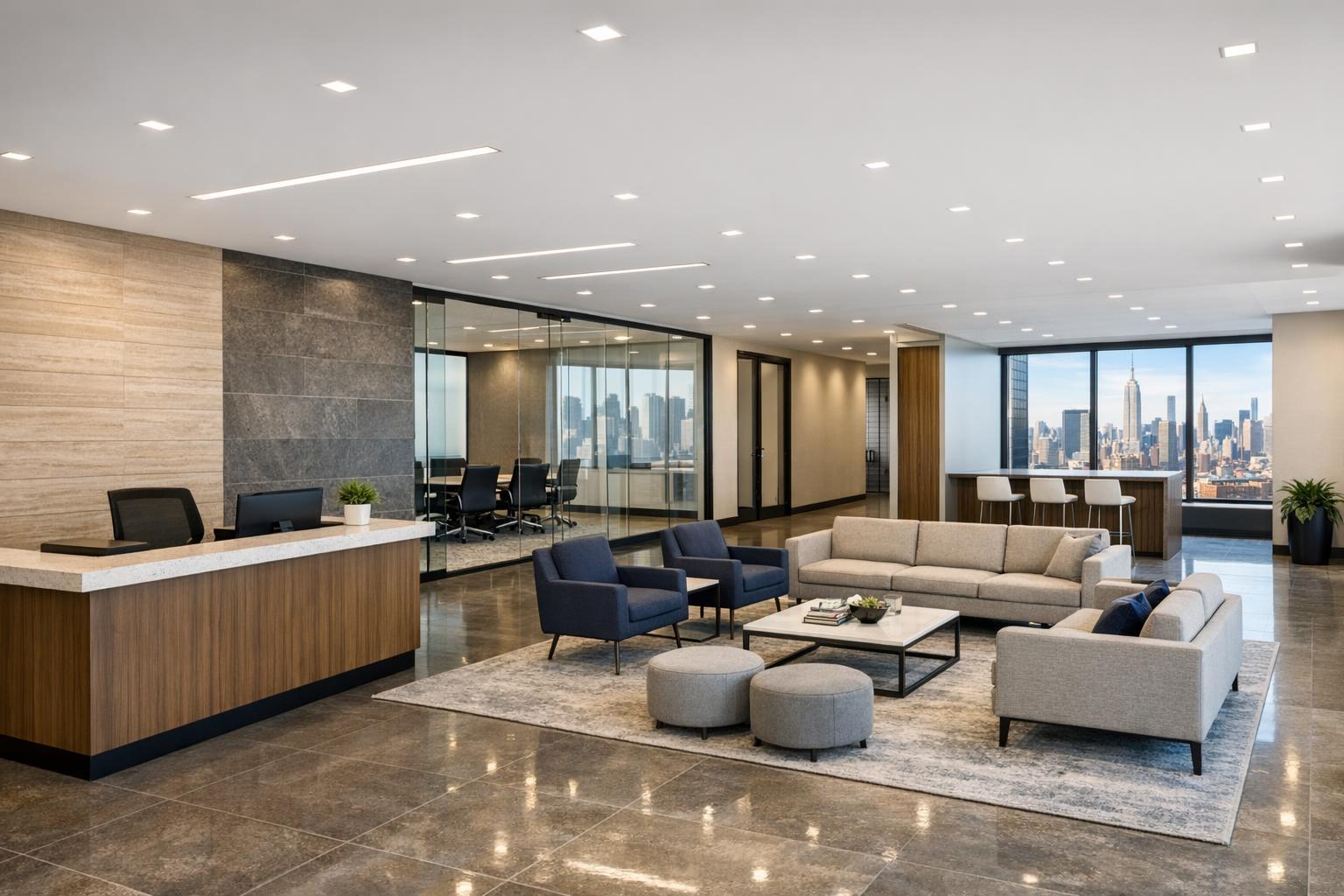
A well-photographed office allows viewers to picture real people working, meeting, and moving through the space. Important areas include reception, shared amenities, conference rooms, open-plan workspaces, and kitchens. Clean vertical lines and balanced lighting are key, especially where window glare and overhead lights mix.
Occupied offices should be tidied—remove clutter and paperwork—unless you want to capture the dynamic feel of a live workspace. Decide in advance how much lived-in detail is appropriate.
Retail Locations
Retail shoots need to work from the sidewalk inward. Exterior images should clarify signage, windows, and the building’s relationship to its block or shopping corridor. Interiors should show how customers move, where merchandise goes, and how displays or seating are laid out.
Empty spaces benefit from images that make size and flow intuitive. For tenant prospects, pairing photos with a simple floor plan can make your marketing package much more useful.
Restaurants and Hospitality
Here, you want photos that convey both atmosphere and operational assets. Key zones: main dining, bar or counter, kitchen, any outdoor seating, and entry. Lighting is always tricky, thanks to a mix of mood-setting fixtures, windows, and reflective finishes. Skilled commercial photographers capture the mood while keeping features readable.
When marketing to another operator, make sure permanent elements—equipment, built-ins, seating—are visible and well-documented, not just highlighted with dramatic lighting.
Warehouses and Industrial
Functionality comes first. Photographs should clearly show docks, roll-up doors, drives, parking areas, and wide interior bays. Camera angles that distort room shape can make it harder for viewers to judge space, so careful composition and straight lines are essential. Include elements like ancillary office build-outs or accessibility that might be deal-makers.
Development Projects
When the property is under construction or renovation, photographs might serve many stakeholders—leasing agents, investors, future tenants, and lenders. Expect to document site access, ongoing work, finished areas, exterior progress, and the broader context. On active job sites, work with your project team to coordinate safe, practical access and clarify which spaces are ready for photos.
What Makes a Good Commercial Property Photographer?
Not all photographers are equipped to handle the rigors of commercial assignments. When evaluating a provider, consider:
- Do they have experience with commercial spaces and architectural photography (not just residential listings)?
- Can they manage challenging lighting (mixed daylight, overhead fixtures, reflective surfaces)?
- Will they collaborate on a detailed shot plan that fits your asset type and marketing goals?
- Are they willing and able to coordinate with building staff or tenants for smooth access?
- Can they deliver files—images, edits, alternate crops—in the formats you’ll need for listings, brochures, presentations, or social media?
Browse their portfolio for projects similar to yours. Are the exteriors clean and straight? Are interiors evenly lit and accurately colored? Does the photo set flow logically through the space?
A good commercial property photographer should ask about:
- Building rules and schedules
- The presence of people (staff, customers) in photos
- What’s needed to prepare each room
- How editing requests will be handled
- Any restrictions on image use
These questions signal a thoughtful, professional approach.
NYC and North Jersey: Local Realities Matter
Properties in New York City and North Jersey rarely fit the suburban shooting script. You’ll want a provider who understands local quirks:
- Timing: Rush hours, street congestion, and building access restrictions can dictate when and how photos are taken.
- Building Coordination: Larger buildings usually require advance notice, insurance certificates, and compliance with management rules.
- Challenges: Freight elevators, busy sidewalks, tenant occupancy, and parking can influence which areas are accessible or how long a session takes.
- Drone Work: Aerial photography is possible, but not always. Drone flights in this region depend on FAA authorization, airspace, safety, weather, building access, and the discretion of a licensed pilot. In urban centers, roof access may open up possibilities, but not every site is approved or practical.
Being realistic about these factors from the start prevents headaches. Good commercial property photographers communicate any concerns so you can plan accordingly.
Preparing a Space for Commercial Photography
While commercial spaces aren’t staged like luxury homes, a little preparation helps ensure a clean, market-ready impression:
- Remove temporary storage, trash, and excess supplies from main sight lines.
- Secure sensitive paperwork, screens, and personal items.
- Wipe down glass, mirrors, and counters.
- Confirm lighting works in key areas.
- Straighten furniture, open window treatments, and tidy up.
- Double-check access to all relevant rooms, amenities, exteriors, and roofs when needed.
- Make sure onsite staff are aware of the schedule and shot list.
- Identify any spaces that should not be photographed.
For vacant areas, virtual staging may be an option. This works best with clean, empty rooms. Any digital clutter removal should be discussed beforehand.
Evaluating Proposals and Making the Call
Pricing is always part of the decision, but so is the fit. A lower price without the coverage, image quality, or flexibility you need can end up costing more once workarounds and extra editing are involved.
When you’re comparing providers:
- Look for a relevant portfolio, not just pretty photos in a different context.
- See if they ask about your goals, audience, and must-have views.
- Check whether their process can handle a live, occupied space.
- Make sure deliverables and image rights are clearly explained.
- Confirm they’re capable of producing supplementary materials—floor plans, virtual tours—if needed, but remember these require separate on-site capture.
If you’re in New York City, North Jersey, or surrounding areas and need a reliable partner for commercial real estate photography, RealtaSnap understands both the technical demands and the on-the-ground realities of these markets. To browse a summary of services for commercial listings, visit RealtaSnap’s NYC commercial photography page.
FAQ
Question: How many images should I expect for a commercial property?
Answer: The number depends on the property’s scale and marketing needs. Smaller offices may only need focused coverage of key areas, while larger or mixed-use sites often benefit from a more extensive set showing access, amenities, and context. A good shot list starts with the core views your target audience needs.
Question: Is it possible to photograph commercial spaces while tenants or businesses are operating?
Answer: Yes, it’s common—especially in New York and New Jersey’s busy markets. It helps to coordinate for minimal disruption, schedule during quieter hours, and make all necessary staff aware of the session in advance.
Question: Can drone photography be done for every commercial listing?
Answer: Not always. Drone photography is handled case by case, depending on factors like airspace, weather, access, building permissions, and pilot discretion. If aerial images are important, discuss feasibility with your provider while planning the shoot.
If you’re navigating the logistics of commercial property marketing and need clear, professional imagery, RealtaSnap would be happy to help you build a practical visual package. For more information or to start a conversation, visit www.RealtaSnap.com.