How to Choose a Manhattan Real Estate Photographer for Your Next Listing
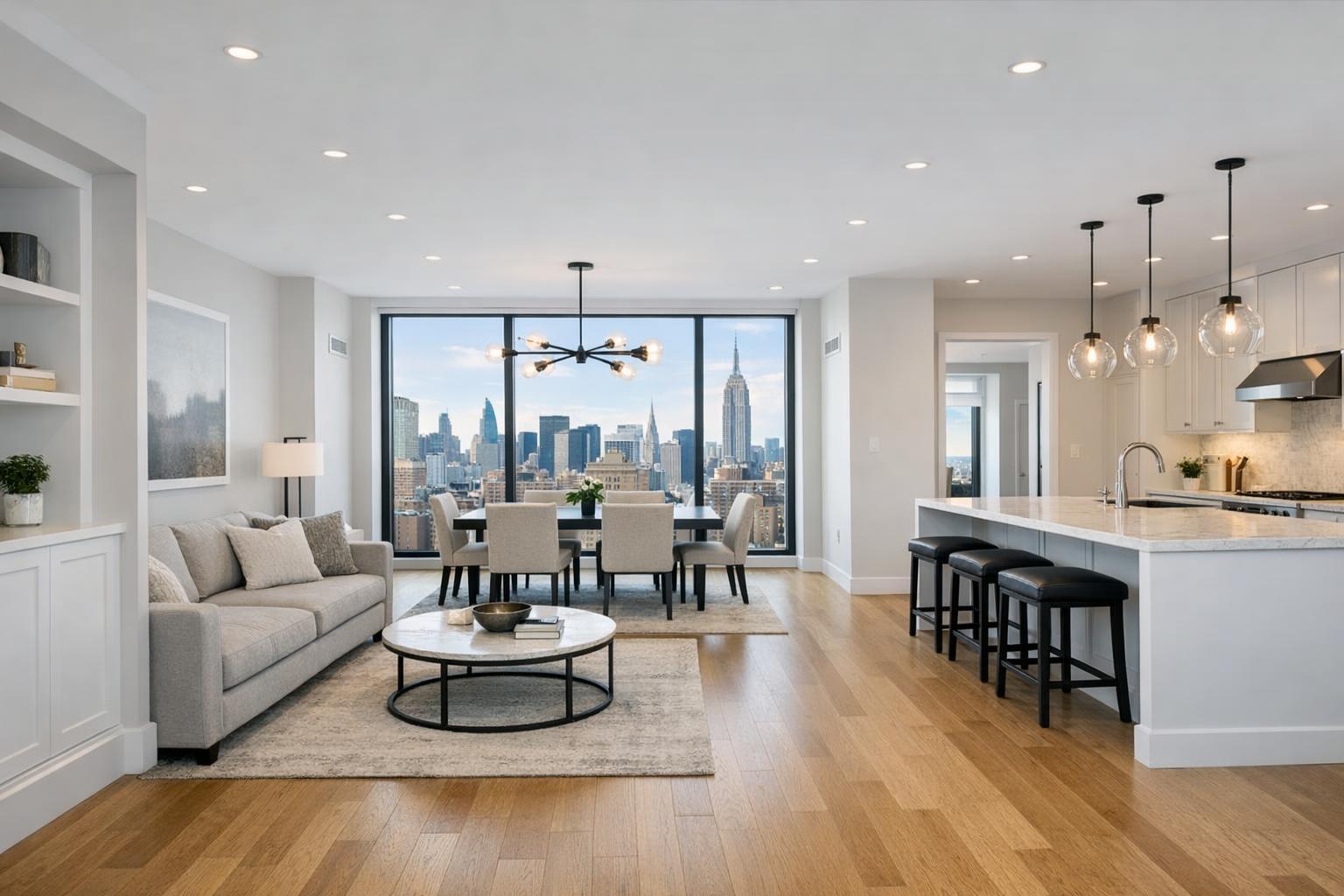
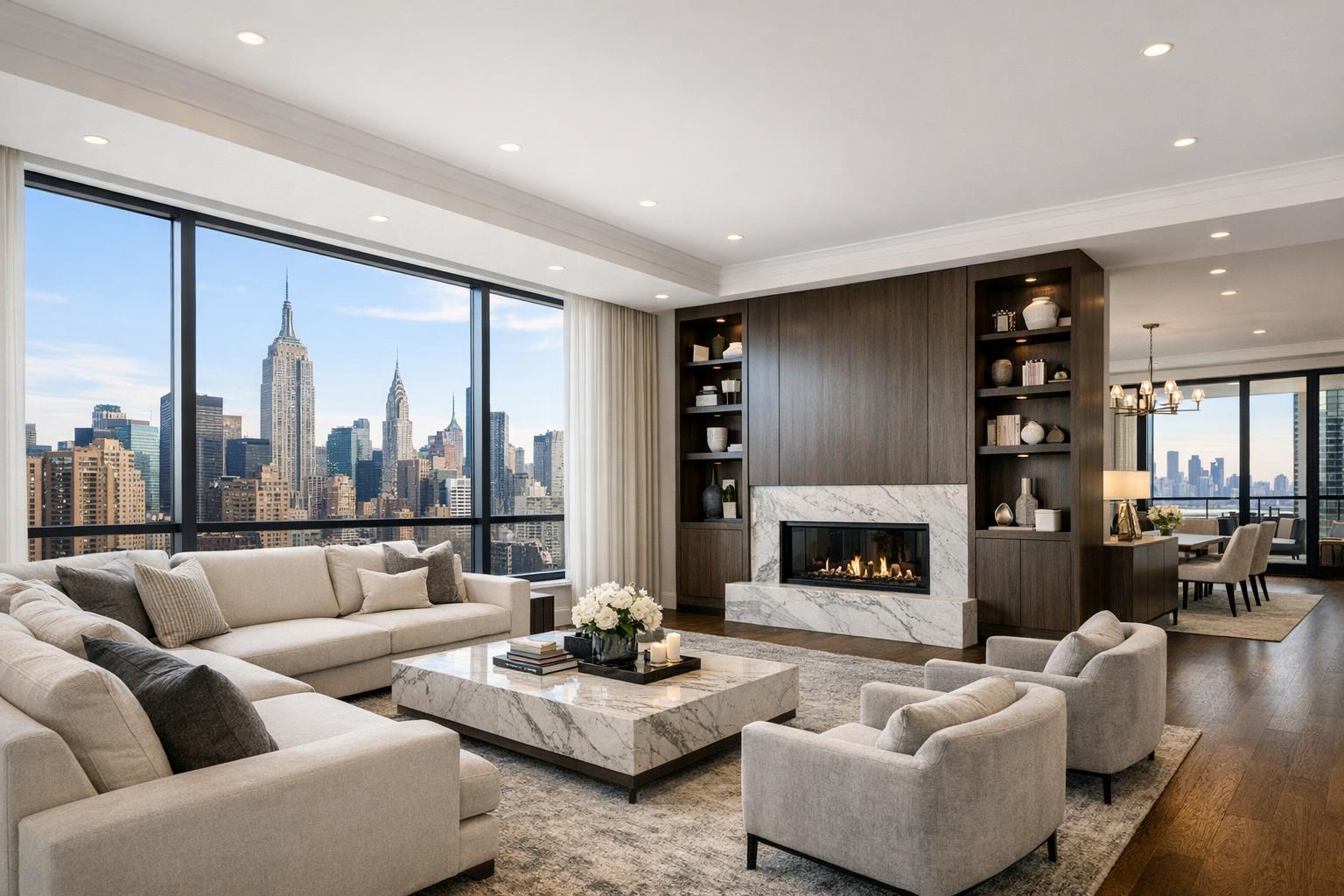
A Manhattan real estate photographer captures an elegant living room with a breathtaking skyline view of iconic skyscrapers through large windows.

How to Choose a Manhattan Real Estate Photographer for Your Next Listing
Selecting a Manhattan real estate photographer isn’t just about finding someone who can shoot a good-looking living room. New York City listings come with a unique set of challenges: strict building rules, compact layouts, pre-war details, and often, a full-time resident or tenant in the mix. For agents, brokers, property managers, and owners comparing their options, the question isn’t “Who has the most eye-catching photo?” but rather, “Who can truly capture this property—and handle everything that comes with it?”
What to Look for in a Photographer’s Portfolio
A photographer’s portfolio provides real insight into how they’ll handle your listing. Anyone can feature a glossy kitchen or a panoramic penthouse view on their site, but the real test is work across a range of NYC properties. Review their experience with spaces like classic co-ops, slender brownstones, high-rise condos, and lived-in rentals.
Things to notice:
- Natural, believable light: Rooms should feel inviting and true-to-life, not cold or unnaturally filtered.
- Managed window exposures: In Manhattan, views matter. Compare how interiors balance with city scenes instead of fading into darkness or washed-out streaks of white.
- Accurate shapes and lines: Look for straight vertical walls, proper proportions, and an absence of funhouse-style distortion. Wide-angle lenses are helpful, but only when used thoughtfully.
- Consistent editing style: A gallery should feel unified—brightness, color, and perspective shouldn’t jump wildly from one photo to the next.
Thoughtful, accurate photography helps buyers and renters recognize the property’s value and understand its real scale. Especially in Manhattan, where every foot counts, exaggeration is easy to spot.
Managing Manhattan’s Building Logistics
In this city, a great photo shoot requires more than camera skill. Photographers need to work around access issues, elevator scheduling, and building rules. Be sure your photographer is comfortable juggling:
- Certificates of insurance (COI)
- Doorman or concierge check-ins
- Coordination with agents, owners, residents, or tenants
- Service elevator reservations
- Restrictions on hours or equipment
- Rules for shared amenities, rooftops, or exteriors
Communication is key. Share all building-specific rules ahead of time, including who will open the door and any spaces that need special timing. These details can mean the difference between a smooth shoot and a missed opportunity.
Fit the Photographer to the Property, Not Just the Square Footage
No two Manhattan listings are exactly alike. A pre-war apartment might need special emphasis on original moldings or a decorative fireplace, while a modern condo might benefit from wide, open shots that show off its view and finishes. In a compact studio, the right angles can make the most of every inch—without misrepresentation.
When reviewing candidates or planning with your chosen photographer, ask questions like:
- What’s your experience with occupied units or tight, unusual spaces?
- How do you handle mixed light, challenging layouts, or important details?
- Can I provide custom instructions for my building?
- What’s the best way for owners or tenants to prep before a shoot?
You want direct, experience-based answers—not a hard sell. The best real estate photographers in NYC are careful listeners who put clarity and efficiency first.
Preparing an Occupied Apartment: Small Steps, Big Impact
Even the most skilled Manhattan property photographer can only do so much if the space is cluttered or busy. In NYC, where storage is tight, perfection isn’t expected—just aim for order and clarity.
Quick prep checklist:
- Clear counters and tables of personal items
- Remove refrigerator magnets and notes
- Tidy bathrooms and hide spare toiletries
- Put away cords, pet accessories, and visible bins
- Open shades when possible (if views are a feature)
- Turn off TVs and monitors
- Straighten bedding and furniture
- Remove obstacles blocking sightlines
Have a conversation with anyone living in the apartment so everyone knows what to expect.
Is Photography Alone Enough—or Does This Listing Need More?
Photography anchors almost every listing, but Manhattan buyers and renters sometimes need additional context.
- Video: Helpful for listings where the flow between rooms or indoor/outdoor space matters.
- Floor plans: Essential for unique layouts, duplexes, or units with odd angles or multiple levels. Floor plans must be captured on-site.
- 3D virtual tours: Useful for remote buyers, busy clients, or anyone wanting to explore a space interactively. Like floor plans, these tours require a physical scan—photos alone won’t create one.
- Drone media: Aerials can add context for buildings with roof access, outdoor space, or notable settings. Feasibility depends on airspace, weather, and access.
- Virtual staging: Best used for vacant rooms, with any existing furniture cleared (physically or digitally) before staging is applied.
Discuss what will truly help a prospective viewer get their bearings. Overloading a listing with every media type isn’t always necessary.
Evaluating Communication and Workflow
Beyond the images, consider how easy it is to work with a provider. Response time, clarity, and a streamlined process all affect your experience and the end result.
A quality media company makes it simple to:
- Share property details and access instructions up front
- Add service requests or priorities (like featuring a terrace or architectural detail)
- Get clear info on what’s included
- Coordinate with minimal back-and-forth
RealtaSnap, for example, uses an online ordering platform where you can provide addresses, details, and instructions at your convenience. The process is built around Manhattan realities—helping you focus on selling or renting rather than chasing down logistics. You can see how it works at www.RealtaSnap.com.
Matching the Photographer to the Listing
The “right” Manhattan real estate photographer isn’t decided by the flashiest website or the longest menu of extras. What matters is a proven ability to shoot interiors naturally, control window and indoor lighting, keep architecture honest, and move efficiently within New York’s constraints.
Review their work, clarify logistics, and choose services with the property’s story in mind—adding video, floor plans, or other options only when they genuinely add value. For agents, owners, or teams seeking visuals that work well on listing sites and are easy to coordinate, RealtaSnap is a practical option to consider.
If you’re curious about service options, RealtaSnap’s FAQ covers common questions.
FAQ
Question: How many photos should I order for a typical Manhattan listing?
Answer: It varies by property type and size. Studios or smaller apartments may only need enough photos to cover main rooms and any unique features. Larger condos, co-ops, or townhomes might benefit from a more extensive set. The goal is to clearly show living spaces, bedrooms, kitchen, baths, and any standout detail without overwhelming viewers.
Question: When is a floor plan worth adding for an NYC apartment?
Answer: Floor plans are particularly useful if the apartment has a nontraditional layout, multiple stories, or spaces that connect in a way that’s hard to capture with photos alone. For simple layouts, professional photography might be enough. Remember, floor plans require an on-site visit for accurate measurement and capture.
Question: What information should I give my photographer before the shoot?
Answer: Provide as much detail as possible—building access instructions, COI requirements, contact info for who will let them in, areas that should be prioritized, and any building or resident rules. Full details help avoid delays and make the shoot more efficient.
If you’re preparing a Manhattan listing and want a streamlined, professional experience, feel free to explore options or book at www.RealtaSnap.com.