How to Choose a Real Estate Photographer for Your Listing
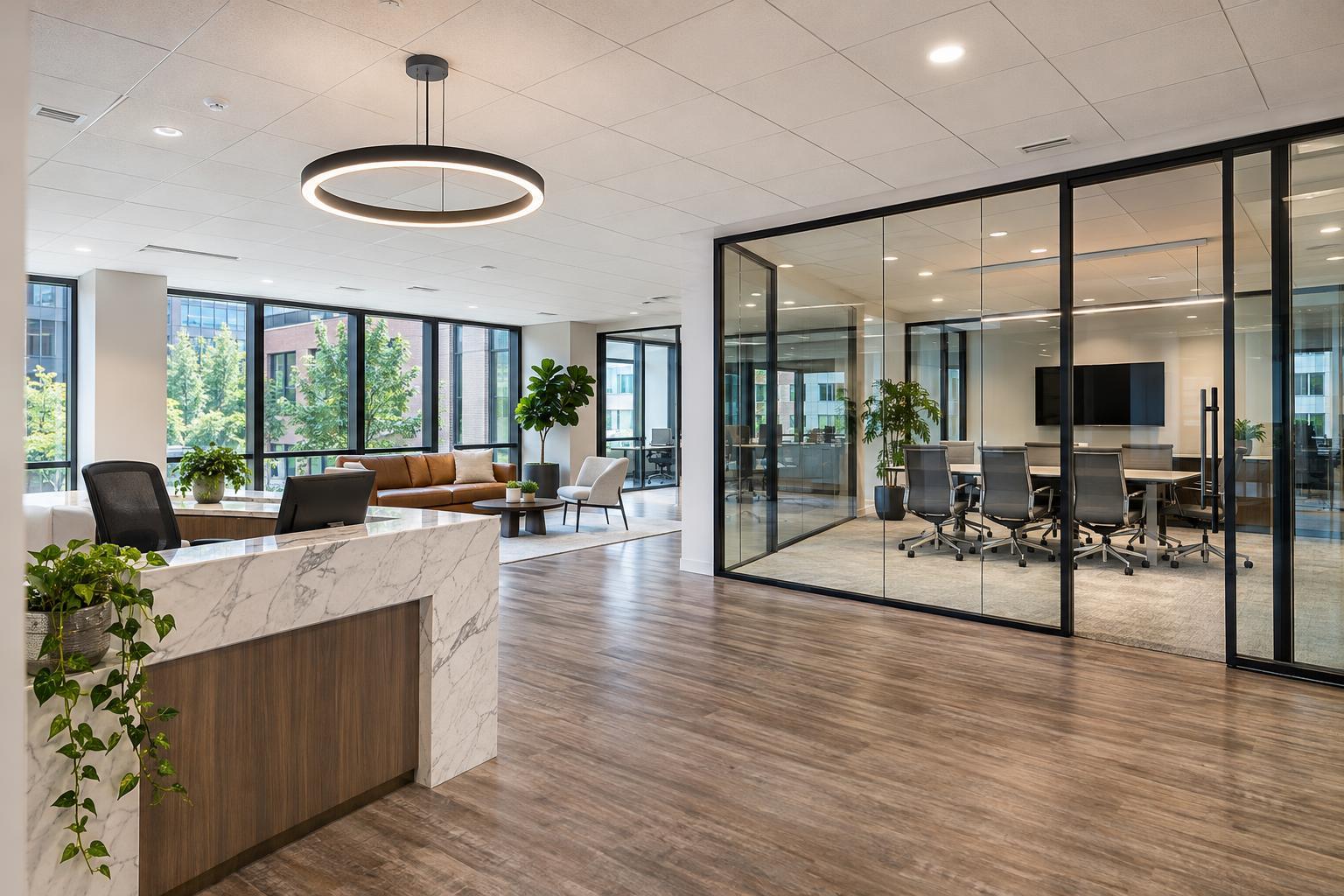
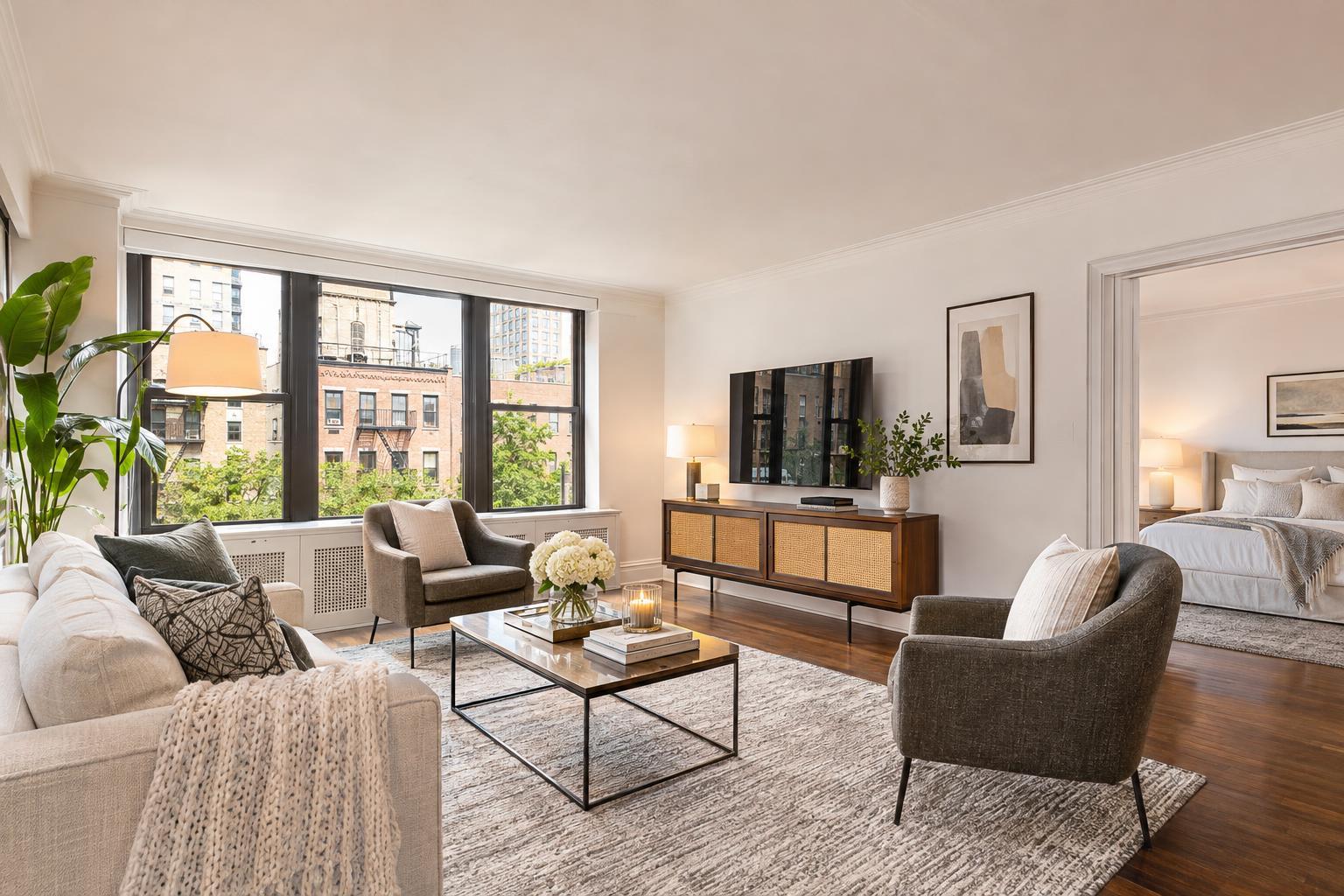
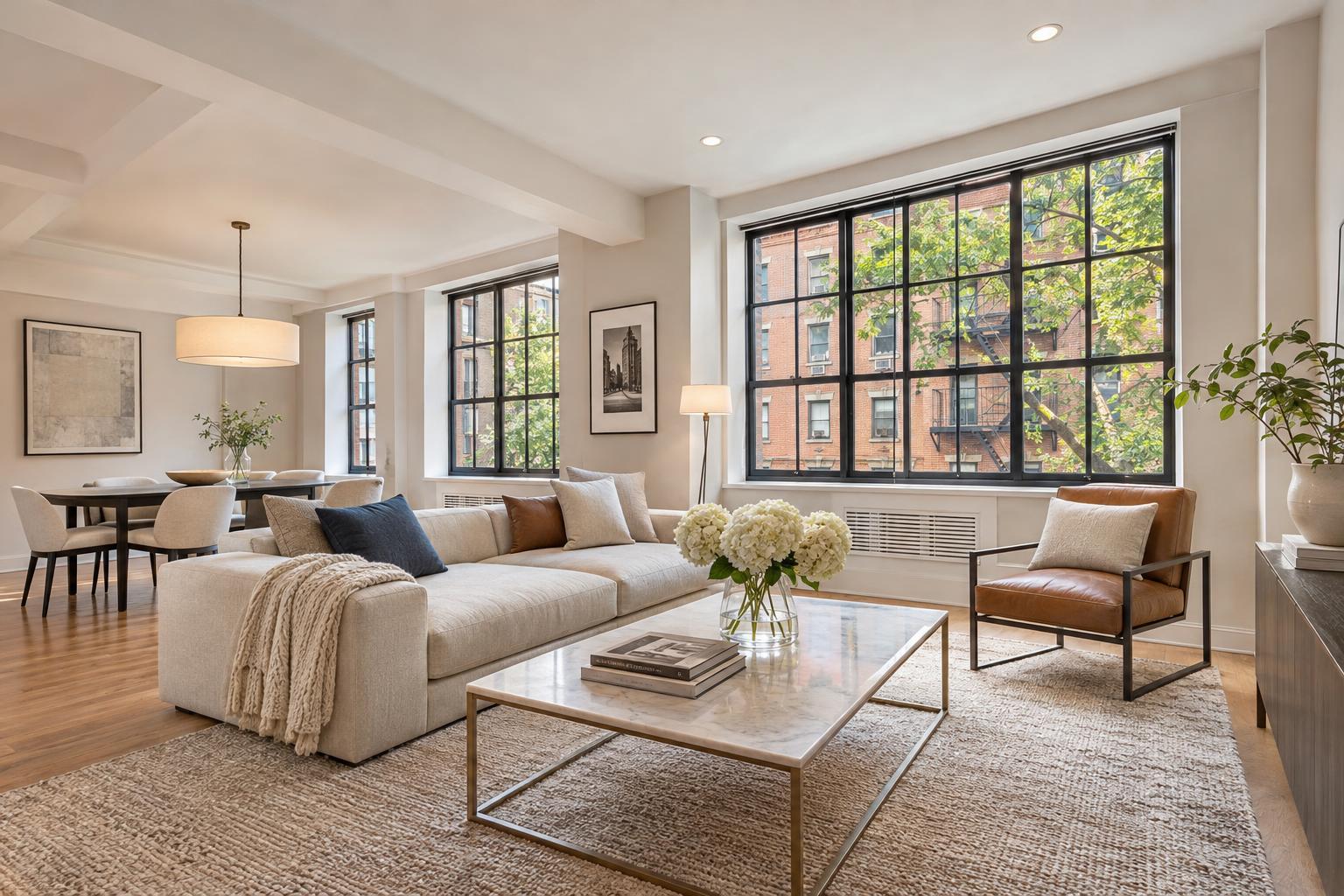
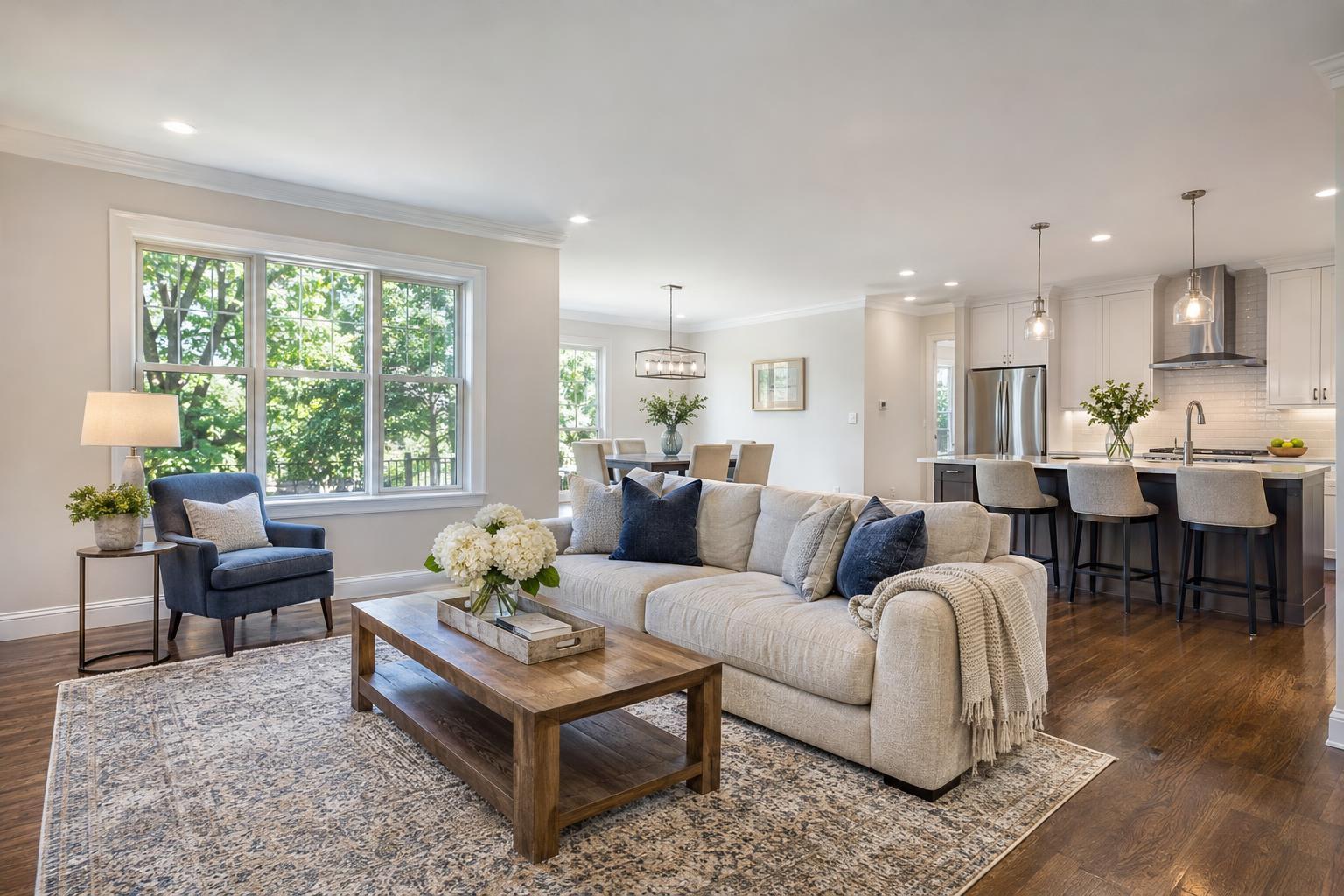
Real estate photographer showcases a beautifully lit, open-concept living area featuring a cozy couch, a stylish rug, and a modern kitchen with a central island.

How to Choose a Real Estate Photographer for Your Listing
Hiring a real estate photographer is one of the most impactful decisions you’ll make when preparing a property listing. The right professional helps translate a physical space into a visual story that resonates with buyers and renters browsing online. But the real challenge for agents, brokers, property managers, and owners isn’t just finding someone with technical skill—it’s selecting a property photographer who knows how to capture the full personality and reality of your property, works efficiently in any environment, and communicates clearly every step of the way.
This guide covers what to look for beyond a flashy highlight reel, how to match your media needs to different types of listings, and practical questions to ask when contacting real estate photography services in NYC and New Jersey.
Beyond Portfolio Highlights: What Consistency Really Means
Photographers’ portfolios are often packed with eye-catching interiors, but it’s consistency—rather than a handful of dramatic shots—that reveals true professionalism. Look for portfolios that showcase a range of properties, not just newly renovated homes or perfect sunlit rooms.
A reliable real estate photographer will deliver:
- Balanced exposure in rooms with both natural and artificial light
- Accurate, natural colors that don’t distort finishes or make paint look odd
- Straighter vertical lines (walls, doorways) and undistorted perspectives
- Wide shots that actually help viewers understand room size and layout
- A mixture of broader views, tighter detail shots, and purposeful exterior images
Review not just the grand kitchens and open living spaces, but images of modest bedrooms, hallways, or lived-in spaces. Are tight rooms and awkward angles still clear and welcoming? Photographers who handle everyday spaces with care are better equipped for real-life properties across Manhattan, Brooklyn, or North Jersey.
Approaching Each Listing Type: Local Examples
Every home deserves an approach tailored to its layout, light, and unique selling points. Compare how you’d present a compact Manhattan apartment to a historic Brooklyn brownstone or a sprawling New Jersey home.
For each, evaluate:
- How the photographer plans to sequence the shoot—does a multi-level brownstone get a visual “tour” showing how floors connect and details flow together?
- Will a Jersey City condo’s skyline views or a suburban property’s outdoor space be photographed intentionally, maybe even at a particular time of day?
- Are there features that require extra coverage, like a new kitchen, detailed moldings, or a fully finished basement?
A good conversation before booking matters more than a generic photography package. Ask how they decide what to photograph and whether you can send priority notes in advance.
The Importance of Exposure and Editing
Professional property photography isn’t about image manipulation—it’s about making sure each photo helps the viewer understand the space. Especially in apartments and homes with a jumble of daylight, warm lamps, and building reflections, skilled photographers balance exposure and color so the set feels cohesive.
Look for images where:
- Window views are visible, but the room remains invitingly lit
- Paint, cabinetry, and floors look natural and true-to-life
- Brightness and color remain consistent from frame to frame
Editing should refine your property—not mask reality. The best results are polished, but never so processed that the space starts to look unfamiliar.
Working With Occupied Properties
Most listings in NYC and New Jersey aren’t empty. Photographers often need to work around tenants, children’s schedules, or fully furnished rooms. The right professional will have strategies for dealing with personal items, everyday clutter, and less-than-staged spaces, while making sure key features come through.
If your property is occupied:
- Try to tidy up surfaces, clear personal items, and enhance available light before the shoot
- Move vehicles as needed for exterior shots
- Let the photographer know about any must-highlight or must-skip areas
A thoughtful photographer will focus on making the space look its best as it actually exists. If additional editing or virtual staging is possible, set those expectations early.
Communication and Planning: Why It Matters
Clear, timely communication can prevent a world of headaches—especially in NYC’s busy buildings or when tight schedules and access codes are involved. Before booking, find out:
- How scheduling and access are handled (e.g., online calendar, building policies)
- When and how files will be delivered
- If you can add notes about unique features or logistical details
- What the turnaround is for standard packages
- Who you should reach out to if something changes with the property
A real estate photographer should help make your listing prep smoother, not more complicated.
Understanding Pricing, Deliverables, and Licensing
Price is only one part of the decision. Ask for a clear understanding of:
- Number of photos included by default
- What types of coverage (interior, exterior, details) are standard
- Turnaround time for edited photos
- Whether you can add services like floor plans, video, drone, or virtual staging
- How the images can be used for marketing and MLS purposes
For details about RealtaSnap’s specific pricing and package options, see their real estate media services overview.
Matching Media Type to the Property
Photography remains the foundation of almost every listing, but sometimes floor plans, video, virtual tours, drone, or virtual staging add crucial context.
- Still Photography is ideal for straightforward apartments and smaller rentals that benefit from a clean, honest visual presentation.
- Floor Plans are especially valuable in homes with unconventional or multi-level layouts and require in-person measurement and capture.
- Video Tours can show movement through the space, making sense of unusual layouts or highlighting features that aren’t obvious in stills—captured on site, not assembled from photos.
- 3D Virtual Tours like Matterport are useful for buyers who want to explore spatial relationships on their own time; these also require on-site scanning.
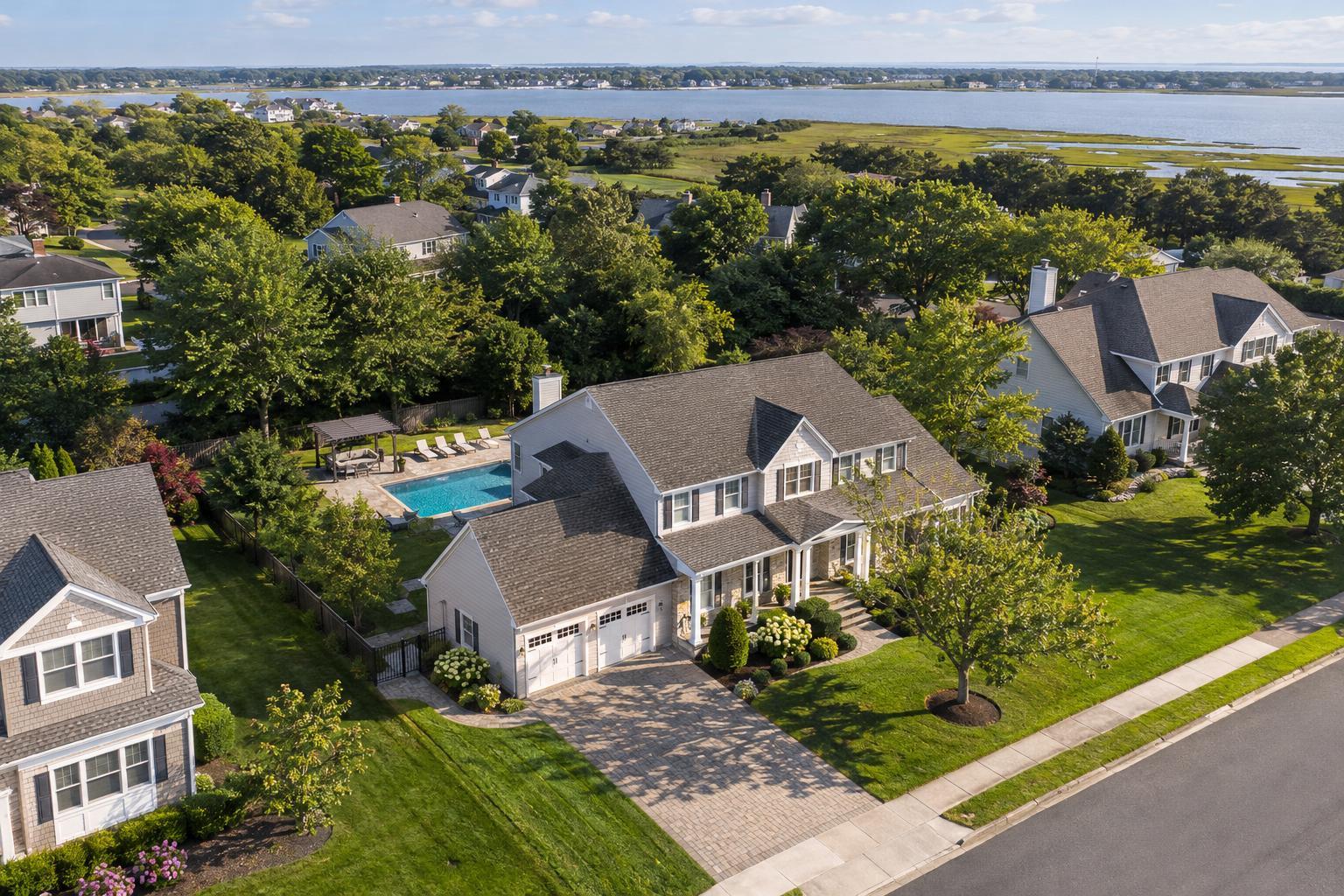
- Drone Imagery works for properties where aerial context matters, such as large lots or buildings with notable exteriors—but subject to FAA rules, airspace conditions, weather, and pilot discretion.
- Virtual Staging is best for empty rooms where furniture would make the space more inviting; existing furniture must be removed, either physically or via a professional clutter removal add-on before staging.
Every add-on should serve the property, not just your marketing goals.
Useful Questions to Ask Before Booking
- Can you share complete examples from similar properties?
- What’s your workflow for properties with challenging layouts or lighting?
- How will you approach an occupied home?
- What’s included in the base photo package?
- How do you deliver and license finished images?
- Are extra images, floor plans, or video options available if needed?
- What should I prepare in advance of the shoot?
Direct answers will tell you as much about a service provider as a beautiful portfolio.
RealtaSnap: Local Coverage With Clear Communication
If your next listing is in NYC or New Jersey, RealtaSnap is designed to make the process of hiring a real estate photographer straightforward and dependable. You can review photo options, add-ons, and booking availability directly through RealtaSnap’s real estate media services page. Standard photography packages begin at just $149 for 10 professionally edited photos. Floor plans, video, drone, and virtual staging can be added as needed, with transparent pricing and policies that are easy to review in advance.
Booking requires at least 24 hours’ notice and can be completed online. For more details or to explore the full range of services—including FAQ, prep guides, and sample work—visit RealtaSnap.com.
If you have an upcoming property to list, we’d love the opportunity to earn your business.
FAQ
Question: How soon should I schedule a real estate photographer for my listing?
Answer: Booking a photographer as early as possible will give you more flexibility—especially when coordinating with sellers, tenants, or building access. For RealtaSnap, you can check live calendar availability and book appointments online with at least 24 hours’ notice.
Question: Is it worth hiring a specialist in real estate photography instead of a general photographer?
Answer: Yes, especially in NYC and New Jersey. Specialists in real estate media understand how to handle mixed lighting, straight lines, cluttered or occupied spaces, and deliver sets of images that feel consistent and market-ready. These skills are different from those used in event or portrait photography.
Question: How do I know if I need floor plans, video, or a 3D tour along with my listing photos?
Answer: It depends on the property. Straightforward layouts often work well with just still photography. For homes with multiple levels, unusual layouts, or key features that are hard to show in photos, options like floor plans, video, or virtual tours can provide extra clarity. If you’re not sure what’s best for your listing, RealtaSnap can help you assess your options.