How to Choose an Architectural Photographer in NYC for a Property Listing
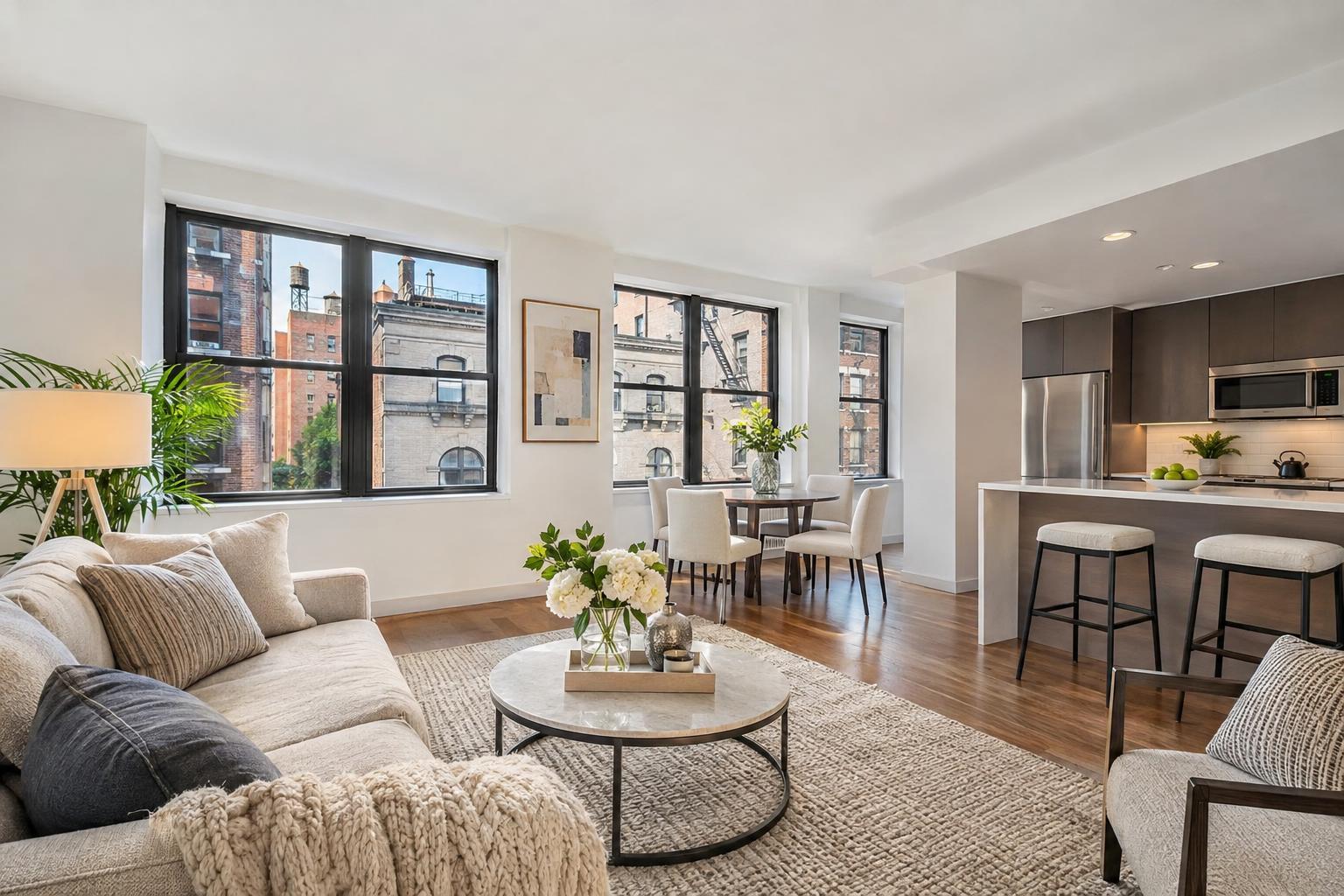
An elegantly designed living room with large windows showcasing New York City architecture is captured by a skilled architectural photographer in NYC.

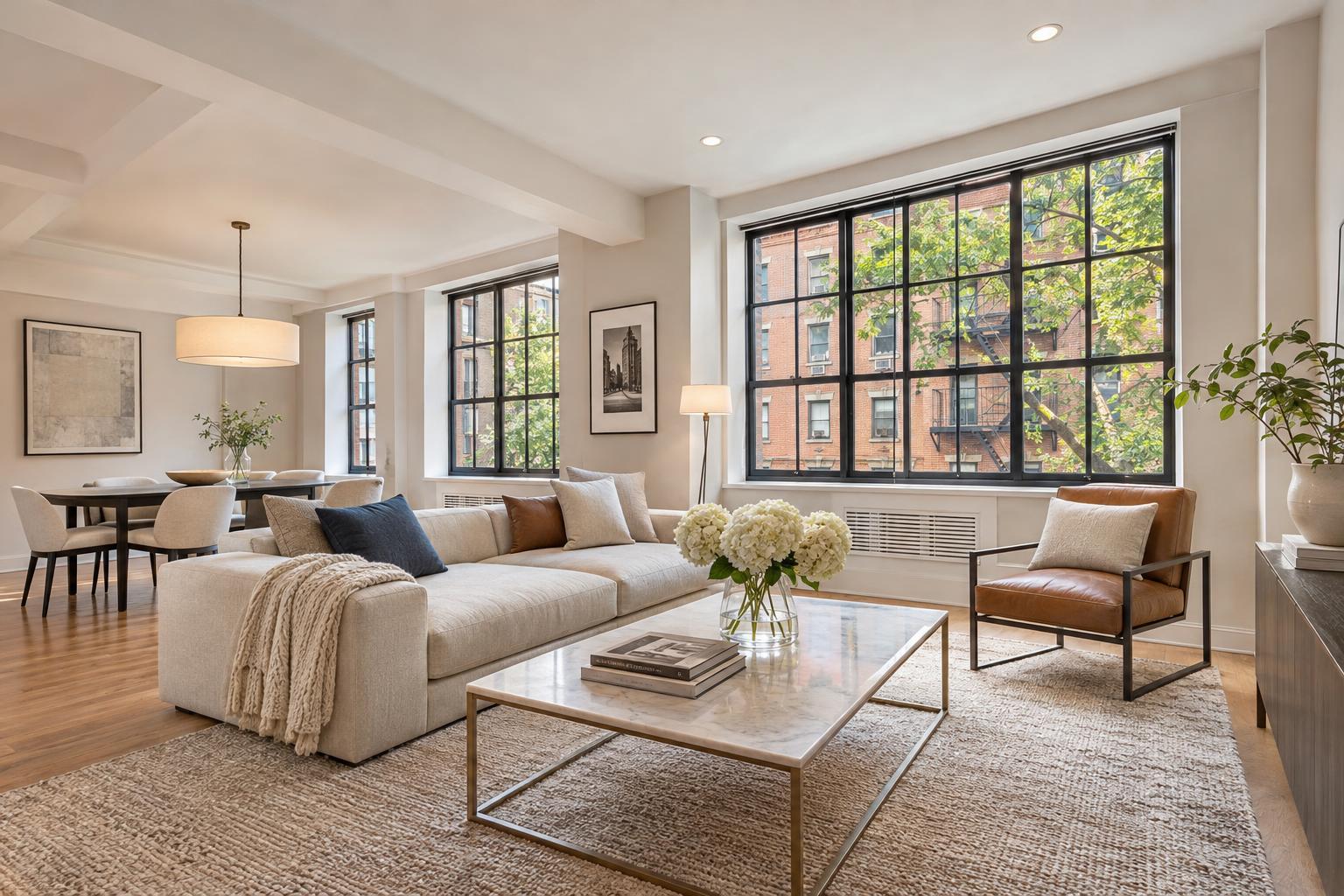
How to Choose an Architectural Photographer in NYC for Your Listing
Finding an architectural photographer in NYC isn’t just about hiring someone to snap a few bright, clean shots for your online listing. For brokers, developers, architects, and property managers, the right photographer is a partner in capturing how a space feels, how rooms connect, and what makes the property stand out in a highly visual, fast-moving market.
In New York City, design details matter. A Manhattan apartment might need expert framing to capture its compact layout honestly. A Brooklyn brownstone could call for special attention on its millwork and vertical flow. With so many eyes on each new listing, every image carries weight—especially when the architecture itself is part of the value.
Whether you’re preparing to list a residence, showcase a commercial space, or document a unique renovation, knowing how to select the right property photographer for design-focused spaces can make all the difference.
Why Architectural Photography Goes Beyond Listing Photos
Most real estate images exist to check off the basics: show the rooms, make them look tidy, let in some sunlight. Architectural photography, however, goes several steps further. It’s about documenting spatial flow, materials, lighting, craftsmanship, and intent. It’s deliberate work—less about “making things look big and bright” and more about expressing character, proportions, and the relationship between spaces.
The photographer’s approach should show:
- Consistent straight verticals and natural angles
- Honest room proportions (no excessive stretching or distortion)
- Balanced window light, so interiors and views are comfortable to read together
- Intentional use of natural and supplemental lighting
- Focused, meaningful detail shots that reveal joinery or material choices
- Editing that keeps materials looking real and true-to-life
- A clear sequence moving from exterior, to entry, to main and secondary spaces
A wide lens may have its place in a modest West Village kitchen, but it should never push the space beyond reality. Similarly, those dazzling skyline views through floor-to-ceiling windows are only an asset if the room itself doesn’t fade into shadow. The best architectural images strike a balance—clear, contextual, and atmospheric without ever misrepresenting the space.
Define the True Marketing Need Before You Book
Before comparing NYC architectural photography services or collecting proposals, pause to clarify the primary goal for your project:
- Is this strictly for a property listing, or will these images serve for an architect’s or designer’s portfolio as well?
- Which features require special attention (e.g., exterior details, custom cabinetry, or premium appliances)?
- Where will the images be used: only online, or also in print and press materials?
- Is the space vacant, staged, lived in, or under construction?
- Are there timing limits around when the shoot must take place due to tenant access, staging, or launch?
- Are certain features best captured at a particular time of day—think terraces, evening exteriors, or dramatic daylight?
Giving your photographer a clear sense of the property’s purpose and logistics up front will lead to a more relevant shot list and avoid a rushed, generic set of images.
Evaluating Portfolios: What Really Matters
It’s tempting to scroll through a photographer’s highlights and stop at the prettiest rooms. Look closer, though: Architectural photography is about repeatable control in varying spaces, not just the “best of” moments. Pay attention to:
Small Spaces and Challenging Layouts
A NYC photographer should show comfort with compact apartments. Look for images where tight living rooms or narrow kitchens still feel honest and navigable, not unrealistically spacious through distortion.
Handling Light and Views
New Yorkers love their sunlight and skyline peeks—but capturing both interior and exterior properly is hard. Check portfolio samples to see if windows are blown out or interiors are too dark. High-quality work finds a balance, especially in high-rises, brownstones, or units with deep natural light variation.
Consistency in Lines and Materials
Architectural images should feel stable, with verticals (door frames, columns, walls) rendered straight instead of leaning. Finishes—wood, stone, glass—should maintain realistic color and texture, free from odd color casts or “plastic” over-editing.
Meaningful Details
Effective detail shots tell a story about the space: the curve of a custom banister, the craftsmanship of built-in shelving, unique tilework, or a modern lighting installation. Random decor isn’t worth a close-up. Detail images should support the wider architectural narrative.
Tailoring Coverage to Your NYC Property Type
New York City’s properties are diverse—from pre-war Upper West Side co-ops to Tribeca lofts with exposed beams, Brooklyn brownstones with five floors, or sleek new developments. Each space benefits from a coverage plan that fits its strengths:
- Pre-war apartments: Give the entry, ceiling details, and room relationships extra coverage.
- Lofts: Favor wide compositions that convey openness, texture, and circulation.
- Brownstones: Capture the vertical journey—façade, stoop, parlor, garden, roof—as well as original features.
- New developments: Seek repeatable, consistent images that work across multiple units and marketing materials.
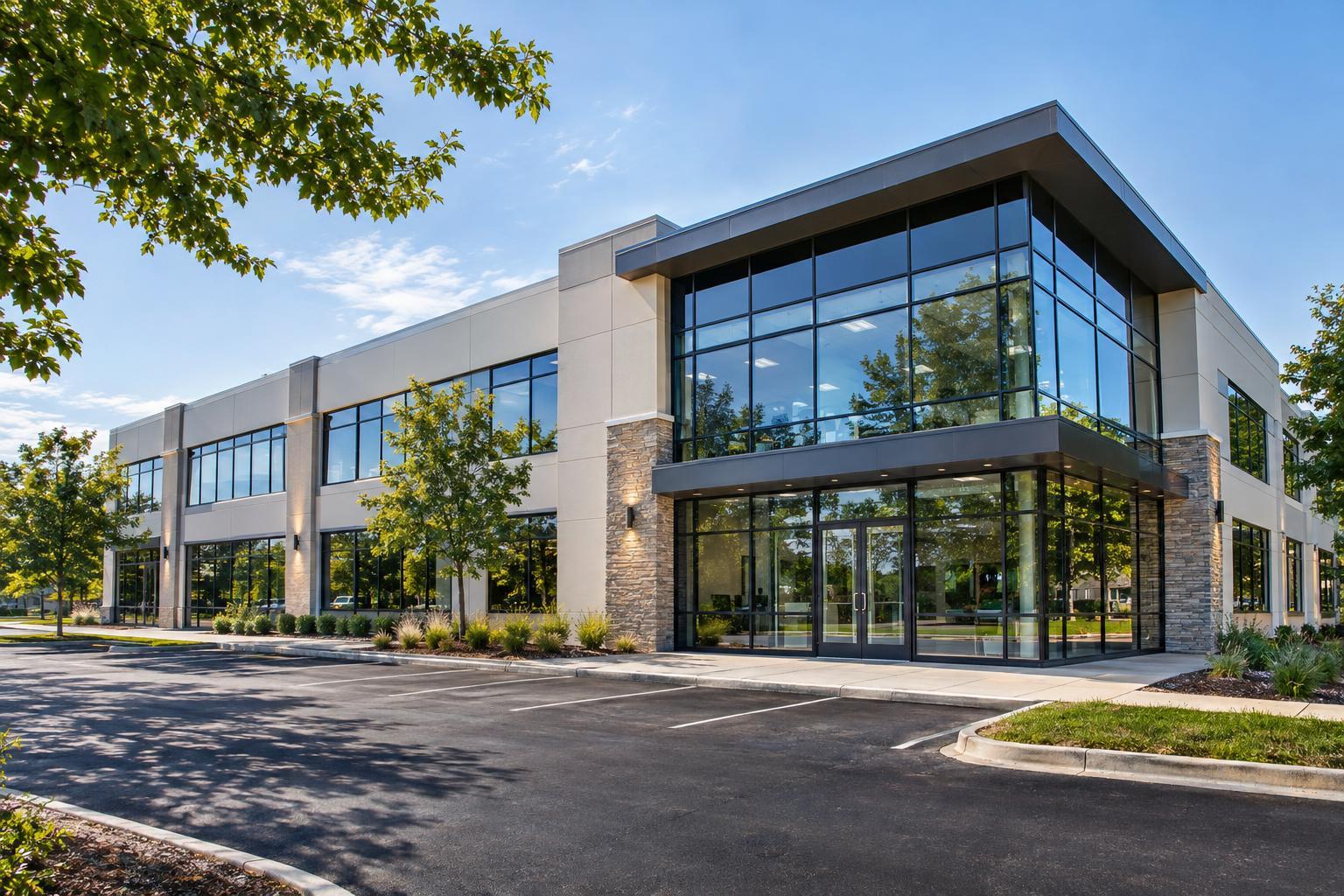
- Commercial/retail: Showcase storefronts, signage, customer circulation, and interior scale; reveal amenities and unique selling points for offices, rentals, or hospitality spaces.
Don’t accept a one-size-fits-all shot list. An experienced property photographer will talk through your priorities, adapt the sequence, and make recommendations for your exact listing or project.
How to Prep the Property for Capture
Photography cannot disguise clutter, construction, or maintenance problems. Taking the time to prepare ensures the finished images spotlight the design instead of distractions. Useful steps include:
- Remove visible cords, personal items, cleaning supplies, and pet gear
- Clear countertops, open shelving, and work surfaces
- Replace any burned-out bulbs and check all light fixtures
- Adjust window treatments for natural light and views
- Minimize seasonal or non-essential decor
- Knock out quick touch-ups or repairs if possible
- Coordinate access for any exterior or amenity coverage
- Notify tenants, building staff, or doormen of the photographer’s arrival
For occupied homes, decide ahead of time which lived-in spaces are essential for the shoot. Open access and clean surfaces help streamline the process for everyone.
Virtual staging can be a smart solution for empty rooms. It’s most convincing when applied to genuinely vacant spaces or after essential clutter removal.
When You Might Need More Than Still Photos
While still imagery is at the heart of architectural coverage, some properties genuinely benefit from complimentary media:
- Video tours: Useful for showing movement between spaces, staircases, or how outdoor/indoor areas connect.
- Floor plans: Essential for listings with unusual layouts, multi-level properties, or commercial tenants who need a bird’s-eye overview.
- 3D virtual tours: Valuable for remote viewers, larger homes, or spaces that are tricky to understand from photography alone. Matterport and similar solutions require on-site scanning.
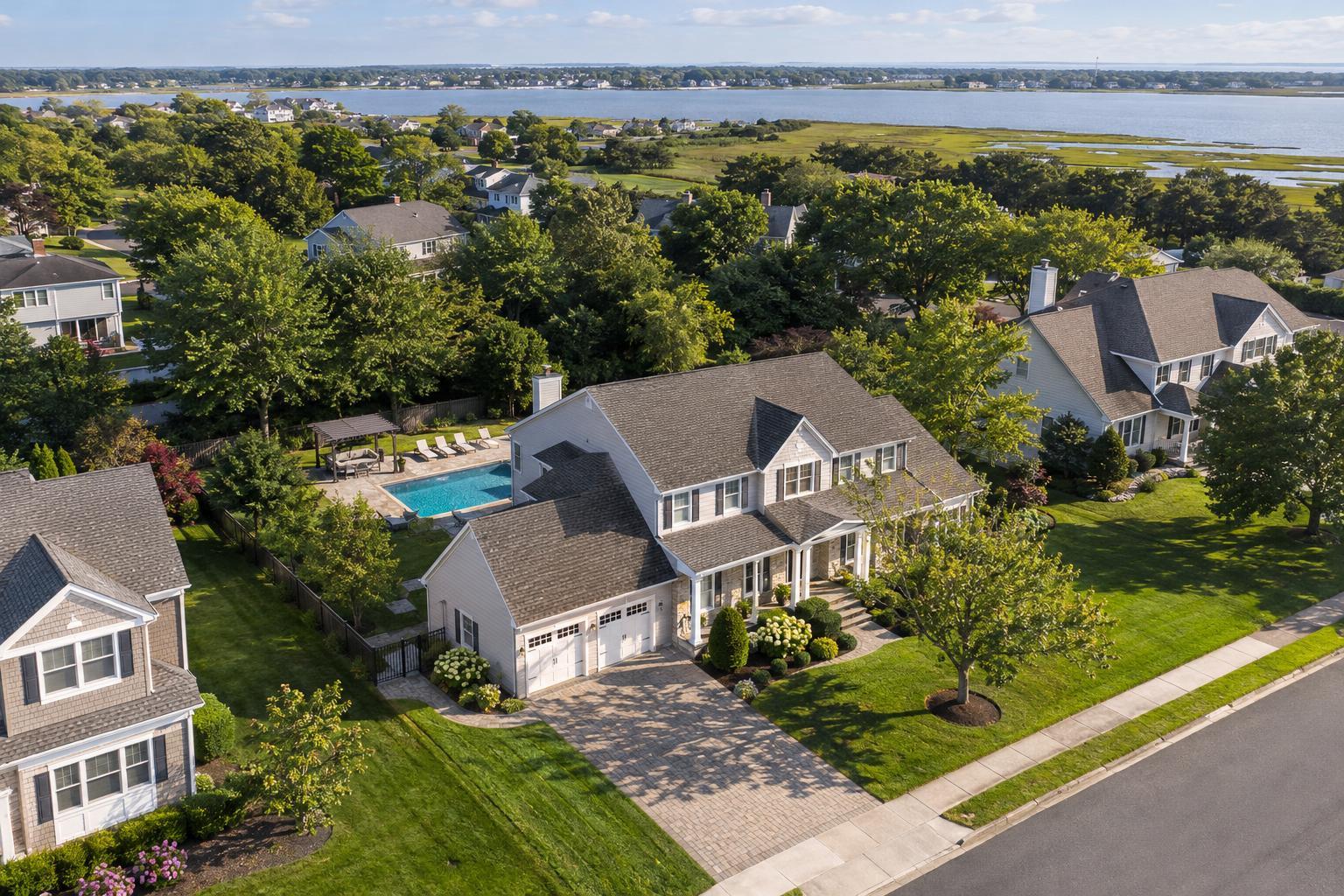
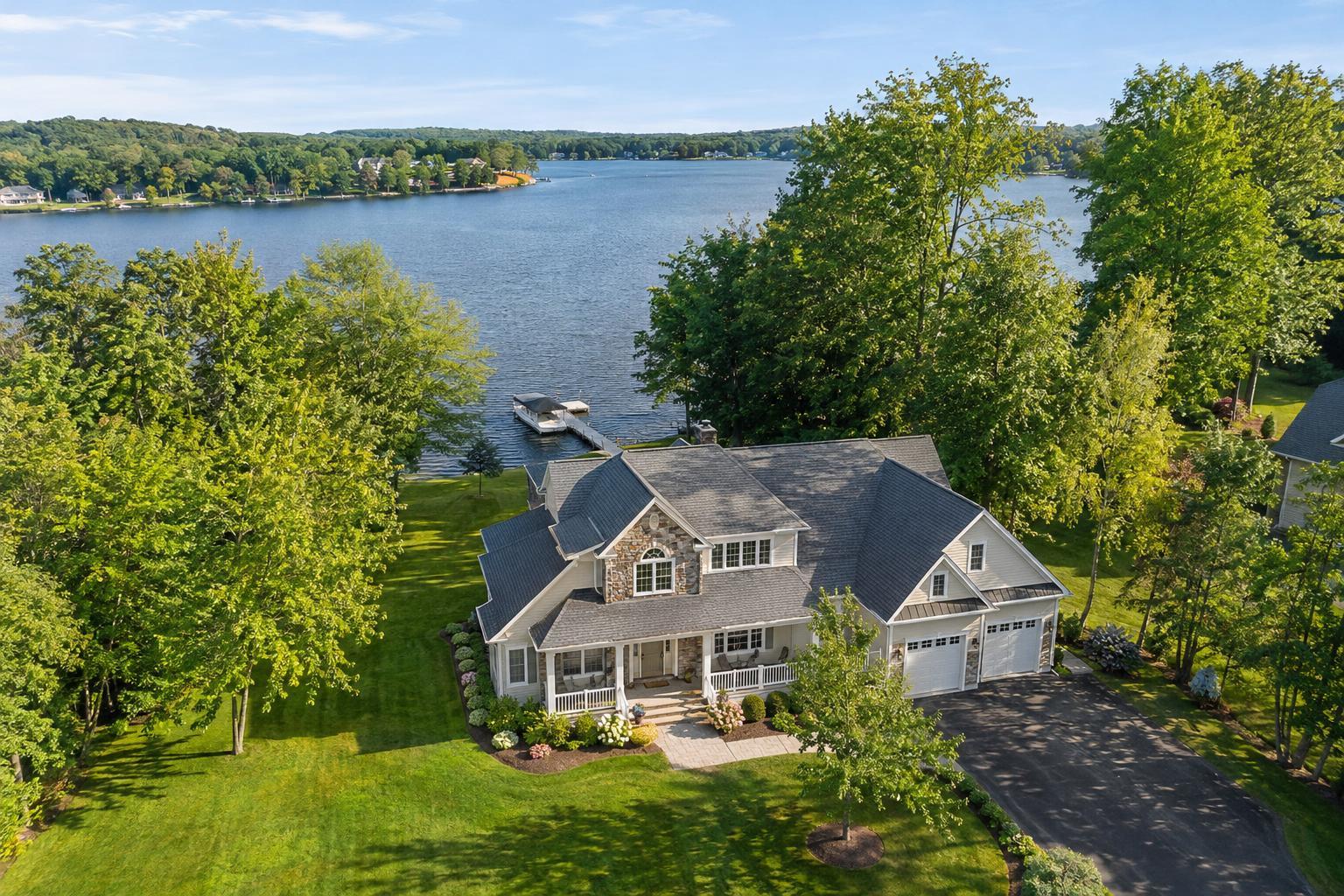
- Drone images: Helpful for properties with exterior highlights, roof decks, or notable relationships to surrounding city features. Drone use depends on airspace, weather, access, and safety.
- Twilight exteriors: Capture dramatic lighting, facade presence, pools, or terraces in evening conditions.
Choose add-on media because it answers a real need, not simply because it’s available.
What to Ask When Comparing Photographers
Pressing for specifics is the best way to gauge a photographer’s fit for your architectural project. Open the conversation with questions like:
- How do you maintain straight verticals and realistic proportions?
- How do you handle spaces with strong window light and deep shadows?
- Can we walk through a priority shot list or must-have details ahead of the shoot?
- What do I need to prepare prior to your arrival?
- What’s the workflow for building access or staging?
- Which complementary media (video, floor plan, 3D, drone) would make sense for my property?
- Are there usage rights or limitations if I need these images for both listing and print materials?
Photographers who field these questions confidently—and who inquire about your property’s specifics in return—tend to deliver a stronger, more relevant product.
A Professional Local Option: RealtaSnap
For those seeking a straightforward, professional approach to NYC or New Jersey architectural photography, RealtaSnap offers real estate media services focused on clarity and quality. You can book online, specify address and service needs, add property notes, and select your preferred time—streamlining what can otherwise be a complicated process.
For more details on services and to schedule a session, visit RealtaSnap’s real estate photography page or go straight to online booking. RealtaSnap serves a wide range of NYC and North Jersey listings, delivering sharp, composed images that feel true to each space.
FAQ
Question: What’s the difference between architectural photography and standard listing photos?
Answer: Standard real estate shots prioritize clarity for marketing, showing basic rooms and features. Architectural photography adds more careful attention to spatial relationships, light, materials, and design intent. It’s more nuanced—especially important for high-end, design-led, or commercial listings.
Question: Does my listing benefit from detail shots, or just wide angles?
Answer: Detail photos work best when they highlight meaningful features—custom millwork, crafted hardware, premium materials—not just decorative accessories. Used selectively, detail images add another layer to the story without replacing the need for wide, contextual room shots.
Question: How soon should I book an architectural photographer in NYC?
Answer: For most standard jobs, at least 24 hours’ notice is required. Scheduling earlier is smart if you’re juggling tenant access, building restrictions, staging, or want to coordinate video, floor plans, or 3D tours at the same time.
Ready to present your property’s design at its best? Visit www.RealtaSnap.com to get started.